Why Architectural Variety Gives Many Cypress Neighborhoods Their Lasting Appeal (2026 Guide)
When homebuyers tour neighborhoods, they naturally focus on individual properties. Floor plans, kitchens, and backyards often become the center of attention. Yet one of the first impressions buyers experience happens before they ever step inside a home—the overall appearance of the neighborhood.
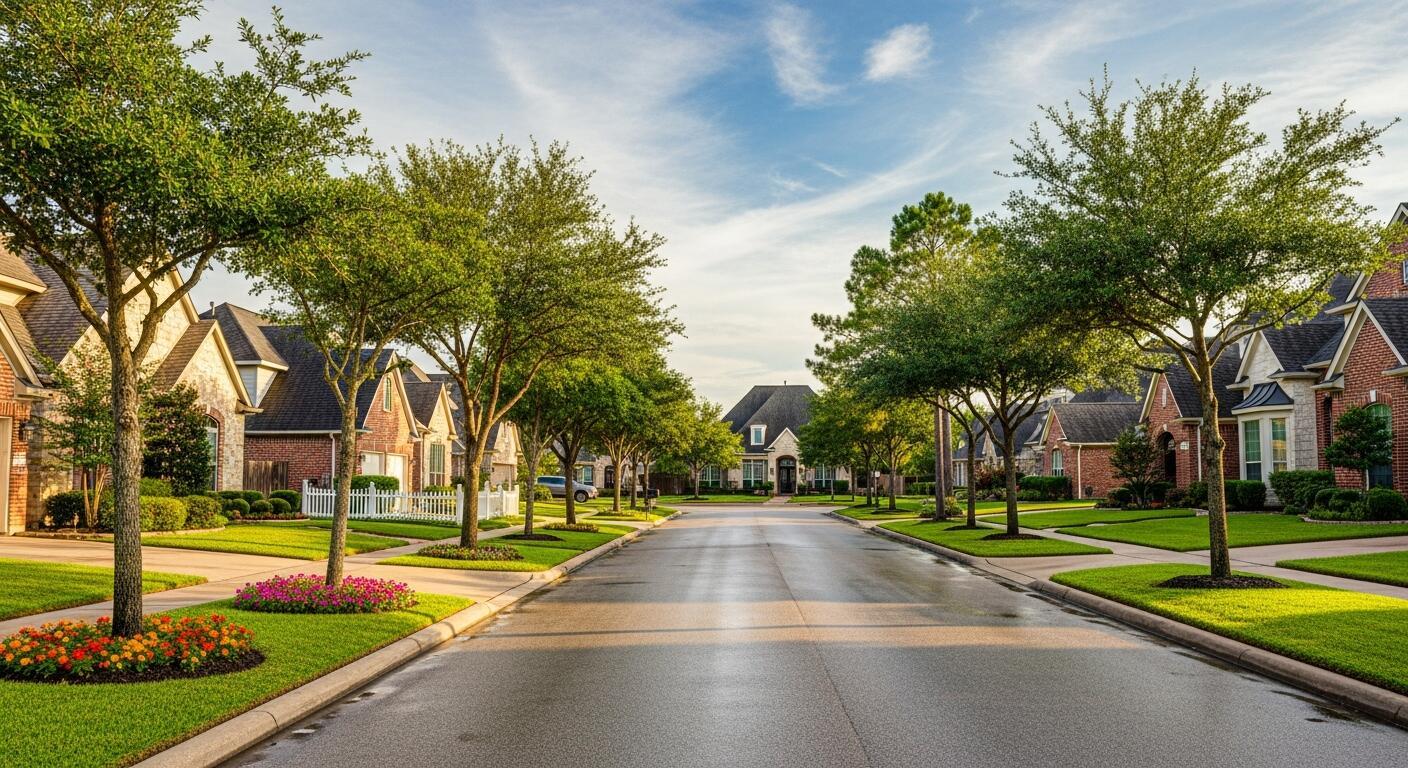
In many Cypress communities, architectural variety plays a significant role in creating neighborhoods that feel visually interesting and welcoming. Rather than rows of identical homes, buyers often find communities featuring a mix of complementary architectural styles, varying rooflines, thoughtful landscaping, and homes built during different phases of development.
While architecture alone doesn't determine whether a neighborhood is right for you, it contributes to the sense of place that many buyers continue to appreciate long after purchasing a home.
Neighborhood Character Begins With Design
A neighborhood's identity develops over time through the combination of its homes, streets, landscaping, and shared spaces.
Architectural variety helps create:
Visual interest
Distinctive streetscapes
Individual home character
Balanced neighborhood appearance
A sense of uniqueness
Instead of every house appearing nearly identical, different elevations and design details provide a more natural residential environment.
A Mix of Architectural Influences
Throughout Cypress, buyers may encounter homes inspired by several architectural traditions.
Depending on the neighborhood, common influences include:
Traditional Texas brick homes
Modern farmhouse designs
Craftsman-inspired architecture
Transitional home styles
Contemporary elements incorporated into newer construction
These styles often coexist within carefully planned design guidelines that maintain neighborhood harmony while avoiding monotony.
Streets Feel More Inviting
Architectural diversity contributes to how neighborhoods are experienced from the street.
Varied home elevations, porch designs, window arrangements, rooflines, and exterior materials help create a streetscape that encourages residents to slow down, walk, and appreciate their surroundings.
Combined with mature landscaping and community parks, these design elements enhance the overall residential atmosphere.
Different Builders, Different Ideas
Many Cypress master-planned communities have welcomed multiple builders over the years.
This often results in:
A wider selection of floor plans
Different exterior finishes
Varied lot configurations
Distinct architectural details
Greater flexibility for buyers
Rather than limiting buyers to one design philosophy, these communities often provide a broader range of housing choices.
Landscaping Complements Architecture
Architecture rarely stands alone.
Landscaping helps frame homes through:
Mature shade trees
Flowering shrubs
Decorative planting beds
Well-maintained lawns
Seasonal color
Together, architecture and landscaping create neighborhoods that feel established and visually balanced.
Homes Reflect Different Lifestyles
Architectural variety also supports different ways of living.
Throughout Cypress, buyers may find homes designed for:
Growing families
Professionals working from home
Multi-generational households
Empty nesters
Buyers seeking lower-maintenance living
Although the exterior appearance varies, many homes are designed with flexibility that allows them to adapt as homeowners' needs change.
Compare Entire Streets, Not Just Individual Homes
During a home search, spend time walking or driving through the surrounding neighborhood.
Notice:
Exterior design variety
Streetscape consistency
Landscaping quality
Sidewalk appearance
Community entrances
Overall visual appeal
Looking beyond the individual property often provides a better understanding of the neighborhood's long-term character.
Architectural Variety Ages Gracefully
Communities that include several complementary home styles often continue to feel attractive as they mature.
Instead of appearing tied to a single design trend, neighborhoods with architectural diversity can maintain a timeless appearance that appeals to successive generations of buyers.
This enduring character contributes to the community's identity and long-term appeal.
Think Beyond Personal Taste
Every buyer has favorite architectural styles.
However, when evaluating a neighborhood, it's helpful to consider the overall environment rather than focusing only on one home's appearance.
Questions to ask include:
Does the neighborhood feel cohesive?
Are homes well maintained?
Does the landscaping complement the architecture?
Can you imagine enjoying the streetscape for many years?
These observations often become just as important as individual design preferences.
Final Thoughts
Architectural variety is one of the subtle features that contributes to the lasting appeal of many Cypress neighborhoods. A thoughtful mix of home styles, quality landscaping, and carefully planned streetscapes creates communities that feel welcoming, established, and visually engaging.
When searching for a home, taking time to appreciate the neighborhood as a whole—not just the property you're touring—can help you make a more informed long-term decision.
Frequently Asked Questions
Why do buyers appreciate architectural variety?
Many buyers enjoy neighborhoods where homes have different elevations, materials, and design details because they create a more visually interesting streetscape.
Do Cypress neighborhoods include multiple architectural styles?
Yes. Depending on the community, buyers may find traditional, Craftsman-inspired, modern farmhouse, transitional, and other complementary home designs.
Does architectural variety affect neighborhood character?
It contributes significantly to the overall appearance and identity of a community, especially when combined with quality landscaping and thoughtful planning.
Should buyers compare neighborhoods as well as homes?
Absolutely. The surrounding streetscape, landscaping, and architectural consistency influence everyday enjoyment long after moving into a home.
Why is neighborhood appearance important?
The overall environment shapes first impressions, daily living, and the long-term character that many homeowners value.