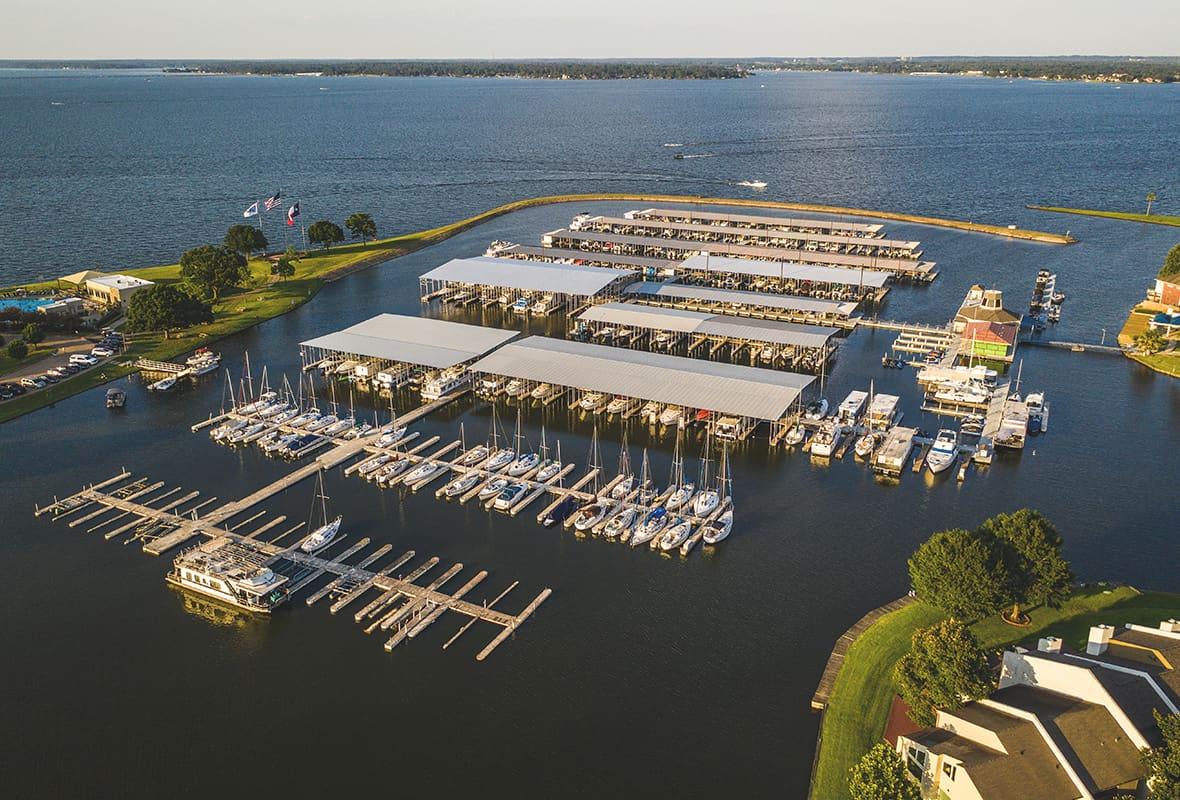
Buying a Waterfront Home on Lake Conroe: The Complete Buyer's Guide (2026)
Owning a waterfront home is very different from owning a traditional suburban home.
The views may be spectacular, and the lifestyle may include boating, fishing, paddleboarding, and sunsets over the water, but waterfront ownership also comes with additional responsibilities that many first-time lake buyers have never experienced.
If you're considering purchasing a waterfront home on Lake Conroe, understanding these differences before making an offer can help you avoid surprises after closing.
Not Every Waterfront Property Is the Same
One of the biggest misconceptions is that every waterfront home offers the same experience.
In reality, waterfront properties can vary dramatically depending on:
Shoreline location
Water depth
Exposure to boat traffic
Views
Dock configuration
Lot elevation
Tree coverage
Wave activity
Two homes located only a few hundred yards apart can offer very different ownership experiences.
Understand the Type of Waterfront
Before purchasing, identify exactly what kind of waterfront you're buying.
Examples include:
Open-water frontage
Protected cove
Canal frontage
Peninsula lots
Point lots
Each offers different advantages.
Open water may provide expansive views but can experience more wave action from recreational boats.
Protected coves often have calmer water that's well suited for kayaking, paddleboarding, and swimming.
Water Depth Matters
Many first-time buyers focus on the house while overlooking the water itself.
Water depth affects:
Boat access
Dock usability
Seasonal recreation
Future dredging considerations
If boating is important to you, ask whether the current owner has experienced seasonal access limitations.
The Dock Deserves Its Own Inspection
A dock is a major structure.
Before closing, carefully evaluate:
Structural condition
Decking
Pilings
Electrical service
Boat lift operation
Roof condition
Lighting
Safety railings
Permitting, if applicable
A dock inspection can be just as valuable as the home inspection.
Shoreline Erosion
Water constantly changes shorelines.
Buyers should observe:
Evidence of erosion
Retaining walls
Bulkheads
Riprap protection
Vegetation health
Visible shoreline protection today may reduce future maintenance, but every property is unique.
View Orientation
Many buyers think only about having a water view.
Few consider which direction the home faces.
Orientation affects:
Morning sun
Afternoon shade
Sunset views
Glare
Outdoor comfort
Energy efficiency
If spending time on the patio is important, visit the property at different times of the day whenever possible.
Wind and Boat Traffic
The amount of boat traffic can change dramatically depending on location.
Some waterfront areas experience:
Busy weekend boating
Wake from larger boats
Personal watercraft traffic
Fishing activity
Other areas remain relatively quiet throughout most of the year.
Spend time observing the neighborhood before purchasing if tranquility is important to you.
Outdoor Living Becomes More Important
Many waterfront owners spend as much time outside as they do inside.
Evaluate:
Covered patios
Outdoor kitchens
Shade
Seating areas
Pool placement
Dock access
Yard usability
The backyard often becomes the primary living space.
Waterfront Maintenance Is Different
Lakefront ownership may include maintenance beyond what many homeowners expect.
Examples include:
Dock upkeep
Shoreline vegetation
Exterior cleaning
Moisture management
Outdoor furniture maintenance
Tree care
Irrigation adjustments
Understanding these ongoing responsibilities helps buyers prepare for long-term ownership.
Insurance Questions to Ask
Insurance for waterfront homes can differ from inland properties.
Before closing, buyers should discuss with their insurance professional:
Homeowners coverage
Flood insurance requirements
Dock coverage
Boat lift coverage
Wind and hail deductibles
Personal property coverage
Liability considerations
Insurance costs vary significantly by property and coverage selections.
Utilities and Infrastructure
Waterfront homes may have utility configurations that differ from nearby inland homes.
Verify:
Water service
Sewer or septic
Internet availability
Electrical capacity
Irrigation systems
Do not assume every lakefront property has identical utility services.
Questions to Ask the Seller
Before purchasing, consider asking:
How long have you owned the property?
Have you experienced shoreline erosion?
Has the dock required repairs?
What maintenance is performed annually?
Have you experienced flooding?
Are permits available for dock improvements?
What is included with the property?
These questions often reveal valuable ownership information.
Final Thoughts
Buying a waterfront home on Lake Conroe is about much more than buying a house with a beautiful view.
You're purchasing an entire lifestyle—one that includes unique maintenance responsibilities, recreational opportunities, insurance considerations, and property features that don't exist in most traditional neighborhoods.
Taking time to understand those differences before closing can help ensure your lake home delivers the experience you're hoping for for years to come.
Frequently Asked Questions
Should I inspect the dock?
Yes. If a dock is an important part of the purchase, many buyers choose to evaluate its condition separately from the home's general inspection.
Does every waterfront lot have deep water?
No. Water depth varies throughout Lake Conroe and may change seasonally.
Are waterfront homes more expensive to maintain?
They may have additional maintenance needs related to docks, shoreline improvements, moisture exposure, and outdoor living features.
Should I visit the property more than once?
If possible, visiting at different times of day and on both weekdays and weekends can provide a better understanding of traffic, noise, sunlight, and boating activity.
Is flood insurance always required?
Flood insurance requirements vary depending on the property's location, lender requirements, and insurance considerations. Buyers should verify this during the purchase process.