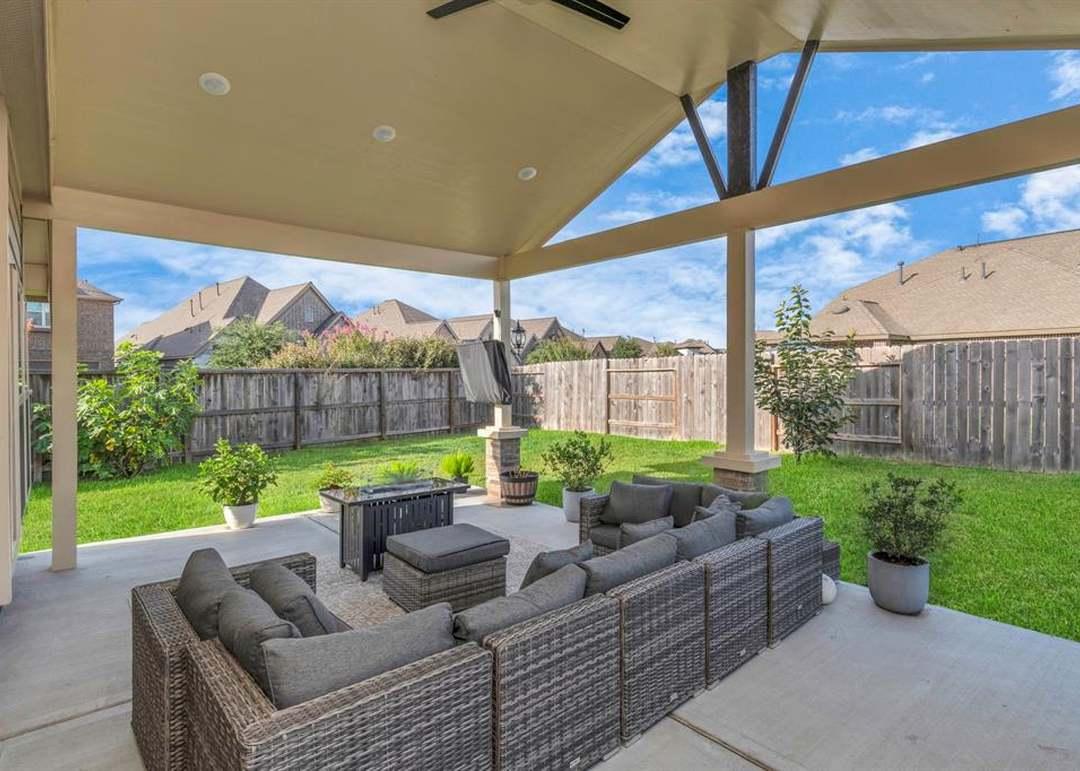
The House Looks Great on a Sunny Day—But How Will It Live Through a Houston Summer and Heavy Rain?
The showing happens on a beautiful afternoon.
Blue sky.
Mild temperature.
Dry yard.
The patio feels perfect.
The primary bedroom is bright.
The backyard looks incredible.
You leave thinking:
“This house lives beautifully.”
Maybe it does.
But a single pleasant showing tells you only how the property feels under one set of conditions.
Cypress buyers should also ask:
What happens in August?
What happens after several hours of heavy rain?
Where is the afternoon sun?
How shaded is the patio?
How does water move across the lot?
Because the home you buy needs to work on the ordinary weather days too.
Start With the Sun
Lot orientation can affect how different parts of a property feel throughout the day.
That includes:
Backyard.
Patio.
Primary bedroom.
Family room.
Kitchen.
Home office.
Pool.
A backyard that feels comfortable at 10 a.m. may receive intense afternoon sun later.
If outdoor living matters to you, understand how the sun moves across the property.
Visit Later in the Day
This is one of the simplest tests.
If your first showing is in the morning, consider returning later when practical.
Stand on the patio.
Where is the sun now?
Is there shade?
How does the primary bedroom feel?
Is the west-facing side noticeably warmer?
You aren’t trying to avoid sunlight.
You’re figuring out whether the home’s orientation fits how you want to use it.
Covered Patios Matter More Than They Look
A covered patio is easy to treat as a checkbox.
But look closely.
How deep is the cover?
Which direction does it face?
Does it actually shade the seating area during the hours you’ll use it?
Is there room for fans?
How well does the space connect to the house?
A patio can be technically covered and still provide less shade than you expect.
Trees Can Change Outdoor Comfort
Mature trees can provide:
Shade.
Privacy.
Character.
Cooling around outdoor areas.
But evaluate their placement.
Are they close to the roof?
Driveway?
Fence?
Future pool area?
A beautiful tree can be a major asset and still require ongoing care.
If a large tree’s condition concerns you, appropriate professional evaluation can help.
Pools Need Sun and Shade Too
If you’re buying a pool home, think about how sunlight affects the experience.
Some buyers want:
Full sun.
Others want:
Afternoon shade.
Some want a balance.
Look at the pool during the time of day you’d realistically use it.
A backyard photo can’t tell you everything about comfort.
Now Look at the Yard After Rain
A dry yard hides information.
If you’re seriously considering a home and timing allows, seeing the property after meaningful rainfall can provide useful context.
Notice:
Standing water.
Low areas.
How quickly surfaces drain.
Where downspouts discharge.
How water moves near the foundation.
You don’t need to diagnose anything.
Just observe.
Drainage Is About More Than Puddles
Water management can involve:
Grading.
Gutters.
Downspouts.
Drains.
Swales.
Landscaping.
Neighboring elevation.
Hardscape.
Lot slope.
If something looks unusual or concerning, discuss it with your inspector or other qualified professionals.
Look at the Neighboring Lots
Your drainage environment doesn’t stop at the property line.
Are neighboring yards higher?
Lower?
How do the lots relate to one another?
Does water appear to move toward or away from the home?
Again, don’t guess at conclusions.
But recognize that surrounding land can affect how a property handles rainfall.
Gutters Tell a Story
Look at:
Are gutters present?
Do they appear properly attached?
Where do downspouts terminate?
Are there visible signs of overflow or staining?
Gutters aren’t exciting.
But during heavy rain, they become much more relevant than the pendant lights.
Roof Exposure Matters Too
Some roof areas receive more:
Sun.
Wind.
Debris.
Tree cover.
Weather exposure.
Roof age and condition should be evaluated through appropriate inspection and available records.
Don’t try to estimate roof performance from the driveway.
But do remember that weather exposure is part of the property’s ongoing maintenance story.
Shade Can Affect Landscaping
A heavily shaded backyard can feel comfortable.
But not every plant or turf type performs equally in deep shade.
Look at whether landscaping appears healthy under current conditions.
If you plan major changes, your future design may need to account for the property’s actual light patterns.
Full Sun Creates Its Own Landscape Questions
The opposite is true too.
A sunny yard can be great for certain uses.
But landscaping and irrigation may require different planning.
If you love a lush landscape, consider the time, water, and maintenance needed to keep it that way.
Outdoor Materials Age Differently
Patios, fences, decks, outdoor kitchens, pergolas, and other exterior features live in Texas weather.
Look at:
Sun fading.
Wood condition.
Caulk.
Paint.
Rust.
Cracking.
Sealants.
Again, wear doesn’t automatically mean a problem.
It simply tells you what maintenance may eventually involve.
The West-Facing Room Test
If a bedroom, office, or living area receives strong afternoon sun, ask yourself:
Would this bother us?
Would window treatments solve it?
Would we appreciate the light?
Would cooling matter more?
There’s no universally bad orientation.
There are simply preferences and trade-offs.
Remote Workers Should Pay Attention to Daytime Heat
A room that feels comfortable during a weekend morning showing may become your office Monday through Friday.
Think about:
Natural light.
Glare.
Window orientation.
Temperature.
Privacy.
Where the sun falls during work hours.
That can affect how much you enjoy the room.
The Garage Can Get Hot Too
If you use the garage for:
Workshop.
Gym.
Storage.
Hobbies.
Not just parking.
Think about exposure and ventilation.
A west-facing garage or other heavily exposed space may feel different during summer afternoons.
Your intended use should guide how much that matters.
Attic Heat Is Another Ownership Consideration
Houston-area attics can become extremely hot.
If the property has attic storage, be thoughtful about what belongs there.
Temperature-sensitive items may not be appropriate.
An attic being physically accessible doesn’t mean it’s the ideal place for everything you own.
Storm Prep Is Part of Homeownership
Buyers don’t need to fear weather.
But they should understand the property.
Ask yourself:
How secure are outdoor items?
Are there mature trees near the home?
What drainage systems are present?
Where would patio furniture go if severe weather were expected?
Does the garage have enough storage?
These are ordinary homeownership questions.
Covered Entries Are Surprisingly Useful
A covered front entry may seem cosmetic during a showing.
Then it’s raining heavily and you’re trying to unlock the door while carrying groceries.
Small design details can improve daily comfort.
Not every useful feature is glamorous.
Look at the Driveway During Rain
If you can visit after rainfall, notice:
Does water collect near the garage?
How does the driveway slope?
Where does runoff go?
Again, observation first.
Conclusions should come from appropriate professional evaluation if concerns arise.
Fences Take Weather Too
In a humid, storm-prone environment, fences can need periodic maintenance.
Look at:
Posts.
Alignment.
Gate operation.
Wood condition.
Areas near drainage paths.
A fence is part of the property’s long-term upkeep.
Landscaping Can Hide Drainage Problems—or Solve Them
A beautifully landscaped yard may include intentional drainage design.
Or dense planting may simply make it harder to see the grade.
Walk the yard.
Look at what’s actually happening beneath the landscaping.
If you have questions, get qualified advice.
Don't Assume “Never Flooded” Ends the Conversation
Seller history can provide useful context.
But buyers should still investigate property-specific flood and drainage information.
Past experience does not guarantee future conditions.
Use disclosures, maps, inspections, insurance information, and other appropriate resources together.
Insurance Belongs in the Weather Conversation
Weather exposure and property characteristics can affect insurance considerations.
Get a property-specific quote.
Understand:
Coverage.
Deductibles.
Wind/hail provisions.
Flood-related coverage where applicable.
Other relevant terms.
Don’t wait until late in the transaction to find out what protecting the property may cost.
Look at the Outdoor Space at the Time You’ll Use It
This is the simplest advice.
If you imagine:
Dinner outside at 6 p.m.
Visit around 6.
If you imagine:
Coffee at 7 a.m.
Visit in the morning.
If you imagine:
Kids in the pool at 4 p.m.
Stand there at 4.
Homes should be evaluated in the hours you’ll actually live in them.
The Best Lot Isn't Always the Most Beautiful at Noon
This is the lesson.
One yard may photograph better.
Another may be more comfortable during the hours you use it.
One may have a dramatic open view.
Another may provide shade and privacy.
One may look pristine on a dry day.
Another may handle rainfall more effectively.
Beauty is one part of the decision.
Function matters too.
Final Thoughts
A Cypress home can look perfect under blue skies.
But you’re buying it for every kind of day.
Hot afternoons.
Heavy rain.
Storm season.
Bright mornings.
Humid evenings.
The patio.
The yard.
The roof.
The trees.
The drainage.
The sunlight.
The outdoor environment is part of the property whether it appears in the listing description or not.
So before making an offer, ask:
How does this house handle the weather we actually live in?
Where is the shade?
Where does the water go?
How does the yard feel in late afternoon?
How are the exterior features holding up?
What insurance considerations apply?
You’re not looking for a weather-proof home.
No such home exists.
You’re looking for a property whose orientation, outdoor spaces, drainage, maintenance needs, and weather exposure fit the way you want to live.
Because the right Cypress home shouldn’t only look great during the showing.
It should still feel like a good decision when August arrives—and when the rain does too.
Frequently Asked Questions
Should Cypress buyers visit a home after heavy rain?
When practical, it can provide useful context about drainage, standing water, grading, and how the property behaves under wetter conditions.
Does backyard orientation matter?
It can affect sunlight, shade, outdoor comfort, views, and how you use patios or pools at different times of day.
Are mature trees always beneficial?
They can provide shade, privacy, and character, but buyers should also consider condition, placement, maintenance, and proximity to the home.
Should I worry if I see standing water?
Standing water can have many causes. Note what you observe and seek appropriate inspection or professional evaluation rather than making assumptions.
Does homeowners insurance cover every weather-related issue?
Coverage depends on the policy. Buyers should review property-specific coverage, exclusions, deductibles, and flood-related needs with qualified insurance professionals.
What’s the biggest takeaway?
Don’t evaluate a Cypress home only under perfect showing conditions. Think about heat, sunlight, rain, drainage, trees, outdoor exposure, and insurance so you understand how the property is likely to feel and function throughout the year.