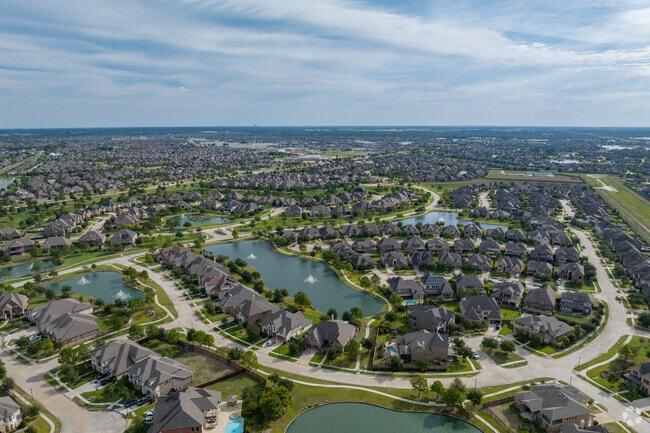
Your Buyer Isn't Just Comparing Houses—They're Comparing Entire Cypress Lifestyles
A buyer tours your home on Saturday morning.
They love it.
Beautiful kitchen.
Great backyard.
Plenty of space.
Then they leave.
Where are they going?
Possibly to another home with a completely different neighborhood experience.
Maybe it's newer.
Maybe it has a larger lot.
Maybe it's closer to a community lake.
Maybe the neighborhood offers a different collection of amenities.
Maybe they're also considering new construction.
That's the reality sellers need to understand:
Your competition isn't always the house down the street.
Sometimes it's an entirely different version of life in Cypress.
Cypress Gives Buyers a Lot of Choices
That's one of the area's strengths.
But for sellers, choice creates competition.
Buyers may consider homes across established neighborhoods, newer developments, gated sections, master-planned communities, and new-construction options.
They aren't necessarily comparing identical properties.
They're asking:
“Which overall package works best for us?”
Your home is one part of that package.
The House May Win—but the Neighborhood Can Still Lose
Imagine your home has the better kitchen.
Another property has the neighborhood experience the buyer prefers.
Which matters more?
That depends entirely on the buyer.
One family may prioritize the house itself.
Another may care deeply about:
Trails
Recreation
Community events
Lakes
Parks
Neighborhood character
Convenience
That's why sellers need to understand what they're really selling.
Know Why Someone Would Choose Your Part of Cypress
This sounds obvious.
But try answering without saying:
“It's a great neighborhood.”
What actually makes it appealing?
Is it:
An established setting?
Newer development?
Outdoor recreation?
Water features?
A particular type of lot?
Community amenities?
Convenience?
Privacy?
The more specific you can be, the easier it becomes to identify the buyer most likely to appreciate your home.
Don't Try to Be Bridgeland if You're Not Bridgeland
This is important.
Different Cypress communities offer different experiences.
Trying to market every home using identical lifestyle language makes listings feel generic.
If your home isn't located in a massive amenity-rich master-planned setting, don't pretend it is.
Maybe its advantage is something else.
A larger established lot.
Less community activity.
A quieter street.
A different architectural character.
Greater privacy.
Different buyers want different things.
Authenticity is stronger than imitation.
The Same Price Can Buy Very Different Things
This is where buyer comparisons get interesting.
At a similar budget, someone may be deciding between:
A newer home with a smaller lot.
An established home with mature landscaping.
A property with a pool.
A new-construction home.
A home with more square footage.
A home in a community with extensive amenities.
They're trading one advantage for another.
Your marketing needs to help them understand what they gain by choosing yours.
Amenities Aren't Automatically Valuable to Everyone
Some buyers love:
Pools.
Trails.
Community events.
Recreation centers.
Lakes.
Playgrounds.
Others may think:
“Will we actually use all of this?”
The point isn't to convince buyers that amenities are universally good.
It's to connect the right amenities with the right buyer.
A family that spends weekends outdoors may view the community very differently from someone who travels frequently and wants a quieter home base.
Your Lot Can Change the Entire Comparison
Two homes inside the same community can create completely different experiences because of the lot.
Buyers may notice:
Privacy.
Rear neighbors.
Water views.
Green space.
Street position.
Backyard orientation.
Outdoor usability.
A buyer may choose an older home over newer construction because the lot simply feels better.
That's why lot characteristics deserve more marketing attention than they often receive.
Don't Forget the Cost of the Lifestyle
Buyers may also evaluate the financial side of different communities.
Depending on the property and location, considerations can include:
Property taxes.
Homeowners association fees.
Potential special district assessments or taxes.
Maintenance expectations.
Insurance.
Buyers should verify property-specific costs carefully.
For sellers, the lesson is simple:
Don't assume buyers are comparing purchase prices alone.
They're evaluating the broader ownership picture.
New Construction Changes the Conversation
Cypress buyers may also encounter builder inventory and new developments.
That means a resale home may compete against:
New finishes.
Builder incentives.
Customization opportunities.
But established homes can offer their own advantages:
Completed landscaping.
Finished outdoor spaces.
Pools.
Window treatments.
Mature trees.
A known streetscape.
The goal isn't to declare one option better.
It's to understand the comparison buyers are making.
Buyers Are Choosing Their Saturdays
Here's one of the easiest ways to understand lifestyle competition.
Forget Monday morning.
Think about Saturday.
One buyer imagines:
Biking trails in the morning.
Pool in the afternoon.
Dinner nearby.
Another imagines:
Sleeping late.
Coffee in a quiet backyard.
No schedule.
No community activity.
Neither lifestyle is superior.
But they're very different.
Your home will naturally connect more strongly with one buyer than another.
Sellers Should Know Their “Why Us?” Answer
Before your home goes on the market, complete this sentence:
“A buyer would choose our home instead of another Cypress property because...”
Don't mention price yet.
Think deeper.
Maybe:
The lot is difficult to replicate.
The pool is already finished.
The neighborhood feels established.
The home offers more privacy.
The floor plan works especially well for multigenerational living.
The location fits a particular routine.
That's your positioning.
Generic Marketing Hides Good Homes
Here's the danger.
A genuinely special home can sound completely ordinary when described like every other listing.
“Beautiful home in highly desirable Cypress community featuring open-concept living and upgraded finishes.”
That could describe hundreds of properties.
Specificity makes people stop.
What makes this one different?
That's what buyers need to understand.
Your Competition Changes Every Week
Another reason sellers need strategy:
Inventory changes.
A competing home sells.
Another comes onto the market.
A builder announces an incentive.
A price changes.
Suddenly, your position looks different.
Selling isn't a one-time pricing decision followed by waiting.
The competitive landscape should be monitored throughout the listing.
Final Thoughts
Cypress buyers aren't simply shopping for four walls and a roof.
They're comparing complete packages.
Home.
Lot.
Neighborhood.
Amenities.
Location.
Ownership costs.
Lifestyle.
And sometimes new construction.
That's why the strongest seller strategy begins with understanding exactly where your property fits.
You don't need to beat every Cypress home.
You don't need every buyer to prefer your neighborhood.
You need the right buyer to look at everything else they've toured and understand:
“This one gives us the combination we've been looking for.”
When your marketing makes that difference clear, your home stops being another Cypress listing.
It becomes a specific answer to a buyer's specific life.
Frequently Asked Questions
What homes am I really competing against when selling in Cypress?
Your competition may include similar resales, homes in different Cypress neighborhoods, properties offering different lot or amenity advantages, and new construction within the buyer's budget.
Should I market neighborhood amenities?
Yes, when they're relevant and accurately described. Focus on how they contribute to the lifestyle rather than simply listing every amenity.
Can an established home compete with new construction?
Absolutely. Established homes may offer completed landscaping, pools, outdoor improvements, mature surroundings, and other features buyers would otherwise need to create later.
Does the lot really influence buyer decisions?
It can significantly affect buyer perception. Privacy, views, backyard usability, surrounding properties, and lot orientation can differentiate otherwise similar homes.
Should sellers discuss taxes and HOA costs?
Provide accurate property-specific information through the appropriate documentation and encourage buyers to verify costs relevant to their purchase. These expenses can be part of how buyers compare communities.
What's the biggest takeaway?
Don't ask only, “How does my house compare?” Ask, “How does the complete lifestyle my property offers compare with every other option my buyer has?” That's the competition that matters.