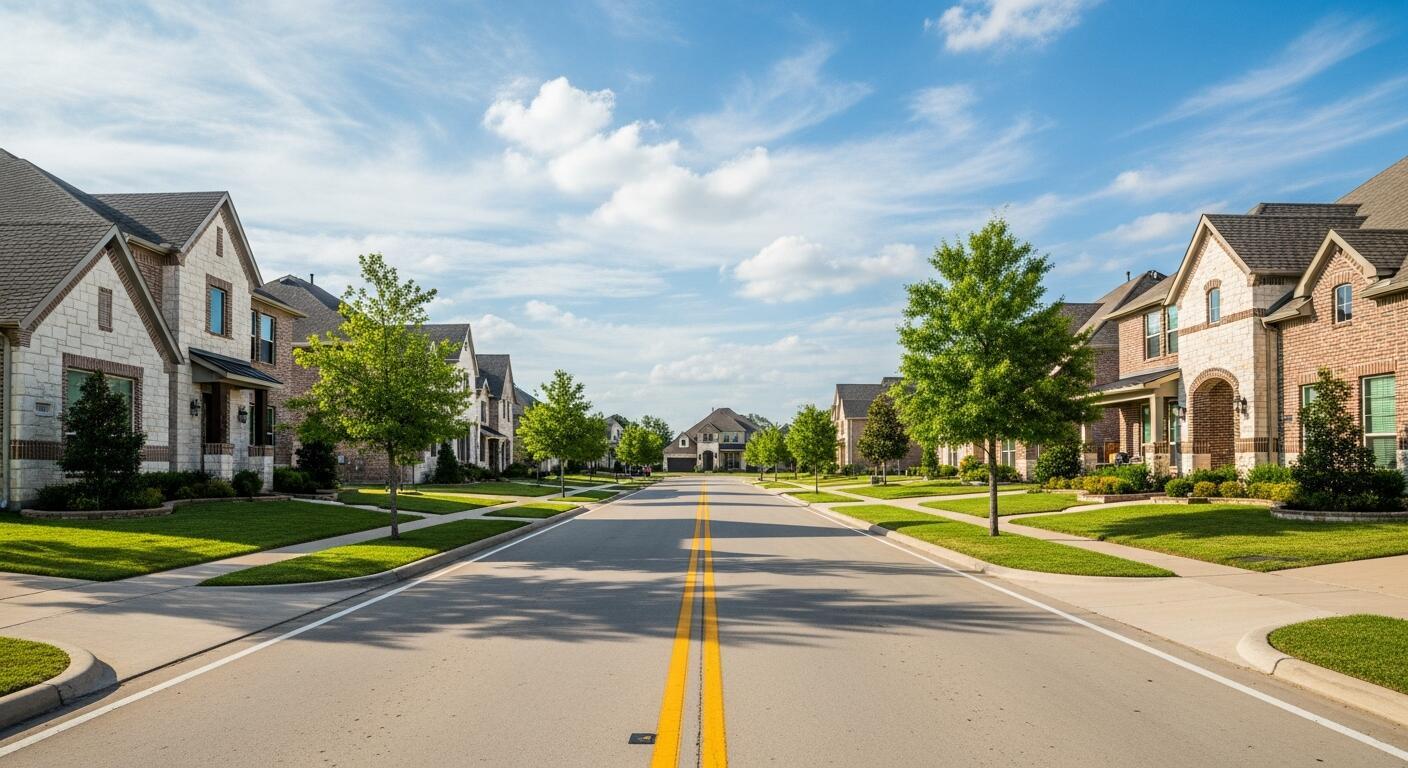
How Street Design Influences Everyday Living in Cypress Neighborhoods (2026 Guide)
When touring homes, buyers naturally pay attention to kitchens, living rooms, and backyards. Yet one feature that often has a lasting impact on daily life is something many people overlook during a showing—the neighborhood's street design.
The way a community is laid out influences traffic flow, walkability, privacy, outdoor recreation, and even how residents interact with one another. Throughout Cypress, neighborhoods developed during different periods often reflect different planning philosophies, giving buyers a wide range of living environments to choose from.
Understanding these differences can help you evaluate more than just the home itself.
Streets Shape First Impressions
Before anyone walks through the front door, they experience the neighborhood.
Features that contribute to first impressions include:
Landscaped entrances
Tree-lined streets
Curving roadways
Sidewalks
Community green spaces
Decorative lighting
These elements work together to create the overall atmosphere of a neighborhood.
Curving Streets Create a Different Feel
Many Cypress master-planned communities include gently curving residential streets rather than long, straight roadways.
This style of design often helps:
Reduce through traffic
Create visual interest
Slow vehicle speeds
Improve neighborhood aesthetics
While every community is unique, many buyers appreciate the quieter residential atmosphere this layout can create.
Cul-de-Sacs and Local Streets
Some neighborhoods include cul-de-sacs or shorter residential streets that primarily serve nearby homes.
Buyers often consider these locations because they may provide:
Less passing traffic
A quieter setting
Additional privacy
A neighborhood-oriented environment
The overall experience depends on the specific location, making it worthwhile to explore several streets before making a decision.
Sidewalks Encourage Outdoor Activity
Well-connected sidewalks contribute to everyday living by making it easier to spend time outside.
Residents often use neighborhood sidewalks for:
Morning walks
Jogging
Walking pets
Bike rides
Visiting nearby parks
When sidewalks connect with trails and green spaces, outdoor recreation becomes even more accessible.
Community Entrances Set the Tone
The entrance to a neighborhood often reflects its overall character.
Many Cypress communities feature:
Monument entrances
Landscaped medians
Decorative signage
Native plants
Seasonal flowers
Although these features are primarily aesthetic, they help establish a welcoming identity for the neighborhood.
Green Space Along the Streets
Many residential streets include landscaped areas that soften the appearance of the neighborhood.
Depending on the community, buyers may notice:
Shade trees
Native landscaping
Small pocket parks
Community lakes
Open greenbelts
These natural elements contribute to both beauty and outdoor enjoyment.
Evaluate Traffic During Your Visit
A neighborhood may feel different depending on the time of day.
If possible, visit:
Weekday mornings
Afternoon hours
Early evenings
Weekend afternoons
Observing activity during different periods provides a more complete understanding of the community.
Think About Daily Routines
Street design affects more than driving.
Consider how the neighborhood supports:
Walking to nearby parks
Bicycle rides
Outdoor exercise
Receiving visitors
Daily commuting
Weekend relaxation
Choosing a neighborhood that matches your lifestyle can improve long-term satisfaction.
Look Beyond the Property Line
When comparing homes, spend a few extra minutes exploring the surrounding streets.
Notice:
Landscaping quality
Sidewalk conditions
Street width
Nearby green space
Overall maintenance
These details become part of everyday life after you move in.
Final Thoughts
Street design plays an important role in how a neighborhood functions. Throughout Cypress, thoughtfully planned residential streets, landscaped entrances, sidewalks, and green spaces help create communities that are both attractive and practical for everyday living.
When searching for a home, evaluating the neighborhood as carefully as the property itself can help you find a place that supports your lifestyle for years to come.
Frequently Asked Questions
Why should buyers pay attention to street design?
Street design influences traffic flow, walkability, neighborhood appearance, and the overall residential experience.
Are all Cypress neighborhoods laid out the same way?
No. Communities were developed during different periods and often feature different street layouts, landscaping, and planning styles.
Do sidewalks increase walkability?
Yes. Sidewalks and connected pathways make it easier for residents to walk, exercise, and access nearby parks or amenities.
Should I visit a neighborhood at different times?
Absolutely. Visiting during different times of the day helps you observe traffic, activity levels, and the overall atmosphere.
Is neighborhood layout as important as the home?
For many buyers, yes. The surrounding environment influences daily routines and long-term enjoyment just as much as the home's interior.