The House Has Plenty of Space—So Why Is There Nowhere to Put Anything?
The house is 3,800 square feet.
Surely storage won't be a problem.
Then you move in.
The vacuum has nowhere to go.
Holiday decorations take over the garage.
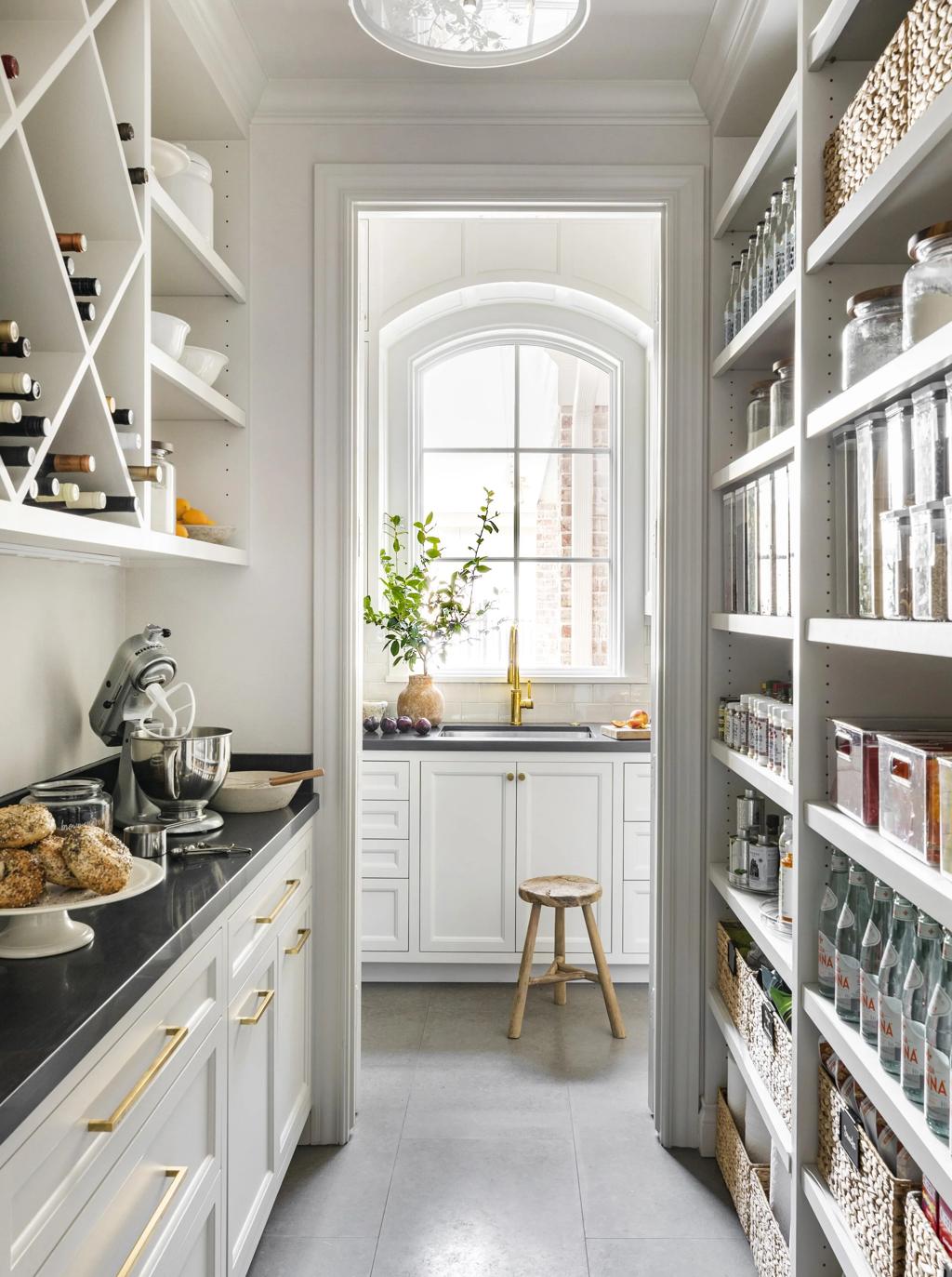
The pantry is full after one grocery trip.
Luggage ends up in a guest-room closet.
Sports equipment lives beside the cars.
And that beautiful oversized kitchen?
Half the cabinets are holding things that should probably live somewhere else.
That's when buyers discover an important truth:
Square footage and storage are not the same thing.
A large house can still be frustrating if everyday belongings don't have logical places to go.
So when you're touring homes in Cypress, don't simply count bedrooms.
Open the closets.
Start With What You're Bringing
Before evaluating storage, understand your own belongings.
Think about what currently needs a home:
Holiday decorations.
Luggage.
Tools.
Cleaning supplies.
Sports equipment.
Children's items.
Bulk groceries.
Small appliances.
Outdoor equipment.
Documents.
Linens.
Seasonal clothing.
Hobby supplies.
You don't need an exact inventory.
But if you're moving from a home where the garage is already overflowing, buying another house with limited storage probably won't solve the problem.
Bedroom Closets Aren't Household Storage
This is where buyers can get fooled.
Four bedrooms.
Four closets.
Great.
But those closets will likely be occupied by the people using the bedrooms.
Where does everything else go?
Look for storage outside sleeping spaces.
Linen closets.
Hall closets.
Utility-room cabinets.
Under-stair storage.
Pantry.
Garage shelving.
Built-ins.
Other dedicated areas.
A home with storage distributed throughout the floor plan often functions better than one with a few enormous bedroom closets.
The Entry Needs Somewhere for Real Life
You walk through the front door carrying:
Bag.
Keys.
Mail.
Shoes.
Maybe a backpack.
Where does it go?
If the answer is:
“On the kitchen counter.”
expect the kitchen counter to become permanent storage.
A drop zone doesn't need to be elaborate.
A small cabinet, mudroom area, closet, or built-in can prevent everyday clutter from spreading through the main living spaces.
Now Enter Through the Garage
This may be even more important because many homeowners use the garage entrance more often than the formal front door.
Imagine arriving with:
Groceries.
Work bags.
Children.
Sports equipment.
Packages.
Where does everything land?
The transition between garage and house can reveal a lot about how the floor plan handles daily life.
Pantry Size Is About More Than Square Footage
A large pantry can still be inefficient.
Look at:
Shelf depth.
Shelf spacing.
Corners.
Door swing.
Floor space.
Accessibility.
Whether items at the back will disappear forever.
Sometimes a smaller, intelligently designed pantry works better than a huge closet with poor shelving.
Think About How You Grocery Shop
Do you buy food for two days?
Or two weeks?
Do you shop in bulk?
Keep extra drinks?
Store countertop appliances when they're not being used?
Buy large packages?
Your shopping habits should influence how you evaluate the pantry.
The beautiful kitchen won't feel as functional if half your groceries live on the counter.
Kitchen Cabinets Count Too
Don't simply admire the cabinetry.
Open it where permitted during the showing.
Think about:
Pots.
Pans.
Dishes.
Glasses.
Small appliances.
Food storage containers.
Baking supplies.
Cleaning items.
Trash and recycling.
A visually large kitchen can still be surprisingly limited in practical cabinet storage.
The Primary Closet Gets All the Attention
Everyone loves a dramatic walk-in closet.
But don't let one fantastic closet distract you from the rest of the house.
Ask:
Where do towels go?
Extra bedding?
Cleaning supplies?
Guest linens?
Paper products?
Seasonal items?
Sometimes buyers get an enormous primary closet and almost no general household storage.
Measure Your Closet Reality
If you're moving from another home, you already have useful information.
How much closet space do you use now?
Is it full?
Half empty?
Overflowing?
If your current closet is twelve feet long and completely packed, a beautiful eight-foot closet probably isn't an upgrade.
Bring approximate measurements when storage is a priority.
The Laundry Room Can Solve More Than Laundry
A functional utility room may provide space for:
Cleaning supplies.
Extra household products.
Linens.
Pet supplies.
Small appliances.
Overflow pantry items.
Storage cabinets.
Counter space.
A laundry room with thoughtfully planned storage can quietly take pressure off the entire house.
Don't Forget the Vacuum Cleaner
This sounds almost ridiculous.
Until you own a house with nowhere to put it.
Ask where you'd store:
Vacuum.
Mop.
Broom.
Bucket.
Cleaning products.
Ironing equipment.
These aren't glamorous items.
But they're items you'll use constantly.
If there's no obvious location, they'll eventually occupy somewhere you wish they didn't.
Now Walk Into the Garage
Don't just say:
“Two-car garage. Perfect.”
Look carefully.
Where are the water heater or other equipment?
Are there steps?
Columns?
Storage cabinets?
Doors?
How much wall space remains?
Can two vehicles realistically park while still allowing room for the belongings you intend to store there?
A garage's stated capacity doesn't tell the whole story.
Cars Have Become Bigger Too
SUVs and trucks can consume substantial garage space.
If your vehicles are large, don't assume they'll fit comfortably simply because the listing describes a two- or three-car garage.
When appropriate, verify dimensions.
Think about:
Vehicle length.
Width.
Door opening.
Clearance.
Space needed to open doors.
Storage around the vehicles.
A technically fitting vehicle isn't necessarily a comfortably fitting vehicle.
The Third Garage Bay May Become Your Favorite Room
For households with:
Bikes.
Tools.
Sports equipment.
Lawn equipment.
Holiday decorations.
Golf equipment.
Outdoor gear.
A third garage bay may function as much more than vehicle parking.
But again, decide whether you're buying parking or storage.
If all three bays fill with belongings, you don't really have a three-car parking solution.
Attic Storage Requires More Investigation
Buyers sometimes see attic access and think:
“Great, more storage.”
Not necessarily.
Attic spaces differ.
Some may have limited flooring, access, clearance, temperature considerations, equipment, or other limitations.
Don't assume every attic is intended or suitable for storing heavy or temperature-sensitive belongings.
Understand the specific space and obtain appropriate guidance where necessary.
Texas Heat Changes the Attic Conversation
Even when an attic offers usable storage, think carefully about what belongs there.
Extreme temperatures can affect certain belongings.
Photos.
Electronics.
Candles.
Some decorations.
Sensitive materials.
The fact that something physically fits doesn't mean the environment is appropriate for it.
Where Will the Holiday Decorations Go?
This is one of my favorite buyer questions.
Because almost everyone has something seasonal.
Christmas decorations.
Halloween.
Outdoor lights.
Large wreaths.
Artificial trees.
Storage bins.
If you have a substantial collection, identify its future home before buying.
Otherwise, your first December in the new house may involve discovering half the garage is now Christmas.
Sports Equipment Multiplies Quickly
Families can accumulate:
Bicycles.
Balls.
Golf equipment.
Camping gear.
Fishing equipment.
Coolers.
Outdoor toys.
Team-sports bags.
Ask where those things will live without interfering with everyday movement.
A dedicated garage wall or storage area can make a surprising difference.
Pool Homes Need Pool Storage
If you're considering a Cypress home with a pool, remember that the pool brings belongings with it.
Floats.
Cleaning equipment.
Towels.
Outdoor toys.
Chemicals and maintenance supplies that require appropriate storage and handling.
Where does all of that go?
A gorgeous pool surrounded by clutter loses some of its charm quickly.
Outdoor Furniture Has an Off-Season Question Too
Cushions.
Umbrellas.
Decorations.
Serving pieces.
Outdoor accessories.
Storm preparation may occasionally require moving or securing items.
Think about where things can be stored when they're not outside.
Don't Assume You'll “Just Declutter”
This is a dangerous buyer promise.
Yes, moving is a good opportunity to reduce belongings.
But be realistic.
If you currently own:
Ten holiday bins.
Four bikes.
Two sets of golf clubs.
Camping equipment.
Tools.
Luggage.
You're probably not throwing all of it away because you bought a beautiful house.
Evaluate storage for the life you actually live.
Built-Ins Can Be More Valuable Than They Look
Built-in cabinetry can provide useful storage without consuming additional floor space.
Look at areas such as:
Family rooms.
Studies.
Game rooms.
Hallways.
Mudrooms.
Laundry rooms.
A few strategically placed cabinets can eliminate the need for several pieces of freestanding furniture.
Storage Affects How Big a House Feels
Here's the interesting part.
A 3,200-square-foot home with excellent storage can feel calm and spacious.
A 4,000-square-foot home with poor storage can feel cluttered.
Why?
Because belongings spill into living areas.
When everything has a place, you actually get to use the square footage you purchased.
Use the “Where Would This Go?” Test
During your next serious showing, mentally place ten things:
Vacuum
Holiday decorations
Luggage
Bikes
Bulk groceries
Cleaning supplies
Extra linens
Tools
Sports equipment
Packages and everyday bags
If you can quickly answer all ten, that's a good sign.
If every answer is:
“Probably the garage,”
look at the garage again.
Final Thoughts
When buying in Cypress, it's easy to be impressed by big numbers.
Four bedrooms.
Three-car garage.
Large kitchen.
3,800 square feet.
But those numbers don't tell you where everyday life goes.
The vacuum.
The luggage.
The bikes.
The Costco run.
The Christmas tree.
The soccer equipment.
The Amazon boxes.
The things nobody photographs for the listing.
Good storage doesn't make a house exciting during the first five minutes of a showing.
It makes the house easier to live in for the next five years.
So open the pantry.
Look inside the utility room.
Measure the garage.
Check the hall closets.
Think beyond the beautiful rooms.
Because sometimes the difference between:
“This house feels huge.”
and
“Why is this place always cluttered?”
isn't square footage at all.
It's whether the house gives everything you own somewhere sensible to go.
Frequently Asked Questions
Does a larger Cypress home automatically have more storage?
No. Square footage measures overall space, not how efficiently storage is distributed throughout the home.
Should I measure closets before buying?
If storage is important to you, comparing approximate dimensions with the storage you currently use can be helpful.
Does a three-car garage mean three vehicles will comfortably fit?
Not necessarily. Garage dimensions, vehicle size, equipment, stairs, doors, storage, and other features can affect usable parking space.
Can attic space be used for storage?
It depends on the specific attic, access, flooring, structure, temperature, and intended use. Buyers shouldn't assume all attic areas are appropriate for storage.
What storage areas should buyers pay the most attention to?
Consider the pantry, garage, utility room, linen storage, entry/drop zone, bedroom closets, kitchen cabinetry, and storage for hobbies or outdoor equipment.
What's the biggest takeaway?
Don't evaluate a Cypress home's size using square footage alone. Ask whether the property has enough practical storage in the places where your household will actually need it.