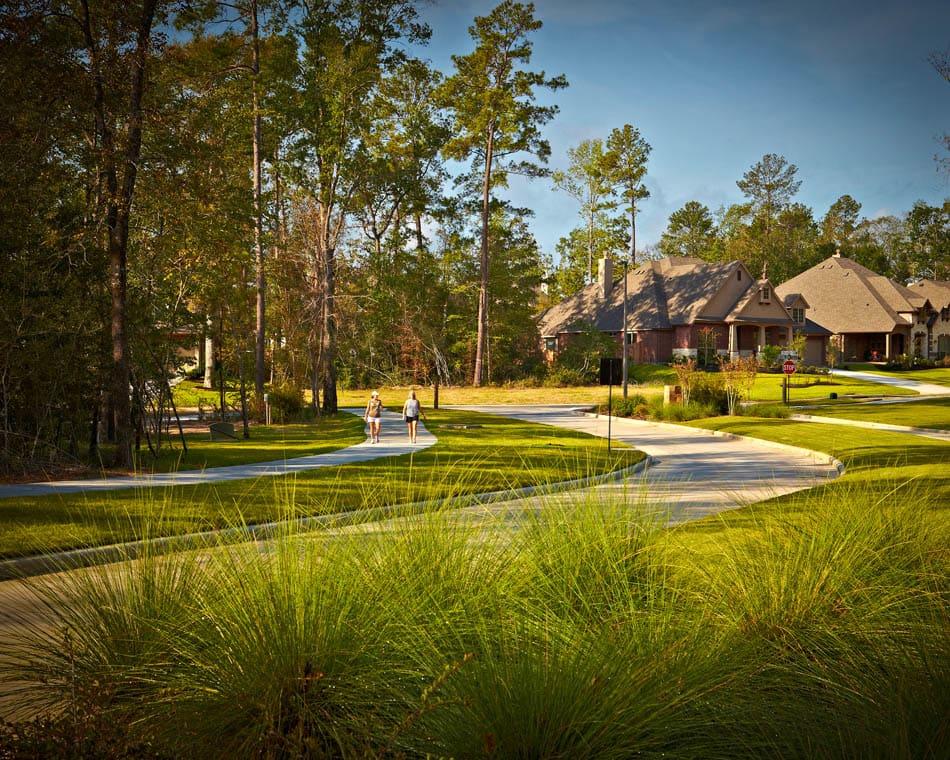
The Amenities Look Great. But Will You Actually Use Them?
Are Woodforest Amenities Worth Paying for If You Barely Use Them?
The community looks incredible.
Trails.
Parks.
Pools.
Golf.
Landscaping.
Dining.
Community spaces.
You drive through Woodforest and immediately understand the appeal.
Then you start house shopping.
And something interesting happens.
You begin emotionally assigning value to every amenity in the community.
Even the ones you may never use.
That’s where buyers should slow down.
The question isn’t only:
“What amenities does Woodforest offer?”
It’s:
“Which parts of the Woodforest lifestyle would actually become part of our life?”
Because amenities only create real personal value when they become routine.
Start With Your Current Habits
The easiest way to predict amenity use is to look at what you already do.
Do you walk?
Run?
Bike?
Golf?
Use community pools?
Spend time at parks?
Attend events?
Eat locally?
If you don’t do these things now, don’t automatically assume a move will transform your habits overnight.
It might.
But buy based on realistic behavior, not idealized behavior.
Trails Can Be Extremely Valuable to the Right Buyer
If walking or biking is already part of your lifestyle, trail access can be a major advantage.
But convenience matters.
Ask:
How close is the nearest useful access point?
Can you leave directly from home?
Do you need to drive first?
Does the route feel pleasant?
Will you actually use it during the times you normally exercise?
The phrase “miles of trails” sounds impressive.
Your actual relationship to the trail system matters more.
Parks Matter Differently Depending on Your Household
A family with younger children may use parks constantly.
A household without children may still value them for walking, open space, or simply neighborhood character.
But if you rarely use parks, proximity may not deserve much weight in your home choice.
Again, use matters.
Community Pools Can Be Either Essential or Irrelevant
Some buyers love a community pool.
They want to:
Swim.
Meet neighbors.
Take children regularly.
Use it all summer.
Others plan to buy a home with a private pool.
Now the community pool may matter far less.
Before assigning value, ask:
Would we realistically use this?
If the answer is no, don’t let it become a major reason to stretch your budget.
Private Pool vs. Community Pool Is a Real Lifestyle Choice
A private pool gives you:
Immediate access.
Privacy.
No travel.
No shared schedule.
But it also gives you:
Maintenance.
Operating costs.
Repairs.
Equipment.
A community pool shifts some of those responsibilities away from your property.
The better choice depends on your lifestyle.
Golf Can Be Central—or Background
Woodforest has a golf identity that may appeal strongly to some buyers.
If golf is part of your weekly routine, that can influence:
Home location.
Lot type.
Convenience.
Lifestyle value.
If you don’t golf, that doesn’t mean Woodforest loses appeal.
The golf environment may still contribute to green space, views, and community character.
But don’t pay emotionally for a feature you won’t use.
Golf-Course Homes Need Separate Evaluation
A golf-course lot may provide:
Open views.
Visual depth.
Green space.
A distinctive setting.
But it can also create:
Different privacy.
More activity.
Maintenance activity nearby.
Potential stray-ball concerns depending on location.
If the course is a major reason you’re considering the property, evaluate the specific lot carefully.
Dining and Retail Matter More When You Use Them Often
Buyers love the idea of having nearby places to eat or shop.
But ask how often you really go out.
If you dine out several nights a week, local convenience may add meaningful value.
If you cook most meals and rarely eat out, the same feature may matter less.
Everyday convenience should reflect your routine.
Proximity Is More Important Than Community-Wide Availability
An amenity can exist in Woodforest and still feel inconvenient from a particular address.
This is why buyers should not evaluate only the master-planned community as a whole.
Evaluate the home’s relationship to:
Trails.
Parks.
Pools.
Golf.
Dining.
Shopping.
Community entrances.
Your exact location within Woodforest can change how easily you use everything.
Test the Amenity From the House
If you’re serious about a property, try this.
Leave from the house.
Walk or drive to the amenity you care most about.
How long does it take?
How does the route feel?
Would you actually do this regularly?
This is a much better test than looking at a community map.
Your Commute Can Compete With the Amenities
A buyer may love the Woodforest lifestyle.
But if the home creates a difficult daily commute, that may reduce how much time and energy remain for the amenities anyway.
Think about your whole week.
If you spend hours commuting, how likely are you to:
Walk the trails?
Use the pool?
Golf after work?
Go out to dinner locally?
Location and lifestyle need to work together.
Remote Workers May Get More Value From the Community
A remote worker may use community amenities in completely different ways.
Morning walk.
Lunch break outside.
Afternoon coffee.
Flexible weekday recreation.
For someone home most days, the surrounding environment can become part of the workweek.
That may make community amenities more valuable.
Weekend Buyers Think About It Differently
If Woodforest is part of a relocation or lifestyle upgrade, weekends may become the main time you use community features.
Ask:
What would Saturday actually look like here?
Trails?
Golf?
Pool?
Parks?
Dining?
If you can easily picture your weekends changing in a positive way, the lifestyle may carry real value.
Don’t Count Amenities Like Features on a Spreadsheet
Ten amenities do not automatically equal more value than three.
The useful question is:
Which three would we use most?
If you can identify them immediately, great.
If you cannot, the amenity list may be more impressive than personally important.
Community Events Can Matter More Than Buyers Expect
For some households, community events create:
Connection.
Routine.
Social opportunities.
A stronger sense of belonging.
For others, they matter very little.
If community engagement is important to you, investigate what types of activities are typically offered and how residents participate.
Again, fit matters.
Don’t Buy a Lifestyle You Don’t Actually Want
This happens in master-planned communities.
The marketing is compelling.
Active.
Social.
Connected.
Outdoorsy.
Then you realize your ideal weekend is:
Home.
Quiet.
Private backyard.
No schedule.
That’s fine.
Woodforest may still fit beautifully.
But perhaps you should prioritize:
Lot.
Privacy.
Home features.
Outdoor living.
over proximity to every community amenity.
The Right Amenity Can Reduce What You Need at Home
Suppose you use a community pool constantly.
Maybe you don’t need a private pool.
If you use nearby parks and trails, perhaps a slightly smaller backyard works.
If you golf regularly, maybe another type of recreation space becomes less important.
Community features can reduce what you need to buy privately.
That can change your home search.
The Reverse Is Also True
Suppose your home already has:
Pool.
Large yard.
Outdoor kitchen.
Home gym.
Game room.
Now some community amenities may feel redundant.
That doesn’t make them useless.
But it may reduce their personal value.
HOA Costs Should Be Viewed Through Use
If there are association costs tied to the community, buyers should understand what they’re paying and what the association provides.
The same fee can feel very different to two households.
Buyer A uses:
Pool.
Trails.
Parks.
Events.
Constantly.
Buyer B uses none of them.
Same cost.
Different perceived value.
Verify the Actual HOA Structure
Review property-specific and community-specific information.
Understand:
Current assessment.
Payment schedule.
What is maintained.
Rules.
Restrictions.
Any additional charges.
Don’t rely solely on old listing data or general statements.
Community Rules Have Lifestyle Value Too
Not all amenity value is physical.
Some buyers appreciate:
Architectural standards.
Property appearance requirements.
Community consistency.
Others prefer more freedom.
Review applicable rules and decide whether the structure supports the way you want to own your property.
Rules Matter Most When You Have Future Plans
You may already be imagining:
Pool.
Patio extension.
Outdoor kitchen.
Fence changes.
Shed.
Landscaping.
Before assuming those changes are possible, investigate:
HOA rules.
Architectural approvals.
Easements.
Utilities.
Setbacks.
Permitting.
Property-specific feasibility.
The home should support the lifestyle you plan to create.
Don’t Let a Beautiful Amenity Distract You From the Wrong House
You love the community.
Great.
But the house still needs to work.
Don’t compromise excessively on:
Floor plan.
Storage.
Garage.
Lot.
Condition.
Monthly budget.
just because the amenities are impressive.
You live inside the home far more often than you stand beside a community feature.
And Don’t Reject a Great House Because It’s Slightly Farther From an Amenity
If you only use the pool once a month, being five minutes farther away may not matter.
Prioritize based on frequency.
The more often you use something, the more valuable proximity becomes.
Use the “Weekly Use” Test
For every amenity you care about, ask:
Would we use this at least weekly during the season when it matters?
If yes, give it more weight.
If no, treat it as a bonus.
This helps prevent buyers from overpaying emotionally for features they rarely use.
Use the “Would We Pay Separately?” Test
Ask:
If this amenity were not part of the community, would we pay separately for access to something similar?
Golf?
Yes.
Pool?
Maybe.
Trails?
Definitely.
Clubhouse?
Probably not.
This reveals which amenities have real financial and lifestyle value to you.
Use the “Saturday Morning” Test
Imagine the home six months after closing.
Saturday morning.
No showing.
No sales brochure.
What do you actually do?
If the answer naturally includes:
Trails.
Golf.
Pool.
Park.
Dining.
Then those amenities likely matter.
If you stay home most weekends, focus more heavily on the home itself.
Use the “Tuesday Evening” Test
Now imagine Tuesday at 6:30 p.m.
Would you realistically use the amenity then?
A quick trail walk?
Dinner nearby?
Golf?
Pool?
The amenities that fit weekday life may provide even more value than those reserved for special weekends.
Don’t Forget Travel Time Within the Community
Large master-planned communities can involve more internal driving than buyers initially expect.
A home may be in Woodforest but still sit farther from the specific amenity you want than another home.
Always compare the actual address.
Location Within Woodforest Can Matter More Than Amenity Count
For one buyer, being close to an entrance matters most.
For another, being near trails.
Another wants golf.
Another wants privacy and does not care about proximity to anything else.
The right section is the one that supports your priorities.
Resale Should Not Be the Only Reason You Value Amenities
Some amenities may appeal to future buyers.
But there is no guarantee that one feature will produce a certain resale premium later.
Future marketability depends on:
Property condition.
Pricing.
Inventory.
Buyer preferences.
Location.
Lot.
Market conditions.
Buy for the lifestyle you want now while keeping broad marketability in mind.
Community Lifestyle Should Fit the Budget
This is where everything comes together.
House.
Taxes.
Insurance.
HOA.
Commute.
Maintenance.
Amenities.
If the community lifestyle requires you to stretch so far financially that you stop using the features you moved there to enjoy, the balance may be off.
You want enough budget left to actually live the lifestyle you’re buying.
Create an Amenity Value Scorecard
For your serious Woodforest contenders, rate only the features that matter to you.
Trails
Will you use them regularly?
Parks
Will your household realistically visit them?
Pool
Do you prefer community access or private ownership?
Golf
Is it part of your actual routine?
Dining and Retail
How often will you use nearby options?
Community Events
Does social connection matter to you?
Proximity
How easy is it to reach the features you value most?
HOA Value
Do the community costs feel reasonable for what you will actually use?
House Fit
Does the home itself still meet your core needs?
Now compare.
The most amenity-rich location may not score highest.
Final Thoughts
Woodforest can offer buyers much more than a house.
Trails.
Parks.
Golf.
Pools.
Community spaces.
Dining.
Landscaping.
A master-planned environment.
But the best lifestyle is not the one with the longest feature list.
It is the one you actually use.
So when comparing Woodforest homes, don’t ask only:
“What does this community offer?”
Ask:
“Which of these things would genuinely become part of our weekly life?”
That answer helps you decide:
Which location matters.
Which amenities deserve value.
Which house features you still need privately.
And how much you are comfortable paying for the complete package.
Because the right Woodforest home should not merely sit inside an impressive community.
It should connect you to the parts of that community that actually make your life better.
Frequently Asked Questions
Are Woodforest amenities important when choosing a home?
They can be, but their value depends on how often your household will use them and how convenient they are from the specific property.
Should I pay more to live closer to trails or parks?
That depends on how regularly you expect to use them. Frequent use may make proximity more valuable, while occasional use may not justify a significant premium.
Is a community pool enough if I want a pool lifestyle?
For some buyers, yes. Others strongly prefer the convenience and privacy of a pool at home. Consider maintenance preferences, cost, and expected use.
Do I need to golf to benefit from living in Woodforest?
No. The broader community may appeal for many reasons beyond golf, including trails, parks, landscaping, home styles, and residential setting.
Should HOA costs affect how I evaluate amenities?
Yes. Understand the current property-specific association costs and what they support, then decide whether the structure provides value for your household.
Is it better to buy closer to amenities or closer to a community entrance?
That depends on your priorities. Buyers who commute frequently may value quicker access out of the community, while others may prioritize trails, parks, golf, or recreation.
What’s the biggest takeaway?
Don’t assign equal value to every Woodforest amenity. Focus on the features you will actually use regularly, then choose a home and location that make those parts of the community easy to enjoy.