Flood Zones and Flood Insurance in Spring TX: What Every Home Buyer Should Know
Flooding is one of the most important topics buyers should understand before purchasing a home anywhere in the Greater Houston area, including Spring.
Many first-time buyers assume that if a home has never flooded, it will never flood in the future. Others believe that if a property is outside a mapped flood zone, there is no flood risk at all.
Neither assumption is necessarily accurate.
Flood risk is influenced by many factors, including rainfall intensity, drainage systems, nearby waterways, land development, elevation, and changing weather patterns. Understanding these factors before purchasing can help buyers make informed decisions and avoid unexpected surprises after moving in.
Understanding Flood Zones
A flood zone is an area identified on flood maps based on the estimated likelihood of flooding under certain conditions.
These maps are used by lenders, insurance providers, engineers, local governments, and property owners for planning and risk assessment.
Flood zones are not predictions that a property will or will not flood.
Instead, they help estimate relative flood risk based on available engineering and mapping information.
Spring Includes Many Different Types of Properties
Spring is a large and diverse area with neighborhoods developed over many decades.
Some homes are located near:
Creeks
Tributaries
Detention ponds
Greenbelts
Natural drainage corridors
Other neighborhoods may be farther from major waterways while still relying on engineered drainage systems.
Because every neighborhood is different, buyers should research each individual property rather than making assumptions based on the community as a whole.
Flood Zones Are Only One Part of the Picture
One of the biggest misconceptions is that flood zone maps tell the entire story.
In reality, buyers should also consider:
Property elevation
Drainage design
Nearby creeks
Stormwater infrastructure
Street drainage
Local topography
Historical rainfall events
Flood maps provide valuable information, but they are only one part of a comprehensive evaluation.
Does Being Outside a Flood Zone Mean There Is No Risk?
No.
Properties located outside areas identified as having higher flood risk can still experience flooding under certain circumstances.
Heavy rainfall, overwhelmed drainage systems, localized ponding, blocked storm drains, and other conditions may affect areas that are not designated as higher-risk flood zones.
This is why many homeowners choose to understand their property's overall flood exposure rather than relying solely on map designations.
What Is Flood Insurance?
Flood insurance is a separate insurance policy designed to help cover certain losses caused by flooding.
A standard homeowners insurance policy typically does not provide flood coverage.
Because coverage varies depending on the policy, buyers should review details directly with their insurance professional.
When Is Flood Insurance Required?
Whether flood insurance is required often depends on factors such as:
Lender requirements
Flood zone designation
Loan type
Federal regulations
Even when flood insurance is not required, some homeowners choose to purchase it voluntarily after evaluating their personal comfort level and financial situation.
Questions Every Buyer Should Ask
When considering a home in Spring, ask questions such as:
Has the property ever experienced flooding?
Is flood insurance currently maintained?
Is the property located within a mapped flood zone?
Have drainage improvements been completed nearby?
Are there retention ponds serving the neighborhood?
Does water collect in the backyard after heavy rain?
Are there nearby creeks or bayous?
These conversations can provide valuable context in addition to inspections and public records.
Research Before You Buy
Buyers should take advantage of available resources during the purchase process.
These may include:
Flood zone maps
Seller disclosures
Property inspections
Survey documents
Insurance quotes
Local government information
Each source provides a different piece of the overall picture.
Understanding Drainage Systems
Modern neighborhoods often include drainage infrastructure designed to manage stormwater.
Examples include:
Storm drains
Detention ponds
Retention ponds
Drainage channels
Underground storm sewer systems
Roadside ditches in some areas
These systems help move water during significant rainfall events but should still be evaluated as part of understanding the property.
Retention Ponds Are Common
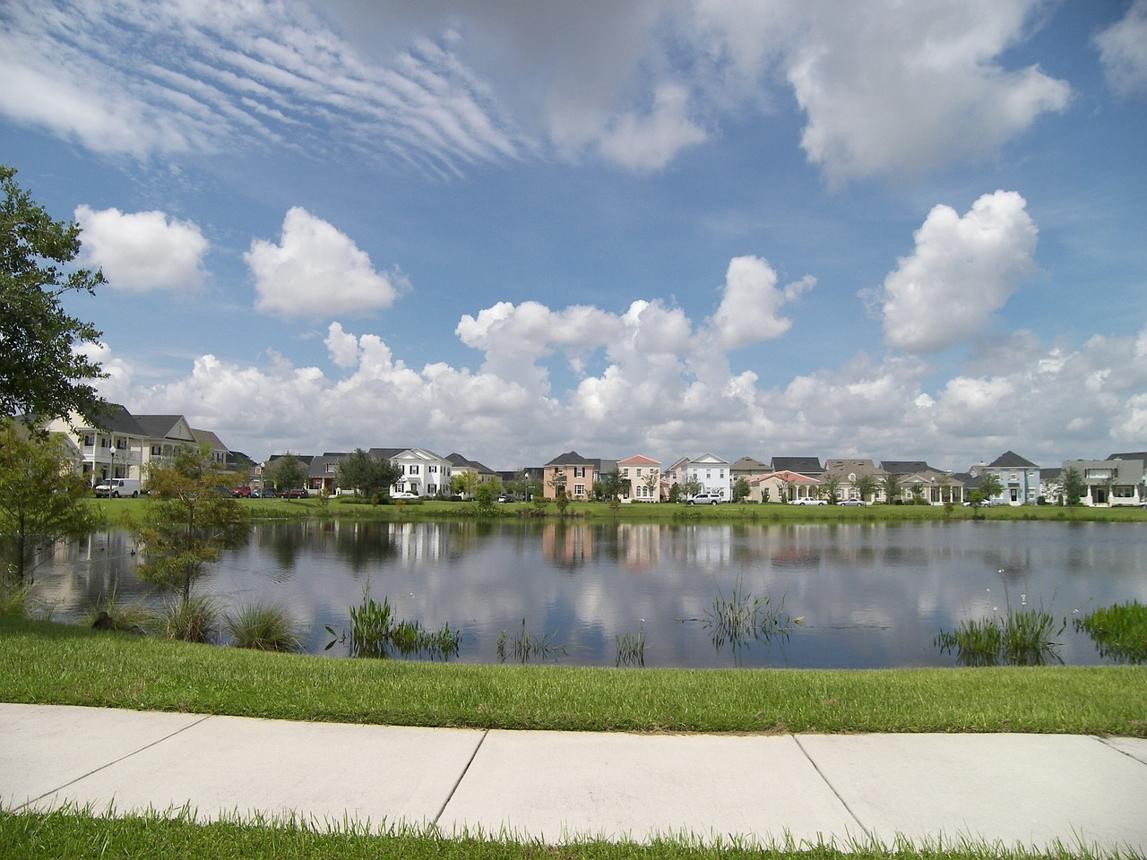
Many neighborhoods in Spring include retention or detention ponds.
Although buyers sometimes mistake these for decorative lakes, they often serve important stormwater management functions.
Depending on the community, these ponds may temporarily hold runoff during heavy rainfall before water is gradually released through the drainage system.
Evaluate the Property Itself
Flood risk is not determined solely by the neighborhood.
Buyers should observe the individual lot, including:
Yard slope
Elevation relative to nearby homes
Drainage patterns
Standing water after rain
Foundation grading
Gutter discharge
Landscaping that may affect drainage
Even neighboring homes can experience different drainage conditions.
Visit the Neighborhood More Than Once
If possible, visit the property:
During dry weather
After rainfall
On weekdays
On weekends
Multiple visits may help buyers better understand traffic, drainage, surrounding conditions, and neighborhood activity.
Ask About Past Repairs
If the home has experienced water intrusion or drainage work, buyers may wish to ask about:
Foundation repairs
Drainage improvements
French drains
Regrading
Gutter systems
Water mitigation work
Understanding previous improvements may provide additional information about how the property has been maintained.
Flood Insurance Costs Vary
Flood insurance premiums differ depending on many factors, including:
Property characteristics
Flood risk
Coverage selected
Insurance provider
Current rating methods
For this reason, buyers should request an insurance quote during the home-buying process rather than relying on estimates from another property.
Don't Confuse Flood Zones with Drainage Quality
A home may have excellent drainage while still being located within a mapped flood zone.
Likewise, a property outside a higher-risk flood zone could still experience localized drainage challenges.
Both should be evaluated separately.
Why Local Knowledge Matters
A real estate professional familiar with Spring can often help buyers understand:
Neighborhood development history
General drainage characteristics
Community infrastructure
Nearby waterways
Questions worth investigating
However, buyers should also rely on licensed inspectors, surveyors, engineers, insurance professionals, and official mapping resources when making purchasing decisions.
Common Buyer Mistakes
Some of the most common mistakes include:
Assuming "not in a flood zone" means "no flood risk"
Failing to obtain an insurance quote
Not reviewing seller disclosures
Ignoring drainage around the home
Skipping questions about previous flooding
Overlooking nearby creeks or detention ponds
Taking time to investigate these issues before closing can reduce uncertainty later.
Final Thoughts
Flood risk is an important part of buying a home in Spring, but it should be evaluated thoughtfully rather than emotionally.
Flood maps, drainage systems, insurance options, property history, inspections, and professional guidance all contribute to understanding a property's overall risk.
Rather than relying on one source of information, buyers should gather multiple pieces of information to make an informed decision that aligns with their comfort level and long-term goals.
Being informed is one of the best ways to purchase with confidence.
Frequently Asked Questions
Does being outside a flood zone mean my home cannot flood?
No. Flood zones indicate relative flood risk based on mapping and engineering information. Flooding can still occur under certain conditions outside mapped higher-risk areas.
Does homeowners insurance cover flooding?
Standard homeowners insurance policies generally do not cover flood damage. Flood insurance is typically a separate policy.
Is flood insurance always required?
Not always. Requirements often depend on lender requirements, flood zone designation, and the type of financing being used.
Should I ask whether a home has flooded before?
Yes. Buyers should review seller disclosures and ask appropriate questions about previous flooding, drainage issues, and repairs.
What should I look for when visiting a property?
Pay attention to grading, drainage, nearby waterways, retention ponds, standing water, and the property's overall elevation relative to surrounding homes.
Where can I verify flood zone information?
Flood zone information can be researched through official mapping resources, your lender, insurance provider, and local government agencies.