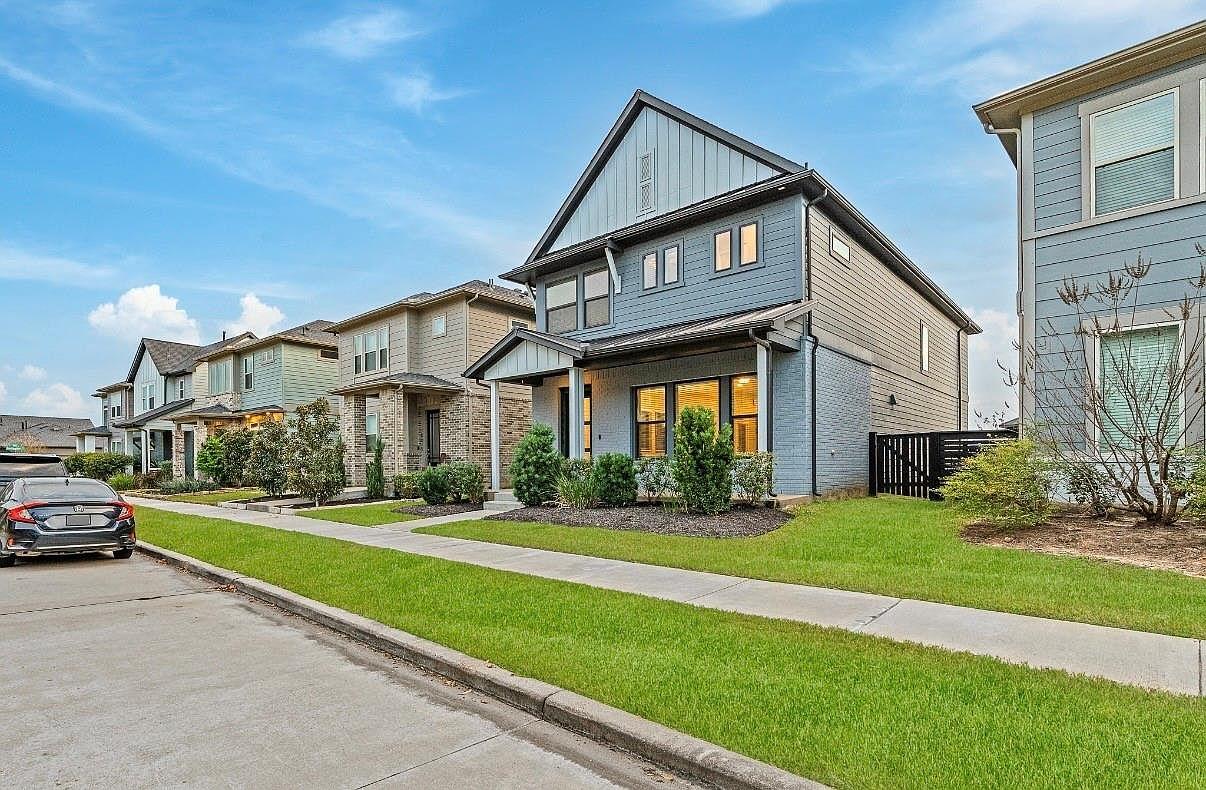
Buyers Aren’t Just Buying the House. They’re Buying the Rules Too.
How Can HOA Rules Affect the Sale of Your Cypress Home?
The buyer loves the house.
Great kitchen.
Perfect office.
Pool.
Three-car garage.
Exactly the location they wanted.
Then they start asking questions.
Can we park our work vehicle in the driveway?
Can we install a different fence?
Can we rent the house later?
Can we add solar?
Can we build an outdoor kitchen?
Can we park a boat at home?
Can we paint the exterior a different color?
Can we add a detached structure?
How much are the HOA fees?
Are there additional assessments?
Suddenly, the conversation is no longer only about the house.
It is about the rules surrounding the house.
That matters in Cypress because many buyers are shopping in master-planned and deed-restricted communities where association rules may affect how they use the property after closing.
For sellers, the goal is not to convince buyers that every rule is wonderful.
It is to make sure they receive accurate information early enough to decide whether the community fits their plans.
Buyers Are Purchasing More Than Four Walls
When a buyer purchases in an HOA community, they may also become subject to:
Association assessments.
Architectural guidelines.
Use restrictions.
Parking rules.
Rental provisions.
Exterior standards.
Amenity rules.
Other governing documents.
Those obligations can materially affect how the buyer experiences ownership.
Sellers Should Not Guess at HOA Rules
This is the biggest rule.
Buyer asks:
“Can we build a shed?”
Seller says:
“Sure. My neighbor has one.”
That is not enough.
Maybe:
Neighbor received approval.
Structure predates current rules.
Different section has different restrictions.
Buyer’s proposed structure would not qualify.
Use actual governing documents and association information.
What the Neighbor Did Does Not Automatically Establish What Is Allowed
This comes up constantly.
The house down the street has:
Boat.
Different fence.
Large shed.
Solar panels.
RV.
That does not prove your buyer can do the same.
Association rules may depend on:
Approval.
Location.
Screening.
Size.
Timing.
Specific property characteristics.
Direct buyers to authoritative information.
Get the Current HOA Information Before Listing
Do not wait until contract.
Know:
Association name.
Current regular assessment.
Payment frequency.
Management company.
Available governing documents.
Current transfer-related process where applicable.
Known special assessments.
Community contact information.
This allows buyer questions to be answered efficiently.
Verify the Assessment Amount
Seller says:
“I think it’s around $1,100.”
That is not good enough for marketing.
Use current documentation.
An annual assessment may change.
There may also be:
Sub-association fees.
Special assessments.
Other community charges.
Accuracy matters.
Some Properties Can Have More Than One Association
Depending on the community structure, a property might be subject to:
Master association.
Neighborhood or sub-association.
Condominium association.
Other community organization.
Do not assume the one bill you remember is the entire picture.
Special Assessments Can Influence Buyer Decisions
If a known assessment exists or has been approved, it may affect:
Buyer cash needs.
Seller negotiations.
Disclosure requirements.
Closing.
Find out early.
Do not allow the buyer to learn about it unexpectedly from association documents late in the transaction.
Amenity Fees Need Clarity Too
A community may include access to:
Pools.
Clubhouse.
Fitness center.
Trails.
Lakes.
Sports facilities.
Some may be included in the regular assessment.
Others may require:
Separate membership.
Reservation.
User fees.
Do not say:
“HOA includes everything.”
unless verified.
Buyers Often Ask What the HOA Fee Actually Pays For
Be ready with factual information.
It may support:
Common-area maintenance.
Community landscaping.
Amenity operations.
Private-gate operations where applicable.
Administrative expenses.
The association’s official documents are the best source.
Avoid Calling HOA Fees “Low”
Low is subjective.
A $1,500 annual fee may feel:
Reasonable to one buyer.
High to another.
Better:
“Current annual assessment is $___, subject to verification and future change.”
Facts are stronger.
Deed Restrictions Can Matter More Than the Fee
A buyer may be completely comfortable with the annual assessment.
Then discover a rule that affects something important.
Work truck.
Boat.
Fence.
Rental.
Exterior modification.
That can become the deal-breaker.
This is why serious buyers should review restrictions promptly.
Parking Rules Are a Common Question
Buyers may ask about:
Street parking.
Overnight parking.
Commercial vehicles.
Trailers.
RVs.
Boats.
Oversized vehicles.
Do not rely on what currently happens in the neighborhood.
Current enforcement and written rules matter.
Commercial Vehicle Rules Can Affect Certain Buyers Significantly
A buyer may drive:
Work van.
Utility truck.
Branded company vehicle.
They need to understand any restrictions before purchasing.
Do not tell them:
“Nobody cares.”
Even if enforcement appears relaxed today.
Rules and enforcement can change.
Boats and RVs Need Specific Verification
A Cypress home may have:
Large driveway.
Wide side yard.
Three-car garage.
Physically, a boat or RV may fit.
That does not mean storage is permitted.
Check:
Governing documents.
Architectural rules.
Local requirements.
Do not market:
“Boat parking!”
unless you can support it.
Garage Use Can Also Be Restricted
Some communities may regulate:
Garage conversions.
Doors.
Exterior appearance.
Parking usage.
If a buyer wants to convert garage space into living area, they should investigate before relying on that possibility.
Fence Rules Can Affect Privacy Plans
A buyer loves the home but wants:
Eight-foot fence.
Different material.
Additional screening.
Gate modification.
Community standards may regulate:
Height.
Materials.
Location.
Color.
Approval process.
Do not promise the change is possible.
Existing Fence Does Not Guarantee Replacement in the Same Form
Rules may have changed.
The current fence may be grandfathered.
Replacement could require compliance with current standards.
Buyers planning major fence work should verify before closing.
Exterior Paint Is Often Controlled
A buyer may plan:
White brick.
Dark trim.
Different front door.
Community guidelines may require architectural approval.
This is common in deed-restricted neighborhoods.
Market the home as it exists.
Do not promise a future exterior redesign.
Roof Materials May Be Regulated Too
A future roof replacement may need to meet association standards relating to:
Material.
Color.
Appearance.
Again, buyers should review current requirements.
Solar Can Be an HOA Question
Even where laws limit an association’s ability to prohibit certain solar installations, placement and design rules may still be relevant depending on applicable law and circumstances.
Do not tell buyers:
“The HOA can’t say anything about solar.”
That is too broad.
They should verify current:
Law.
Association guidelines.
Approval procedures.
Pools Can Require Architectural Approval
Buyer sees a large backyard and says:
“Perfect. We’ll add a pool.”
Maybe.
But future construction can depend on:
Setbacks.
Easements.
Association approval.
Drainage.
Permits.
Utilities.
Lot configuration.
Do not market a yard as definitively “pool-ready” without adequate support.
Existing Pools Can Have Rules Too
Pool equipment placement.
Fencing.
Screening.
Construction changes.
Outdoor structures.
May be governed.
If the buyer wants to significantly modify an existing pool environment, they should verify requirements.
Outdoor Kitchens Can Need Approval
Especially if construction involves:
Permanent structure.
Roof.
Gas.
Electrical.
Setbacks.
Exterior design.
Sellers should avoid casually promising:
“You can build anything back there.”
Pergolas and Patio Covers May Be Regulated
A small patio cover can become a larger project once:
HOA approval.
Building permit.
Structural engineering.
Drainage.
are considered.
The seller does not need to discourage the buyer.
Just avoid promising future approval.
Sheds Are Often a Bigger Issue Than Buyers Expect
Some associations:
Prohibit them.
Restrict size.
Require screening.
Require architectural matching.
Permit only certain locations.
If the buyer needs storage, the existing garage and home storage may matter more than the possibility of adding a shed.
Detached Structures Need Extra Care
Guest house.
Workshop.
Casita.
Detached office.
These may sound attractive on a large lot.
But approval can depend on:
Deed restrictions.
Setbacks.
Utilities.
Municipal requirements.
Community standards.
Do not advertise construction potential casually.
Rental Restrictions Can Be Extremely Important
A buyer may plan to live in the home now and rent it later.
Or purchase as an investment.
They may need to understand rules regarding:
Long-term rentals.
Minimum lease terms.
Tenant registration.
Lease caps.
Short-term rentals.
Association approval.
These can vary significantly.
Never Advertise “Great Airbnb” Without Verification
This can create serious problems.
Short-term rental use may be affected by:
HOA restrictions.
Deed restrictions.
Local ordinances.
Taxes.
Insurance.
Financing.
Buyers should independently verify all requirements.
“Rentals Allowed” Can Still Be Too Vague
What kind?
Long-term?
Minimum six months?
Twelve months?
Short-term?
Is there a cap?
Registration requirement?
Use the actual rule.
Rental Rules Can Change
An association may amend governing documents according to applicable procedures.
That means current rules are not necessarily permanent forever.
Avoid promising buyers:
“You will always be able to rent this property.”
Use current information only.
Pet Rules May Matter Too
Some communities or property types may regulate:
Number.
Type.
Size.
Leash rules.
Common areas.
Traditional single-family HOA communities may have fewer pet restrictions than condominiums, but buyers should still review applicable documents.
Do not assume.
Business Use Can Be Restricted
Remote work is generally different from operating a business that creates:
Customer traffic.
Signs.
Deliveries.
Employees.
Storage.
A buyer wanting to run a business from home should review restrictions.
The seller should not give legal interpretations.
Signs Can Be Controlled
Political signs.
For-sale signs.
Contractor signs.
Business signs.
Community rules may regulate them subject to applicable law.
This usually will not determine the purchase, but it illustrates how association ownership includes more than amenity access.
Architectural Approval Can Take Time
Buyer plans to move in and immediately:
Paint.
Fence.
Build patio.
Add pool.
They may need approval first.
The seller can help by making current architectural guidelines accessible.
Do not promise an approval timeline unless provided by the association.
Existing Improvements Should Have Documentation Where Possible
If you added:
Pool.
Patio.
Pergola.
Outdoor kitchen.
Fence.
Exterior modification.
and received HOA approval, keep records.
That may reduce buyer uncertainty.
Do Not Assume Old Approval Paperwork Is Unnecessary
A buyer may ask:
Was this pool approved?
Was the patio cover approved?
Having documentation can provide confidence.
If you do not have it, investigate where practical.
Unapproved Improvements Can Create Transaction Problems
Potential issues can include:
Association violations.
Required modifications.
Buyer concern.
Title or closing questions depending on circumstances.
If you know of an unresolved violation, address it with the appropriate professionals rather than hoping nobody notices.
HOA Violations Should Be Taken Seriously Before Listing
Common examples may include:
Fence.
Exterior maintenance.
Landscaping.
Parking.
Architectural modification.
If you have an existing notice, understand:
What is required.
Deadline.
Fine.
Resolution process.
A buyer does not want to inherit a surprise dispute.
Get Your Account Current
If assessments are past due, that can affect:
Association resale documentation.
Title.
Closing proceeds.
Lien status.
Resolve or understand outstanding balances before closing.
HOA Liens Can Affect the Sale
Unpaid assessments or fines may potentially result in lien-related issues depending on applicable law and governing documents.
Do not treat unpaid HOA balances as something that will magically disappear.
Coordinate with:
Association.
Title company.
Real estate professionals.
Resale Certificates and Community Documents Can Take Time
Texas transactions involving property owners’ associations may involve specific resale documentation and statutory procedures depending on the property and transaction.
The details can change, and legal accuracy matters.
Your real estate and title professionals should guide the process.
The seller’s practical job is to start early.
Don’t Wait Until the Buyer’s Deadline to Order Documents
If association documents take time, delayed ordering can create unnecessary pressure.
Prepare early enough to keep the transaction moving.
Buyers Need Time to Actually Read the Documents
Do not think:
“Nobody reads those anyway.”
Some buyers absolutely do.
Especially if they care about:
Rentals.
Parking.
Outdoor modifications.
Vehicles.
Pets.
Architecture.
A serious buyer may identify an issue that changes their decision.
That is exactly why the documents exist.
The Best Time to Discover a Deal-Breaking Rule Is Early
Seller may think:
“What if the documents scare the buyer?”
If a rule fundamentally conflicts with their plans, it is better to know before:
Moving trucks.
Appraisal.
Closing.
The right buyer will be comfortable with the community’s structure.
HOA Rules Can Also Be a Selling Feature
This side gets overlooked.
Some buyers appreciate communities where guidelines help maintain:
Exterior standards.
Common areas.
Landscaping.
Amenities.
Neighborhood appearance.
The same rule one buyer dislikes may provide predictability another values.
Don’t Oversell Enforcement
Avoid:
“The HOA keeps everyone’s property perfect.”
No association can guarantee:
Neighbor maintenance.
Future enforcement.
Community appearance.
Better:
Describe existing community standards and amenities factually.
Gated Access Needs Accurate Language
If a Cypress community is gated, clarify:
Manned gate?
Electronic gate?
Limited access?
Not all gates provide the same function.
Do not imply:
Security guarantee.
Crime prevention.
Complete privacy.
Use factual access descriptions.
Never Call a Gated Community “Safe” Because It Is Gated
Safety claims can be subjective and legally problematic.
Buyers should conduct their own research concerning crime and security.
Market:
Controlled access.
Gate type.
Not conclusions about safety.
Community Amenities Can Help Justify Association Costs
Pools.
Trails.
Lakes.
Parks.
Clubhouse.
Fitness facilities.
Tennis or pickleball.
When available and current, these can strengthen the lifestyle story.
But verify:
Which association manages them?
Who can use them?
Any additional fee?
Do Not Use Old Amenity Information
Community amenities can:
Close.
Renovate.
Change access.
Add fees.
Because this can change, use current association or community information when preparing the listing.
Buyers May Care About Amenity Distance
The home may be:
Across the street from pool.
One mile away.
Near trail access.
That affects lifestyle.
If proximity is meaningful, verify and market it accurately.
Being Near an Amenity Can Have a Trade-Off
Near the community pool may mean:
Convenience.
But perhaps:
More traffic.
Activity.
Noise.
Do not assume proximity is always a premium.
Buyer preference matters.
School Information Should Stay Separate From HOA Marketing
A community may have highly discussed schools.
But school assignments and boundaries can change.
Use current official information where needed.
Avoid subjective claims about the kinds of people living in the community.
HOA Marketing Should Avoid Demographic Language
Do not describe communities as:
Perfect for families.
Ideal for retirees.
Young-professional neighborhood.
Those statements can raise fair-housing concerns.
Describe:
Home.
Amenities.
Rules.
Location.
Let buyers determine fit.
The Buyer Might Prefer Fewer Restrictions
Some buyers specifically want:
No HOA.
More vehicle flexibility.
More exterior freedom.
Your Cypress HOA home may simply not be for them.
That is okay.
You do not need to convert every buyer.
Stop Trying to “Overcome” a Hard Rule
Buyer says:
“We need to park our RV at the house.”
Rules prohibit it.
That may end the conversation.
Do not say:
“People do it anyway.”
The right response is accurate information.
Better Qualification Saves Everyone Time
If a buyer has a non-negotiable property-use requirement, they should investigate it early.
That reduces:
Wasted showings.
Failed contracts.
Frustration.
Seller disruption.
Listing Copy Should Not Become a Rulebook
You do not need to put:
Every fence restriction.
Parking rule.
Rental requirement.
in the public description.
The listing should still market the home.
But important known factors should be handled accurately through proper disclosures and documents.
Avoid Vague Claims That Contradict the Rules
Do not write:
“Endless possibilities!”
if the buyer will face extensive architectural restrictions.
Better to describe what currently exists.
Existing Improvements Can Be Marketing Gold
If the home already has:
Approved pool.
Approved patio cover.
Approved outdoor kitchen.
Approved fence modifications.
the buyer gets the finished feature without navigating the approval process themselves.
That can be valuable.
“Already Done” Can Be More Appealing Than “Could Do”
This is similar to established-home positioning.
A newer or unmodified competitor may have:
Potential.
Your home has:
Finished improvements.
If documented appropriately, that can reduce future-project uncertainty.
Architectural Records Can Strengthen That Story
Buyer sees:
Pool.
Seller can provide:
Approval.
Permits where applicable.
Installation information.
Now the improvement feels easier to understand.
The HOA Can Affect Solar-Seller Strategy
If your Cypress home has solar, buyers may ask:
Was approval required?
Was it obtained?
Are there placement restrictions?
This ties directly to seller documentation.
Keep applicable approval records.
Exterior Cameras and Security Equipment May Also Be Regulated
Depending on installation and community rules, buyers planning additional equipment should verify.
The seller should clarify what existing equipment conveys separately from association rules.
Flags, Basketball Goals, and Play Equipment Can Have Rules
These may sound minor.
But buyers sometimes care deeply about specific lifestyle features.
Again, do not memorize every restriction.
Provide access to the documents.
Landscape Rules Can Affect Future Plans
Removal of trees.
Plantings.
Hardscape.
Front-yard design.
Some communities may regulate these.
A buyer wanting major landscaping changes should verify before purchase.
Tree Removal Can Be Particularly Sensitive
Cypress communities may value established landscape design and tree canopy.
There may also be municipal or association rules depending on location.
Never promise:
“You can remove those trees.”
unless verified.
Drainage Easements and HOA Rules Can Intersect
A buyer sees an open side yard and imagines:
Shed.
Patio.
Pool equipment.
But an easement may limit use.
Survey plus association rules may both matter.
This is another reason future-use promises are risky.
The Survey Can Help Buyers Understand Physical Restrictions
Where available and applicable, a survey may show:
Property lines.
Easements.
Improvements.
Setbacks shown.
This does not replace association documents.
The two work together.
Pricing Can Be Affected by HOA Structure
Some buyers may value:
Extensive amenities.
Strict standards.
Gated access.
Others may not.
A higher assessment can affect affordability perception.
You should compare your home with similar communities—not just homes with similar square footage.
Compare HOA-to-HOA Competition
At the same asking price, one buyer may compare:
Community A with $900 annual assessment.
Community B with $1,800.
But Community B may offer:
More amenities.
Different services.
The buyer decides whether that difference is worth it.
The seller should understand the comparison.
Do Not Discount the Home Just Because HOA Is Higher
Higher association costs do not automatically mean lower home value.
The complete lifestyle and market response matter.
But if buyers repeatedly cite total ownership cost, pay attention.
Do Not Ignore Buyer Feedback About Restrictions
If several buyers say:
“We need a place for a boat.”
and community restrictions limit that use, this may simply narrow your buyer pool.
That is not necessarily a pricing problem.
It may be a buyer-fit issue.
Repeated Complaints About HOA Fees Are Different
If buyers like the rules and amenities but repeatedly feel the total cost is high compared with alternatives, pricing may become part of the conversation.
Separate:
Restriction objection.
Affordability objection.
They require different responses.
Buyers Often Discover HOA Issues During Contract
That can create frustration.
They already paid for:
Inspection.
Option fee where applicable.
Appraisal may be scheduled.
Then they discover:
Rental restriction.
Parking rule.
Future project limitation.
Early availability of documents can reduce this.
Sellers Benefit From Fewer Surprises Too
A buyer who understands the association before becoming deeply committed is more likely to proceed confidently.
This can improve transaction stability.
Do Not Hide Rules to Protect the Offer
A contract obtained through missing or misleading information is not stronger.
Transparency supports a healthier transaction.
Your Listing Agent Should Review Key Community Information
They do not need to become the HOA attorney.
But they should know:
Association identity.
Assessment.
Major known community features.
Where current documents can be obtained.
Any seller-known issue requiring attention.
Legal Interpretation Should Stay With the Right Professionals
Buyer asks:
“Does this clause legally prevent me from doing X?”
That may require:
Attorney.
Association.
Property-management guidance.
A real estate agent should not casually interpret complex legal restrictions beyond their expertise.
Use the “Buyer’s Big Plan” Test
Before listing, think about common plans buyers may have:
Pool.
Fence.
Solar.
Shed.
Rental.
Boat.
RV.
Exterior painting.
Do you know where they can find the rules?
You do not need to know every answer.
You need the source.
Use the “What Are We Assuming?” Test
Seller says:
“I think rentals are allowed.”
That word:
think
means verify.
Use the “Would This Matter to Us?” Test
Pretend you are buying.
Would you want to know:
HOA amount?
Rental rules?
Parking?
Upcoming assessments?
Yes.
Organize that information.
Use the “Neighbor Did It” Test
If your evidence is only:
“The neighbor has one,”
you do not have enough evidence.
Verify the actual rule.
Use the “Could This Kill the Deal Later?” Test
Solar loan plus HOA issue?
Unapproved patio?
Rental restriction?
Special assessment?
Resolve or disclose as appropriate before it becomes a late surprise.
Use the “Is It Current?” Test
Association rules from:
May no longer be current.
Use the latest available documents.
Use the “Fact vs. Opinion” Test
Fact:
Current annual HOA assessment is $1,200.
Opinion:
HOA is cheap.
Fact:
Community has an association-maintained pool.
Opinion:
Best amenities in Cypress.
Use facts.
Create a Cypress HOA-Readiness Scorecard
Before listing, verify:
Association
Correct association name?
Management
Current management company or contact?
Regular Assessment
Current amount and frequency?
Multiple Associations
Any additional required association?
Special Assessments
Known current or approved charges?
Governing Documents
Current documents available?
Architectural Rules
Where can buyers review them?
Parking
Any restrictions buyers commonly need to know?
Boats and RVs
Rules verified?
Rentals
Current lease and short-term-rental rules?
Exterior Changes
Paint, fence, roof, solar, and other approval requirements?
Pools and Structures
Future additions subject to approval?
Existing Improvements
Approvals available?
Violations
Any unresolved seller issues?
Account Status
Assessments current?
Survey
Available where relevant?
Marketing
Are association claims factual rather than subjective?
Once this is organized, buyer questions become much easier to handle.
Final Thoughts
When selling a Cypress home in an HOA community, buyers are not only deciding:
Do we like the house?
They are also deciding:
Can we live here the way we want to live?
For one buyer, the association may be a positive.
They appreciate:
Community standards.
Amenities.
Common-area maintenance.
Neighborhood structure.
For another, a single restriction may make the property a poor fit.
Boat storage.
Rental plans.
Fence change.
Exterior modification.
That does not mean the home is difficult to sell.
It means the rules are part of the product.
The best seller strategy is not to hide them.
And it is not to defend every rule.
It is to make the information easy to obtain.
Verify the current assessment.
Get the current governing documents.
Understand any special assessments.
Organize approvals for major improvements.
Resolve known violations.
Avoid promising future additions or uses that require approval.
And answer buyer questions with facts rather than:
“I’m pretty sure that’s allowed.”
Because the right Cypress buyer does not need a community with no rules.
They need a home—and a community structure—that fits what they plan to do after closing.
Clear information helps them determine that before a preventable surprise turns into a lost transaction.
Frequently Asked Questions
Do HOA rules affect whether a buyer will purchase my Cypress home?
They can. Buyers may care about parking, rentals, boats, RVs, exterior changes, pools, solar, fences, sheds, and other future uses.
Should I provide HOA documents before receiving an offer?
Availability of current information can help buyers understand the community earlier. Follow your real estate professional’s guidance regarding the appropriate timing and required transaction documents.
Can I tell buyers a pool can be added because my yard is large enough?
Not without qualification. Pool construction can depend on association approval, setbacks, easements, permits, drainage, and property configuration.
Can buyers rent out a home in an HOA community?
It depends on the current governing documents and applicable law. Restrictions may address minimum lease periods, short-term rentals, registration, caps, or other requirements.
Should I advertise my Cypress home as Airbnb-friendly?
Only if the intended use has been carefully verified against current HOA rules, deed restrictions, local laws, insurance, and other applicable requirements. Broad short-term-rental claims can be risky.
Can the HOA prevent solar panels?
The interaction between solar rights, state law, and association design requirements can be technical. Buyers and sellers should review current law and governing documents rather than relying on broad assumptions.
Do I need documentation showing the HOA approved my pool or patio?
If approval was required and you have records, keeping them available can help reduce buyer uncertainty about existing improvements.
What if I have an outstanding HOA violation?
Understand the violation, deadline, fines, and cure process before closing. Coordinate with the association, title company, and real estate professionals as appropriate.
Is a higher HOA fee automatically bad for resale?
No. Buyers may weigh the fee against amenities, community standards, services, location, and competing properties. The total value proposition matters.
What's the biggest takeaway?
When selling a Cypress home in an HOA community, don't guess about what buyers can do after closing. Verify the current fees and rules, organize community documents and improvement approvals, and let buyers evaluate the association with accurate information before an avoidable restriction becomes a deal-breaker.