That Upgrade Looks Expensive. But Is It Worth Paying More For?
Which Home Upgrades Are Actually Worth Paying More for in Woodforest?
You walk into the first house.
Nice.
Then you walk into the second.
Whoa.
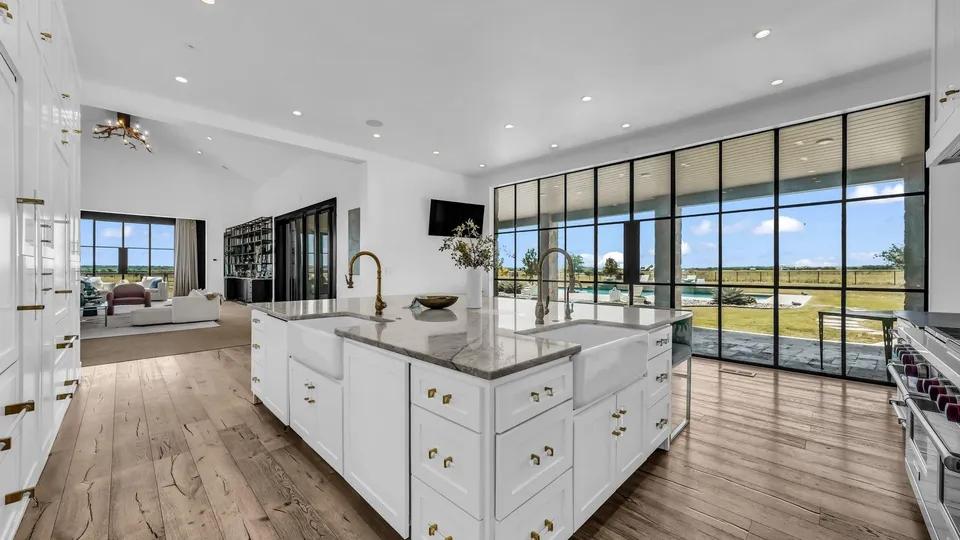
Huge kitchen island.
Upgraded cabinets.
Statement lighting.
Wide-plank floors.
Built-ins.
Outdoor kitchen.
Maybe a pool.
The second home costs considerably more.
And because everything looks expensive, the price difference starts to feel justified.
But this is where buyers need to separate two ideas:
An upgrade can be expensive to install without being equally valuable to you.
That distinction matters.
Because when you're buying a resale or completed home in Woodforest, you're not selecting upgrades from a builder's design center.
You're buying someone else's choices.
The question is whether those choices are worth paying for.
Start With a Simple Question: Would You Have Chosen It?
This may be the easiest test.
Look at the upgrade and ask:
If I were building this house myself, would I pay extra for this?
If the answer is immediately yes, the feature has real personal value.
If the answer is:
“Well...it looks expensive.”
that's different.
Price and usefulness aren't the same thing.
Separate Permanent Improvements From Decorative Choices
Some improvements are deeply integrated into the house.
Others are mostly cosmetic.
More permanent characteristics might include:
Structural additions.
Expanded garage.
Covered outdoor living.
Pool.
Certain built-ins.
Major kitchen configuration.
Additional bathroom.
Significant electrical or plumbing features.
Cosmetic items may include:
Paint.
Light fixtures.
Hardware.
Wallpaper.
Some decorative finishes.
Both can be attractive.
But they shouldn't necessarily receive equal weight in your decision.
The Kitchen Is Where Buyers Commonly Lose Perspective
You see the kitchen.
Beautiful.
Suddenly the entire house feels better.
That's understandable.
But break it apart.
What do you actually value?
Cabinet quality?
Storage?
Island size?
Counter space?
Appliances?
Layout?
Lighting?
Or simply the overall appearance?
A functional kitchen deserves more weight than a fashionable kitchen that doesn't fit how you cook.
Kitchen Layout Usually Matters More Than Countertop Trend
Countertops can change.
Backsplash can change.
Pendant lights can change.
Cabinet hardware can change.
Moving walls, plumbing, islands, or major cabinetry configurations can be much more involved.
When comparing kitchens, prioritize the difficult-to-change characteristics first.
Open the Cabinets
Seriously.
Don't just admire them.
Open them.
Is there useful storage?
Are drawers deep enough?
Does the island actually contain functional space?
Is there room for:
Pots.
Small appliances.
Food.
Dishes.
Trash.
Recycling.
A beautiful kitchen that lacks storage can become frustrating quickly.
The Pantry May Be More Valuable Than the Backsplash
One home has dramatic designer tile.
Another has a large, well-designed pantry.
Which will you notice more after three years?
Probably depends on how you live.
But everyday functionality tends to become increasingly important after the excitement of finishes wears off.
Appliances Should Match How You Cook
Professional-looking appliances are impressive.
But ask:
Do we need them?
Will we use them?
What will replacement eventually cost?
Are they appropriately sized?
Do we prefer this configuration?
A feature should solve a problem—not create a future expense simply because it looks luxurious.
Flooring Can Be Worth Paying Attention To
Flooring covers a large percentage of the home.
Replacing it can mean:
Material cost.
Labor.
Furniture movement.
Baseboard work.
Temporary disruption.
If a home already has flooring you genuinely like throughout major living areas, that may have meaningful value.
But again, personal preference matters.
Don't Pay a Huge Premium for Flooring You Only Sort of Like
You hear:
“These floors were a major upgrade.”
That may be true.
But if they're not what you would choose, their original cost is largely irrelevant to your decision.
You aren't reimbursing the seller for every improvement.
You're deciding what the home is worth to you in the current market.
Built-Ins Can Be Fantastic When They Fit Your Life
Well-designed built-ins can add:
Storage.
Display space.
Office function.
Organization.
Architectural character.
But highly customized built-ins can also limit flexibility.
Ask whether the feature supports the way you plan to use the room.
A Home Office Upgrade May Be Worth More Than You Think
If you work from home regularly, an office with:
Doors.
Built-in storage.
Good lighting.
Useful electrical access.
Quiet placement.
may provide real daily value.
The same office may mean very little to someone who works outside the home.
This is why upgrade value is personal.
Extra Electrical Features Aren't Exciting—Until You Need Them
Buyers rarely walk into a house and say:
“Look at these outlets!”
But practical electrical improvements may support:
Home office equipment.
Entertainment.
Outdoor living.
EV charging where properly installed.
Workshop use.
Additional lighting.
Technology.
Not every valuable improvement photographs well.
Garage Upgrades Can Be More Useful Than Interior Luxury
Imagine choosing between:
Fancy decorative wall treatment.
And:
Three-car garage.
For some households, the garage wins easily.
An additional bay can provide:
Vehicle parking.
Storage.
Workshop.
Bikes.
Recreation equipment.
Long-term flexibility.
Structural space is often harder to add later than decorative finishes.
Don't Call the Third Bay “Extra” Until You Decide What Goes There
Maybe it becomes:
Tool storage.
Home gym.
Golf cart storage where appropriate.
Motorcycle parking.
Workshop.
Holiday storage.
Teen driver's vehicle.
That space may become one of the most used “upgrades” in the house.
Outdoor Living Can Deliver Real Value in Woodforest
A well-designed covered patio may function almost like another room.
Especially when it connects naturally to:
Kitchen.
Family room.
Pool.
Backyard.
But look beyond the staging.
Ask:
How deep is the covered area?
Where does the sun hit?
Is there room for dining and seating?
Are fans installed?
How private does it feel?
Is it somewhere you'll actually spend time?
Outdoor Kitchens Need the Same Reality Check
Outdoor kitchens photograph beautifully.
Now ask:
How often do we cook outside?
If the answer is:
Every weekend,
great.
If the answer is:
Maybe twice a year,
don't assign enormous value to it.
You are buying utility, not a magazine spread.
A Pool Is More Than an Upgrade
A pool can significantly change how you use the home.
It may provide:
Recreation.
Entertaining.
Exercise.
Outdoor atmosphere.
But it also becomes part of the property's ongoing maintenance and operating costs.
So don't ask only:
“How much would this cost to install?”
Ask:
“How much is having it already here worth to us?”
Those are different questions.
Existing Pool vs. Adding One Later
If you know with certainty that you want a pool, buying a home that already has one may be attractive.
You avoid taking on the design and construction process yourself.
But evaluate the existing pool's:
Condition.
Equipment.
Layout.
Age where known.
Relationship to the yard.
A pool is only an advantage if it's a pool you actually want.
Don't Forget How Much Backyard Remains
A beautiful pool can consume most of the usable yard.
For some buyers:
Perfect.
For others:
Problem.
If you need:
Dog space.
Play area.
Open lawn.
Garden.
Additional entertaining space.
evaluate the entire backyard—not just the pool.
Covered Patio Before Pool Can Be a Smart Priority
Some buyers think:
Pool first.
But if you spend more time sitting outside than swimming, a comfortable covered patio may provide more everyday value.
Your lifestyle should determine the hierarchy.
Upgraded Landscaping Can Be Underrated
Established landscaping may create:
Privacy.
Shade.
Curb appeal.
Outdoor character.
A finished feel.
And unlike furniture, mature landscaping takes time.
If the landscaping is healthy and aligns with what you want, it can add meaningful personal value.
But Landscaping Also Needs Maintenance
Elaborate landscaping may require:
Irrigation.
Trimming.
Seasonal care.
Replacement.
Professional maintenance.
Make sure the level of landscaping fits the level of ownership you want.
Smart-Home Features Can Age Quickly
Technology changes.
Today's premium smart-home system may eventually feel ordinary or outdated.
Before paying heavily for technology, understand:
What is installed?
What stays with the home?
Does it require subscriptions?
Is it compatible with systems you use?
Can components be replaced easily?
Technology is useful.
But don't automatically treat it like a permanent premium feature.
Media Rooms Can Be Amazing—or Expensive Storage
A dedicated media room sounds luxurious.
But will you use it?
Some households use theirs constantly.
Movies.
Sports.
Gaming.
Friends.
Others eventually turn it into storage.
If you don't already spend much time watching movies or sports, be careful about paying substantially more just because the room looks impressive.
A Game Room Usually Has More Flexibility
Depending on the floor plan, a game room may become:
Second living room.
Teen space.
Playroom.
Homework area.
Exercise area.
Hobby space.
That flexibility can make it useful through multiple phases of ownership.
Wine Rooms Are a Perfect Example of Personal Value
One buyer sees:
Dream feature.
Another sees:
Closet with glass doors.
Neither is wrong.
That's why highly specialized upgrades should be valued according to your lifestyle rather than their installation cost.
Luxury Primary Bathrooms Can Be Deceptive
A huge freestanding tub.
Oversized shower.
Beautiful tile.
Double vanities.
Looks fantastic.
Now think about how you actually use a bathroom.
Do you take baths?
Need two sinks?
Want a makeup area?
Care about linen storage?
Would you rather have a larger closet?
Function first.
Finish second.
Closet Systems Can Be Surprisingly Valuable
A well-designed closet may improve everyday life more than decorative upgrades elsewhere.
Look for:
Hanging space.
Shelving.
Drawers.
Shoe storage.
Useful corners.
Actual capacity.
Good organization is easy to underestimate during a showing because it isn't dramatic.
Don't Forget Lighting
Good lighting can change how a house feels.
But distinguish between:
Decorative fixtures.
And:
Actual lighting design.
Recessed lighting.
Task lighting.
Natural light.
Under-cabinet lighting.
Outdoor lighting.
You can replace a chandelier.
Correcting poor overall lighting can be more involved.
Window Treatments Can Have Real Value
Quality shutters, shades, or other treatments throughout a large home can represent an expense you won't need immediately after closing.
But make sure they:
Stay with the property as expected.
Fit your taste.
Function properly.
Again, you're valuing avoided future cost only when you actually want the feature.
Don't Let the Seller's Upgrade List Become Your Price List
You may receive a list:
$25,000 flooring.
$40,000 pool.
$15,000 outdoor kitchen.
$12,000 built-ins.
$8,000 lighting.
That information can be useful.
But adding those numbers together does not automatically determine current market value.
Improvements do not necessarily return their full installation cost.
Market conditions and buyer demand matter.
Original Cost Is Not the Same as Current Value
This is worth repeating.
A seller may have spent $100,000 on improvements.
That does not automatically mean the home is worth $100,000 more than a comparable property.
Some improvements may contribute significantly.
Others may contribute modestly.
Some may be highly personal.
Evaluate the home in the context of current comparable properties and your own priorities.
The Best Upgrade May Be the One You Don't Have to Do
There is another side.
Suppose you know you want:
Pool.
Covered patio.
Updated flooring.
Modern kitchen.
Home office built-ins.
You find a home that already has all of them.
Even if the seller doesn't recover every dollar spent, avoiding years of projects may have real value to you.
Time matters.
Convenience matters.
Construction disruption matters.
“Turnkey” Has Lifestyle Value
Some buyers enjoy projects.
Others absolutely do not.
If you want to:
Move in.
Unpack.
Enjoy the house.
Then a finished home may deserve a premium in your personal calculation.
Not because every upgrade returns dollar-for-dollar value.
Because you're buying convenience too.
Project Buyers Should Think Differently
Maybe you enjoy renovation.
You'd rather buy the less expensive home and make it your own.
Great.
Now the dated house may actually offer more opportunity.
But be realistic about:
Budget.
Timeline.
Contractors.
Disruption.
Decision fatigue.
Renovating always looks easier before you're living through it.
Compare “Buy Finished” With “Create It Later”
This is one of the most useful exercises.
Home A costs more but already has the features you want.
Home B costs less but needs them.
List the projects you'd genuinely complete.
Estimate realistic costs with appropriate professionals.
Then add:
Time.
Disruption.
Risk.
Convenience.
Now compare again.
The price difference may look very different.
Use the “Would We Change It?” Test
Walk through every major upgrade.
Ask:
Would we keep this exactly as it is?
If yes:
Give it more value.
If you'd immediately change it:
Give it less.
If you're indifferent:
Don't let it drive the purchase.
Simple.
Use the “Five-Year Test”
Imagine the home five years after closing.
Which features still matter?
Garage?
Yes.
Pool?
Probably.
Covered patio?
Likely.
Kitchen layout?
Absolutely.
Trendy light fixture?
Maybe not.
Wallpaper?
Probably changed.
Prioritize the improvements that continue affecting how the property functions.
Use the “Ordinary Tuesday” Test
It's Tuesday.
No guests.
No showing.
No perfectly staged house.
Which upgrades are you using?
Kitchen storage.
Office.
Garage.
Patio.
Closet.
Lighting.
Those are often the features delivering the most value.
Don't Stretch for Upgrades and Lose the Lot
This is an important Woodforest comparison.
Home A:
Incredible upgrades.
Less desirable lot for your preferences.
Home B:
More basic interior.
Better privacy.
Better orientation.
More usable yard.
Which should win?
Remember:
You can upgrade Home B.
Changing the fundamental lot characteristics of Home A may be much harder.
Don't Stretch for Upgrades and Lose Financial Flexibility Either
The fully upgraded home may be beautiful.
But if buying it leaves no room for:
Savings.
Travel.
Furniture.
Maintenance.
Emergencies.
Other goals.
you may enjoy the upgrades less than expected.
The best home is not automatically the one with the longest feature list.
Create an Upgrade Value Scorecard
For each serious Woodforest contender, rate the upgrades.
Kitchen Function
Does the layout and storage genuinely improve everyday life?
Flooring
Do you like it enough that you would choose it yourself?
Garage
Does it provide meaningful additional utility?
Outdoor Living
Will you use the patio, kitchen, or other features regularly?
Pool
Do you genuinely want pool ownership?
Storage
Do built-ins, pantry, closets, and other improvements solve real problems?
Technology
Is it useful, current, and easy to maintain?
Flexibility
Will the upgraded spaces adapt as your household changes?
Replacement Difficulty
How expensive or disruptive would this feature be to create later?
Personal Value
Would you have paid to add it yourself?
Now compare.
That's a much better way to evaluate upgrades than simply counting them.
Final Thoughts
Upgrades can absolutely make one Woodforest home worth more to you than another.
But the most expensive upgrade isn't automatically the most valuable.
The best ones usually do something important.
They improve:
Function.
Comfort.
Storage.
Outdoor living.
Flexibility.
Convenience.
Or the way you use the home every day.
So when you walk into the beautifully upgraded house and immediately think:
“This one is worth more,”
slow down.
Look past the finishes.
Ask what is structural.
What is cosmetic.
What you'd keep.
What you'd change.
What you'd use.
And what you'd never spend money installing yourself.
Because you're not buying the seller's receipts.
You're buying your future home.
And the upgrades worth paying more for are the ones that will still make you think:
“I'm glad this was already here.”
long after the excitement of move-in day disappears.
Frequently Asked Questions
Do expensive upgrades always increase a home's value by what they cost?
No. Installation cost and current market value are not the same. The contribution of an improvement depends on the property, market, buyer demand, quality, condition, and other factors.
Which upgrades should Woodforest buyers prioritize?
Prioritize improvements that support your lifestyle and are difficult or expensive to recreate, such as useful structural space, garage capacity, functional kitchen layouts, pools when genuinely wanted, and well-designed outdoor living.
Is an upgraded kitchen worth paying more for?
It can be, especially when the layout, cabinetry, storage, and other features fit your needs. Cosmetic finishes alone should not necessarily drive the decision.
Is it better to buy a home with a pool or add one later?
That depends on the existing pool's condition and design, the property's price, your preferences, and the feasibility and cost of adding a pool to another property.
Should I pay more for smart-home technology?
Only if you value and expect to use it. Technology can become outdated, so understand what is installed, what remains with the home, and whether subscriptions or replacement costs are involved.
Is a three-car garage worth paying more for?
For buyers who need vehicle parking, storage, workshop space, or recreational-equipment storage, an additional garage bay can provide substantial practical value.
Should the seller's upgrade costs affect my offer?
They may provide useful context, but original improvement costs do not automatically determine current market value. Comparable properties and current market conditions are more important.
What's the biggest takeaway?
Don't ask only “How much did these upgrades cost?” Ask “Which of these upgrades would we willingly pay to create ourselves?” Those are the features most likely to provide meaningful value to you after closing.