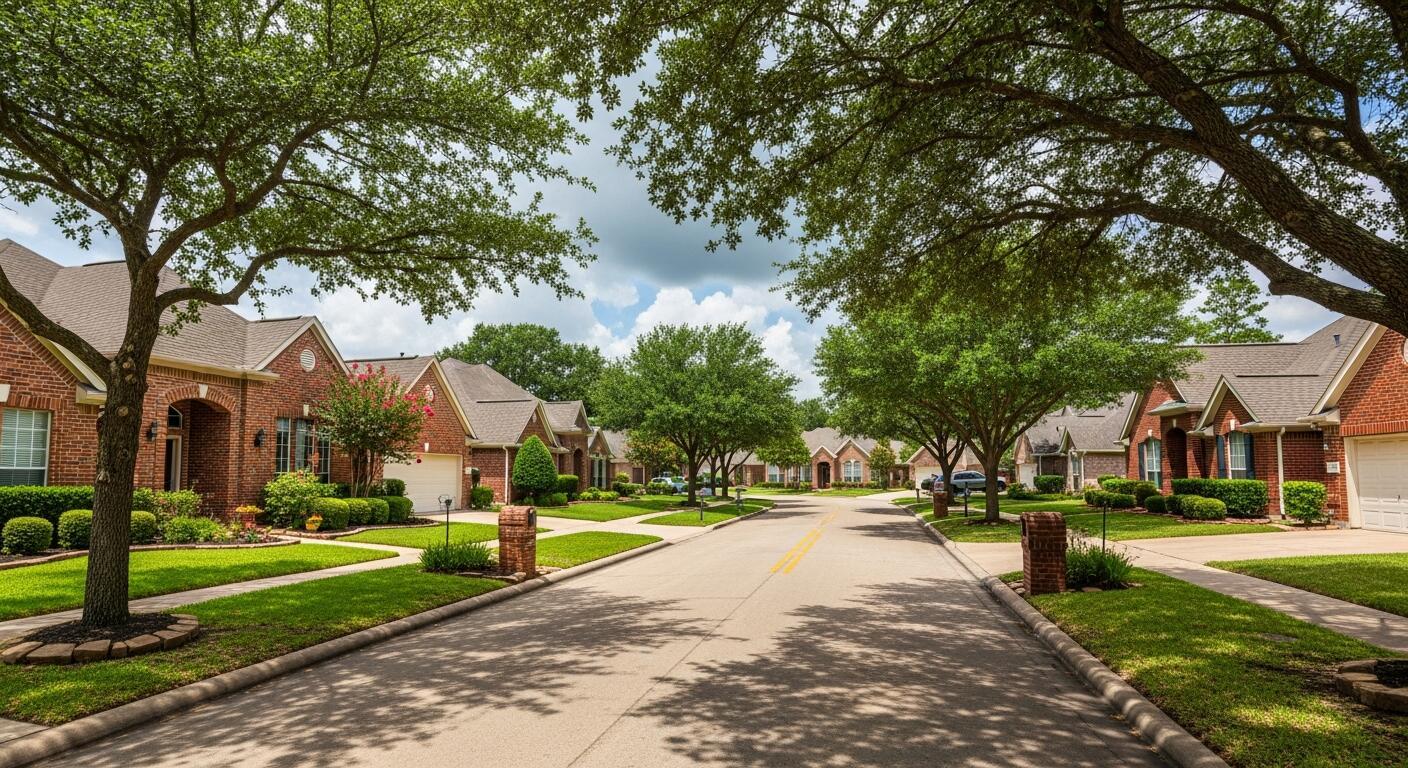
Same Neighborhood, Completely Different Experience: Why the Street Matters More Than You Think
You've done your homework.
You found the neighborhood you like.
The location works.
The home checks your boxes.
So you're done evaluating location, right?
Not quite.
Drive three streets over.
The homes may be similar.
The neighborhood name is identical.
The amenities are the same.
But the experience can feel completely different.
One street is quiet.
Another gets more through traffic.
One home feels tucked away.
Another backs to something you didn't notice online.
One has plenty of driveway space.
Another becomes crowded when neighbors have guests.
That's why buyers shouldn't stop their location research at:
“Do we like this neighborhood?”
The next question is:
“Do we like this particular part of it?”
Neighborhood Names Don't Tell the Whole Story
When buyers search online, homes are naturally grouped by subdivision or community.
That makes comparison easy.
But it can also create the impression that every location within the neighborhood offers roughly the same experience.
It doesn't.
A neighborhood can contain:
Interior streets.
Cul-de-sacs.
Corner properties.
Homes near entrances.
Homes near recreation.
Properties along busier roads.
Homes beside open spaces.
Homes with very different rear surroundings.
Your address within the neighborhood matters.
Start With Traffic
Stand outside the property for a few minutes.
Don't talk.
Just watch.
How many vehicles pass?
How quickly?
Do most appear to belong to residents?
Does the street seem to function as a route between other parts of the neighborhood?
You don't need zero traffic.
You need a level you're comfortable living with.
The Neighborhood Entrance Trade-Off
Living close to an entrance can be convenient.
You get home.
Turn in.
You're there.
That can be especially appealing if you commute frequently.
But some buyers may prefer being farther inside the neighborhood where traffic patterns can feel different.
Neither is universally better.
Ask yourself which convenience matters more:
Getting out quickly or feeling farther removed from the entrance?
Cul-de-Sac Doesn't Automatically Mean Perfect
Cul-de-sac locations are popular with many buyers.
But evaluate the actual street rather than buying the label.
Look at:
Lot shape.
Driveway configuration.
Parking.
Turning space.
Neighbor placement.
Backyard shape.
Some cul-de-sac lots are fantastic.
Others may have unusual configurations that don't fit your priorities.
Corner Lots Are Different Too
A corner property can feel more open.
But it may also have different:
Street exposure.
Side-yard configuration.
Sidewalk placement.
Landscaping.
Maintenance considerations.
Driveway relationships.
Again, there's no automatic winner.
Walk around the entire property.
Don't evaluate it only from the front door.
What's Across the Street?
Buyers spend a lot of time looking behind the house.
Don't forget the front.
What's directly across from you?
Another home?
An intersection?
Open space?
A neighborhood feature?
Parking?
Something that generates regular activity?
You'll see that view every time you leave home.
It becomes part of your experience.
What's Behind the Fence?
Now go to the backyard.
Look beyond the property line.
If you can't see what's there, investigate.
Depending on the specific property, you might find:
Another residential street.
Homes.
Open land.
A roadway.
Community facilities.
Commercial development farther away.
Green space.
Never assume what's behind the fence based solely on how quiet the backyard feels during one showing.
Maps and available property information can provide useful context.
Listen With Your Eyes Closed
This sounds strange.
Try it.
Stand in the backyard.
Close your eyes for thirty seconds.
What do you hear?
Birds?
Children playing?
Road noise?
Outdoor equipment?
Construction?
Airplanes?
Almost nothing?
Buyers become so visually focused during showings that they sometimes forget to listen.
Sound can affect how you experience a property every day.
Visit at 5:30 P.M.
A midday showing tells you what the street feels like when many people aren't home.
Evening can tell a different story.
Cars return.
Children may be outside.
People walk dogs.
Deliveries arrive.
Garages open.
Neighbors use outdoor spaces.
This isn't good or bad.
It's simply more information.
Then Visit on a Weekend
Weekend activity may be different again.
If you're serious about the property and circumstances allow, drive through at different times.
You may discover you love the activity.
Or you may realize you want something quieter.
Either result is valuable before closing.
Parking Matters More Than Buyers Think
During a showing, the driveway is usually clear.
Now imagine:
Two household vehicles.
Teenagers with cars.
Guests.
Holiday gatherings.
Service providers.
Where does everyone park?
Look at:
Driveway size.
Garage configuration.
Street-parking conditions.
Applicable neighborhood restrictions.
Don't wait until your first family gathering to discover parking is frustrating.
Your Garage Placement Changes the Front of the Home
Garage configuration affects more than appearance.
It can influence:
Driveway space.
Vehicle maneuvering.
Guest parking.
How the front yard is used.
How easily multiple vehicles come and go.
Think about your actual household.
A garage that works beautifully for one vehicle may feel very different with three drivers.
Watch the Intersections
A home near an intersection can experience a different pattern of activity from one mid-block.
Vehicles may:
Slow.
Turn.
Stop.
Accelerate.
Again, this may not bother you at all.
The point is to notice it before buying.
Small location differences can become surprisingly noticeable once you live somewhere every day.
Nearby Amenities Can Be a Benefit—and an Activity Source
Living close to:
A park.
Pool.
Trail access.
Recreation area.
Other community feature.
can be incredibly convenient.
You may love walking there.
But proximity can also mean more activity at certain times.
That's why “close to amenities” isn't automatically positive or negative.
Ask:
How close do we actually want to be?
There's a Difference Between Near and Next To
This distinction matters.
Being a few streets from a neighborhood feature may provide convenient access.
Being directly beside it may create a completely different experience.
When reviewing listings, don't rely solely on phrases like:
“Steps from the park.”
Look at the map.
Visit.
Understand the relationship yourself.
Street Trees Change How a Neighborhood Feels
In established parts of Spring, mature trees can dramatically affect the character of a street.
Shade.
Scale.
Privacy.
Visual appeal.
But buyers should also consider their placement relative to:
Driveways.
Roofs.
Walkways.
Utilities.
Trees are part of the property environment and may require ongoing care.
Appreciate them—and understand them.
Look at How the Homes Sit
Some streets feel more spacious even when lot sizes aren't dramatically different.
Why?
Home placement.
Setbacks.
Landscaping.
Street width.
Lot shape.
Tree coverage.
This is why statistics can't completely replace visiting a property.
You experience space differently than a spreadsheet does.
Don't Judge the Neighbors
This is important.
A showing gives you a snapshot of other properties at one moment.
Avoid making assumptions about the people living nearby.
Instead, evaluate observable property characteristics relevant to your decision:
Maintenance.
Parking patterns.
Physical surroundings.
Street configuration.
Traffic.
Noise.
Focus on the property and environment—not speculation about who lives there.
Think About Your Own Lifestyle
A street isn't inherently “good” because it's quiet.
Maybe you like seeing neighbors outside.
Maybe your children want nearby activity.
Maybe you enjoy being close to recreation.
Another buyer may prioritize:
Privacy.
Minimal traffic.
A tucked-away location.
Neither preference is superior.
Your street should match your version of home.
Relocation Buyers Need to Spend Extra Time Here
If you're relocating to Spring, online research can tell you a lot.
But it won't fully explain:
How the street feels.
What you hear.
How homes are positioned.
How traffic moves.
How close nearby features actually feel.
If possible, spend time driving through the immediate area rather than only traveling from the highway directly to the listing.
Don't Let the House Make Every Decision
This is the recurring challenge.
You love the kitchen.
You love the primary bathroom.
You love the price.
So when something about the street bothers you, you start negotiating with yourself.
“We'll probably get used to it.”
Maybe you will.
But separate the decisions.
Ask:
If this exact house were on a street I preferred, would I choose that one instead?
If the answer is immediately yes, the location concern may deserve more attention.
Use the “Five-Minute Outside” Rule
Before leaving any serious contender, spend at least a few uninterrupted minutes outside.
Front yard.
Driveway.
Side of house.
Backyard.
Don't discuss countertops.
Don't look at your phone.
Just experience the property.
Homes are sold room by room.
But they're owned address by address.
Make a Street Scorecard
When comparing your final few homes, rate each one on factors important to you.
For example:
Traffic.
Noise.
Parking.
Privacy.
Lot position.
Access to neighborhood amenities.
Distance from entrance.
Backyard surroundings.
Overall feel.
You don't need complicated mathematics.
The exercise simply forces you to evaluate something buyers often leave to instinct.
Final Thoughts
Finding the right Spring neighborhood is a big accomplishment.
But you're not purchasing the entire neighborhood.
You're purchasing one address inside it.
One lot.
One driveway.
One section of street.
One backyard.
One set of surroundings.
And those details can shape daily life far more than buyers expect.
So after you've decided:
“We love this neighborhood,”
don't stop evaluating.
Drive slower.
Park the car.
Walk outside.
Listen.
Look beyond the fence.
Come back at another time.
Because two homes separated by only three streets can offer completely different experiences.
And unlike the kitchen backsplash, the street isn't something you'll be changing after closing.
Frequently Asked Questions
Does the street really affect the experience of living in the same neighborhood?
Yes. Traffic patterns, noise, lot position, nearby amenities, parking, surrounding properties, and proximity to neighborhood entrances can vary within the same community.
Should I visit a Spring home at different times before buying?
When practical, visiting or driving through at different times can provide additional context about traffic, activity, lighting, and noise.
Is a cul-de-sac always better?
No. Some buyers strongly prefer them, while others don't. Evaluate the actual lot shape, parking, driveway, traffic pattern, and surroundings.
Is living close to a neighborhood pool or park a good thing?
It can be highly convenient, but different buyers have different preferences regarding proximity and activity. Visit the specific location and decide what works for you.
What should relocation buyers pay particular attention to?
Spend time in the immediate area around the property rather than relying entirely on maps, listing descriptions, or the broader reputation of the neighborhood.
What's the biggest takeaway?
Choosing the right Spring neighborhood is only half of the location decision. Make sure you're equally comfortable with the specific street, lot position, surroundings, and everyday environment of the home you're actually buying.