“We Want to Live in The Woodlands” Is Only the Beginning
You've made the decision.
The Woodlands.
Great.
Now the real search begins.
Because saying:
“We want to buy in The Woodlands”
is a little like saying:
“We want a house with a kitchen.”
It's a starting point.
Not enough information to choose the right home.
The Woodlands is made up of multiple villages and neighborhoods developed over different periods, with different housing styles, surroundings, access points, and relationships to the places residents use every day.
Two homes can both have a Woodlands address and create noticeably different routines.
So before opening 47 listings and choosing your favorite kitchen, figure out something more important:
Which part of The Woodlands actually fits your life?
Stop Starting With the House
This is difficult.
The house is the exciting part.
You want:
Four bedrooms.
A pool.
Home office.
Three-car garage.
Updated kitchen.
Great primary suite.
So you enter those requirements into a home search and see what appears.
There's nothing wrong with that.
But you're allowing the available inventory to determine where you live.
Try reversing the process.
First determine which locations work.
Then find the house.
The Woodlands Is a Collection of Villages
The Woodlands was designed around a village concept, with residential neighborhoods organized into larger village areas.
Depending on where you're searching, you'll encounter names such as:
Alden Bridge.
Cochran's Crossing.
College Park.
Creekside Park.
Grogan's Mill.
Indian Springs.
Panther Creek.
Sterling Ridge.
And others within the broader community structure.
These aren't simply labels for real estate listings.
Where you choose can influence how you move through The Woodlands every day.
Don't Ask “Which Village Is Best?”
That's usually the wrong question.
Best for whom?
A buyer commuting toward Houston may evaluate location differently from someone working from home.
Someone who wants an established property under mature trees may have different priorities from a buyer wanting newer construction.
A household that spends significant time around Town Center may prioritize location differently from one that rarely goes there.
There isn't one universally best village.
There's a better fit for your routine.
Start With Your Monday
Imagine it's Monday morning.
Where does everyone need to go?
Work.
School-related destinations where applicable.
Childcare.
Gym.
Appointments.
Maybe nowhere because you work remotely.
Now look at your potential home locations.
How does living there affect those trips?
This immediately makes the search more personal.
Then Look at Your Saturday
Monday isn't your entire life.
What do you do when you're not working?
Maybe you want easy access to:
Trails.
Parks.
Restaurants.
Shopping.
Golf.
Lake activities.
Entertainment.
Friends or family.
A location that's ideal for your commute but inconvenient for everything you enjoy may not be your best overall fit.
Town Center Proximity Matters Differently to Different Buyers
Some buyers love being relatively convenient to the activity surrounding central destinations such as The Woodlands Waterway and Market Street.
Dining.
Shopping.
Entertainment.
Events.
For them, location relative to Town Center may be a major priority.
Another buyer may visit those areas occasionally and place much greater value on a quiet residential setting.
Neither buyer is wrong.
But they shouldn't necessarily be looking at identical properties.
Hughes Landing May Be Part of Your Routine Too
Hughes Landing is another destination some residents may incorporate into dining, work, recreation, or entertainment routines.
Again, don't assume you need to live as close as possible.
Ask how frequently you'll actually go there.
Buying close to something you use twice a year isn't necessarily a meaningful advantage.
Older and Newer Sections Can Feel Different
The Woodlands developed over decades.
That means buyers can encounter homes from very different periods.
In more established areas, you may find characteristics such as:
Mature landscaping.
Older architectural styles.
Properties that have undergone varying levels of renovation.
Established streetscapes.
In newer sections, buyers may encounter:
More recent floor plans.
Different architectural trends.
Newer systems.
Different community design characteristics.
Don't decide that one is automatically better.
Decide what you value.
Mature Trees Can Change the Entire Feeling
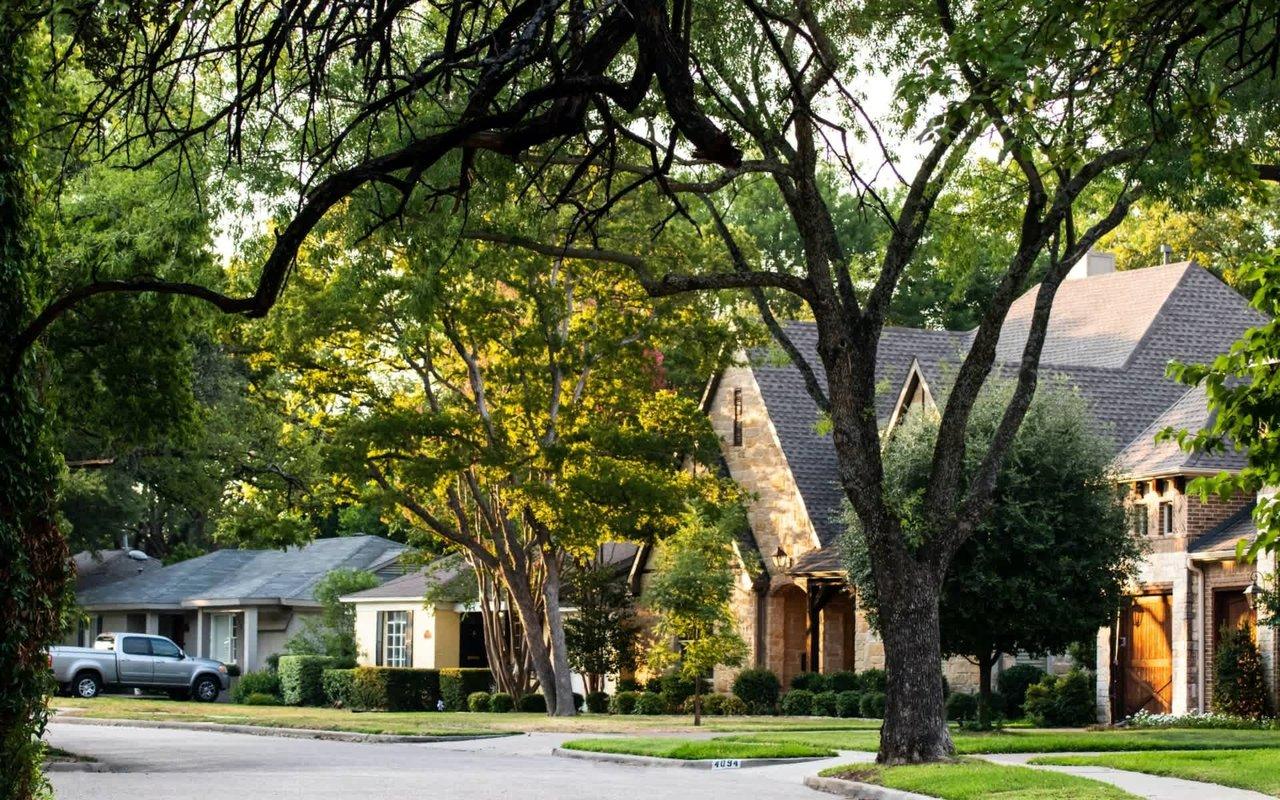
Drive through an established street under a mature tree canopy.
Then drive through a newer residential area.
Both may be attractive.
But they can feel very different.
Some buyers specifically want the established wooded character associated with parts of The Woodlands.
Others prioritize newer homes and more contemporary layouts.
That's a real trade-off.
Recognize it early.
The Renovation Question Matters
Suppose you love an established location.
But many homes within your budget need updating.
Are you comfortable with that?
Could you live with an older kitchen for a while?
Would you renovate?
Do you have the budget?
Do you have the patience?
If your answer is:
“Absolutely not. We want move-in ready.”
that's useful.
Your location and property search should reflect it.
Newer Isn't Automatically Easier Either
A newer property may have more current finishes and systems.
Great.
But you still need to evaluate:
Lot.
Location.
Property condition.
Taxes.
Insurance.
HOA considerations where applicable.
Commute.
Surroundings.
A newer build date doesn't remove the rest of the home-buying process.
Your Commute Can Change Within The Woodlands
Buyers relocating from outside the area sometimes look at a map and think:
“It's all The Woodlands. How different can it be?”
Potentially different enough to matter.
Where you live within the community affects which roads you use and how quickly you reach your regular destinations.
Don't evaluate commute from the words “The Woodlands.”
Evaluate it from the actual address.
Test Your Routes Before You Buy
If commuting is important, drive from serious contenders during the times you normally travel when practical.
Don't test only:
Home to office.
Also consider:
Home to grocery store.
Home to gym.
Home to activities.
Home to family.
Home to places you use regularly.
Your location should make your week work, not simply your workday.
Trail Access Can Be Hyperlocal
The Woodlands is known for its extensive pathway system.
But there's a difference between:
“The Woodlands has pathways.”
and
“There's convenient pathway access near this particular house.”
If walking, running, or biking is important to you, investigate the specific property.
Where do you enter the pathway?
Where does it lead?
How convenient is it?
Don't buy a community-wide feature without understanding your home's relationship to it.
The Same Applies to Parks
A map may show parks throughout the broader area.
But if visiting a park regularly matters to your household, consider the actual distance and route from the property.
“Nearby” is subjective.
Five minutes may feel close to one buyer.
Another wants to walk there.
Define your version before purchasing.
Golf Buyers Need to Get Specific Too
If golf is part of your lifestyle, don't simply say:
“We want to be near golf.”
The Woodlands area offers multiple golf environments and properties with different relationships to courses.
Do you want:
A golf-course view?
Convenient course access?
Simply to be within a reasonable drive?
Those are three different property searches.
A Golf-Course Lot Is a Lifestyle Choice
Golf-course frontage may provide attractive views and a sense of openness.
But evaluate the actual property.
Consider:
Privacy.
Orientation.
Location relative to play.
Outdoor use.
Maintenance.
Any applicable restrictions.
Don't purchase the words “golf-course lot.”
Stand in the backyard and decide whether you like the actual experience.
Cul-de-Sac Buyers Shouldn't Search by Checkbox Alone
You know you want a cul-de-sac.
Fine.
But every cul-de-sac lot isn't identical.
Compare:
Lot shape.
Frontage.
Driveway.
Backyard.
Neighbor positioning.
Parking.
Some provide exactly the environment you're imagining.
Others simply happen to sit at the end of a street.
Village Centers Can Be Part of Everyday Convenience
The village design means different areas have their own relationships with nearby shopping and services.
When evaluating a property, look beyond major destinations.
Where would you make the quick grocery run?
Pick up dinner?
Get coffee?
Handle ordinary errands?
The five-minute errand often matters more than the special destination you visit once a month.
Don't Choose a Location Based on Someone Else's Routine
Your friend says:
“You HAVE to live in this village.”
Great.
Where does your friend work?
What do they do on weekends?
How old is their home?
What type of lot do they have?
What do they value?
Unless your lives are identical, their perfect location may not be yours.
Recommendations are useful starting points.
Your routine should make the final decision.
Relocation Buyers Should Rent a Car and Wander
If you're relocating and have enough time during a visit, don't spend every minute touring houses.
Drive.
Without rushing.
Move through different parts of The Woodlands.
Stop for coffee.
Visit a park.
Drive to Town Center.
Make a grocery run.
Travel the roads you'd use regularly.
You're trying to answer:
“Can I imagine an ordinary week here?”
That's more valuable than seeing your twentieth kitchen.
Visit After Dark
A neighborhood can feel different at night.
Street lighting.
Traffic.
Activity.
How easily you recognize turns.
How the property feels when you arrive home.
If you're seriously considering a house, seeing the immediate area under different conditions can provide useful context.
Don't Ignore the House Because You Found the Perfect Village
There's another side to this advice.
Once buyers become attached to a specific area, they can begin compromising too heavily on the house.
Don't.
Location matters.
So does the property.
You still need a home that works for your:
Budget.
Space.
Layout.
Condition expectations.
Future plans.
The goal is intersection:
Right location + right property.
Not one at the expense of everything else.
Create Three Location Categories
Instead of searching the entire community equally, try this.
Tier 1: Best Fit
Locations that align extremely well with your routines and priorities.
Tier 2: Strong Alternative
Areas that work well but involve one or two acceptable compromises.
Tier 3: Only for an Exceptional House
Locations you'd consider only if the property itself offers something compelling.
This can make a large home search much easier to manage.
Then Create Your “Five-Minute Life”
Write down five things you'd ideally like within a short drive—or walk/bike trip where appropriate.
For example:
Grocery store.
Trail.
Park.
Coffee.
Gym.
Your list may be completely different.
Now compare addresses.
This reveals which locations support your actual lifestyle instead of the lifestyle described in a brochure.
The Right Village May Surprise You
You may begin convinced you want one area.
Then you spend time there.
Tour homes.
Test routes.
Explore other sections.
And discover another location fits you better.
That's not your search going wrong.
That's exactly what a good home search is supposed to do.
You're learning.
Don't Rush to Narrow It Down
If you're new to The Woodlands, tour enough of the community to understand the differences before becoming overly specific.
Otherwise, you may eliminate properties based on assumptions rather than experience.
Explore first.
Narrow second.
Buy third.
Final Thoughts
Choosing The Woodlands is a big decision.
But it's only the first location decision.
Next comes:
Which village?
Which neighborhood?
Which street?
Which lot?
Which relationship to the places you use every day?
The house matters enormously.
But the location determines what happens every time you leave it.
So before saying:
“We found a beautiful house in The Woodlands.”
Ask:
How does Monday work from here?
What about Saturday?
Where do we buy groceries?
Where do we walk?
How does the commute feel?
How often will we use the nearby amenities?
Does this part of the community actually fit us?
Because you're not really buying The Woodlands.
You're buying one specific address inside it.
And when that address fits the way you actually live, the entire community can start feeling much more like home.
Frequently Asked Questions
How many villages are in The Woodlands?
The Woodlands is organized into multiple villages containing individual residential neighborhoods. Buyers should verify current community boundaries and property information when comparing specific locations.
Which village in The Woodlands is the best?
There isn't one universally best village. The right fit depends on factors such as home style, budget, commute, lot preferences, desired surroundings, amenities, and everyday routines.
Are homes the same age throughout The Woodlands?
No. The community developed over decades, so buyers can encounter homes from different construction periods and with varying levels of renovation.
Should relocation buyers choose a village before looking at houses?
It can be helpful to first explore multiple parts of The Woodlands, understand how they differ, and then narrow the search according to your priorities rather than selecting a village based solely on reputation.
Does every home have equally convenient access to The Woodlands pathway system?
No. The broader community has an extensive pathway network, but convenience and specific access can vary by property. Buyers should investigate the exact location when pathway use is important.
What's the biggest takeaway?
Don't search for a house in “The Woodlands” as though the entire community were interchangeable. Find the part of The Woodlands that supports your real weekly routine, then look for the home that fits within it.