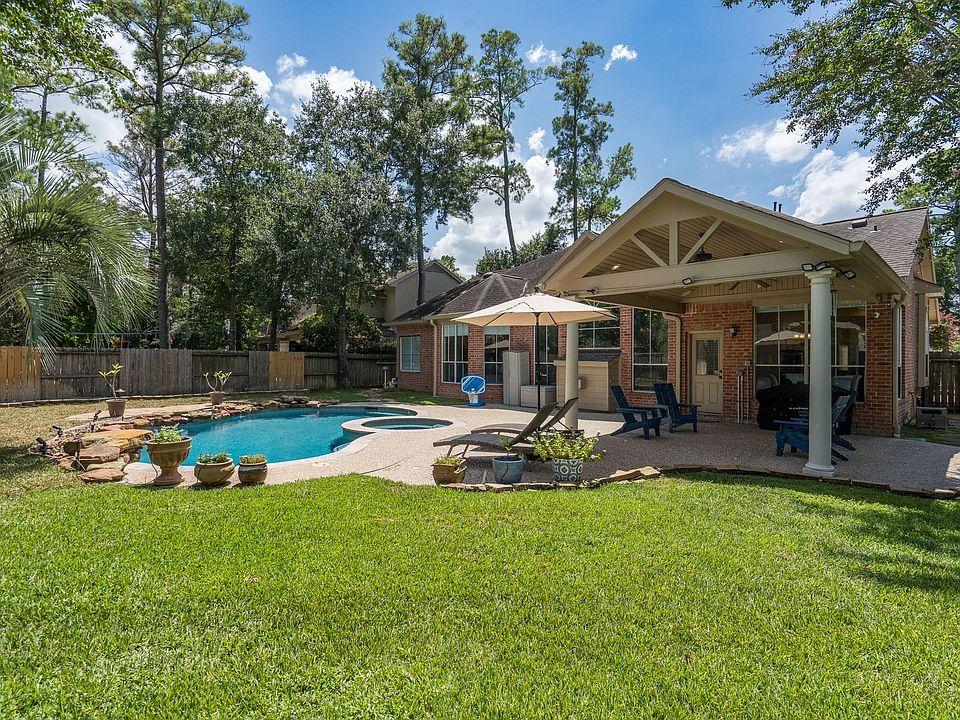
Your Pool Can Be the Reason Buyers Fall in Love—If You Market It Right
How Do You Sell a Cypress Home With a Pool Without Making Buyers Focus on the Maintenance?
The buyer steps into the backyard.
And for a few seconds, the pool does exactly what you want it to do.
They stop.
Look around.
Imagine:
Summer afternoons.
Friends over.
Kids swimming.
Dinner under the patio.
Quiet evenings.
Then the practical questions begin.
How old is the pool?
When was it resurfaced?
How old is the pump?
Does the heater work?
What does maintenance cost?
How much yard is left?
How much electricity does it use?
Has there been any leaking?
What about insurance?
Suddenly, one of the home's biggest lifestyle features becomes a list of ownership questions.
That is normal.
The goal is not to make buyers forget that pools require maintenance.
It is to make the pool feel well cared for, understandable, and worth owning.
Start With the Complete Outdoor Package
Do not market only:
Pool.
Market:
Pool.
Patio.
Shade.
Outdoor kitchen.
Landscaping.
Privacy.
Remaining lawn.
Relationship to the house.
Buyers are evaluating how the entire backyard works.
A beautiful pool with nowhere to sit or little usable yard may create a different reaction from a well-designed outdoor environment.
Pool Size Is Only Part of the Story
A larger pool is not automatically better.
Buyers may care about:
Design.
Depth.
Entry.
Spa.
Decking.
Shade.
Visibility from the house.
Remaining yard.
The pool should feel proportional to the property.
Show the Pool From Inside
The buyer will not live at the pool edge all day.
Photograph the view from:
Kitchen.
Family room.
Breakfast area.
Primary bedroom where relevant.
If the pool adds visual value from inside, show it.
That makes the feature feel integrated into everyday life.
The Hero Photo May Be the Backyard
For the right Cypress property, the pool and outdoor living may be the strongest reason to click.
If so, consider leading with:
Pool.
Covered patio.
Home in background.
This can be stronger than a standard front elevation.
But the image should represent the property accurately.
Clean Water Is Non-Negotiable
If you are selling a pool home, the water should look:
Clear.
Blue or naturally appropriate to the finish.
Well maintained.
Cloudy or green water immediately tells buyers:
“Project.”
Even if the problem is minor.
Remove Floating Equipment for Photography
Where practical, remove:
Cleaner.
Hoses.
Pool floats.
Excess toys.
Chemical containers.
The pool should look ready to use.
Not like a maintenance workspace.
Keep Safety Equipment Accessible
Do not remove required or useful safety features simply to make photos cleaner.
Presentation should never override safety.
The goal is tidy—not deceptive.
Pool Deck Condition Matters
Buyers notice:
Cracks.
Staining.
Loose material.
Uneven surfaces.
Worn coating.
The pool itself can be beautiful, but poor decking can make the whole area feel older.
Evaluate what is cosmetic and what may need professional attention.
Do Not Hide Cracks With Furniture
If there is a meaningful condition issue, address it appropriately.
Moving a chair over it for photography does not solve anything.
Buyers will eventually inspect the property.
Know When the Pool Was Built
If records are available, gather:
Installation year.
Builder.
Major remodel dates.
This helps buyers understand age.
Do not guess.
Resurfacing Date Can Be Very Important
Pool surfaces do not last forever.
If the pool has been resurfaced, provide the actual year where known.
That can reduce buyer uncertainty.
If it has not, do not claim:
“Recently updated pool.”
just because equipment was changed.
Separate Surface Updates From Equipment Updates
These are different.
For example:
Pool resurfaced — 2022.
Pump replaced — 2024.
Heater replaced — 2023.
Automation updated — 2025.
This is much clearer than:
“Pool updated.”
Equipment Age Can Shape Buyer Perception
Buyers may ask about:
Pump.
Filter.
Heater.
Automation.
Salt system.
Cleaner.
Lighting.
They are trying to estimate future expense.
Clear records help.
Variable-Speed Pumps Can Be Worth Mentioning
If present and verified, it is a meaningful equipment feature.
But do not promise:
“Very low electric bills.”
Energy use depends on:
Run time.
Pool size.
Equipment.
Rates.
Other household consumption.
Saltwater Needs Careful Language
If the pool uses a salt chlorination system, say so accurately.
Do not market:
“No chemicals.”
Saltwater pools still require water chemistry management.
Avoid oversimplifying.
Pool Heaters Need Specific Information
Is it:
Gas?
Electric?
Heat pump?
How old?
Functional?
If the heater is a selling feature, know the basics.
Do not promise:
“Swim year-round.”
Actual comfort depends on weather, equipment, cost, and buyer preferences.
Spa Features Can Strengthen the Package
If there is:
Attached spa.
Standalone spa.
Spillover.
Heating.
show it.
But distinguish clearly between:
Built-in feature.
Portable hot tub.
They are not the same.
Water Features Can Add Appeal
Sheer descents.
Fountains.
Bubblers.
Waterfalls.
These can create:
Sound.
Movement.
Visual interest.
If they work, turn them on for photography or showings where practical.
If they do not, do not pretend they do.
Pool Lighting Can Transform Twilight Photos
Evening photography may show:
Pool lights.
Patio lights.
Outdoor kitchen.
Landscape lighting.
This can make the backyard feel like a true second living area.
But daylight images are still necessary for condition and layout.
Do Not Rely Only on Twilight
Twilight can hide:
Deck condition.
Water clarity.
Yard size.
Neighboring homes.
Buyers need both emotional and practical views.
Remaining Yard Space Matters
This is one of the biggest buyer questions.
Pool plus:
Grass?
No grass?
Dog area?
Play area?
Garden?
Show the full layout.
A buyer should not arrive surprised that the pool occupies nearly the entire yard.
A Smaller Yard Can Still Work Beautifully
If the backyard is:
Pool.
Covered patio.
Minimal lawn.
that may appeal to buyers who want:
Less mowing.
Outdoor entertaining.
Low-maintenance landscape.
Do not apologize for the configuration.
Market the actual use.
But Do Not Call It “Huge”
Accuracy matters.
Use:
“Low-maintenance backyard centered around pool and covered outdoor living.”
That is much stronger than exaggerated size claims.
Privacy Can Increase Pool Appeal
A pool feels more personal when the yard offers:
Tree screening.
Landscaping.
No immediate rear neighbor.
Good fence placement.
If privacy is a strength, show it.
Second-Story Neighbors Can Affect Perception
A tall fence may not create full privacy if surrounding homes overlook the yard.
Do not overpromise.
Photograph honestly.
Let buyers evaluate the actual setting.
Pool Orientation Matters
Where is the sun?
Morning?
Afternoon?
Evening?
Shade?
If the pool receives strong afternoon sun, some buyers love it.
Others value shade.
The seller does not need to position one as universally better.
Show the setting.
Covered Patio Can Be the Difference
Cypress summers make shade meaningful.
A pool without covered seating may feel less usable during the hottest parts of the day.
If your home offers:
Deep covered patio.
Fans.
Outdoor dining.
that can strengthen the pool lifestyle significantly.
Outdoor Kitchens Should Look Functional
Clean:
Grill.
Counters.
Sink.
Cabinets.
Remove:
Old tools.
Chemical containers.
Clutter.
If appliances work, know what they are.
Do Not Call an Outdoor Kitchen “Fully Equipped” Without Checking
Does it include:
Grill.
Sink.
Refrigerator.
Burner.
Storage.
Use specific facts.
Avoid vague luxury language.
Patio Furniture Should Show Scale
Too much furniture makes the patio feel small.
Too little makes it difficult to understand.
Create clear zones:
Dining.
Seating.
Pool access.
Buyers should see how people move through the space.
Pool Access From the House Matters
Is the pool directly visible from:
Living room?
Kitchen?
Back door?
Does the layout feel convenient?
Show the connection.
The buyer is evaluating how naturally the backyard fits everyday life.
Child Safety Questions May Come Up
Buyers with children may ask about:
Door alarms.
Fencing.
Pool barriers.
Safety covers.
Requirements can depend on local rules and property configuration.
Provide accurate existing information.
Do not promise compliance beyond what is verified.
Do Not Market a Pool as “Child-Safe”
That is too broad and potentially dangerous.
Pools always require supervision and appropriate safety measures.
Describe physical features only.
Pool Inspections Can Be Separate From General Home Inspections
A general inspector may evaluate certain pool components.
A buyer may also choose a pool specialist.
Do not assume the home inspection tells them everything.
The seller should prepare for pool-specific questions.
Pre-Listing Pool Inspection May Be Worth Considering
Especially if:
Pool is older.
Equipment history is unclear.
Leaks suspected.
Surface shows wear.
You may benefit from understanding the condition before buyers do.
This is property-specific.
Leaks Can Become a Major Buyer Concern
Signs may include:
Unexplained water loss.
Wet equipment area.
Cracks.
Frequent refilling.
Do not diagnose yourself.
If you suspect a leak, have an appropriate professional evaluate it.
Normal Evaporation and Leaking Are Different
Texas heat can create significant evaporation.
But sellers should not use evaporation as a blanket explanation for unexplained water loss.
Qualified evaluation is stronger.
Pool Plumbing Can Be Expensive to Guess About
If a buyer or inspector raises a concern, use:
Pool professional.
Leak detection specialist.
Other appropriate expert.
Do not immediately agree to a large repair credit based on speculation.
Equipment Pads Should Be Accessible
Clear:
Boxes.
Plants.
Storage.
Debris.
Buyers and inspectors may need to evaluate:
Pump.
Filter.
Heater.
Valves.
Electrical components.
Make access easy.
Equipment Area Does Not Need to Be Pretty
It needs to be:
Clean.
Accessible.
Organized.
Do not spend heavily making mechanical equipment decorative.
Keep Service Records
Useful information may include:
Weekly service.
Repairs.
Equipment replacements.
Resurfacing.
Leak repair.
Automation work.
Heater maintenance.
You do not need every chemical receipt.
Focus on meaningful records.
Create a Pool Improvement Timeline
For example:
2019 — pool installed.
2022 — heater replaced.
2024 — pump replaced.
2025 — resurfaced.
Use actual dates.
This helps serious buyers understand the ownership history quickly.
Pool Maintenance Costs Should Be Presented Carefully
Buyers may ask:
“What does it cost you every month?”
You can share your historical experience.
But do not promise future cost.
Your expenses depend on:
Service company.
DIY maintenance.
Chemicals.
Electricity.
Pool size.
Equipment.
Usage.
Season.
If You Use a Pool Service, Historical Cost Can Provide Context
Example:
“Seller currently uses a weekly pool service at approximately $___ per month.”
when accurate.
Make clear:
Buyer can choose another service.
Future pricing may change.
DIY Sellers Should Not Invent a Monthly Number
If you buy chemicals irregularly and maintain it yourself, say so.
Do not estimate:
“Probably only $75 a month.”
unless you have records.
Electricity Use Should Not Be Attributed Entirely to the Pool
The home uses electricity for:
HVAC.
Appliances.
Lighting.
Pool equipment.
EV charging.
Other systems.
You cannot easily tell a buyer:
“The pool only costs X to run.”
without a professional or submetered analysis.
Insurance May Be a Buyer Question
Pools can be relevant to insurance underwriting and liability.
Do not tell buyers:
“The pool doesn't affect insurance.”
Encourage them to obtain property-specific quotes.
Provide:
Pool type.
Safety features.
Other factual information.
Fence Condition Can Matter
A pool backyard with:
Damaged fence.
Broken gate.
Missing latch.
can raise safety and maintenance concerns.
Address obvious defects before listing where appropriate.
Gates Should Work
Simple.
But important.
Buyer walks outside.
Gate sags.
Latch broken.
Now the entire backyard feels less maintained.
Small repairs matter.
Landscaping Should Frame the Pool
Plants can create:
Privacy.
Resort feel.
Shade.
But avoid:
Overgrown shrubs.
Plants blocking walkways.
Debris constantly falling into the pool.
Dead landscape.
Maintain the setting.
Mature Trees Create Trade-Offs
Shade.
Privacy.
Character.
Also:
Leaves.
Roots.
Potential trimming.
The right buyer may value the trade-off.
Market the benefits accurately without pretending maintenance does not exist.
Roots Near Pool Decking May Raise Questions
If there is visible:
Lifting.
Cracking.
Displacement.
do not blame or dismiss tree roots without professional evaluation.
Let the appropriate specialist identify cause.
Pools Can Help Older Homes Compete With Newer Construction
A new Cypress home may offer:
Fresh finishes.
New systems.
But no pool.
If yours already includes:
Pool.
Patio.
Landscaping.
Shade.
the buyer can enjoy it immediately.
This can be a strong resale advantage.
Installation Time Is Part of the Value
A buyer adding a pool later may face:
Design.
Permits.
Construction.
Landscaping disruption.
Cost.
Your existing pool avoids that project.
But do not equate convenience with a fixed dollar premium.
Builder Pool Incentives Can Affect Competition
Some new-construction communities may occasionally offer:
Pool packages.
Credits.
Promotions.
These change.
If new homes are direct competition, verify current programs before assuming your pool creates a unique advantage.
Compare Pool Homes With Pool Homes
When pricing, look for:
Similar property.
Pool condition.
Outdoor living.
Remaining yard.
Lot.
Home condition.
Garage.
Location.
A pool can make non-pool comparables less useful if it is a major property feature.
But Do Not Ignore Non-Pool Homes
They still show what buyers can choose for:
Less money.
More house.
Newer construction.
Bigger lot.
The buyer may decide:
“We would rather save $50,000 and add a pool later.”
Your pricing should account for that possibility.
The Pool's Original Cost Does Not Determine Resale Value
This needs repeating.
You spent:
$90,000.
$120,000.
More.
That does not automatically add the same amount to current market value.
The pool was also a lifestyle investment you enjoyed.
Market contribution depends on buyer demand and the complete property.
Pool Premium Varies by Price Range
A pool may be:
Expected.
Optional.
Rare.
depending on:
Home price.
Community.
Lot.
Competition.
Buyer profile.
Do not use one universal adjustment across all Cypress homes.
Larger Luxury Homes Without Pools May Still Compete Strongly
A buyer could choose:
More house.
No pool.
or:
Slightly smaller home.
Pool.
That is a lifestyle decision.
Your home needs to appeal to buyers who value the complete package.
Pricing Too High Because of the Pool Can Backfire
Seller thinks:
“Pools cost a lot, so we can ask way more.”
Buyer thinks:
“For this price, I can get a newer home with a pool.”
The feature does not operate in isolation.
Pricing Too Low Can Undervalue a Strong Outdoor Package
The opposite can happen.
If your home has:
Beautiful pool.
Updated equipment.
Covered patio.
Outdoor kitchen.
Private lot.
and competition lacks comparable outdoor living, you may have a meaningful advantage.
Use market evidence.
Appraisal Can Be Relevant
A buyer may happily offer a premium because they specifically want:
Pool.
Outdoor kitchen.
Lot.
The appraisal process remains independent.
Be prepared with accurate:
Pool improvements.
Dates.
Property features.
Do not assume original cost determines appraisal contribution.
The Buyer May Ask About Pool Permits
If a pool was added after initial construction, records may exist.
Keep available documentation where appropriate.
Do not guarantee permit status if you do not know.
Verify.
Additions Around the Pool Need Documentation Too
Covered patio.
Outdoor kitchen.
Pergola.
Bathroom.
Detached structure.
If these were later improvements, understand:
Permitting.
HOA approval where required.
Electrical/gas work.
The complete outdoor setup may receive due-diligence attention.
Gas Lines and Outdoor Appliances Should Be Professional
If the pool heater or outdoor kitchen uses gas, buyers may ask about:
Installation.
Shutoffs.
Condition.
Do not attempt quick DIY fixes before listing.
Use qualified professionals.
Pools Can Create Strong Emotional Urgency
This is the upside.
A buyer who has specifically searched for a pool may walk outside and immediately know:
“This is the one.”
You want the backyard ready for that moment.
Not:
Cleaner running.
Chairs stacked.
Chemical buckets.
Leaves.
The pool should feel ready now.
Keep It Ready Through the Entire Listing
Photography day is not enough.
Showings may happen:
Tomorrow.
Three weeks later.
Two months later.
Maintain:
Water.
Deck.
Furniture.
Landscaping.
Equipment area.
A premium feature needs premium consistency.
Outdoor Showings May Last Longer
Buyers may sit.
Walk the yard.
Talk by the pool.
That is good.
Give them a comfortable environment.
The backyard may be doing the selling.
Open Houses Need Pool Safety Planning
If holding an open house at a pool property, safety and supervision protocols matter.
Coordinate with your real estate professional.
Do not leave:
Loose toys.
Obstructions.
Unsafe access.
A beautiful pool still requires careful hosting.
Do Not Turn the Pool Into a Party Scene
Too much:
Float décor.
Plastic cups.
Bar accessories.
can make the home feel less polished.
Keep the lifestyle aspirational but neutral.
Tasteful Staging Works Better
A few:
Loungers.
Outdoor cushions.
Dining setup.
Towels.
can communicate use.
Do not overwhelm.
Photos Should Show Both Day and Lifestyle When Appropriate
Daylight:
Layout.
Condition.
Yard size.
Twilight:
Atmosphere.
Lighting.
Pool glow.
Together, they tell the full story.
Drone Photography Can Help With Lot Context
If the pool is part of a:
Large lot.
Greenbelt lot.
Water-view lot.
golf setting.
aerial photography may help show the complete outdoor relationship.
Do not use drone images that make the lot appear larger than it is.
Pool Shape Can Affect Photography
Freeform.
Geometric.
Lap.
Plunge.
Whatever the design, use angles that show:
Scale.
Deck.
Relationship to home.
Avoid tight shots that make the pool impossible to understand.
Buyers May Ask About Depth
If you know the verified design information, provide it.
Do not guess.
Pool depth may matter to:
Swimmers.
Children.
Diving considerations.
But avoid safety claims.
Diving Features Need Extra Care
If the pool has:
Diving board.
Deep end.
platform.
buyers may ask about condition and compliance.
Do not describe something as:
“Safe for diving”
without proper verification.
Safety responsibility remains important.
Slides or Specialty Features Can Narrow Appeal
Some buyers love them.
Others see:
Maintenance.
Safety.
Visual clutter.
If present, ensure they are in good condition and properly documented where applicable.
Infinity-Style or Elevated Features Need Strong Photography
If the design creates:
Water-view effect.
Raised spa.
Vanishing edge.
that may be a meaningful visual feature.
Again, buyers still care about equipment and condition.
Pool Enclosures Are a Different Product
If the pool is screened or enclosed, market that accurately.
Buyers may value:
Reduced debris.
Different sun exposure.
Pest control.
Others may prefer open air.
Do not assume universal appeal.
Backyard Drainage Still Matters
Pool construction can alter:
Grade.
Runoff.
Deck drainage.
Inspectors may observe:
Standing water.
Drainage direction.
Erosion.
If known issues exist, address them rather than assuming buyers will focus only on the pool.
Irrigation and Pool Plumbing Should Not Be Confused
A wet area may come from:
Sprinkler.
Pool.
Drainage.
Roof runoff.
Do not diagnose casually.
If moisture appears unusual, investigate properly.
Outdoor Electrical Can Get Inspection Attention
Pool lights.
Equipment.
Outlets.
Outdoor kitchen.
Fans.
Inspectors may note:
GFCI.
Grounding.
Bonding.
Other safety issues.
Use qualified electricians or pool professionals for significant corrections.
Do Not DIY Pool Electrical
This is an area where professional work is particularly important.
Safety and documentation matter.
Seller Repair Negotiations Can Focus Heavily on Pool Equipment
Buyer sees:
Older heater.
Surface wear.
Pump noise.
Requests:
Large credit.
Before agreeing, get real estimates.
Pool repair costs vary widely.
Buyer Estimates May Be High
Because they account for:
Unknowns.
Hassle.
Contractor markup.
Fear.
A professional quote can clarify the scope.
Sometimes a Credit Is Easier Than Repair
Depending on:
Contract.
Financing.
Seller net.
Buyer preference.
a negotiated credit may allow the buyer to handle work after closing.
But allowable credits vary.
Coordinate with real estate and lending professionals.
Sometimes Repair Is Better
If the issue is:
Small.
Clear.
Easily completed.
Fixing it may protect the transaction more cleanly.
The right answer depends on the item.
Do Not Agree to “Make Pool Perfect”
That is vague.
If repairs are negotiated, define:
Specific equipment.
Specific condition.
Qualified contractor.
Documentation.
Vague pool language can create disputes.
Reinspection May Be Requested
Keep:
Invoices.
Receipts.
Photos.
Service reports.
If equipment repair is completed, provide evidence through the appropriate transaction process.
Historical Pool Problems Need Appropriate Disclosure
If there has been:
Major leak.
Structural repair.
Significant resurfacing issue.
other material problem,
understand applicable disclosure requirements.
Do not hide repairs.
Completed documented work may actually reduce uncertainty.
Buyers May Ask if the Pool Has Ever Been Repaired
Be factual.
“Pool resurfaced in 2023.”
“Leak repaired at skimmer in 2024.”
Clear history is better than:
“Nothing major that I remember.”
when records exist.
The Pool Can Help a Home Sell Faster—or Narrow the Buyer Pool
Both can be true.
Some buyers search:
Pool required.
Others search:
No pool.
The feature can make your home more compelling to one group while eliminating another.
That is normal.
You Do Not Need Every Buyer
You need the buyer who values:
This home.
This lot.
This outdoor lifestyle.
At this price.
Market specifically without excluding buyers based on protected characteristics.
Do Not Say “Perfect for Families With Kids”
Fair-housing concerns aside, the pool can appeal to:
Entertainers.
Swimmers.
Fitness-oriented buyers.
Outdoor-lifestyle buyers.
Avoid demographic targeting.
Describe the property, not who should live there.
Better Language Focuses on Use
Good:
“Covered outdoor living overlooks the pool and landscaped backyard.”
Good:
“Pool, spa, and outdoor kitchen create a complete entertaining space.”
Let buyers imagine themselves there.
The Listing Description Should Mention Pool Condition Strengths
If accurate:
Resurfaced.
Newer pump.
Heater.
Automation.
Covered patio.
Do not simply write:
“Sparkling pool.”
Serious buyers need more substance.
But Do Not Turn the Description Into an Equipment Manual
Lead with lifestyle.
Then provide meaningful improvement details.
The technical information can sit in:
Improvements sheet.
Seller documents.
Agent remarks where appropriate.
Your Improvement Sheet Can Separate Pool Items
Pool
Resurfaced — year.
Pump — year.
Heater — year.
Automation — year.
Outdoor Living
Patio — year.
Outdoor kitchen — year.
Landscape — year.
This makes the property's investments easy to understand.
Do Not Use “New” for Several-Year-Old Equipment
Use actual dates.
Pump replaced in 2024.
Clear.
Pool Service Companies May Transfer Records
If you have used the same pool company for years, ask whether service history can be provided.
This can help serious buyers understand maintenance.
Do not promise that the company will continue serving the buyer at the same price.
Buyers May Want a Referral
Having:
Pool service.
Repair company.
Installer.
contacts available can make transition easier.
This is not a guarantee of future performance.
It is simply useful information.
Sellers Should Know Pool Equipment Before Listing
You should be able to identify:
Pump.
Filter.
Heater if any.
Automation.
Sanitation system.
You do not need to become a pool technician.
But basic understanding helps answer questions.
If You Don’t Know, Find Out
Call:
Pool service.
Installer.
Equipment manufacturer.
Previous owner records.
The buyer should not know more about your pool than you do within ten minutes of the inspection.
Use the “Would We Want This Pool?” Test
Imagine you are buying today.
Would the pool feel:
Ready?
Maintained?
Comfortable?
Or like a project?
Fix avoidable issues.
Use the “What Will the Inspector Notice?” Test
Walk the equipment area.
Look at:
Leaks.
Noise.
Broken lids.
Old wiring.
Cracks.
Loose coping.
You are not performing an inspection.
You are identifying obvious maintenance before someone else does.
Use the “Does the Pool Consume the Yard?” Test
If yes, market:
Low-maintenance outdoor lifestyle.
If no, show:
Remaining lawn.
Do not leave buyers guessing.
Use the “Can Buyers See the Pool From Inside?” Test
If yes, photograph it.
If no, understand that the pool may feel more separate from everyday living.
That is simply part of the property.
Use the “Same Price Without Pool” Test
What can buyers purchase in Cypress without a pool for the same money?
More house?
Newer home?
Bigger lot?
Your pool needs to be part of a compelling trade.
Use the “Same House With Pool” Test
Find the closest true pool competition.
How does yours compare on:
Condition.
Equipment.
Outdoor living.
Privacy.
Price.
This is more useful than simply comparing all nearby sales.
Use the “What Would It Cost to Add Later?” Test Carefully
Buyers may ask.
You can acknowledge that adding a pool is a significant project.
But avoid quoting a generic installation cost unless you have a current property-specific professional estimate.
Prices vary widely.
Use the “Five Years Later” Test
Which pool characteristics will still matter?
Layout.
Lot.
Shade.
Privacy.
Patio.
Quality.
Those deserve more weight than temporary décor.
Create a Cypress Pool-Seller Scorecard
Before listing, evaluate:
Water
Clear and properly maintained?
Surface
Age and condition known?
Pump
Year and condition?
Filter
Type and service history?
Heater
Present, working, and documented?
Automation
Functional?
Lighting
Working?
Decking
Clean and in good condition?
Coping and Tile
Any visible maintenance issues?
Yard
How much usable space remains?
Privacy
What does the backyard actually feel like?
Patio
Does it provide shade and seating?
Outdoor Kitchen
Functional and clean?
Safety Features
What is physically present?
Documentation
Are pool records organized?
Photography
Does the gallery show the complete backyard accurately?
Competition
How do other Cypress pool homes compare?
Pricing
Does the pool premium make sense within the market?
Now the pool becomes a documented selling feature—not just a pretty photograph.
Final Thoughts
A pool can be one of the most emotional features in a Cypress home.
A buyer walks outside and immediately imagines the life they could have there.
That is powerful.
But serious buyers eventually move from:
“I love this.”
to:
“What does owning this involve?”
That is where sellers need to be ready.
Know the pool's history.
Know the equipment.
Organize repair and service records.
Keep the water and deck immaculate.
Show the remaining yard.
Photograph the connection between the house and outdoor living.
Be honest about maintenance.
Avoid promising future utility or insurance costs.
And price the property based on current market evidence rather than what the pool originally cost.
The goal is not to convince every Cypress buyer that they need a pool.
Some never will.
The goal is for the buyer who does want one to walk into your backyard and think:
“This isn't another project we have to build later. It's already here, it's well cared for, and we can start enjoying it immediately.”
That is when the pool becomes more than an amenity.
It becomes one of the strongest reasons to choose the home.
Frequently Asked Questions
Does a pool automatically increase a Cypress home's value by what it cost to build?
No. Construction cost and market contribution are different. Pool value depends on buyer demand, condition, design, outdoor living, lot, remaining yard, and current comparable sales.
Should I repair pool equipment before listing?
Address obvious functional or maintenance issues strategically. For major equipment, obtain professional information and compare repair cost with likely buyer response before deciding.
Should I have the pool inspected before selling?
A pre-listing pool inspection can be useful when equipment is older, condition is uncertain, or the seller wants to reduce surprises, but it is not necessary for every property.
Can I tell buyers what pool maintenance will cost?
You can provide your verified historical maintenance expenses for context, but do not promise the buyer will pay the same amount. Costs vary by service, equipment, usage, pool size, and future pricing.
Should I tell buyers how much electricity the pool uses?
Avoid estimating unless you have reliable property-specific information. Household electricity bills include many systems, and future use will vary.
Is a pool with very little remaining yard harder to sell?
It may appeal to a different buyer. Some prefer low-maintenance outdoor space centered around the pool, while others want more lawn. Market the actual configuration accurately.
Does a covered patio help a pool home's appeal?
It can, especially by creating shaded outdoor living and a stronger connection between the house and backyard. Buyer preferences still vary.
Should the pool be my first listing photo?
If it is one of the property's strongest differentiators, it can be an effective hero image. Compare it with the home's exterior and other standout features before deciding.
Does pool equipment matter in an appraisal?
The appraisal considers the complete property and relevant market evidence. Do not assume individual equipment replacements add their cost dollar for dollar to appraised value.
What's the biggest takeaway?
When selling a Cypress pool home, sell the lifestyle but document the ownership reality. Keep the pool immaculate, make the outdoor layout easy to understand, organize equipment and repair records, and price the feature based on current buyer demand—not simply what it cost to install.