Your Woodlands Home Is Older. That Doesn’t Mean It’s at a Disadvantage.
How Do You Sell an Older Home in The Woodlands Without Making Buyers Focus on Its Age?
The buyer pulls up the listing.
Built in the 1990s.
Or maybe earlier.
Then they open another listing.
Built much more recently.
Immediately, your home starts being compared through one simple number:
Year built.
That can be frustrating.
Because you know what that number doesn't show.
It doesn't show:
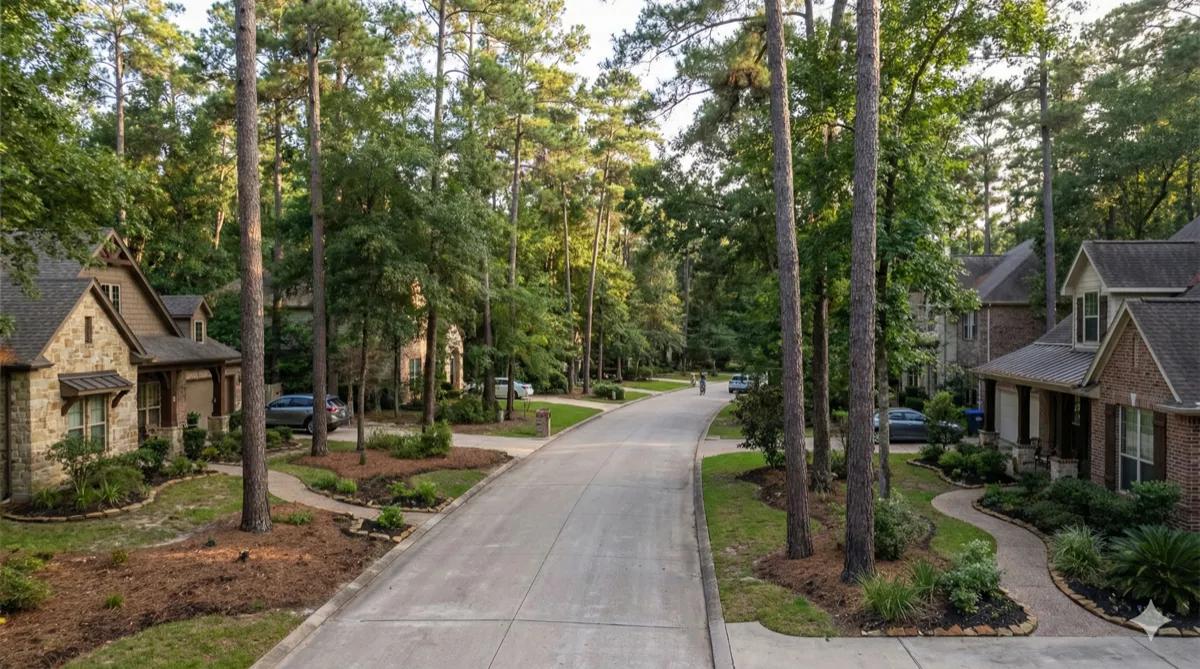
The mature trees.
The established street.
The larger or more distinctive lot.
The updated roof.
The replaced HVAC.
The renovated kitchen.
The privacy.
The location that has become harder to duplicate.
The years of improvements.
The way the home actually lives today.
That is why sellers of established Woodlands homes should not try to hide the property's age.
They should help buyers understand the difference between an older home and a home that feels old.
Those are not the same thing.
Start by Separating Age From Condition
A home can be thirty years old and exceptionally maintained.
Another can be ten years old and already show deferred maintenance.
Year built tells buyers when construction occurred.
It does not tell them:
How the home has been maintained.
What has been replaced.
What has been renovated.
How major systems are functioning.
Your marketing and preparation should make that distinction clear.
Don't Lead With “Older Home”
The property description does not need to apologize.
Avoid language like:
“Older but well cared for.”
That immediately frames age as a weakness.
Better positioning might emphasize:
Established Woodlands setting.
Mature trees.
Thoughtfully updated interiors.
Documented major improvements.
Private lot.
Timeless floor plan.
Let the actual construction year appear where required.
Use the marketing to explain what the years have added.
Mature Trees Can Be One of Your Strongest Advantages
Some features cannot be ordered from a contractor.
A mature tree canopy takes decades.
For many buyers, that creates:
Shade.
Privacy.
Character.
A distinctive streetscape.
Outdoor comfort.
Connection to the natural identity of The Woodlands.
If your property benefits from mature trees, those trees should be visible early in the photography.
Don't Crop Out the Setting
A tight exterior photo may show the house beautifully.
But it can hide:
Trees.
Lot width.
Street character.
Setback.
Landscaping.
If the established setting is part of the value, use at least some wider photography.
The buyer should understand the environment, not just the elevation.
Aerial Photography Can Help Explain the Lot
Where appropriate and professionally captured, aerial photography can help show:
Tree coverage.
Lot shape.
Neighbor spacing.
Green space.
Nearby pathways.
Street position.
The goal is not simply an impressive drone photo.
It is explaining something a ground-level image cannot.
Mature Trees Should Look Like an Asset, Not a Maintenance Concern
Before listing, evaluate trees for:
Dead limbs.
Overhanging branches.
Storm damage.
Obvious health concerns.
Where appropriate, professional trimming or evaluation may improve both appearance and buyer confidence.
You want buyers thinking:
“Beautiful trees.”
Not:
“How much is all of this going to cost?”
Shade Can Be a Lifestyle Feature
A shaded patio.
Tree-covered backyard.
Cooler-feeling walking environment.
These can be meaningful.
Show them.
Especially if the home has:
Pool.
Outdoor dining.
Covered patio.
Large backyard.
The mature environment may improve how those spaces are used.
Established Landscaping Can Add More Than Curb Appeal
Years of landscaping may have created:
Privacy screens.
Full shrubs.
Garden beds.
Large shade trees.
Defined outdoor spaces.
These are difficult to recreate immediately at a newer property.
But they should look intentional.
Trim.
Clean.
Remove dead material.
Refresh where necessary.
Established should not become overgrown.
Location Can Be a Bigger Advantage Than the Year Built
This is often where established Woodlands homes can compete strongly.
Maybe the property is closer to:
The buyer's commute.
Shopping.
Dining.
Trails.
Parks.
Established amenities.
A preferred part of the community.
The buyer can remodel a bathroom.
They cannot move the lot three miles closer to where they want to live.
Explain Location Function, Not Just Geography
Avoid generic:
“Great location.”
Instead, where accurate, help buyers understand:
Easy access to major routes.
Convenient relationship to village shopping.
Nearby pathway access.
Proximity to parks or everyday services.
The benefit should be practical.
The Street Can Be Part of the Value
An established home may sit on:
Quiet interior street.
Cul-de-sac.
Tree-lined road.
Street with larger setbacks.
Street with limited through traffic.
Those details may matter greatly to buyers.
If the street is a strength, photograph or describe it accurately.
Don't Assume Buyers Will Notice the Street on Their Own
They may arrive focused on the kitchen.
Then leave.
Marketing can encourage them to notice:
Trees.
Lot spacing.
Quiet setting.
Pathway access.
Street character.
These are often among the hardest features to reproduce elsewhere.
Renovation History Should Be Organized Before Listing
If the home has been updated over time, create a factual timeline.
For example:
2021 — roof replacement.
2022 — primary bathroom renovation.
2023 — HVAC replacement.
2024 — pool resurfacing.
2025 — kitchen update.
The dates are examples only.
Use actual documentation where available.
This helps buyers see the home as a property that has evolved—not simply one that has aged.
Major Systems Can Completely Change Buyer Perception
An older home with:
Recent roof.
Updated HVAC.
Newer water heaters.
Improved windows.
Updated electrical work where applicable.
may create a very different ownership picture from one where every major system is original.
Make accurate information easy to access.
Don't Bury a Newer Roof Behind the Kitchen Photos
A roof may not be glamorous.
But a buyer comparing an older home against something newer may care significantly.
Include important improvements in:
Listing description.
Seller improvement sheet.
Agent remarks where appropriate.
Marketing materials.
Clarity can reduce age-related assumptions.
HVAC Information Matters Especially in Texas
Buyers may ask:
How many systems?
How old?
When serviced?
If you have documentation, organize it.
An older Woodlands home may have multiple HVAC systems of different ages.
Be precise.
“Updated HVAC” Is Too Vague
Did you replace:
One condenser?
One full system?
Two full systems?
Use actual information.
For example:
“Upstairs HVAC system replaced in 2024.”
Specific facts build more confidence than broad claims.
Water Heaters Deserve the Same Accuracy
If replaced, know:
Year.
Number.
Type where relevant.
Again, buyers are trying to understand whether the home's age translates into near-term expense.
Your information can answer that.
Window Updates Can Be Quietly Valuable
Window replacement can be costly and may improve:
Comfort.
Appearance.
Noise control.
Potential energy performance.
If some or all windows were replaced, provide accurate details.
Do not say:
“New windows.”
if only part of the home was addressed.
Buyers Will Look Beyond Cosmetic Renovation
A renovated kitchen is great.
But experienced buyers may still ask:
What about the roof?
HVAC?
Plumbing?
Electrical?
Foundation?
Pool?
An older home's strongest selling story usually combines:
Presentation.
Plus documented maintenance.
Don't Let a Pretty Kitchen Carry the Entire Listing
If the home has both:
Updated interior
and
strong maintenance history,
market both.
A buyer comparing against newer construction needs to understand that the home is not merely cosmetically refreshed.
But Cosmetic Condition Still Matters
Strong systems do not excuse an interior that feels neglected.
If the property has:
Heavily worn flooring.
Damaged paint.
Broken fixtures.
Dirty grout.
Poor lighting.
buyers may still mentally label it a project.
Your goal is to prevent avoidable cosmetic issues from reinforcing age.
You Do Not Need to Make the Home Look Brand New
This is one of the biggest seller mistakes.
An established home can be beautiful without copying current new-construction design.
You may not need:
White cabinets.
Latest backsplash.
Trendiest flooring.
Modern farmhouse lighting everywhere.
You need:
Clean.
Cohesive.
Well maintained.
Appropriately updated.
Timeless Often Competes Better Than Trendy
A buyer may appreciate:
Quality woodwork.
Traditional millwork.
Well-maintained hardwood.
Classic architecture.
Do not automatically erase those features because they are not the newest trend.
Ask whether they contribute character.
Know the Difference Between Character and Dated
This distinction is subjective, but useful.
Character may include:
Quality millwork.
Built-ins.
Architectural details.
Proportioned rooms.
Hardwood.
Established landscaping.
Dated may feel more like:
Worn finishes.
Old fixtures in poor condition.
Dark presentation.
Damaged materials.
Deferred maintenance.
Preserve the first.
Address the second where strategically appropriate.
Wood Cabinets Are Not Automatically a Problem
Many sellers panic because cabinets are not white.
But buyers may appreciate quality cabinetry if it is:
Clean.
Functional.
Well maintained.
Appropriate to the home's architecture.
If the kitchen is strong, don't repaint simply because another listing has a different color.
Painting Cabinets Can Become a Larger Project Than Expected
It may involve:
Preparation.
Hardware.
Hinges.
Touch-ups.
Drying time.
Potential durability concerns.
If the current cabinetry is good quality, evaluate whether a cosmetic change is actually necessary.
Countertops Can Change Perception More Than Cabinet Color
Sometimes an otherwise functional kitchen feels older because of:
Counters.
Backsplash.
Lighting.
Hardware.
A targeted update may produce enough improvement without a full remodel.
But compare the cost against the likely buyer response.
Don't Renovate for a Buyer Who May Redo It Anyway
Seller chooses:
Tile.
Countertops.
Fixtures.
Spends heavily.
Buyer walks in and says:
“Not my style.”
Before major cosmetic investment, ask whether the market truly requires it.
A clean, functional home priced appropriately can sometimes outperform a rushed renovation.
Flooring Can Make an Older Home Feel Much More Dated
If floors are:
Heavily worn.
Damaged.
Mismatched.
Stained.
they may reinforce the home's age.
This can deserve more attention than smaller decorative details.
But good-condition traditional flooring does not automatically need replacement.
Too Many Flooring Types Can Create Visual Age
One room has tile.
Next room has another tile.
Then carpet.
Then wood.
This may make the floor plan feel fragmented.
You do not always need whole-house replacement.
But understand whether flooring transitions are affecting buyer perception.
Paint Is Often the Most Efficient Reset
A cohesive paint palette can help:
Brighten rooms.
Reduce visual age.
Improve photography.
Unify spaces.
The goal is broad appeal, not stripping personality from the home.
Dark Rooms Can Make Buyers Assume the House Is Older Than It Feels
Heavy paint.
Closed blinds.
Dark furniture.
Tree shade.
Together, they can make an otherwise beautiful home feel dated.
Before replacing anything expensive, improve:
Lighting.
Window exposure.
Paint where appropriate.
Furniture placement.
Clean Windows Matter Even More in The Woodlands
If the home looks toward:
Trees.
Green space.
Pool.
Backyard.
buyers should be able to see it.
Clean glass enhances both:
Natural light.
Connection to the outdoors.
That can help the home feel more current and open.
The Floor Plan Needs to Be Explained Correctly
Established homes may have more:
Defined rooms.
Formal dining.
Separate studies.
Secondary living spaces.
Do not apologize.
Explain functionality.
A formal dining room can become:
Office.
Library.
Music room.
Flexible gathering space.
Depending on layout.
Defined Rooms Can Be a Selling Feature
Remote work.
Children doing homework.
Multiple people using the house at once.
Separate rooms can provide:
Noise control.
Privacy.
Work-from-home flexibility.
The market has room for more than one floor-plan style.
Don't Market Every Wall as Something the Buyer Should Remove
If the home has a more traditional layout, avoid copy implying:
“Open it up and make it modern.”
That tells buyers the existing home is wrong.
Instead, emphasize:
Room size.
Function.
Flexibility.
Architectural character.
Let buyers decide whether they want future changes.
If the Floor Plan Is Truly Awkward, Price Matters More
Some layouts are harder to modernize.
Maybe:
Kitchen is isolated.
Primary bedroom upstairs.
Small closets.
Limited office flexibility.
You cannot always solve these through staging.
The price and buyer targeting may need to account for permanent differences.
Storage Can Help an Older Home Compete
Established homes may offer:
Attic storage.
Built-ins.
Large closets.
Garage cabinetry.
Utility rooms.
Pantry space.
If storage is good, show it.
Buyers often assume older homes have less.
Prove otherwise where you can.
Declutter Storage Aggressively
An overfilled closet makes even a large closet look small.
Pre-pack.
Especially:
Primary closet.
Pantry.
Garage.
Hall storage.
Laundry.
The buyer needs to see capacity.
Garage Configuration Can Be a Major Differentiator
Two-car.
Three-car.
Oversized.
Detached.
Tandem.
Workshop.
Storage area.
In established Woodlands homes, garage design can vary significantly.
If yours is stronger than average, make it visible.
Clean the Garage Enough to Photograph It if It Is a Selling Feature
You don't need decorative staging.
But you do need:
Clear floor.
Visible walls.
Visible depth.
Usable parking.
The buyer should understand what the space provides.
Pools Can Help an Established Home Feel Finished
A mature pool setting with:
Trees.
Landscaping.
Patio.
Shade.
Outdoor kitchen.
may offer a lifestyle that would take years and substantial expense to create elsewhere.
This can be a strong advantage.
Pool Condition Must Support the Story
If the pool is:
Cloudy.
Deck worn.
Equipment visibly neglected.
the feature becomes an expense instead of a benefit.
Know:
Surface history.
Equipment age.
Maintenance.
Relevant documentation.
Mature Pool Landscaping Can Be Difficult to Replicate
A pool surrounded by established trees and landscaping may feel significantly different from a recently installed pool on a newer lot.
Use photography to show:
Shade.
Privacy.
Depth.
Relationship to the home.
But Too Much Tree Cover Can Raise Questions
Leaves.
Roots.
Branches.
Shade.
Buyers may wonder about maintenance.
If tree care is current, having documentation or recent professional work may help.
The goal is showing the landscape has been managed.
The Backyard Can Be a Major Age Advantage
Newer construction may offer a more current interior.
Your established home may offer:
Larger usable yard.
Mature privacy.
Pool.
Outdoor kitchen.
Shade.
Greenbelt.
Those are hard to recreate quickly.
Don't let interior age dominate the marketing when the lot is exceptional.
Photograph the Backyard From Inside Too
Show the view from:
Kitchen.
Family room.
Breakfast area.
Primary bedroom.
If mature trees and privacy are part of the daily experience, buyers should understand that.
Lot Position Can Matter More Than Home Age
A home built decades ago on:
Private greenbelt.
Quiet cul-de-sac.
Large wooded lot.
may offer something newer homes at a similar price cannot.
That permanent difference deserves weight.
Tell the Buyer What Cannot Be Recreated
Not through exaggerated marketing.
Through factual presentation.
Mature trees.
Specific lot type.
Established street.
Location.
Greenbelt relationship.
Pathway access.
Privacy.
These are the assets the home's age helped create.
Don't Ignore Insurance Questions
Depending on current underwriting conditions, buyers may ask about:
Roof.
Construction.
Prior claims.
Certain property features.
Have accurate information available.
Do not promise what the buyer's insurance will cost.
Their quote will be property- and buyer-specific.
An Older Roof Can Create More Concern Than an Older Kitchen
This is often true because the buyer may see the kitchen as optional improvement.
Roof may feel like:
Near-term necessity.
Insurance issue.
Major expense.
If the roof is older, understand its condition and discuss strategy before listing.
Don't Replace a Roof Automatically
Age alone does not dictate strategy.
Consider:
Professional condition information.
Insurance environment.
Market competition.
Replacement cost.
Seller timeline.
Likely buyer response.
Property-specific advice matters.
Foundation Questions May Come Up With Established Homes
Texas buyers may ask.
Do not become defensive.
If the property has:
Past foundation work.
Engineering.
Warranty.
Repairs.
organize available documentation.
If no known issue exists, rely on accurate disclosures and appropriate inspections.
Avoid broad statements like:
“The foundation is perfect.”
Prior Repairs Can Actually Create Confidence When Documented Well
Seller sometimes fears mentioning:
Foundation repair.
Plumbing work.
Roof repair.
But properly completed, documented work can help buyers understand that a problem was identified and addressed.
Disclosure requirements still apply.
Transparency tends to be stronger than uncertainty.
Maintenance Records Can Help Tell the Ownership Story
Consider organizing records for:
Roof.
HVAC.
Pool.
Foundation where applicable.
Plumbing.
Electrical work.
Windows.
Tree work.
Exterior paint.
Major renovations.
Buyers do not need a filing cabinet during the showing.
But a clear summary can be useful.
Create a “What Has Been Updated” Sheet
Keep it simple.
Major Systems
Roof, HVAC, water heaters.
Interior
Kitchen, baths, flooring, paint.
Exterior
Windows, paint, landscaping.
Outdoor
Pool, patio, fencing, tree work.
Use actual years and accurate descriptions.
Don't Call a 2018 Renovation “Recently Updated” Without Context
Current buyers may interpret “recent” differently.
Actual years are clearer.
Kitchen renovated in 2018.
That is factual.
Let the buyer decide how current it feels.
Pricing Needs to Reflect Both Advantages and Age-Related Friction
Established homes can command strong prices.
But sellers need to evaluate:
Condition.
Systems.
Lot.
Location.
Renovations.
Current competition.
If the home is largely original, pricing should acknowledge that.
Mature trees alone do not erase a large renovation gap.
Compare Against Similar-Age Homes First
These may provide useful context for:
Architecture.
Lot.
Neighborhood maturity.
Renovation levels.
Then compare with newer alternatives in the same buyer budget.
Both groups matter.
Buyers Compare Budget More Than Build Year
A buyer with $900,000 does not necessarily search:
“Only homes built from 1995 to 2000.”
They may compare:
Older renovated home in The Woodlands.
Newer home farther out.
Smaller new construction.
Larger established property.
Your home needs to make sense across that budget competition.
Search What Slightly More Money Buys
If another $50,000 gives the buyer:
Newer construction.
Fully renovated interior.
Three-car garage.
similar lot.
they may stretch.
Your price should preserve enough advantage.
Search What Slightly Less Buys Too
If a buyer can spend $50,000 less and get:
Similar age.
Similar lot.
Similar condition.
you need to explain the premium.
Maybe:
Better street.
More privacy.
Pool.
Renovation.
Location.
Don't Price the Home Based on What It Would Be Worth Fully Renovated
Seller thinks:
“If somebody spent $150,000 updating this, it would be worth $1 million.”
Maybe.
But the buyer is purchasing the home today.
If renovation is required, the current price needs to reflect:
Cost.
Time.
Risk.
Inconvenience.
Buyers Discount More Than Contractor Cost
A $50,000 renovation may feel like:
$75,000.
Because the buyer considers:
Construction.
Decisions.
Delays.
Unexpected conditions.
That is why a dated property may require more price separation than the seller expects.
The Opposite Is True for Turnkey Established Homes
If your property already has:
Updated interior.
Newer major systems.
Great lot.
Mature landscaping.
Pool.
Then you may offer an especially strong combination:
Established setting.
Plus modernized ownership.
That should be positioned clearly.
Use the “What Is Actually Old?” Test
Walk through your home and ask:
What is truly old?
Year built?
Yes.
But what about:
Roof?
HVAC?
Kitchen?
Bathrooms?
Windows?
Pool?
If many important components are newer, stop letting the year-built number dominate your thinking.
Use the “What Can’t They Get New?” Test
List the hard-to-recreate features.
Maybe:
Tree canopy.
Lot width.
Greenbelt.
Location.
Street.
Pool landscaping.
Those should anchor the marketing.
Use the “What Still Feels Dated?” Test
Be fair.
Maybe:
Primary bath.
Flooring.
Lighting.
Paint.
Identify the pieces buyers may react to.
Then decide:
Fix.
Refresh.
Or price around.
Use the “Five-Year Comparison” Test
Imagine a buyer chooses a newer home today.
Five years from now, it is no longer new.
Your home is five years older too.
What differences remain?
Location.
Lot.
Trees.
Street.
Privacy.
Those permanent characteristics deserve proper weight.
Use the “No Renovation for Three Years” Test
Would a buyer be comfortable living in the home exactly as it is?
If yes, your property may be more move-in ready than the seller assumes.
If no, understand how much immediate project work buyers may price in.
Use the “Why Would They Choose Ours?” Test
Finish this sentence:
“A buyer should choose our established Woodlands home instead of a newer alternative because…”
You should be able to name three specific reasons.
If not, the positioning needs more work.
Create an Established Woodlands Seller Scorecard
Evaluate:
Location
Does the home offer a meaningful everyday advantage?
Street
Quiet, cul-de-sac, interior, pathway relationship, or other differentiator.
Lot
Privacy, mature trees, greenbelt, size, shape, usability.
Exterior Condition
Does the property look maintained?
Major Systems
What has been replaced, and when?
Interior Condition
Updated, partially updated, or mostly original?
Floor Plan
Does it function well for current buyers?
Storage
Does the home overcome common assumptions about older properties?
Garage
Is configuration a competitive strength?
Outdoor Living
Pool, patio, shade, landscaping, privacy.
Documentation
Are important improvements and repairs organized?
Competition
What do newer homes offer at the same budget?
Pricing
Does the price make the established-home trade-offs compelling?
Now the strategy becomes clearer.
Final Thoughts
An older Woodlands home should not be marketed as:
“Not as new, but still nice.”
That gives away the argument before the buyer even visits.
A strong established property may offer:
Mature trees.
Established streets.
Better privacy.
Distinctive lot.
Finished landscaping.
Pool.
Updated systems.
Renovated interiors.
Location that has become difficult to duplicate.
The key is separating:
age
from
condition.
If parts of the property need work, address them strategically.
If major improvements have already been completed, document them.
If the lot and setting are exceptional, photograph them.
If the home's location is a strength, explain why.
Because buyers are not purchasing a construction date.
They are purchasing the home as it exists today.
And when an established Woodlands property combines a strong location, mature environment, thoughtful maintenance, and a price that makes sense against newer alternatives, its age can stop feeling like the problem.
It can become part of what makes the home impossible to reproduce.
Frequently Asked Questions
Is it harder to sell an older home in The Woodlands?
Not necessarily. Established homes may offer mature trees, strong locations, larger or distinctive lots, privacy, completed outdoor living, and other features that newer properties may not easily replicate.
Should I renovate my older Woodlands home before selling?
Not automatically. Focus on condition, buyer expectations, current competition, likely return, and whether targeted improvements could address the biggest sources of buyer hesitation.
Should I replace older major systems before listing?
It depends on condition, age, market competition, insurance considerations, cost, and seller goals. Obtain appropriate professional information before making major replacement decisions.
How should I market mature trees?
Use photography that clearly shows the canopy, shade, privacy, streetscape, and outdoor setting. Make sure trees are maintained so buyers see them as an asset rather than deferred work.
Do buyers care about renovation documentation?
Yes. Accurate dates, receipts, warranties, permits where applicable, and maintenance records can help buyers understand how the property has been improved over time.
Is a traditional floor plan a disadvantage?
Not automatically. Defined rooms may appeal to buyers who value privacy, quiet work areas, dining space, and separation between activities. Stage and market the function clearly.
Should I compare my older home with new construction?
Yes, if both compete for the same buyer budget. Sellers should understand what newer alternatives offer and what their established home provides in return, such as lot, trees, location, pool, and completed improvements.
Does year built determine home value?
No. Value is influenced by many factors, including location, lot, condition, floor plan, improvements, major systems, competition, and current market demand.
Should I hide the home's age in marketing?
No. The construction year is a factual property characteristic. Instead of apologizing for it, focus marketing on the home's current condition and the advantages that years of established ownership have created.
What's the biggest takeaway?
When selling an older home in The Woodlands, don't try to make the age disappear. Show buyers why the property's location, mature trees, lot, maintenance, improvements, privacy, and established setting may offer something a newer home cannot quickly recreate.