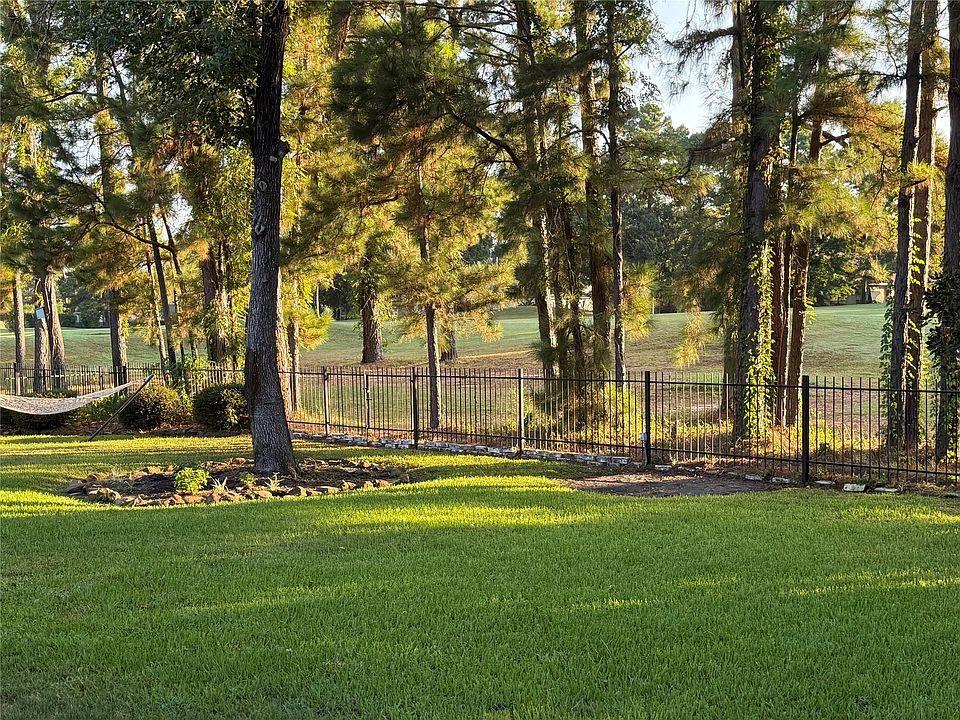
Your Woodforest Lot May Be Worth More—But Can Buyers See Why?
How Do You Sell a Woodforest Home When the Lot Is One of Its Biggest Advantages?
You walk into the backyard and immediately know:
This lot is different.
Maybe there is no house directly behind you.
Maybe you look across green space.
Maybe the property sits along the golf course.
Maybe there is a water view.
Maybe the backyard is unusually large.
Maybe the home sits at the end of a cul-de-sac.
Maybe mature landscaping creates privacy that nearby homes simply don't have.
As the homeowner, you understand the difference.
You have lived it.
Morning coffee outside.
Quieter evenings.
More space between you and neighboring homes.
Views from the kitchen.
Room for the pool.
Shade.
Privacy.
Then you decide to sell and naturally think:
“Our lot should make the home worth more.”
It may.
But there is an important catch.
Buyers do not pay more simply because the listing says:
Premium lot.
They need to understand exactly what the lot adds to their life.
That means the seller has two jobs:
Show the difference.
And price that difference realistically.
First, Stop Using “Premium Lot” as the Entire Explanation
It is one of the most overused phrases in real estate.
Premium lot.
Premium location.
Premium homesite.
But what does that actually mean?
Be specific.
Does the property offer:
Golf-course views?
Greenbelt?
No immediate rear neighbor?
Water feature?
Oversized backyard?
Cul-de-sac?
Extra-wide lot?
More separation from neighboring homes?
A particular view from major living spaces?
Buyers need the reason—not the label.
A Lot Premium Is Really a Lifestyle Premium
Think about why the lot matters.
Not:
Because the builder charged more for it years ago.
But because of what the owner experiences today.
For example:
A greenbelt may provide a more open rear setting.
A golf-course lot may provide expansive views.
A cul-de-sac may reduce through traffic.
An oversized lot may provide more usable outdoor space.
A water-facing setting may create a distinctive view.
Those are lifestyle differences.
That is what buyers can evaluate.
What the Builder Originally Charged Is Not Today's Automatic Premium
You may have paid:
$20,000.
$40,000.
$75,000.
more for the homesite when the house was built.
That is useful historical information.
But today's market decides today's value.
A buyer is not obligated to reimburse the original lot premium dollar for dollar.
The important question is:
How does the current market respond to this lot compared with alternatives?
The Best Way to Understand the Premium Is Through Comparison
Suppose two Woodforest homes are otherwise similar.
Similar:
Size.
Age.
Condition.
Floor plan.
Garage.
One backs to another house.
The other backs to green space.
If the market consistently shows buyers paying more for the second setting, that helps establish evidence of a lot premium.
The cleaner the comparison, the more useful it becomes.
Perfect Lot Comparables May Be Hard to Find
Real estate rarely gives you two identical homes with only one difference.
One comparable may have:
Better lot.
But older kitchen.
Another:
Standard lot.
But pool.
Another:
Golf view.
But larger home.
That is why pricing a premium property usually requires looking at several transactions instead of relying on one sale.
Don't Automatically Use the Highest Sale
Seller sees:
A golf-course property sold for $900,000.
Immediately:
“Ours should be $900,000 too.”
Look closer.
Was it:
Larger?
More renovated?
Pool?
Three-car garage?
Different golf-course position?
Better view?
Premium pricing needs more than one shared feature.
Golf-Course Lots Are Not All the Same
This is especially important.
Two homes can both back to golf and provide dramatically different experiences.
Consider:
How directly the home faces the course.
How broad the view is.
Distance from play.
Landscaping.
Privacy.
Orientation.
Relationship to tees, fairways, or greens.
Outdoor exposure.
Do not price solely from the words:
Golf-course lot.
The View From Inside May Matter More Than the View From the Fence
Walk into your kitchen.
What do you see?
Now:
Family room.
Primary bedroom.
Breakfast area.
Office.
If the lot advantage is visible from major living spaces, that can strengthen the everyday experience.
Make sure the photography captures it.
Buyers Spend More Time Inside Than Standing at the Back Fence
This sounds obvious.
But premium-lot marketing often consists of:
Three backyard pictures.
One drone photo.
Done.
Instead, show how the setting changes the interior.
Kitchen with greenery beyond.
Family room opening toward golf views.
Primary bedroom overlooking trees.
The lot becomes part of the house.
Greenbelt Properties Need Clear Photography
If there is no immediate rear neighbor, make that easy to understand.
A close-up patio photograph may hide the entire advantage.
Use wider angles that show:
Fence line.
Trees.
Depth.
Open space.
Relationship to neighboring homes.
The buyer should understand the setting without needing a diagram.
But Don't Claim Permanent Green Space Without Verification
This matters.
A wooded area behind the property may look permanent.
That does not automatically mean it is protected forever.
If the marketing uses terms such as:
Greenbelt.
Reserve.
Permanent open space.
verify the applicable property or community information.
Do not turn an assumption into a selling claim.
Undeveloped Land Is Not Automatically a Greenbelt
This is especially important in growing areas.
Trees today may become:
Homes.
Road.
Other development.
If the land's status matters to your premium, verify it before building the marketing around it.
Water Views Need the Same Accuracy
A property may:
Back to a community water feature.
Face a pond.
Have a partial water view.
Do not exaggerate.
A partial view should not become:
“Panoramic waterfront living.”
The buyer will see the difference immediately.
Accurate marketing creates stronger trust.
“Waterfront” and “Water View” Are Different
If the lot does not directly meet the water, don't casually call it waterfront.
If there is community-owned land between the property and water, that distinction can matter.
Describe exactly what exists.
Cul-de-Sac Lots Can Be Valuable for Reasons Beyond Traffic
A cul-de-sac may create:
Different lot shape.
Additional front-yard space.
Less through traffic.
Distinctive street setting.
Potentially more backyard width depending on configuration.
But not every cul-de-sac lot is superior.
Walk the property.
Pie-Shaped Lots Can Be Fantastic—or Awkward
A lot may open dramatically toward the back.
Perfect for:
Pool.
Outdoor kitchen.
Play space.
Large lawn.
Another may narrow toward the rear.
Less useful.
The words cul-de-sac tell only part of the story.
Show Usable Space, Not Just Lot Square Footage
You have an oversized lot.
Great.
But what does the buyer get?
Can they see:
Large lawn?
Pool plus remaining yard?
Garden?
Outdoor dining?
Play space?
Pets?
More distance from neighboring homes?
Numbers become more persuasive when paired with use.
Bigger Is Not Always Better
A very large yard may mean:
More mowing.
More irrigation.
More landscaping.
More maintenance.
For one buyer, that's exactly what they want.
For another, it is a burden.
Do not assume every buyer automatically pays more for more land.
Privacy May Be More Valuable Than Raw Size
Imagine:
Property A
Large lot.
But several neighboring homes overlook the backyard.
Property B
Smaller lot.
Dense landscaping.
No immediate rear neighbor.
Which feels more private?
Buyer preferences vary.
This is why:
Lot size
and
lot quality
should not be treated as the same thing.
Show Privacy From Sitting Height
This is one of the best seller tests.
Sit:
On the patio.
By the pool.
At the outdoor dining table.
What do you see?
That is closer to the buyer's actual experience.
Photography from a standing elevated camera can sometimes make a private yard look exposed—or vice versa.
Show the space honestly.
Mature Landscaping Can Increase the Sense of Privacy
Trees.
Shrubs.
Layered landscaping.
These can soften views and create separation.
If landscaping is a major part of the premium:
Trim it.
Clean it.
Maintain it.
Do not allow overgrowth to hide the yard's usable space.
Too Much Landscaping Can Hide the Advantage
A heavily planted yard can become:
Dark.
Crowded.
Smaller-looking.
The goal is enough landscape to frame the lot—not consume it.
Outdoor Living Should Be Connected to the Premium Lot
If you have:
Covered patio.
Outdoor kitchen.
Pool.
Fire feature.
Dining area.
the buyer should understand how those improvements interact with the lot.
For example:
Pool overlooking green space.
Covered patio facing golf views.
Outdoor kitchen positioned toward the water.
Now the lot is part of the entertainment experience.
A Premium View With a Poor Patio Can Leave Value on the Table
Great backdrop.
Tiny uncovered patio.
The buyer may still love the lot.
But they may immediately think:
“We'd have to improve the outdoor living.”
If modest presentation improvements can help the space function better, consider them.
Large construction projects need more careful financial analysis.
Don't Build a $100,000 Outdoor Kitchen Just to Sell the View
This is where sellers over-improve.
The lot is already the asset.
You may only need to improve:
Cleaning.
Furniture.
Lighting.
Landscaping.
Photography.
Not build an entirely new backyard before listing.
Pools Can Magnify the Premium-Lot Experience
A Woodforest home with:
Pool.
Plus greenbelt.
Pool plus golf view.
Pool plus water view.
may provide a distinctive package.
Market the combination.
Not:
Pool in one section.
Lot in another.
Show the lifestyle as one complete outdoor environment.
Pool Condition Still Matters
A premium lot does not make buyers ignore:
Cloudy water.
Damaged decking.
Old equipment.
Surface issues.
A poorly presented pool can distract from the view.
Make sure the outdoor feature supports the lot premium.
Remaining Yard Matters With Pools
Buyers may ask:
Is there still grass?
Room for pets?
Play?
Garden?
Pool equipment?
Show the complete backyard.
Do not photograph only the water surface.
Sunset and Sunrise Can Strengthen the Marketing
If the lot genuinely offers a compelling orientation, consider photography that demonstrates it.
But be accurate.
Do not imply:
Every evening produces dramatic sunset views.
Or that the property faces a direction it does not.
Use lifestyle photography to reveal the setting, not manufacture it.
Twilight Photography Can Be Especially Effective
A strong lot can become more emotionally compelling when buyers see:
Landscape lighting.
Pool lights.
Golf-course backdrop.
Water reflections.
Patio.
But twilight should supplement—not replace—clear daytime photography.
Buyers still need to evaluate the actual lot.
Drone Photography Can Explain the Premium Quickly
Aerial images may help buyers understand:
Golf-course relationship.
Greenbelt.
Lot width.
Cul-de-sac position.
Water feature.
Neighbor spacing.
Community context.
Use them where appropriate and professionally captured.
Don't Let the Drone Photo Become Misleading
The higher the camera goes, the more impressive everything can look.
But too much altitude can make:
Water look closer.
Green space appear larger.
Neighbor separation look different.
Use aerial photography as context.
Not illusion.
Your First Photo Does Not Always Need to Be the Front Exterior
If the home's single strongest feature is:
Pool overlooking the golf course.
That may deserve hero-photo consideration.
If the front elevation is spectacular too, compare both.
The opening image should communicate why the buyer should click.
The Lot Should Appear Early in the Gallery
Do not make buyers wait until photo 32 to discover:
No rear neighbor.
Golf view.
Water.
Huge yard.
The strongest differentiator belongs early.
But Still Sell the House
This is important.
A fantastic lot does not excuse:
Weak interior photography.
Deferred maintenance.
Dark rooms.
Clutter.
The buyer is purchasing both.
Lot plus home.
You want both sides of the property to feel worthy of the price.
A Premium Lot Cannot Rescue an Overpriced House Forever
Seller says:
“But nothing else has our lot.”
True.
Yet buyers still have budgets.
They may choose:
Standard lot with much better interior.
Newer home.
Bigger home.
Lower price.
Different community.
Unique does not mean unlimited pricing power.
Scarcity Can Strengthen Value
If very few comparable premium lots are available, that can create meaningful differentiation.
But scarcity works only when buyers want the feature enough to pay for it.
Rare is not automatically valuable.
Demand matters too.
Ask How Many Buyers Actually Need the Feature
Golf-course view?
Some buyers love it.
Others specifically avoid golf.
Large yard?
Some need it.
Others want lower maintenance.
Water view?
May be highly desirable to one buyer.
Another values interior size more.
The premium is tied to buyer demand.
Golf Buyers and Golf-View Buyers Are Not Always the Same Person
Someone may love the open golf-course scenery without playing golf.
That's useful from a marketing standpoint.
Do not market the property only as:
“Perfect for golfers.”
The lot may appeal more broadly because of:
Open views.
Greenery.
Reduced rear-neighbor presence.
Outdoor setting.
Be Careful With Golf-Course Safety Claims
Do not promise:
“No golf balls ever reach this yard.”
unless you have a factual basis that can truly support such a statement—and even then, future conditions can vary.
If buyers ask, allow them to evaluate the property position.
Show the Actual Relationship to the Course
Aerial imagery and backyard photography can help buyers understand:
Distance.
Orientation.
Landscaping.
That is stronger than unsupported assurances.
Greenbelt Buyers Often Care About Privacy
If your property provides:
No immediate rear neighbor.
Tree backdrop.
Open space.
make that story clear.
But privacy should be demonstrated rather than exaggerated.
“Private Backyard” Is Subjective
A seller may feel the yard is private.
Buyer sees a neighbor's second story.
Better marketing describes facts:
“Backs to wooded green space.”
or:
“No immediate rear residential lot,”
when verified.
Facts let buyers decide whether it feels private enough.
Cul-de-Sac Marketing Should Focus on the Actual Experience
Instead of:
“Highly desirable cul-de-sac!”
show:
Street view.
Lot.
Driveway.
Frontage.
Reduced through-traffic setting where accurate.
Let buyers see the benefit.
Premium Lots Can Affect the Front of the Property Too
Some lots may offer:
Longer driveway.
More setback.
Side-load garage.
Wider frontage.
Distinctive landscaping.
Don't focus only on the backyard if the entire homesite is different.
Side Yards Can Be Surprisingly Valuable
Extra side-yard width may provide:
More separation.
Garden space.
Play space.
Potential outdoor uses subject to restrictions.
If yours is materially larger, show it.
Most listings ignore side yards completely.
Verify What Buyers Can Actually Build
Seller sees open yard.
Says:
“Plenty of room for a casita.”
Be careful.
Future improvements may depend on:
HOA rules.
Setbacks.
Easements.
Permitting.
Utilities.
Lot coverage.
Don't promise future construction feasibility without verification.
The Same Goes for a Future Pool
A large yard may look pool-ready.
But sellers should avoid guaranteeing:
“Plenty of room for a pool.”
unless appropriate due diligence supports the statement.
Safer:
“Spacious backyard offers substantial open lawn.”
Let the buyer investigate construction possibilities.
Easements Can Matter on Large Lots
A large yard may include:
Utility easement.
Drainage easement.
Other restrictions.
That does not make the lot undesirable.
But it can affect what future owners may be able to build.
Accurate property information matters.
Have the Survey Available When Appropriate
An existing survey may help clarify:
Lot boundaries.
Improvements.
Easements shown.
Pool.
Patio.
Other property relationships.
Discuss whether the existing survey can be used in the transaction with your real estate and title professionals.
Don't Market Beyond the Property Boundary
Beautiful wooded area behind the fence?
Great.
But do not imply that land belongs to the property unless it does.
Buyers should understand:
What they own.
What is common area.
What is neighboring land.
The distinction matters.
The HOA May Affect Premium-Lot Features
Questions can arise around:
Fence types.
Landscaping.
Pool additions.
Outdoor kitchens.
Golf-course boundaries.
Water features.
Future modifications.
Have current governing information available where applicable.
Do not guess about what is permitted.
A Premium Lot May Have Additional Maintenance
Golf-course exposure may mean different landscaping needs.
Large lot means more lawn.
Water-facing lot may involve different drainage considerations.
Mature greenbelt setting may mean more leaves.
Premium does not mean maintenance-free.
The right buyer should understand the ownership model.
Do Not Hide Maintenance Trade-Offs
If the property has:
Large landscape.
Pool.
Many trees.
Outdoor kitchen.
that is part of ownership.
The goal is not to scare buyers.
It is to attract buyers who value the lifestyle enough to accept the maintenance.
Drainage Should Be Understood Before Listing
Larger or unusually positioned lots can have different drainage patterns.
Before marketing:
Walk the yard after rain when possible.
Look for:
Standing water.
Drain issues.
Downspout concerns.
Low spots.
If a known drainage problem exists, address it appropriately rather than relying on the beautiful view to distract buyers.
Golf or Greenbelt Doesn't Override Flood Due Diligence
Do not make broad claims such as:
“This lot can never flood.”
Flood and drainage risks are property-specific.
Provide accurate disclosure information and allow buyers to conduct appropriate due diligence.
Price Per Square Foot Is Particularly Weak for Premium Lots
Imagine two 3,500-square-foot homes.
One:
Standard interior lot.
Another:
Exceptional golf-course setting.
A pure price-per-square-foot comparison may fail to capture the lot difference.
But that does not mean price per square foot is useless.
It simply should not be the only tool.
Separate the House Value From the Lot Question Mentally
Ask:
If this home were on a standard lot, where might it compete?
Then ask:
What evidence suggests buyers pay more for this setting?
This is not a formal appraisal method.
It is a useful seller exercise.
Use Paired Comparisons When Available
If you can find:
Similar home.
Similar condition.
Different lot.
their price difference may provide useful insight.
Real-world comparisons are rarely perfect.
But several paired examples can help reveal patterns.
Active Competition Matters Too
Your lot may be unique among recent sales.
But what is available today?
If you are the only:
Golf-view pool home.
Greenbelt three-car garage home.
Oversized cul-de-sac listing.
that scarcity can strengthen the marketing story.
Still, the asking price must remain compelling.
Search What the Buyer Can Get for Slightly More
Your home is $800,000.
At $850,000, can buyers get:
Similar home.
Better lot.
More renovation.
Larger pool.
If yes, they may stretch.
Your premium needs to remain proportionate.
Search Slightly Lower Too
At $750,000, can the buyer find:
Same house.
Standard lot.
If so, ask:
Would the typical buyer pay another $50,000 for your lot difference?
Maybe.
Maybe not.
That is the exact value question sellers need to confront.
Don't Make Up the Premium From Emotion
You've watched:
Sunsets.
Children play.
Deer pass behind the yard.
Years of quiet mornings.
Those memories have enormous personal value.
The buyer is deciding what the physical setting is worth to them.
Personal value and market value are different.
But Don't Under-Market the Emotional Experience Either
Real estate is both financial and emotional.
Use:
Photography.
Video.
Showing preparation.
to help buyers experience what you experienced.
That is how the market begins to understand the lifestyle premium.
Let Buyers Spend Time Outside
If the lot is a major selling feature, make the outdoor space comfortable during showings.
Clean patio.
Appropriate furniture.
Pool ready.
Fans where applicable.
Clear pathway.
The buyer should want to stay outside.
Don't Rush Them Back Into the House
The backyard may be the reason they buy.
Allow the property to sell itself.
Morning and Evening Can Show Different Advantages
Golf or water views may look very different at:
8 a.m.
5 p.m.
Sunset.
If serious buyers return, that's useful.
For marketing, choose lighting that accurately shows the lot at its best.
Keep Landscaping Ready Throughout the Listing
The launch photos look perfect.
A month later:
Grass long.
Pool leaves.
Shrubs overgrown.
That hurts premium positioning.
If buyers are being asked to pay more for the outdoor environment, maintain it consistently.
Premium Price Creates Premium Expectations
If you're asking more because of the lot, buyers may expect the rest of the property to feel appropriately maintained.
They may be less forgiving of:
Broken fence.
Dirty patio.
Neglected pool.
Landscape problems.
Deferred maintenance.
The lot premium should feel supported by the complete property.
Don't Add Avoidable Objections
The buyer is already deciding whether to pay more for the lot.
Do not make them also calculate:
Paint.
Repairs.
Pool cleanup.
Fence replacement.
Reduce friction elsewhere.
Your Listing Description Should Explain the Lot in the First Paragraph
If the lot is one of the top three reasons to buy the home, don't bury it.
Lead with the factual differentiator.
For example:
“Set on a greenbelt homesite with no immediate rear residential neighbor, this Woodforest home combines…”
when accurate.
Now the buyer understands the positioning immediately.
Avoid Empty Superlatives
“One-of-a-kind lot.”
“Best lot in Woodforest.”
“Unmatched view.”
Those claims are difficult to prove.
Specific facts are stronger.
Video Can Be Especially Valuable
A still image may not communicate:
Depth.
Movement.
View transition.
Home-to-yard connection.
A well-produced property video can show the buyer walking:
Kitchen.
Living room.
Patio.
Pool.
View.
That makes the lot feel like part of the floor plan.
Use Drone Video for Context, Not Just Drama
Show:
Property.
Lot.
View.
Surroundings.
Then come back down.
The goal is helping buyers understand what they're purchasing.
The Lot Can Be Part of Resale Appeal—but Don't Guarantee Future Value
A buyer may ask:
“Will this premium lot help resale someday?”
It may influence buyer demand.
But future:
Markets.
Inventory.
Preferences.
Pricing.
cannot be guaranteed.
Discuss current evidence rather than promising future appreciation.
Don't Say Premium Lots “Always Hold Value Better”
That is too broad.
Property performance depends on many factors.
A good current market analysis is more useful than a universal claim.
Appraisal Can Matter When the Lot Premium Is Large
If the buyer is financing, a significant premium may need to be supported within the appraisal analysis.
That can be challenging when comparable premium lots are limited.
This is another reason:
Pricing.
Documentation.
Comparable research.
matter before listing.
The Buyer's Willingness to Pay and Appraisal Are Separate
A buyer may say:
“I don't care. This is the lot we want.”
Excellent.
But their lender's appraisal process is separate.
If your asking price contains a large lot premium, consider appraisal terms carefully when evaluating offers.
Multiple Offers Can Help Show Buyer Demand—but Don't Guarantee Appraisal
Several buyers competing may strengthen confidence that the property is desirable.
It does not guarantee a specific appraised value.
Offer terms still matter.
Use the “Standard Lot” Test
Imagine your home sat on a normal interior lot.
What would still make it competitive?
Kitchen?
Pool?
Garage?
Condition?
This helps separate the lot's role from the rest of the property.
Use the “No House Behind Us” Test
If the key advantage is no immediate rear neighbor, ask:
How much does that change the everyday experience?
View?
Privacy?
Light?
Outdoor use?
Those are the benefits marketing should communicate.
Use the “Would We Pay More?” Test
Pretend you're shopping.
Two otherwise similar homes.
One has your lot.
One does not.
Would you pay the difference you're asking?
Why?
If the answer is unclear, revisit the premium.
Use the “Can Buyers See It Online?” Test
Look at your first ten photos.
Would a stranger understand:
Golf?
Greenbelt?
Water?
Cul-de-sac?
Oversized yard?
If not, the marketing is failing to communicate one of your most valuable features.
Use the “Five-Minute Showing” Test
Within five minutes of entering the property, does the buyer understand why the lot is special?
If they do not see it until the end, change the showing flow or presentation where possible.
Use the “Ordinary Tuesday” Test
The best premium-lot marketing is not only:
Party.
Sunset.
Weekend.
Ask how the setting improves ordinary life.
Kitchen view.
Coffee.
Dog outside.
Evening dinner.
No immediate rear home.
Those everyday moments can create the strongest emotional value.
Create a Woodforest Premium-Lot Seller Scorecard
Evaluate:
Lot Type
Golf course, greenbelt, water view, cul-de-sac, oversized, or another distinctive setting.
Verification
Are your claims about the lot and surrounding land accurate?
View
Where can buyers actually see the premium feature?
Privacy
What objectively creates the sense of separation?
Usable Yard
How much of the lot supports everyday activities?
Outdoor Living
Does the patio, pool, or kitchen take advantage of the setting?
Landscaping
Does it enhance or hide the lot?
Photography
Can buyers understand the lot online?
Drone
Would aerial context materially help?
Interior Connection
Is the view visible from important rooms?
Competition
What standard and premium lots are currently available?
Recent Sales
What evidence exists for a premium?
Pricing
Is the premium defensible rather than emotional?
Appraisal
Could the pricing require especially careful appraisal consideration?
Maintenance
Are outdoor areas being presented at a level consistent with premium positioning?
Now you have a strategy based on what the lot actually contributes.
Final Thoughts
A great Woodforest lot can absolutely be one of the strongest reasons a buyer chooses your home.
Golf course.
Greenbelt.
Water view.
Cul-de-sac.
Extra land.
Privacy.
No immediate rear residential lot.
Those differences can shape the experience of living in the property every day.
But sellers make two common mistakes.
The first is under-marketing the lot.
One backyard photo.
Generic description.
Buyers barely notice what makes the property different.
The second is overpricing the lot.
“We paid a premium for it, so someone else has to pay us that premium plus more.”
The market does not work quite that neatly.
The better strategy is to make the lot impossible to miss while keeping the value grounded in actual buyer behavior and comparable market evidence.
Show the view from inside.
Photograph the backyard correctly.
Use drone context when it adds real information.
Verify greenbelt, water, and property-boundary claims.
Explain the everyday benefit.
Maintain the outdoor areas beautifully.
And price the home so the buyer can say:
“Yes, this costs more than the standard-lot home—and I can clearly see what I'm getting for the difference.”
That is when a premium lot stops being a seller's opinion.
It becomes part of the buyer's reason to choose the home.
Frequently Asked Questions
Does a premium lot automatically increase a Woodforest home's value?
Not by a fixed amount. Golf-course settings, greenbelts, water views, privacy, cul-de-sacs, and larger lots may influence buyer demand, but the premium depends on the specific property, market evidence, and current competition.
Should I use the lot premium I originally paid to determine today's value?
Not by itself. The original builder premium provides historical context, but today's market determines what current buyers are willing to pay.
Is a golf-course lot always worth more?
No. Golf-course position, view, privacy, property condition, outdoor exposure, and current buyer demand all matter.
Does a greenbelt automatically mean the land behind my house can never be developed?
No. Verify the actual status and ownership of surrounding land before making claims about permanent open space or future development.
Should I use drone photography for a premium Woodforest lot?
It can be particularly helpful when it accurately explains golf-course position, green space, water features, lot size, cul-de-sac placement, or neighbor separation.
Is a larger lot always better for resale?
Not necessarily. Some buyers value additional space while others prioritize lower maintenance, privacy, better orientation, or more functional outdoor areas.
How should I price a premium lot if there are few comparable sales?
Analyze multiple relevant properties, including standard-lot and premium-lot sales, active competition, condition differences, and current buyer response rather than relying on a single sale or a fixed lot-premium formula.
Can an appraiser recognize a premium lot?
Appraisal analysis can consider relevant property and site characteristics, but the amount of any market contribution depends on available evidence and the appraisal methodology used. Sellers should avoid assuming a predetermined adjustment.
Should the premium lot appear early in my listing photos?
Yes, when it is one of the property's strongest differentiators. Buyers should be able to understand the lot advantage early in the online presentation.
What's the biggest takeaway?
Don't simply tell buyers your Woodforest home has a “premium lot.” Show them exactly what makes it different, how that difference improves everyday living, and why the asking-price premium makes sense compared with the alternatives they can buy today.