Lake Conroe Waterfront Insurance Guide: What Homebuyers Should Know Before Purchasing (2026 Guide)
Buying a waterfront home around Lake Conroe can be an exciting opportunity, but it also requires a careful look at insurance. A lakefront property may include features that a typical suburban home does not have, such as a private dock, boat lift, bulkhead, shoreline improvements, or additional outdoor structures.
Before closing, buyers should understand what their homeowners policy may cover, whether flood insurance is required or recommended, and how waterfront features should be evaluated. Flood insurance is especially important to review because most standard homeowners policies do not cover flood damage, according to the Texas Department of Insurance.
Homeowners Insurance vs. Flood Insurance
One of the most important distinctions for waterfront buyers is the difference between homeowners insurance and flood insurance.
A standard homeowners policy typically protects against certain covered losses such as fire, wind, theft, liability, and specific types of water damage. However, flood damage is usually excluded and requires a separate flood insurance policy.
Flood insurance is designed to cover direct physical losses caused by flooding. FEMA’s National Flood Insurance Program explains that building coverage and contents coverage are purchased separately and have separate deductibles.
When Is Flood Insurance Required?
Flood insurance may be required if the home is located in a high-risk flood area and the buyer has a mortgage from a government-backed lender. FEMA states that homes and businesses in high-risk flood areas with mortgages from government-backed lenders are required to carry flood insurance.
Even when flood insurance is not required by a lender, buyers may still want to consider it. Some lenders may require flood coverage even outside high-risk flood zones, and waterfront buyers should ask their lender and insurance professional what applies to the specific property.
Why Waterfront Buyers Should Review Flood Risk Carefully
Lakefront homes may have different risk considerations than interior homes.
Buyers should evaluate:
Flood zone designation
Elevation of the home
Proximity to the shoreline
Drainage patterns
History of water intrusion
Dock and shoreline conditions
Any required lender coverage
A home does not have to be directly on the water to experience flooding. Heavy rainfall, drainage issues, and storm-related water accumulation can affect properties in many locations.
Dock and Boat Lift Coverage
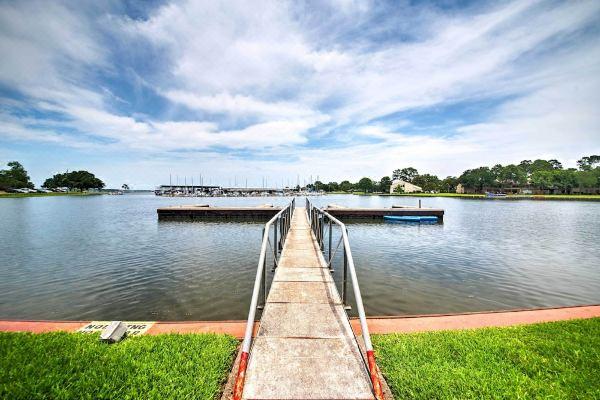
If the property includes a private dock, boat slip, boat lift, or other waterfront structure, buyers should ask specifically how those features are covered.
Questions to ask your insurance provider include:
Is the dock covered under the homeowners policy?
Is the boat lift covered?
Are detached structures covered separately?
Are there exclusions for water-related damage?
Are wind, hail, or storm losses handled differently?
Are there coverage limits for outdoor structures?
Do not assume that a dock is automatically covered the same way as the home. Coverage depends on the policy language and insurance carrier.
Shoreline Improvements and Bulkheads
Many waterfront homes include shoreline improvements such as retaining walls, bulkheads, riprap, or other stabilization features.
These improvements may require special attention because they can be expensive to maintain or repair.
Buyers should ask:
Are shoreline improvements covered?
Are they excluded from the policy?
Is separate coverage available?
Who is responsible for maintenance?
Have repairs been completed in the past?
The San Jacinto River Authority notes that its Lake Conroe Division regulates and licenses activities including residential docks, boat slips, residential bulkheads, and related lake uses. Buyers should verify permitting and maintenance details for waterfront improvements before purchasing.
Insurance Questions to Ask Before Closing
Before purchasing a waterfront home, buyers should ask their insurance professional:
What homeowners coverage is available for this property?
Is flood insurance required by the lender?
Is flood insurance recommended even if not required?
What is the flood zone designation?
Are docks, boat lifts, and bulkheads covered?
What deductibles apply?
Are there separate wind or hail deductibles?
Are outdoor kitchens, pools, or detached structures covered?
Are there exclusions related to water, erosion, or shoreline movement?
These questions should be answered before the option period ends whenever possible.
The Inspection and Insurance Connection
Insurance and inspections often overlap.
A property inspection may identify issues that affect insurability, such as:
Roof age
Electrical systems
Plumbing condition
Dock condition
Bulkhead condition
Drainage concerns
Tree overhang near structures
Buyers should share relevant inspection findings with their insurance professional so coverage options can be evaluated accurately.
Waterfront Homes May Require More Documentation
Insurance carriers may request details about the property before issuing coverage.
This may include:
Age of the home
Roof age
Construction type
Elevation information
Dock details
Photos of the property
Prior claims information
Distance from the water
Starting the insurance process early can help avoid delays before closing.
Do Not Wait Until the Last Minute
Insurance should not be treated as a closing-week detail.
For waterfront homes, buyers should begin gathering quotes as soon as they are under contract. This gives time to compare coverage, review exclusions, confirm lender requirements, and identify any concerns before deadlines pass.
A beautiful lakefront home can still become a poor fit if insurance costs or coverage limitations do not align with your expectations.
Final Thoughts
Insurance is one of the most important parts of buying a Lake Conroe waterfront home. Before purchasing, buyers should understand the difference between homeowners insurance and flood insurance, confirm lender requirements, ask about dock and shoreline coverage, and review the property’s specific risk factors.
A waterfront home can offer an incredible lifestyle, but the most confident buyers are the ones who understand both the beauty and the responsibilities that come with lakefront ownership.
Frequently Asked Questions
Does homeowners insurance cover flooding?
Most standard homeowners policies do not cover flood damage. Buyers generally need a separate flood insurance policy for flood protection.
Is flood insurance required for every Lake Conroe waterfront home?
Not necessarily. Requirements depend on the property’s flood zone, lender requirements, and loan type. Homes in high-risk flood areas with government-backed mortgages are generally required to carry flood insurance.
Does flood insurance cover personal belongings?
Flood insurance can include contents coverage, but building coverage and contents coverage are purchased separately and have separate deductibles. Buyers should review policy details carefully.
Are private docks automatically covered?
Not always. Dock coverage depends on the homeowners policy, endorsements, exclusions, and carrier guidelines. Buyers should ask their insurance agent directly.
Should I get insurance quotes before making an offer?
At minimum, buyers should begin insurance research early in the contract process. Waterfront homes can have coverage considerations that differ from interior homes.
Who regulates docks and bulkheads on Lake Conroe?
The San Jacinto River Authority’s Lake Conroe Division regulates and licenses activities including residential docks, boat slips, and residential bulkheads.