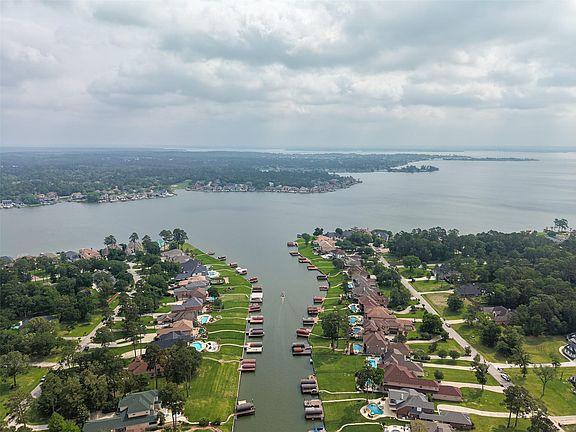
Quiet on Tuesday, Busy on Saturday: Which Version of Lake Conroe Are You Buying?
You schedule a showing for Tuesday at 11:00 a.m.
Perfect weather.
You walk outside.
The lake is calm.
Almost nobody is around.
You hear birds.
A boat passes occasionally.
You sit on the patio and think:
“I cannot believe how peaceful this is.”
And maybe it usually is.
But before buying, come back Saturday afternoon.
Because Lake Conroe isn't one experience.
It can have different rhythms depending on:
Day.
Time.
Season.
Weather.
Exact location.
Nearby recreation.
And what happens around your particular property.
The home you're buying Tuesday morning is the same home you'll own Saturday afternoon.
Make sure you like both.
Lake Living Has a Rhythm
This is one of the things relocators may not immediately realize.
Residential lake areas can feel different during:
Weekday mornings.
Friday evenings.
Saturday afternoons.
Sunday evenings.
Summer.
Winter.
Holiday weekends.
That doesn't mean one period is better than another.
It means buyers should understand the lifestyle they're choosing.
Start With Your Version of Lake Life
When you picture living on or near Lake Conroe, what do you see?
Maybe:
Quiet coffee on the dock.
Fishing.
Boating.
Friends coming over.
Music.
Restaurants.
Jet skis.
Swimming.
Sunsets.
A lively weekend.
Or maybe you imagine almost complete quiet.
Those are different expectations.
Your location should match yours.
Don't Ask Whether Lake Conroe Is “Quiet”
That's too broad.
Ask:
“How does this particular property feel at the times we care about?”
A home tucked into one residential setting may create a very different experience from one closer to:
Open water.
Marinas.
Boat launches.
Restaurants.
Resorts.
Recreation areas.
Higher-activity routes.
Specific location matters.
Visit on Saturday
If weekend activity matters to you, this may be one of the most useful things you do.
Don't simply drive through.
Park.
Walk outside.
Sit on the patio.
Stand on the dock if appropriate.
Listen.
Watch the water.
How much activity is there?
Do you like it?
That's the question.
Some Buyers Want the Activity
Let's make this clear.
Boat traffic isn't automatically negative.
For some buyers, it's exactly why they're purchasing near the lake.
They want:
Energy.
Boats.
Friends.
Restaurants.
Music.
People enjoying the water.
They want the lake to feel alive.
A property that is extremely quiet may actually feel too removed for them.
Other Buyers Want a Retreat
Another buyer wants:
Coffee.
Book.
Fishing rod.
Quiet water.
Minimal activity.
They may prefer a property with a more sheltered or residential feeling.
Again, neither buyer is right.
The mistake is buying one lifestyle while expecting the other.
Cove and Open-Water Settings Can Feel Different
Waterfront configuration can influence the atmosphere around a property.
A more protected location may feel different from a home with broader exposure to open water.
Consider:
Views.
Boat activity.
Wave action.
Wind.
Noise.
Water access.
Don't choose based solely on the bigger view.
Choose based on the complete experience.
Boat Traffic Can Affect More Than Sound
Depending on location and conditions, boat activity can also influence:
Water movement.
Dock experience.
Swimming comfort.
Kayaking.
Paddleboarding.
Other waterfront activities.
If you plan to use the water directly behind the home, observe how that area functions during active periods.
Your Paddleboard Dream Deserves a Reality Check
You imagine:
Wake up.
Coffee.
Paddleboard.
Perfect.
Now ask:
What is the water like at the time I'd actually go?
Early morning may be ideal.
Afternoon may be completely different.
Your preferred activity and preferred time matter.
The Same Goes for Swimming
If you plan to swim from the property, investigate whether the waterfront configuration and conditions are appropriate for how you intend to use it.
Consider:
Boat activity.
Water depth.
Access.
Dock configuration.
Other safety considerations.
Don't assume every lakefront backyard creates the same swimming environment.
Marinas Can Be Either Convenient or Too Active
Being near a marina may be incredibly useful.
Fuel.
Boat services.
Storage.
Access.
Supplies.
For a serious boater, proximity can be a major advantage.
But nearby marina activity may also create a different environment than a more purely residential location.
Decide how much convenience matters.
Boat Launches Can Change Traffic Patterns
If there's a public or heavily used boat launch nearby, weekend traffic may differ from weekday traffic.
That doesn't automatically make the location undesirable.
But if your route home passes a popular launch area, test it during the times you'd actually travel.
The lake experience begins before you reach the dock.
Restaurants on the Water Can Be a Lifestyle Feature
For some buyers, one of the pleasures of Lake Conroe is being able to enjoy waterfront dining and entertainment.
If that's part of your vision, proximity may be valuable.
But homes near popular activity areas can feel different from homes in quieter residential pockets.
Again:
Convenience versus separation.
Know your preference.
Short-Term Rentals Deserve Research
Depending on the community and property, short-term rental rules may vary.
If this matters to you, investigate:
HOA restrictions.
Deed restrictions.
Applicable local rules.
Current neighborhood conditions.
Do not assume short-term rentals are either universally permitted or universally prohibited.
Property-specific research matters.
Why Would a Buyer Care About Nearby Rentals?
Maybe you don't.
But some buyers care about:
Turnover.
Parking.
Weekend occupancy.
Noise.
Neighborhood consistency.
Others appreciate being in an area with a vacation atmosphere.
If nearby short-term rental activity matters to your enjoyment of the property, investigate rather than assume.
And If You Plan to Rent Your Home, Verify First
You may think:
“We'll use it most of the year and rent it occasionally.”
Before building that income into your financial plan, verify whether your intended rental use is permitted.
Review:
HOA documents.
Deed restrictions.
Insurance requirements.
Applicable regulations.
Lender considerations where relevant.
Tax implications with appropriate professionals.
Potential rental income should not be treated as guaranteed.
Holidays Deserve Their Own Category
Memorial Day weekend.
Fourth of July.
Labor Day weekend.
Holiday periods can create very different lake activity from an ordinary Tuesday.
You don't necessarily need to experience every holiday before buying.
But understand that peak periods may not resemble your weekday showing.
If you're sensitive to activity, ask questions and research.
Summer and Winter Can Feel Like Different Places
Summer naturally brings more recreational use.
Cooler months may feel quieter.
That seasonality can be part of the appeal.
Some buyers love the changing rhythm.
Others want consistency.
Think about when you'll use the property most.
Full-Time Residents and Weekend Owners May Want Different Things
If this is your primary home, you're experiencing Lake Conroe:
Monday.
Tuesday.
Wednesday.
Every week.
Your priorities may include:
Commute.
Groceries.
Healthcare.
Schools if applicable.
Daily errands.
Quiet evenings.
A second-home buyer may prioritize:
Friday arrival.
Boat access.
Entertainment.
Weekend recreation.
Lock-and-leave convenience.
Same lake.
Different purchase criteria.
Test Friday Afternoon
This is especially useful if you'll commute to the property for weekends.
Drive the route at the time you expect to arrive.
How does it feel?
How long does it take?
What happens around the lake area as weekend traffic increases?
Your “lake house” experience includes getting there.
Full-Time Buyers Should Test Monday Morning
If you commute from Lake Conroe, reverse the experiment.
Leave the potential home at the time you'd normally go to work.
Don't rely solely on a generic map estimate.
Test the actual route when practical.
A beautiful lake view doesn't shorten Monday morning.
Restaurants and Groceries Matter More Than Buyers Think
Waterfront buyers understandably focus on the water.
Then they move in and realize they still need:
Groceries.
Pharmacy.
Coffee.
Dinner.
Hardware store.
Healthcare.
Normal life.
Map your regular destinations from the specific property.
Lakefront beauty and everyday convenience should be evaluated together.
The “Five-Minute Errand” Test Works Here Too
Pretend you're home at 8:00 p.m.
You realize you're out of something.
Where do you go?
How long does the round trip take?
Would that bother you?
Maybe not.
But understand the trade.
Sound Carries Differently Around Water
Waterfront environments can create surprising sound experiences.
Something that looks far away may still be audible.
That's another reason to sit outside rather than judging only visually.
Spend ten quiet minutes.
No conversation.
No REALTOR® explaining features.
Just listen.
Your Windows Matter
Close the doors.
Go inside.
How much outside activity can you hear?
Then open the doors.
Different homes may manage exterior sound differently depending on:
Construction.
Windows.
Orientation.
Distance.
Landscaping.
If quiet interiors matter, experience them.
Privacy Can Change Between Tuesday and Saturday
Tuesday:
Nobody on the water.
Backyard feels completely private.
Saturday:
Boats passing.
Neighbors outside.
Guests on nearby docks.
Different experience.
You need to know whether both versions feel comfortable.
Don't Assume a Larger Lot Means More Privacy
Waterfront privacy depends on more than acreage.
Look at:
Dock placement.
Neighboring patios.
Home orientation.
Windows.
Shoreline shape.
Landscaping.
Water traffic.
A smaller property may sometimes feel more private because of how it's positioned.
Neighborhood Streets Have Rhythms Too
Don't focus exclusively on the lake.
Walk the street.
Is it:
Mostly full-time residents?
A mixture?
Active on weekends?
Quiet?
Do people walk?
Are golf carts or recreational vehicles common where permitted?
How does parking look during gatherings?
The street is part of the property experience.
Talk to Neighbors When Appropriate
If you naturally encounter someone nearby and they are willing to talk, you may learn useful lifestyle information.
Good questions aren't:
“Is this a good neighborhood?”
That's subjective.
Ask:
“What surprised you most after moving here?”
Or:
“How different are weekends from weekdays?”
Those answers can be much more useful.
Don't Treat One Person's Opinion as Fact
A neighbor may love activity.
You may hate it.
Another may complain about something you'd never notice.
Use conversations as perspective.
Then verify objective information independently.
Compare Two Lake Conroe Homes on Lifestyle, Not Just Features
Home A
Bigger lake view.
Closer to activity.
More open-water feeling.
Home B
Smaller view.
More protected setting.
Quieter-feeling waterfront.
Which wins?
You cannot answer from square footage.
The decision depends on how you want the lake to feel.
The More Expensive View Isn't Automatically the Better Lifestyle
A huge open-water view can be spectacular.
But if your priority is:
Quiet kayaking.
Protected dock.
Less activity.
A different property may suit you better.
Don't pay extra for a waterfront characteristic that works against your lifestyle.
The Quiet Property Isn't Automatically Better Either
If you bought Lake Conroe because you want:
Boating.
Waterfront restaurants.
Friends.
Weekend activity.
A lively lake environment.
then a very secluded location might leave you driving or boating farther to reach the experience you wanted.
Your priorities decide the value.
Create a Lake Lifestyle Score
For serious contenders, rate:
Weekday Quiet
How does the property feel during normal weekdays?
Weekend Energy
How much activity is present?
Boating Convenience
How easily does the location support your boating plans?
Outdoor Privacy
How comfortable does the backyard and dock feel?
Everyday Convenience
How practical are errands and routine destinations?
Entertainment Access
How easily can you reach the places you'll actually use?
Commute
If applicable, how does the location affect work travel?
Now compare.
This may reveal more than another interior showing.
Use the “Saturday at 3 p.m.” Test
This may be the most important test in this article.
Imagine it's July.
Saturday.
3 p.m.
The lake is active.
Would you look outside and think:
“This is exactly why we bought here.”
Or:
“I wish this were quieter.”
Your answer matters.
Then Use the “Tuesday at 7 a.m.” Test
Now it's calm.
Coffee.
Water.
Sunrise.
Almost nobody around.
Would you think:
“Perfect.”
Or:
“This feels too quiet.”
Again, useful information.
Your Ideal Property Should Survive Both Tests
You don't have to love Tuesday and Saturday equally.
But neither should make you regret the location.
That's the balance.
Final Thoughts
Lake Conroe isn't one lifestyle.
It's many.
Quiet coves.
Open water.
Residential neighborhoods.
Boating activity.
Weekend energy.
Peaceful mornings.
Restaurants.
Marinas.
Vacation homes.
Full-time residences.
And those experiences can exist surprisingly close to one another.
That's why buyers shouldn't ask only:
“Do we want to live on Lake Conroe?”
Ask:
“Which version of Lake Conroe do we want to live in?”
Visit the property on different days.
Different times.
Listen.
Watch the water.
Drive the roads.
Run an errand.
Experience the neighborhood.
Because the Tuesday morning showing may be beautiful.
And the Saturday afternoon may be completely different.
The goal isn't finding the quietest property.
Or the busiest.
It's finding the Lake Conroe property whose rhythm feels like your version of lake life.
Frequently Asked Questions
Is Lake Conroe busier on weekends?
Recreational activity can vary by location, season, weather, holidays, and time of day. Buyers who care about activity levels should experience the specific property during different periods when practical.
Are homes in coves always quieter?
Not necessarily. The experience depends on the specific location, nearby properties, water access, boat traffic, marinas, recreation, and other factors.
Should I worry about being near a marina?
Not automatically. Marina proximity can provide significant convenience for boaters. Buyers should simply evaluate the specific location and determine whether the activity level fits their preferences.
Are short-term rentals allowed around Lake Conroe?
Rules can vary by property, HOA, deed restrictions, and applicable regulations. Buyers should verify the specific property's current restrictions before relying on either rental use or rental limitations.
Should I visit a Lake Conroe property more than once?
If location and waterfront lifestyle are major reasons for purchasing, visiting at different times or days can help you better understand activity, traffic, sound, privacy, and overall atmosphere.
What's the biggest takeaway?
Don't decide how a Lake Conroe property feels from one showing. Experience the location during the times you'll actually use it. The best property is the one where the weekday calm and weekend rhythm both fit the lake lifestyle you want.