Why Mature Trees Continue to Be One of Spring TX's Most Valuable Community Features (2026 Guide)
When buyers begin comparing homes, kitchens and floor plans often receive the most attention. Yet after living in a neighborhood for several years, many homeowners discover that one of the features they appreciate most isn't inside the house at all—it's the mature trees surrounding it.
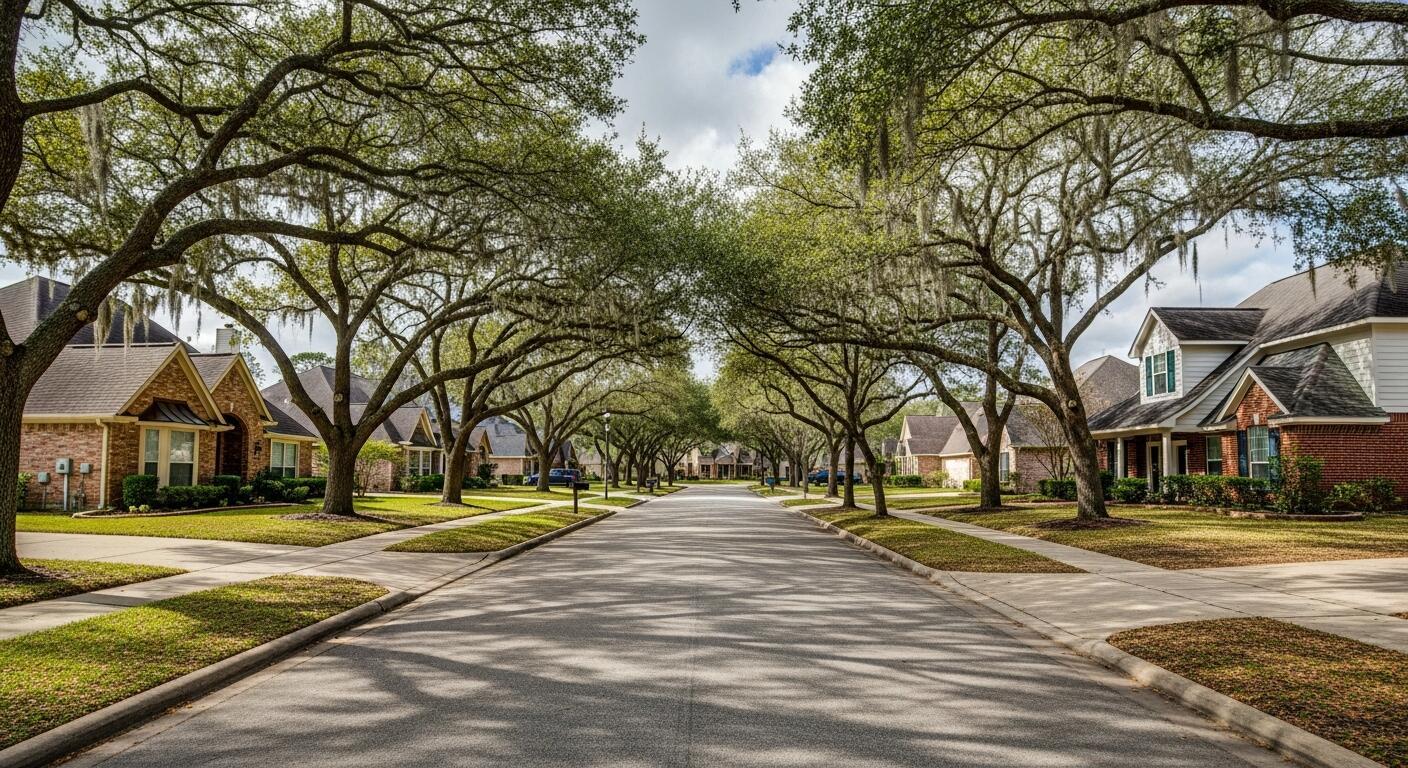
Spring is home to many established neighborhoods where towering oaks, pines, and other native trees have become part of the community's identity. These trees contribute far more than visual beauty. They influence how neighborhoods feel, how residents experience outdoor spaces, and how the community changes with the seasons.
For buyers searching throughout North Houston, understanding the value of mature landscaping can provide another perspective when comparing neighborhoods.
Trees Give Neighborhoods Their Character
Every community develops its own appearance over time.
In many Spring neighborhoods, mature trees create:
Distinctive streetscapes
Attractive entrances
Natural variety
Welcoming residential environments
Instead of rows of newly planted saplings, established neighborhoods often provide an appearance that has developed gradually over decades.
For many buyers, that sense of permanence is immediately noticeable.
Natural Shade Makes Outdoor Living More Comfortable
Texas summers can bring long periods of warm weather, making shade a valuable part of everyday life.
Large trees often help provide:
Cooler sidewalks
More comfortable backyards
Shaded patios
Pleasant walking conditions
Protection from direct afternoon sun
These benefits encourage residents to spend more time outdoors throughout much of the year.
Seasonal Changes Add Visual Interest
Although Southeast Texas doesn't experience dramatic seasonal color like northern states, established trees still create subtle changes throughout the year.
Residents often enjoy:
Spring blooms
Fresh green foliage
Summer shade
Autumn color variation
Evergreen pines providing year-round beauty
These natural changes help neighborhoods feel dynamic rather than static.
Trees Enhance Privacy
Privacy is one of the most requested features among homebuyers.
Mature landscaping often creates natural screening between homes by:
Softening property lines
Reducing direct sightlines
Surrounding outdoor living areas
Framing backyard spaces
While every property is different, tree coverage frequently contributes to a greater sense of separation than fencing alone.
Established Landscaping Supports Outdoor Activities
Many residents spend time outdoors throughout the year.
Shaded neighborhoods make activities such as:
Walking
Jogging
Cycling
Playing with children
Walking pets
Visiting neighbors
more enjoyable during warmer months.
This encourages a more active outdoor lifestyle without leaving the community.
Neighborhoods Feel More Established
One characteristic buyers often describe is how an established neighborhood "feels."
Mature landscaping contributes to that impression by creating:
Visual depth
Natural beauty
A sense of history
Softer residential streets
Consistent neighborhood character
These qualities cannot be created overnight and often become one of a community's defining characteristics.
Trees Complement Home Architecture
Landscaping influences how homes are perceived.
Large trees help frame homes by:
Highlighting architectural features
Softening rooflines
Creating balanced front elevations
Enhancing curb appeal
This combination of architecture and landscaping contributes to attractive residential streets throughout Spring.
Consider Maintenance Responsibilities
While mature trees provide many benefits, buyers should also understand the responsibilities that accompany them.
Depending on the property, maintenance may include:
Seasonal leaf cleanup
Tree pruning
Monitoring tree health
Routine landscape care
Understanding these needs helps buyers choose a property that fits both their lifestyle and maintenance preferences.
Compare Neighborhoods Beyond the House
As you tour homes, take a few extra minutes to observe the surrounding streets.
Notice:
Tree canopy
Sidewalk shade
Front yard landscaping
Community green spaces
Overall neighborhood appearance
These features influence everyday living just as much as the home's interior.
Final Thoughts
Mature trees are one of Spring's most enduring assets. They contribute to neighborhood character, provide welcome shade during Texas summers, create attractive streetscapes, and encourage residents to spend more time outdoors.
While kitchens and floor plans may capture attention during a showing, the surrounding landscape often becomes one of the features homeowners appreciate most after living in the neighborhood for years.
For buyers exploring Spring, taking time to evaluate the community's mature landscaping can provide valuable insight into the lifestyle each neighborhood offers.
Frequently Asked Questions
Why do buyers value mature trees?
Many buyers appreciate mature trees because they provide shade, enhance curb appeal, increase privacy, and contribute to the overall character of a neighborhood.
Are mature trees common throughout Spring?
Many established Spring neighborhoods feature large oak, pine, and native trees that have grown over several decades.
Do mature trees affect outdoor living?
Yes. Shade from established trees can make patios, sidewalks, parks, and backyards more comfortable during warm weather.
Should buyers inspect large trees before purchasing a home?
Buyers may wish to have mature trees evaluated by a qualified professional if they have questions about health, maintenance, or safety.
Why do established neighborhoods feel different from newer communities?
In addition to architectural variety, mature landscaping, larger trees, and long-established green spaces often create a more settled and visually diverse environment.