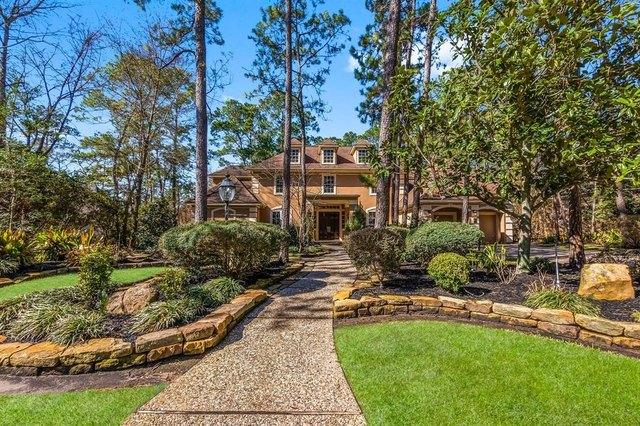
The House Fits Your Budget—But Have You Priced What It Costs to Live There?
Moving to The Woodlands? The Purchase Price Is Only the Beginning of Your Housing Budget
You find the house.
It fits the budget.
The mortgage estimate looks comfortable.
You can afford the down payment.
Everything seems good.
Then you begin adding:
Property taxes.
Insurance.
HOA-related costs.
Utilities.
Pool maintenance.
Landscaping.
Pest control.
HVAC service.
Tree maintenance.
Suddenly:
“We can afford a $900,000 house”
becomes a much more complicated statement.
This is especially important when relocating from another state.
Housing costs that were minor where you currently live may be more significant here.
Other expenses you pay today may disappear.
The goal is not to decide whether The Woodlands is:
Expensive.
Affordable.
Cheap.
Or costly.
Those words mean very little without context.
The smarter goal is to understand:
What will this specific home realistically cost our household to own every month and every year?
Start With the Monthly Payment—but Do Not End There
Your lender can help estimate:
Principal.
Interest.
Property taxes.
Homeowners insurance.
Potential mortgage insurance where applicable.
But a mortgage payment does not represent every homeownership expense.
Build a separate ownership budget.
Property Taxes Deserve Early Attention
Texas property taxes can surprise buyers relocating from states with very different tax structures.
Do not estimate taxes simply by looking at:
Purchase price × one generic percentage.
Property-specific taxes can involve different taxing jurisdictions and circumstances.
Review the Actual Property
For serious homes:
Review current tax information.
Ask how exemptions may affect future ownership.
Understand that the seller's current tax bill may not necessarily equal yours.
Do Not Budget From the Seller's Tax Payment Alone
A seller may have:
Different exemptions.
Different assessed value circumstances.
Different ownership history.
Use appropriate current property-specific estimates.
The Absence of Texas State Individual Income Tax Does Not Make Property Taxes Irrelevant
Relocators sometimes say:
“Texas has no state income tax, so we'll save a lot.”
Perhaps your overall tax picture changes favorably.
Perhaps not.
That is a broader financial question.
Do not allow one tax category to replace a full housing-cost analysis.
Insurance Should Be Quoted Before You Buy
Do not assume:
“It's probably about what we pay now.”
Homeowners insurance can depend on:
Property.
Roof.
Construction.
Coverage.
Deductible.
Carrier.
Claims information.
Other underwriting factors.
Get actual property-specific information.
Two Similar Homes Can Have Different Insurance Costs
One may have:
Newer roof.
Generator.
Different construction.
Pool.
Older systems.
Different property characteristics.
Quotes help eliminate guessing.
Flood Insurance Is a Separate Question
Depending on the property and your own risk-management decisions, flood insurance may become part of the conversation.
Review:
Current property-specific flood information.
Lender requirements where applicable.
Available coverage.
Do not assume every Woodlands property has the same flood profile.
The Seller's Insurance Premium Is Only Historical Context
Their cost is not a guarantee of yours.
HOA Costs Should Be Included
When applicable, understand:
Current dues.
What they support.
Any additional association structure applicable to the property.
Potential transfer-related charges during purchase.
Use current property-specific information.
Do Not Compare HOA Fees Without Comparing What They Cover
One home may involve:
Different community structure.
Different services.
Different amenities.
The number alone does not tell the whole story.
Utilities Can Change Dramatically With Home Size
Maybe you are moving from:
1,800 square feet
into:
4,000 square feet.
Even with efficient systems:
You are conditioning much more space.
Ask for Historical Utility Information When Available
It can provide context for:
Electricity.
Gas where applicable.
Water.
But understand:
Your usage may differ.
Seller Utility Bills Are Not a Promise
Differences may include:
Number of occupants.
Thermostat preferences.
Remote work.
Pool.
EV charging.
Travel schedule.
Texas Summers Make HVAC Important
Air conditioning is a major part of home comfort.
When evaluating a property, understand:
Number of HVAC systems.
Age.
Service history.
Thermostat zoning.
Approximate condition.
Multiple HVAC Systems Mean Multiple Pieces of Equipment
A larger Woodlands home may have:
Two.
Three.
Or more systems.
That can improve climate control.
It also creates more equipment to:
Service.
Repair.
Eventually replace.
Build a Mechanical Reserve
Do not wait until:
The condenser fails
to decide whether you can afford one.
For every serious property, list major components and approximate ages.
Roof Age Belongs in the Budget Too
A beautiful home with:
Older roof
may still be an excellent purchase.
But understand where the roof sits in its maintenance life.
Do Not Assume “Not Leaking” Means “Never Needs Replacement”
Plan long-term.
Pools Can Change the Ownership Budget Significantly
A pool can become one of your favorite features.
But it may involve:
Cleaning.
Chemicals or service.
Electricity.
Equipment repair.
Water.
Heater operation if present.
Deck maintenance.
Decide Whether You Will Maintain It Yourself
Your cost profile changes if you use professional weekly service.
Ask for Pool-Equipment Ages
Pump.
Filter.
Heater.
Automation.
Cleaner.
Spa equipment.
These are mechanical systems too.
Community Pool Versus Private Pool Is Also a Financial Choice
Maybe you love swimming.
But do you need:
Your own pool?
If community facilities satisfy your lifestyle:
You may prefer less private maintenance.
Landscaping Can Be a Bigger Expense Than Relocators Expect
The Woodlands' mature landscape is part of its appeal.
It may also mean maintaining:
Trees.
Shrubs.
Lawn.
Irrigation.
Beds.
Mulch.
Outdoor lighting.
Mature Trees Have Value—and Maintenance
Potential costs can include:
Periodic trimming.
Dead-limb removal.
Storm cleanup.
Gutter cleaning.
Professional evaluation when needed.
Do Not Remove Trees Simply to Avoid Maintenance
They may be one of the property's strongest features.
Instead:
Budget realistically.
Lawn Service Can Be Outsourced
Ask yourself:
Will we mow?
Or hire someone?
Will we maintain:
Beds?
Irrigation?
Leaves?
Larger Lot Usually Means More Maintenance
Buy the yard you want to use.
Not simply the largest lot you can afford.
Pest Control Can Become a Regular Expense
Warm climates may make ongoing pest-management services useful for some homeowners.
Include whatever service approach you expect to use.
Termite Questions Deserve Property-Specific Evaluation
Understand:
Existing treatment.
Contracts.
Inspection information.
Do not assume every home has the same setup.
Generators Add Convenience and Maintenance
If the home has a standby generator:
Ask about:
Age.
Service history.
Fuel.
Capacity.
Warranty.
A generator is another piece of equipment requiring periodic attention.
Solar Panels Can Change the Budget in Both Directions
If present:
First determine:
Owned?
Financed?
Leased?
Any balance?
Never look only at the electric bill.
A Low Electric Bill Plus a Solar Payment Is Still Two Costs
Review the complete arrangement.
Water Treatment Can Add Small Recurring Costs
Some homes may have:
Water softeners.
Filtration.
Reverse osmosis.
Other treatment equipment.
Consider:
Filters.
Salt.
Service.
Repairs.
Larger Homes Require More Furniture
Relocators often forget this until move-in.
A house with:
Formal dining.
Game room.
Media room.
Office.
Large outdoor patio.
may require furniture you do not already own.
Do Not Furnish the Entire House in Month One
Give yourself time.
Your actual use of rooms may change after moving.
Window Treatments Can Be Expensive
If the home already includes quality:
Shutters.
Blinds.
Shades.
that may save an immediate post-closing expense.
If the windows are bare:
Include coverings in your move-in budget.
Ask What Conveys
Do not assume every decorative window treatment remains.
Outdoor Living Adds Another Furnishing Category
Patio furniture.
Grill.
TV.
Pool furniture.
Outdoor dining.
Umbrellas.
The backyard can become another room to furnish.
Maintenance Is More Than Monthly Bills
Some costs happen:
Monthly.
Others:
Annually.
Others:
Every few years.
That distinction matters.
Create Three Budget Buckets
Monthly
Mortgage.
Utilities.
HOA where applicable.
Regular services.
Pool service.
Lawn service.
Annual
Insurance.
Tax obligations.
HVAC maintenance.
Pest service.
Other recurring maintenance.
Long-Term
Roof.
HVAC replacement.
Water heaters.
Pool equipment.
Exterior painting.
Fence.
Major tree work.
This Is Better Than One “Maintenance Percentage”
Generic rules can be useful for rough planning.
But actual property systems tell you much more.
A Newer Home Can Still Have Added Costs
You may immediately spend on:
Window treatments.
Landscaping.
Outdoor living.
Garage storage.
Furniture.
An Established Home May Already Include Those Things
But may have:
Older systems.
More tree maintenance.
Upcoming repairs.
Compare total ownership.
Home Size Can Affect Cleaning Costs
If you hire professional cleaning:
More square footage usually means:
More time.
Potentially more cost.
Larger Homes Take More Time to Maintain Yourself Too
Your time has value.
Garages Create Their Own Spending
Storage racks.
Cabinets.
EV charging.
Freezer.
Tools.
Gym equipment.
You may want them.
You do not necessarily need them immediately.
EV Owners Should Include Home Charging
If charging equipment exists:
Great.
If not:
Investigate installation feasibility and cost before assuming.
The Commute Has a Cost Too
Moving farther from work to get:
More house
may change:
Fuel.
Tolls where applicable.
Vehicle wear.
Time.
Calculate Weekly Driving
A less expensive house is not automatically cheaper for your total lifestyle.
Employer Relocation Benefits May Cover Some One-Time Expenses
Depending on your employer, relocation support could include things such as:
Moving.
Temporary housing.
Storage.
Certain transaction expenses.
Review your actual policy.
Never Assume Something Is Reimbursed
Get it in writing.
Moving Costs Can Change Based on the House
Stairs?
Large furniture?
Long carry?
Storage needed?
Multiple vehicles?
Pets?
Specialty items?
Temporary Housing Can Add Another Layer
If you need:
Hotel.
Short-term rental.
Furniture storage.
Second move.
Include it.
The First Year Often Costs More Than Later Years
Because you may buy:
Furniture.
Tools.
Lawn equipment.
Outdoor furniture.
Decor.
Storage.
Household supplies.
Repairs.
Build a First-Year Fund Separate From Your Down Payment
Do not arrive at closing with:
Every available dollar invested in the purchase.
Liquidity matters.
Your Emergency Fund Should Survive the Closing
A beautiful home does not protect you from:
HVAC repair.
Vehicle repair.
Job changes.
Unexpected travel.
Do Not Stretch the Budget Because “Texas Gives Us More House”
This is especially tempting for people relocating from expensive housing markets.
Maybe your current budget suddenly buys:
Double the square footage.
That does not mean:
You need double the house.
Buy the Home That Fits Your Lifestyle Budget
Not simply:
The maximum lender approval.
A Lower-Priced Home Can Create a More Luxurious Life
Think:
Travel.
Dining.
Boat.
Hobbies.
Savings.
Retirement.
Less financial stress.
The house is only one part of your life.
On the Other Hand, Paying More for Location May Save Elsewhere
Maybe:
Shorter commute.
Less driving.
Closer amenities.
Better-fitting home.
No immediate renovations.
Look at the complete picture.
Use the “Monthly Cost” Test
Can we comfortably afford:
Mortgage + taxes + insurance + recurring services?
Use the “Bad Equipment Year” Test
What if:
HVAC and pool pump fail in the same year?
Still comfortable?
Use the “First-Year” Test
Furniture + moving + maintenance + housing.
Still comfortable?
Use the “Would We Rather Spend It Somewhere Else?” Test
Maybe the third garage bay is worth it.
Maybe not.
The Woodlands Relocation Budget Scorecard
Before buying, evaluate:
Purchase Price
Comfortable?
Down Payment
Leaves reserves?
Mortgage
Understood?
Property Taxes
Estimated specifically?
Homeowners Insurance
Quoted?
Flood Insurance
Evaluated if relevant?
HOA
Current costs understood?
Electricity
Historical context reviewed?
Gas
Applicable?
Water
Estimated?
HVAC
Number and ages known?
Roof
Age known?
Pool
Maintenance budgeted?
Generator
Maintenance understood?
Solar
Ownership understood?
Landscaping
Budgeted?
Trees
Maintenance realistic?
Pest Control
Considered?
Cleaning
DIY or service?
Furniture
Needed?
Window Treatments
Included?
Outdoor Furniture
Needed?
EV Charging
Needed?
Commute Cost
Considered?
Moving Expenses
Budgeted?
First-Year Reserve
Healthy?
Long-Term Maintenance
Planned?
Final Thoughts
When relocating to The Woodlands, it is easy to become focused on:
How much house can we buy?
There is a better question:
How comfortably can we own it?
A home is not affordable simply because:
The lender approves it.
The down payment works.
The monthly mortgage looks manageable.
Real ownership includes:
Taxes.
Insurance.
Utilities.
Landscaping.
Trees.
Pool.
HVAC.
Roof.
Maintenance.
Furniture.
Moving.
And the occasional thing that breaks at exactly the wrong time.
That should not discourage you.
It should improve your decision.
Before choosing a home:
Calculate the full monthly cost.
Build a maintenance reserve.
Understand the major systems.
Get insurance information.
Review property taxes.
Ask about HOA costs.
Price pool and lawn service.
Look at the roof.
Count the HVAC systems.
Think about how much house you actually want to maintain.
Then ask:
“After paying for this home, do we still have the financial flexibility to enjoy living here?”
That matters.
Because moving to The Woodlands should not result in:
A beautiful house you feel financially trapped inside.
The strongest relocation choice is usually the home that gives you both:
A lifestyle you love and a budget that still gives you room to live it.
Frequently Asked Questions
Are property taxes important when moving to The Woodlands?
Yes. Relocating buyers should evaluate current property-specific tax information rather than focusing only on purchase price or mortgage payment.
Is the seller's current property-tax bill what I will pay?
Not necessarily. Exemptions, assessed values, ownership circumstances, and other factors may differ. Obtain an appropriate estimate for your anticipated ownership.
Should I get an insurance quote before making an offer?
For serious candidates, obtaining property-specific insurance information early can help you understand the complete ownership cost and avoid surprises.
How much does it cost to maintain a pool?
There is no universal amount. Costs depend on pool size, equipment, age, service choice, usage, utilities, and repairs. Ask for property-specific history and obtain service estimates when needed.
Are mature trees expensive to maintain?
They can require periodic professional trimming, storm cleanup, gutter maintenance, or other care. The cost varies significantly by property and tree condition.
Should I buy the largest home my lender approves?
Not necessarily. Consider taxes, insurance, utilities, maintenance, furnishing costs, commuting, savings goals, and the lifestyle you want beyond the house.
Do newer homes always cost less to maintain?
Not automatically. They may have newer systems, but buyers may still spend money on landscaping, window treatments, storage, outdoor improvements, and normal maintenance.
Should I ask sellers for utility bills?
Historical bills can provide useful context, but your future usage may differ substantially based on household size, thermostat preferences, pool use, EV charging, and lifestyle.
How much emergency savings should I keep after buying?
There is no one amount appropriate for every household. The key is avoiding a purchase that leaves you without sufficient reserves for unexpected housing and personal expenses.
What's the biggest takeaway?
When relocating to The Woodlands, do not decide what you can afford based on purchase price alone. Build a complete ownership budget that includes taxes, insurance, utilities, HOA costs, landscaping, pools, major systems, maintenance, moving, and first-year expenses—then choose the home that leaves enough room in your budget to enjoy the lifestyle you moved here for.