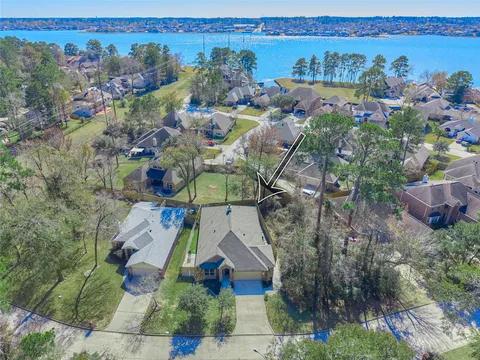
Moving to Lake Conroe? Don't Buy Only for the Life You Have Today
Moving to Lake Conroe? Choose a Home That Still Works 10 Years From Now
Moving to Lake Conroe can feel like:
A lifestyle upgrade.
More time outdoors.
More time near the water.
Maybe:
A boat.
Pool.
Golf.
Bigger backyard.
More room for guests.
And when buyers are excited about the move, it is natural to focus on:
What they want right now.
But there is another question worth asking:
“Will this house still work for us ten years from now?”
That does not mean trying to predict every future event.
It means choosing a home with enough flexibility that your lifestyle can change without immediately making the property:
Inconvenient.
Difficult to maintain.
Too large.
Too small.
Or poorly located.
For relocators planning to make Lake Conroe home for many years, long-term usability deserves just as much attention as:
The water view.
Start With Your Expected Time Horizon
Are you buying for:
Three years?
Seven years?
Fifteen years?
Possibly indefinitely?
The longer you expect to stay, the more important flexibility becomes.
A Short-Term Buyer Can Accept More Compromises
You may tolerate:
Stairs.
Longer commute.
Limited storage.
Large maintenance burden.
if you expect to move again soon.
A Long-Term Buyer Should Think Differently
You are buying:
Future options.
Not simply:
Today's floor plan.
Think About How Work May Change
Maybe you currently:
Commute five days per week.
Five years from now you could:
Work remotely.
Work fewer days.
Change employers.
Retire.
That Can Change Which Home Features Matter Most
A dedicated office may become:
More valuable.
A commute-focused location may become:
Less important.
But Do Not Ignore Today's Commute
Future possibilities should not make:
Current life miserable.
Balance:
Today
with:
Later.
One-Story Living Can Provide Flexibility
A one-story home may appeal to buyers who prefer:
Fewer stairs.
Easier movement between rooms.
Simpler access to bedrooms and living areas.
It Is Not Only About Age
One-story living can also be useful when:
Carrying groceries.
Managing pets.
Moving furniture.
Recovering from an injury.
Having visitors.
Multistory Homes Can Still Work Long Term
Especially if they include:
Primary bedroom downstairs.
Full bathroom downstairs.
Flexible main-level room.
Look at Where Essential Living Happens
Can you access:
Bedroom.
Bathroom.
Kitchen.
Living room.
Laundry.
without needing stairs?
That can add:
Long-term flexibility.
Staircases Deserve More Attention Than They Get
During a showing:
You walk upstairs once.
No problem.
But imagine:
Laundry.
Groceries.
Cleaning.
Pets.
Daily trips.
Think About Frequency
A dramatic staircase may be:
Beautiful.
But the question is:
How does it function every day?
Guest Space Can Become More Important Near Lake Conroe
Friends and family may be more likely to visit when you live near:
The lake.
But Do Not Automatically Buy Five Extra Bedrooms
Ask:
How often will guests actually stay?
Flexible Space May Be Better
For example:
Guest room.
Office with sleeping option.
Game room.
Bonus room.
More Bedrooms Mean More House to Maintain
More:
Furniture.
Cleaning.
Cooling.
Repairs.
Think About Who May Visit Later
Children.
Grandchildren.
Parents.
Friends.
Out-of-town family.
Main-Level Guest Space Can Add Flexibility
Especially for guests who prefer:
Fewer stairs.
Bathrooms Matter Too
A guest room far from:
A full bath
may be less functional than it appears.
Storage Needs Often Increase Over Time
A lake-oriented lifestyle can involve:
Fishing equipment.
Life jackets.
Coolers.
Water toys.
Golf equipment.
Outdoor furniture.
Holiday decorations.
Tools.
Boats Create Even More Gear
Think:
Covers.
Batteries.
Cleaning supplies.
Safety equipment.
Fishing gear.
Where Will Everything Go?
Garage?
Closet?
Storage room?
Boat house?
Garage Size Can Matter More Than Bedroom Count
Especially if you need room for:
Vehicles.
Golf cart.
Bicycles.
Freezer.
Tools.
Water equipment.
Measure the Garage
Do not assume:
“Three-car garage”
means your three vehicles fit comfortably.
Door Width and Depth Matter
Especially with:
Trucks.
SUVs.
Boats.
Trailers.
HOA Rules May Affect What You Can Store Outside
Verify restrictions for:
Boat trailers.
RVs.
Additional vehicles.
Recreational equipment.
Outdoor Living Should Work in More Than Perfect Weather
Lake Conroe can make outdoor spaces:
Very appealing.
But a patio should be evaluated for:
Actual usability.
Ask About Shade
Especially in:
Afternoon.
Covered Outdoor Space Can Extend Use
Protection from:
Sun.
Light rain.
Ceiling Fans and Airflow Can Help Too
The difference between:
Beautiful patio
and:
Patio you actually use
can be significant.
Outdoor Kitchens Add Convenience—but Also Maintenance
Ask yourself:
How often will we cook outside?
Do Not Add Features Only Because They Look Like “Lake Living”
Buy what you will use.
Pools Need a Long-Term Decision
A pool may be perfect today.
But ask:
Will we still want to maintain it later?
Some Buyers Will Say Absolutely
Then:
Great.
Others May Eventually Prefer Community Amenities
This is why lifestyle planning matters.
A Pool Is Both Recreation and Equipment
Pump.
Filter.
Cleaner.
Surface.
Decking.
Heating where applicable.
Factor Maintenance Into Long-Term Ownership
Not simply:
Purchase decision.
Waterfront Features Require Similar Thinking
If the property has:
Dock.
Lift.
Bulkhead or shoreline structure.
Ask:
Do we expect to use these features for years?
Boat Ownership Can Change
You may:
Upgrade.
Downsize.
Stop boating.
Boat more often.
Make Sure the Property Does Not Depend on One Hobby
You should still like:
The house
even if your relationship with boating changes.
Views Have Long-Term Value to Lifestyle
If you truly love looking at:
Water,
that may remain valuable even if you boat less.
This Is Why Buyers Should Separate
Boat access
from:
Water view.
They provide different benefits.
Maintenance Tolerance Can Change
Today you may enjoy:
Yardwork.
Home projects.
Pool care.
Boat maintenance.
Ten Years Later?
Maybe:
Still.
Maybe:
Not.
Ask What Can Be Outsourced
Landscaping.
Pool service.
Pest control.
Dock service.
Housekeeping.
Then Estimate What Outsourcing Would Cost
A home may remain manageable if:
Professional services fit your budget.
Large Lots Require More Care
More:
Grass.
Irrigation.
Trees.
Fencing.
Landscaping.
Privacy Has a Price in Time or Money
Sometimes both.
Smaller Lots Can Become More Attractive Over Time
Especially for households that:
Travel frequently.
Want simpler maintenance.
Prefer recreation over yardwork.
Mature Trees Are Beautiful
But also consider:
Trimming.
Storm preparation.
Root systems.
Leaf cleanup.
Evaluate the Trees as Property Features
Not simply:
Decoration.
The Roof Will Not Always Be New
Neither will:
HVAC.
Water heaters.
Pool equipment.
Dock components.
Long-Term Buyers Should Think in Replacement Cycles
You do not need exact dates.
But understand:
Major systems eventually require investment.
Review Current Age and Condition
That helps you create:
A realistic long-term ownership plan.
Generators May Become More Valuable to Some Households
Especially if your household prioritizes:
Backup power.
Remote work.
Refrigeration.
Certain home systems.
But Generators Require Maintenance Too
Like every mechanical feature.
Reliable Internet Can Become More Important Over Time
Even if you do not work remotely today.
Internet may support:
Work.
Security.
Streaming.
Smart-home systems.
Communication.
Verify Service for the Exact Address
Especially if it is:
Important.
Healthcare Access Should Be Part of Long-Term Planning
You may rarely visit a doctor today.
But if you intend to remain in the home for many years:
Healthcare convenience may become more relevant.
Map More Than the Nearest Urgent Care
Think about:
Primary care.
Specialists.
Hospital access.
Pharmacy.
You Do Not Need to Live Next Door
But understand the route.
Grocery and Everyday Services Matter Too
Beautiful lake location.
Long drive for everything.
That may be fine:
Today.
Will it still be fine:
Later?
Think About Night Driving
And:
Bad weather.
Heavy traffic.
Community Amenities Can Change in Value Over Time
Today you might use:
Pool.
Tennis.
Golf.
Marina.
Fitness center.
Later You May Value
Walking.
Social events.
Easy access.
Maintenance services.
Choose a Community With More Than One Reason to Live There
That can help the location remain:
Relevant.
Social Lifestyle Can Matter After Relocation
Moving somewhere new means building:
New routines.
New connections.
Some Communities Offer More Organized Activity
Others provide:
More privacy.
Neither Is Better
Choose what fits:
You.
Think About Travel
Do you expect to travel:
More
in the future?
If yes:
How easy is the property to:
Lock.
Leave.
Monitor.
Maintain remotely?
A Highly Complex Property Can Make Travel Harder
Imagine being away while maintaining:
Large yard.
Pool.
Dock.
Boat.
Multiple outdoor systems.
Smart-Home Features Can Help
Depending on available systems:
Thermostats.
Security.
Leak detection.
Locks.
Cameras.
Garage monitoring.
But Technology Does Not Replace Physical Maintenance
Someone may still need to:
Visit.
Future Vehicle Needs Can Change
Maybe today:
Two vehicles.
Later:
Golf cart.
Boat trailer.
Teen driver's vehicle.
Visiting family.
Parking Matters
Look at:
Driveway.
Garage.
Street restrictions.
Home Office Space Should Be Flexible
A dedicated office today may eventually become:
Guest room.
Hobby room.
Library.
Exercise room.
Flexibility Can Be More Valuable Than Highly Specialized Rooms
Ask:
Can this room serve multiple purposes?
Formal Spaces Deserve Similar Thought
If you rarely use:
Formal dining room,
could that area become something else?
Avoid Buying Square Footage Without a Job
Every room should have:
A purpose
or:
Future flexibility.
Larger Is Not Automatically More Future-Proof
A 5,000-square-foot house may actually become:
Less practical
later.
Right-Sized Can Be More Valuable Than Oversized
The best long-term home is often:
Big enough.
Not:
As big as possible.
Look at Laundry Placement
It sounds minor.
It is not.
Ask
Is it near:
Bedrooms?
Garage?
Main living area?
Daily Function Becomes More Important Over Time
The little inconveniences are the things you repeat:
Thousands of times.
Kitchen Function Matters More Than Kitchen Trends
Cabinet color can change.
Layout is harder.
Evaluate:
Storage.
Work space.
Pantry.
Traffic flow.
Connection to outdoor living.
Primary Suite Function Matters Too
Consider:
Bedroom size.
Bathroom layout.
Closet.
Natural light.
Privacy.
Do Not Buy Only for the Bathtub
Think about:
Everyday use.
Remodeling Possibilities Can Add Flexibility
If the house is nearly right:
Could it adapt later?
But Do Not Assume Every Change Is Easy
Structural changes can become:
Expensive.
Location Cannot Be Renovated
You can change:
Flooring.
Counters.
Paint.
You Cannot Easily Change
Commute.
Community.
Lot.
Sun orientation.
Road access.
Lake position.
Prioritize Permanent Characteristics
This is especially important for:
Long-term buyers.
Create a 10-Year Lake Conroe Home Scorecard
For each finalist home, evaluate:
Main-Level Living
Works?
Stairs
Manageable?
Primary Bedroom
Well positioned?
Guest Space
Flexible?
Office
Flexible?
Storage
Enough?
Garage
Enough?
Parking
Enough?
Yard
Manageable?
Pool
Want long term?
Waterfront Features
Want long term?
Outdoor Space
Usable?
Shade
Enough?
Major Systems
Condition understood?
Internet
Verified?
Healthcare
Reasonable?
Groceries
Reasonable?
Community
Still appealing later?
Travel
Easy to leave?
Maintenance
Affordable and manageable?
Flexibility
Can lifestyle change here?
Use the “No Boat in Ten Years” Test
Imagine you no longer boat.
Do you still:
Love the home?
Use the “More Travel” Test
Imagine you are away:
Eight weeks per year.
Is the property:
Easy to manage?
Use the “Temporary Injury” Test
Imagine you cannot comfortably use stairs for:
Three months.
Can the home still function?
Use the “House Full of Guests” Test
Where does everyone:
Sleep?
Park?
Gather?
Then Use the Opposite Test
Guests leave.
Does the house feel:
Unnecessarily enormous?
Use the “Tuesday in February” Test
No boating.
No pool.
No outdoor entertaining.
Do you still like:
The interior.
Location.
Community.
Use the “Ten Years Older” Test
Not because you can predict:
Exactly what life will look like.
But because a good long-term home should give you:
Options.
Final Thoughts
When relocating to Lake Conroe, it is easy to buy for:
The first summer.
The boat.
The pool.
The patio.
The guests.
The excitement.
Those things matter.
But if you plan to remain in the area for years, ask another question:
“Will this home still make our life easier when our routine changes?”
Look beyond:
The view.
Think about:
Stairs.
Storage.
Garage.
Maintenance.
Healthcare.
Travel.
Guest space.
Outdoor living.
Home office needs.
Major systems.
Community.
The right Lake Conroe home does not need to predict your future.
It simply needs to give your future:
Room to change.
You may boat more.
You may boat less.
You may work from home.
You may travel.
Your family may visit more.
Your priorities may shift.
A flexible house can handle:
Those changes.
So when you find a Lake Conroe property you love, enjoy:
The view.
Then turn around.
Look carefully at:
The house.
And ask:
“Would we still choose this property if our life looked a little different ten years from now?”
If the answer remains:
Yes,
you may have found something much more valuable than:
A great lake house.
You may have found:
A long-term home.
Frequently Asked Questions
Is a one-story home better for long-term living near Lake Conroe?
It depends on the household, but one-story living can provide flexibility by keeping primary living spaces on one level. A multistory home may provide similar flexibility if essential spaces are located downstairs.
Should I buy extra bedrooms because family may visit Lake Conroe?
Consider how frequently you realistically expect overnight guests. Flexible rooms may provide a better balance than purchasing significantly more house solely for occasional visitors.
Is a large Lake Conroe property better for long-term ownership?
Not necessarily. Larger properties generally involve more space and potentially more maintenance. The right size depends on how much space you will actually use and maintain.
Should long-term buyers prioritize healthcare access?
If you expect to remain in the property for many years, understanding access to healthcare, pharmacies, everyday shopping, and other services can be a useful part of evaluating location.
Is a pool a good long-term feature?
It can be if you expect to use it and are comfortable with maintenance. Buyers should consider both the lifestyle benefit and ongoing responsibility.
What if I stop boating after buying a waterfront home?
That is why it can be helpful to evaluate whether you also value the home's view, location, floor plan, outdoor space, and community independently of boating.
Should I consider storage when buying near Lake Conroe?
Yes. Lake-area lifestyles can involve boats, fishing equipment, recreational gear, outdoor furnishings, bicycles, golf equipment, and other items that require storage.
Does a newer home automatically make a better long-term purchase?
No. Age is only one factor. Layout, location, maintenance, major systems, lot characteristics, community, and long-term usability should all be considered.
What home features are hardest to change later?
Location, lot characteristics, community, lake position, major structural layout, and road access are generally harder to change than cosmetic finishes such as paint, fixtures, or flooring.
What's the biggest takeaway?
When relocating to Lake Conroe for the long term, buy for more than your first year by the lake. Choose a property with enough flexibility in layout, maintenance, location, storage, outdoor living, and everyday convenience to continue working as your lifestyle changes.