Moving to Spring? Don't Choose Your Home Based on the Word “Spring” Alone
Moving to Spring? The Word “Spring” Doesn't Tell You Nearly Enough About Where You're Buying
You open a real estate app.
Search:
Spring.
Hundreds of homes appear.
New construction.
Established neighborhoods.
Large lots.
Small lots.
Pools.
Townhomes.
Gated communities.
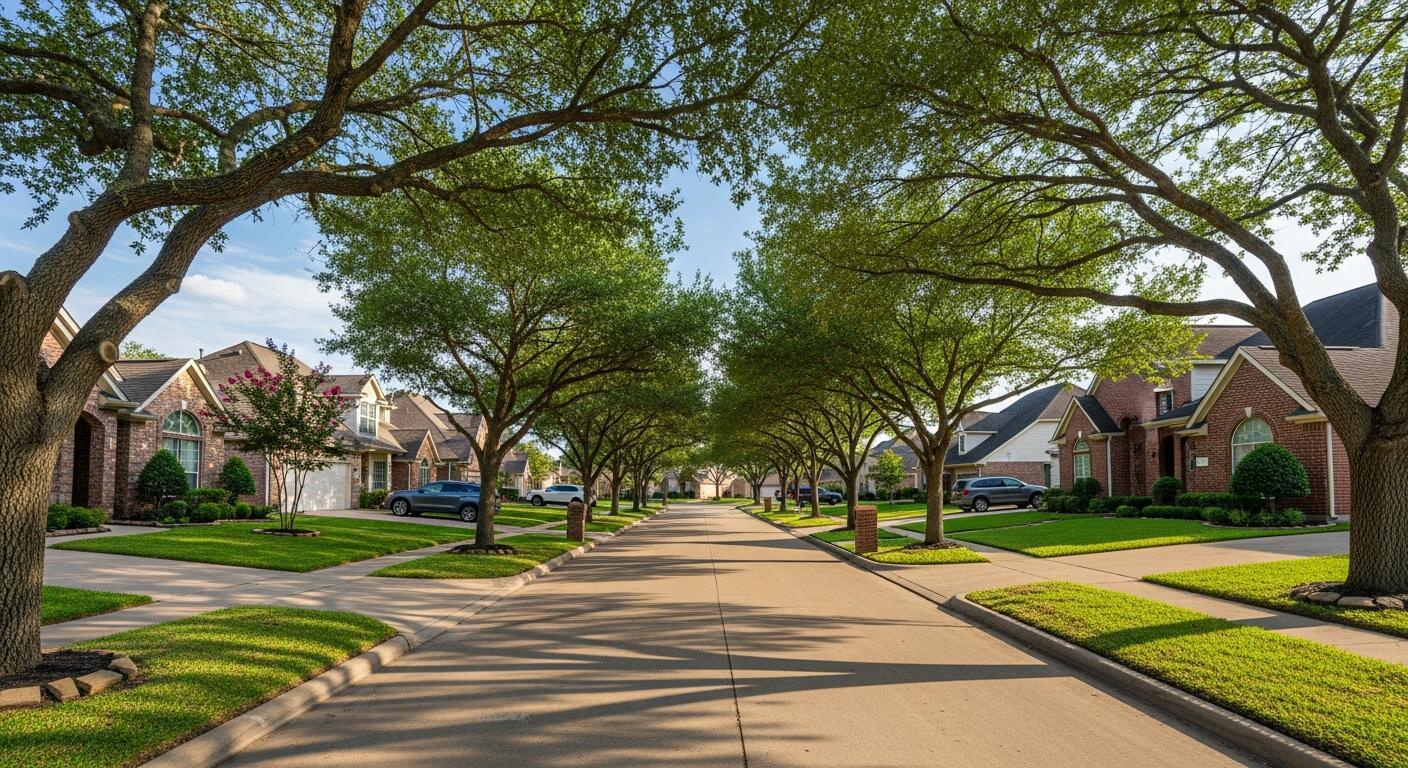
Homes surrounded by mature trees.
Homes in newer developments.
Prices that seem surprisingly different even though the addresses all say:
Spring.
If you're relocating from another city or state, this can be confusing.
You may assume:
“They're all in Spring, so how different can the locations really be?”
Potentially very different.
When relocating to Spring, one of the first things to understand is that the name on the mailing address does not tell you everything about:
Commute.
Neighborhood character.
Home age.
Shopping.
Schools.
Taxes.
Amenities.
Traffic patterns.
Lot size.
Or what your everyday life will actually feel like.
The better question is not:
“Should we live in Spring?”
It is:
“Which Spring location works best for us?”
Start With Your Daily Life, Not the House
Before opening another listing:
Write down your regular destinations.
Where will you:
Work?
Buy groceries?
Exercise?
See doctors?
Go to dinner?
Take children to activities if relevant?
Travel on weekends?
Visit family?
Catch a flight?
Those destinations will help you narrow Spring much faster than:
Four bedrooms.
Three baths.
Pool.
Your Work Location Can Change the Entire Search
Someone working near:
The Woodlands
may approach Spring differently from someone commuting toward:
Downtown Houston.
The Energy Corridor.
George Bush Intercontinental Airport.
Another employment center.
Do not ask:
“What's the commute from Spring?”
Ask:
“What's the commute from this exact house to my exact workplace at the time I actually travel?”
Test the Drive at the Right Time
A relocation tour often happens:
Saturday.
Sunday.
Middle of the day.
That is not necessarily when you'll commute.
If possible:
Check weekday conditions.
Look at both:
Morning.
Evening.
Traffic is dynamic, so no drive-time estimate should be treated as permanent.
Hybrid Work Changes the Calculation
Suppose one house adds:
15 minutes to your commute.
If you commute five days per week:
That may matter greatly.
If you commute twice:
Perhaps less.
Evaluate total weekly impact.
Remote Workers Should Think Beyond Commute
If home is also your workplace:
You may prioritize:
Dedicated office.
Quiet street.
Natural light.
Internet options.
Nearby coffee.
Walking.
Fitness.
Easy errands.
Outdoor space.
The best remote-work location may not be the one closest to a freeway.
“Closer to The Woodlands” May Matter to Some Relocators
If you expect to spend significant time in The Woodlands for:
Employment.
Healthcare.
Shopping.
Dining.
Entertainment.
then northern parts of your Spring search may feel more convenient depending on the exact destination.
But do not rely on:
“It's near The Woodlands.”
Map the actual places you expect to use.
Airport Access Can Be a Major Advantage for Some Buyers
If you regularly fly through George Bush Intercontinental Airport:
Test the route from serious properties.
A frequent traveler may weigh airport convenience much more heavily than someone who flies twice a year.
Do Not Optimize Your Life Around an Airport You Rarely Use
Frequency matters.
Everything on your relocation checklist should be weighted by:
How often you actually do it.
Established Spring Neighborhoods Can Feel Very Different From Newer Ones
Some buyers arrive expecting:
Brand-new Texas subdivision.
Then discover they love:
Mature trees.
Established landscaping.
Larger-looking yards.
Traditional architecture.
Other buyers strongly prefer:
Newer construction.
Current finishes.
Newer systems.
Community amenities.
Neither preference is wrong.
Tour Both Before Deciding
Even if you're convinced you want new construction:
Tour an established home.
And if you're convinced you want:
Mature trees and character,
tour something newer.
Relocation is the perfect time to challenge assumptions.
Home Age Should Be Evaluated With Condition
A home built decades ago may have:
Newer roof.
Updated HVAC.
Renovated kitchen.
Replacement windows.
Updated plumbing.
Pool improvements.
Another newer home may still need:
Landscaping.
Window coverings.
Outdoor living.
Storage.
Compare actual condition.
Do Not Make “Newer Is Better” Your Only Rule
A new home may win on:
Age.
But an established property may win on:
Location.
Lot.
Trees.
Pool.
Patio.
Storage.
Neighborhood maturity.
You are buying the complete property.
Lot Size Can Be a Big Differentiator
Relocators sometimes underestimate how much lot preferences affect their search.
Do you want:
Small, easy-maintenance yard?
Large backyard?
Pool plus grass?
Mature trees?
Room for pets?
Outdoor kitchen?
Garden?
Privacy?
Decide early.
A Large Yard Comes With Maintenance
More property can mean more:
Mowing.
Landscaping.
Irrigation.
Tree care.
Fence.
Outdoor upkeep.
Do not choose the biggest yard simply because it looks impressive during the showing.
Pools Need a Lifestyle Decision
In Texas, a pool can sound amazing.
And for many owners:
It is.
But ask:
Will we actually use it?
Do we want maintenance?
Do we want the backyard space it occupies?
Would we prefer community pools instead?
Do Not Assume You Can Add a Pool Later
If buying without one because:
“We'll just put one in next year,”
verify feasibility.
Potential considerations include:
Lot size.
Easements.
Utilities.
Setbacks.
HOA requirements.
Drainage.
Access for construction.
Neighborhood Amenities Need the “Will We Use Them?” Test
A community may offer:
Pool.
Tennis.
Pickleball.
Playground.
Clubhouse.
Trails.
Fitness.
Relocators often become excited by long amenity lists.
But ask:
Would we actually use them?
Amenities Have Costs
HOA dues and other property-specific charges should be included in your ownership budget.
Do not pay for a lifestyle you do not want.
A Neighborhood Without Extensive Amenities May Still Be Perfect
Maybe you'd rather have:
Larger lot.
Private pool.
Established trees.
Lower-maintenance community structure.
Proximity to your daily destinations.
Your priorities determine value.
School District Names Are Not Enough
If schools matter to your relocation:
Verify the current assignment for the specific address.
Do not assume every Spring property:
Feeds to the same schools.
Has the same district.
Will always maintain today's attendance boundaries.
Research the Actual Educational Fit
Families may consider:
Programs.
Extracurriculars.
Campus logistics.
Student needs.
Transportation.
School information should be verified from current authoritative sources.
Do Not Buy a House Based Solely on an Online School Rating
Ratings can provide one piece of information.
They do not tell you everything about:
Programs.
Teachers.
Student experience.
Individual fit.
Property Taxes Need to Be Part of the Budget Early
Texas property taxation can surprise buyers moving from other states.
Two similarly priced homes may have different estimated tax obligations depending on the property and taxing jurisdictions.
Do Not Shop Only by Purchase Price
A $500,000 house is not automatically the same monthly housing cost as another $500,000 house.
Consider:
Mortgage.
Taxes.
Insurance.
HOA.
Potential flood insurance where applicable.
Maintenance.
Utilities.
Insurance Should Be Quoted Before You Fall Too Far in Love
Especially once a property becomes a serious finalist.
Home age and characteristics may affect:
Coverage.
Premium.
Deductible.
Requirements.
Get property-specific information.
Flood Questions Should Be Addressed Property by Property
Do not ask:
“Does Spring flood?”
That is too broad to make a home-buying decision.
Evaluate:
Specific address.
Available flood information.
Property history.
Drainage.
Insurance considerations.
Never Rely Solely on “Never Flooded”
Historical experience is useful.
It is not a guarantee of future conditions.
Drive the Neighborhood After Rain When Possible
Do not intentionally enter dangerous weather.
But after ordinary rainfall, you may observe:
Drainage.
Street conditions.
Yard conditions.
This can provide useful context.
Mature Trees Can Be an Advantage
They may provide:
Shade.
Privacy.
Character.
Established appearance.
But they may also involve:
Maintenance.
Roof debris.
Root questions.
Tree care.
Understand both sides.
Visit the Street More Than Once
A home may feel peaceful:
Tuesday at 11:00 a.m.
What about:
5:30 p.m.?
Saturday afternoon?
Evening?
If practical, revisit finalist neighborhoods at different times.
Listen Before You Leave
Stand outside.
Turn everything off.
What do you hear?
Traffic?
Planes?
Children?
Dogs?
Lawn equipment?
Nature?
Nothing?
There is no correct answer.
There is only:
Does this environment fit you?
Look at Parking
If your household has:
Multiple vehicles.
Teen drivers.
Work vehicles.
Frequent guests.
parking can become surprisingly important.
Check:
Driveway.
Garage.
Street.
Community restrictions.
Garage Size Isn't Always What It Sounds Like
“Two-car garage” does not tell you:
Depth.
Width.
Storage.
Truck fit.
Door dimensions.
If garage space matters:
Look carefully.
EV Owners Should Think Ahead
If you drive an electric vehicle:
Consider:
Existing charging equipment.
Electrical capacity.
Garage arrangement.
Installation feasibility.
Do not assume every garage is automatically ready.
Shopping Convenience Is Highly Personal
One buyer wants:
Grocery store five minutes away.
Another is happy driving farther in exchange for:
Quiet.
Larger lot.
More privacy.
Know yourself.
Build Your Actual Errand Loop
From a finalist property, map:
Grocery.
Pharmacy.
Gym.
Coffee.
Gas.
Home improvement.
Dinner.
This is a far better test than:
“There are stores nearby.”
Healthcare Can Become an Important Location Filter
If someone in your household regularly visits:
Specialist.
Hospital.
Therapist.
Pediatrician.
Other provider,
map it.
Not after buying.
Before.
Entertainment Habits Matter Too
Do you regularly go:
Into The Woodlands?
To Old Town Spring?
Toward Houston?
To Lake Conroe?
Your social geography is part of your housing decision.
Don't Choose a House for the Life You Think Texans Have
Relocators sometimes arrive imagining:
Huge backyard.
Pool.
Outdoor kitchen.
Big truck.
Boat.
Everything.
But maybe your actual lifestyle is:
Work.
Gym.
Restaurants.
Travel.
Low-maintenance weekends.
Buy for yourself.
The Same Applies to Square Footage
Texas homes may offer more space than you're accustomed to.
That does not mean you need all of it.
A larger home means more:
Furniture.
Cleaning.
Cooling.
Maintenance.
Think About Guests Honestly
Will family really visit:
Every month?
Or:
Twice per year?
You may not need to structure the entire purchase around occasional guests.
But Relocators Often Receive More Visitors Initially
Friends and family may want to visit Texas after you move.
A flexible:
Guest room.
Game room.
Office/guest combination
may be useful.
Your First Spring Home Does Not Need Every Feature
Prioritize.
Must Have
Things that materially affect daily life.
Strong Preference
Features you'd be disappointed to lose.
Nice to Have
Things you like but can live without.
This prevents every showing from becoming:
“Almost perfect except...”
Renovatable Versus Unchangeable Matters
You can change:
Paint.
Counters.
Lighting.
Flooring.
You cannot easily change:
Street.
Lot.
Commute.
Property orientation.
Neighborhood environment.
Prioritize accordingly.
Do Not Let a Beautiful Kitchen Override Everything
The kitchen is exciting.
The commute still happens:
Every week.
Don't Let One Dated Bathroom Eliminate a Great Location
If the price and renovation opportunity make sense:
Cosmetic datedness may be solvable.
Compare Homes With a Lifestyle Score
For each finalist, rate:
Commute
Works?
Neighborhood
Feels right?
Lot
Fits your priorities?
House
Functional?
Condition
Comfortable with it?
Shopping
Convenient enough?
Healthcare
Works?
Airport
Important and manageable?
Amenities
Useful?
Taxes
Understood?
Insurance
Estimated?
Schools
Verified if relevant?
Outdoor Lifestyle
Fits?
Long-Term Fit
Can you see yourself here in five years?
Final Thoughts
Moving to Spring becomes much easier once you stop treating:
Spring
as a single neighborhood.
Your search should become more specific with every property you tour.
You may begin saying:
“We want to live in Spring.”
Then:
“We want an established Spring neighborhood.”
Then:
“We want mature trees, a usable backyard, an office, convenient access toward work, and we don't need a community pool because we want our own.”
Now you are actually shopping for your life.
Before buying:
Test your commute.
Explore established and newer homes.
Compare lot sizes.
Understand taxes.
Get insurance information.
Verify schools when relevant.
Research property-specific flood considerations.
Drive your errands.
Visit after dark.
Listen to the street.
Think about maintenance.
And ask yourself:
Would an ordinary Wednesday work here?
Because relocation is not ultimately about finding the house that looks most impressive during your Texas home-buying trip.
It is about finding the property that still makes sense after:
The moving truck leaves.
The boxes disappear.
The new-job excitement settles.
And Spring simply becomes:
Home.
Frequently Asked Questions
Is Spring one large neighborhood?
No. Homes with Spring addresses can vary substantially in neighborhood character, age, housing type, location, amenities, commute, and other factors. Evaluate the specific property and neighborhood rather than relying only on the city name.
Is Spring convenient to The Woodlands?
Some Spring locations may provide convenient access to The Woodlands, but the actual experience depends on the property, destination, route, traffic, and time of day.
Should I buy new construction or an established home in Spring?
Neither is automatically better. Compare location, lot, condition, systems, finishes, landscaping, total cost, neighborhood character, and your preferences.
Are all Spring homes in the same school district?
Do not assume so. Buyers should verify current district and campus assignments for the specific address when schools are relevant to their decision.
Should I worry about flooding when moving to Spring?
Flood and drainage considerations should be evaluated property by property. Review current property-specific information and do not rely solely on broad statements about the entire area.
Are property taxes the same throughout Spring?
No. Tax obligations can vary depending on the property and applicable taxing jurisdictions. Evaluate the specific home's estimated costs.
Is a pool worth having in Spring?
It depends on your lifestyle. Many buyers enjoy private pools, while others prefer less maintenance or access to community amenities. Consider usage, upkeep, insurance, utilities, and yard space.
Are established Spring neighborhoods better for mature trees?
Many established areas may offer more mature landscaping than newer development, but every property is different. Evaluate tree condition and maintenance along with appearance.
Should I prioritize commute or house size?
Neither should automatically control the decision. Consider how frequently you commute, how much space you'll truly use, and how each property affects your complete weekly routine.
What's the biggest takeaway?
When relocating to Spring, do not choose a home based on the word “Spring” in the address. Evaluate the specific neighborhood, commute, home age, lot, costs, amenities, and everyday routes so the property fits the life you'll actually live after the move.