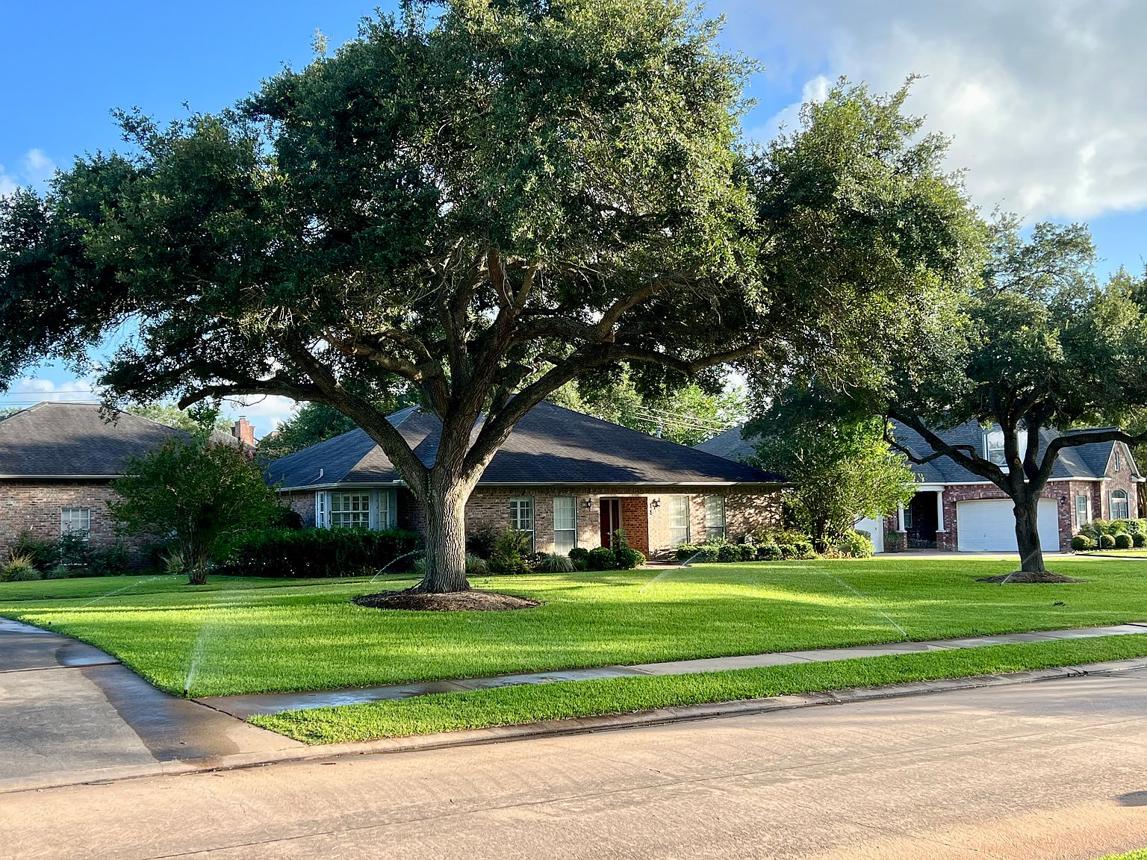
Moving to Spring? Your First Texas Summer May Change How You Look at a House
Moving to Spring? What Your First Full Year of Homeownership May Feel Like
You tour a Spring home in:
March.
The temperature feels comfortable.
The lawn is green.
The patio feels perfect.
The air conditioner barely seems to run.
You imagine:
Coffee outside.
Weekend barbecues.
Working in the yard.
Then August arrives.
Suddenly you notice:
Where the afternoon sun hits.
How much shade the backyard receives.
How often the HVAC runs.
How quickly the lawn dries.
Which rooms stay coolest.
That does not mean you bought the wrong home.
It means you are finally experiencing the property through:
A full Texas year.
For relocators—especially those coming from another climate—understanding how a house performs through changing seasons can be just as important as:
Bedrooms.
Square footage.
Kitchen finishes.
Summer Changes How You Evaluate a Home
In warm months, air conditioning becomes a major part of daily comfort.
Before buying, understand:
How many HVAC systems serve the house.
Approximate ages.
Service history.
Thermostat setup.
Room-to-room temperature differences.
Bigger Homes Can Mean More Equipment
A larger home may have:
Two.
Three.
Or more HVAC systems.
That can provide better temperature control.
It also means:
More equipment to maintain.
Pay Attention to Upstairs Rooms
During a mild-weather showing:
Everything may feel comfortable.
In hotter weather, ask whether:
Upstairs bedrooms.
Game rooms.
Bonus rooms.
Home offices
remain comfortable.
Afternoon Sun Matters
A west-facing room may feel completely different at:
5 p.m.
than:
10 a.m.
If possible, visit finalist homes at different times.
Windows Affect More Than the View
Large windows can provide:
Beautiful natural light.
But also consider:
Sun exposure.
Shade.
Window coverings.
Efficiency.
Mature Trees Can Be Extremely Valuable
Spring's established neighborhoods may offer:
Significant shade.
Privacy.
Character.
A more comfortable outdoor environment.
But trees also require:
Maintenance.
Look at What Is Above the Roof
Consider:
Large limbs.
Tree condition.
Gutters.
Pool debris.
Storm exposure.
Professional tree maintenance may become part of homeownership.
Your Backyard May Have a “Best Time of Day”
A patio may be:
Amazing in the morning
but:
Very sunny in late afternoon.
Another yard may offer:
Afternoon shade.
Neither is automatically better.
Choose based on when you expect to use it.
Covered Outdoor Space Can Become More Valuable Than You Expected
During a showing, a covered patio may seem like:
A nice extra.
After your first summer:
You may appreciate it much more.
Shade can make outdoor spaces more usable.
Pools Can Change Summer Life
A pool may become:
The center of the backyard.
But it also brings:
Cleaning.
Chemicals or service.
Equipment.
Electricity.
Water.
Repairs.
Decide Whether You Want the Lifestyle and the Maintenance
Do not buy a pool because:
“It seems like something we should have in Texas.”
Buy one because:
You will use it.
Lawn Care Can Feel Different
Relocators coming from cooler climates sometimes underestimate how much attention:
Grass.
Beds.
Irrigation.
Shrubs.
can require.
Irrigation Becomes Important
If a property has an irrigation system:
Understand:
Controller.
Zones.
Coverage.
Condition.
Leaks.
Watering Is Not the Same as Good Drainage
A yard needs to handle both:
Dry periods
and:
Heavy rainfall.
Those are different systems.
Heavy Rain Can Reveal Things a Sunny Showing Cannot
After substantial rainfall, observe:
Street drainage.
Driveway.
Backyard.
Side yards.
Downspouts.
Low spots.
Do Not Diagnose Problems Yourself
Observe.
Ask questions.
Use appropriate inspectors or professionals where concerns exist.
Gutters and Downspouts Matter
Make sure you understand:
Where roof water goes.
Ideally, water should be directed appropriately away from areas where it could create problems.
Storm Preparation Becomes Normal Homeownership
Moving to the Houston area may introduce different weather preparation habits than you had previously.
Think about:
Outdoor furniture.
Tree limbs.
Vehicles.
Generators.
Emergency supplies.
Important documents.
A Generator May Feel More Valuable After You Understand Your Home
Some Spring homes include:
Standby generators.
If one is present, ask:
Age.
Service history.
Capacity.
Fuel source.
What it powers.
Do Not Assume “Whole House” Without Verification
Understand the actual setup.
Humidity Can Change How a House Feels
Indoor comfort is not simply:
Temperature.
Humidity control also matters.
Your HVAC system plays an important role in:
Comfort.
Closets and Storage Deserve Attention
Avoid storing moisture-sensitive belongings in:
Hot or humid spaces
without considering conditions.
Garages Can Become Very Warm
If you plan to use your garage as:
Gym.
Workshop.
Hobby area.
Office overflow.
consider how comfortable it will be during warmer months.
Pest Control May Become a Routine Service
Warm climates support:
A variety of insects and pests.
Some homeowners choose recurring pest-control service rather than waiting for an issue.
Ask About Existing Pest Programs
Including:
Termite treatment or monitoring
where applicable.
Mosquitoes Can Affect How You Use the Yard
Properties with:
Shade.
Vegetation.
Water nearby.
certain drainage conditions
may have different outdoor experiences.
Landscaping Choices Can Help or Hurt Outdoor Comfort
Dense vegetation may provide:
Privacy.
Shade.
But also require:
More maintenance.
Choose the balance you prefer.
Your Electricity Use May Surprise You
If you're relocating from:
Smaller home.
Apartment.
Cooler climate.
your electricity pattern may change.
Especially with:
Larger square footage.
Multiple HVAC units.
Pool.
Home office.
EV charging.
Ask for Historical Utility Information When Available
Use it as:
Context.
Not a guarantee.
Your household may use the home differently.
Your First Summer Is a Good Time to Learn the House
Notice:
Which rooms get warmest.
How irrigation performs.
Where shade falls.
How the patio feels.
How much electricity you use.
Your First Heavy Rain Teaches Something Different
Observe:
Drainage.
Gutters.
Downspouts.
Street conditions.
Yard flow.
Your First Storm Season May Change Your Maintenance Priorities
You may suddenly care more about:
Tree trimming.
Roof condition.
Generator service.
Garage storage.
Outdoor-item security.
Your First Cooler Season Is Maintenance Season
When temperatures become more comfortable, many homeowners use the opportunity for:
Exterior projects.
Landscaping.
Tree work.
Patio improvements.
Other maintenance.
Build a Seasonal Home Budget
Instead of thinking only:
Monthly mortgage.
Create room for:
HVAC servicing.
Landscaping.
Pest control.
Pool service.
Tree maintenance.
Irrigation repair.
Storm preparation.
Your First Year Usually Costs More
Because you may purchase:
Lawn equipment.
Outdoor furniture.
Tools.
Storage.
Window treatments.
Emergency supplies.
Home-maintenance items.
Do Not Spend Every Available Dollar at Closing
Leave yourself:
Financial breathing room.
You Do Not Need to Perfect the House Immediately
Live there first.
You may discover:
The patio does not need expanding.
You need more shade instead.
You do not need a pool.
You need better outdoor seating.
You do not need new landscaping.
You need irrigation repair.
Let the House Teach You How It Lives
This is especially valuable for relocators.
Give yourself time to understand:
Sun.
Shade.
Weather.
Traffic.
Noise.
Yard.
Utilities.
Maintenance.
before making expensive changes.
Your Spring First-Year Checklist
Before Summer
HVAC serviced?
Afternoon Sun
Understood?
Irrigation
Working?
Pool
Maintenance plan?
Trees
Evaluated?
Gutters
Clear?
Drainage
Observed?
Generator
Serviced if present?
Pest Control
Plan established?
Storm Supplies
Ready?
Outdoor Furniture
Secure?
Utilities
Budget realistic?
Landscaping
Manageable?
Maintenance Reserve
Available?
Use the “August Afternoon” Test
When buying:
Stand in the backyard.
Imagine:
Heat.
Sun.
Pool use.
Patio use.
Would the outdoor setup still work?
Use the “Three-Day Rain” Test
Where would water go?
Use the “Power Is Out” Test
What would your household need?
Use the “Vacation for Two Weeks” Test
Who handles:
Pool?
Lawn?
Irrigation?
Packages?
Home monitoring?
Final Thoughts
Moving to Spring is not simply about finding:
The right floor plan.
It is also about understanding how that property lives through:
Summer.
Rain.
Storms.
Humidity.
Yard growth.
Changing temperatures.
Your first year may teach you things a showing never could.
You may discover:
That mature tree is your favorite feature.
The covered patio matters more than expected.
The pool gets used every weekend.
The west-facing office needs better shades.
The irrigation needs adjustment.
You want professional lawn service after all.
That is normal.
The goal is not to find a house requiring:
Zero maintenance.
That house does not exist.
The goal is to choose a property whose:
Maintenance.
Weather exposure.
Outdoor spaces.
Systems.
And seasonal routines
fit the way you actually want to live.
So when relocating to Spring, do not ask only:
“Do we love this house today?”
Ask:
“Will we still love how this house works in August, after heavy rain, during storm season, and throughout an entire year?”
That question can tell you much more about whether you have found the right home.
Frequently Asked Questions
Is HVAC especially important when buying in Spring?
Yes. Understand the number, age, condition, and maintenance history of the property's HVAC systems because air conditioning plays an important role in warm-weather comfort.
Are mature trees a benefit in Spring?
They can provide valuable shade, privacy, and neighborhood character, but they also require ongoing maintenance and should be evaluated in relation to the house, roof, driveway, pool, and other improvements.
Should I consider backyard orientation before buying?
Yes. Sun exposure can significantly affect patio comfort, pool use, landscaping, and interior natural light.
Is a pool necessary when living in Spring?
No. A pool can be a great lifestyle feature for households that use it, but it adds maintenance and operating costs. Community pools or other recreation may be enough for some buyers.
Should I visit a home after heavy rain?
When possible, it can provide useful observations about yard and street drainage. If concerns arise, rely on appropriate professional evaluation.
Should I consider a generator?
That depends on your household, property, budget, and preferences. If a home already has one, understand its age, maintenance, capacity, fuel source, and what it is designed to power.
Does a larger home usually cost more to cool?
Many factors affect energy use, including size, insulation, windows, HVAC efficiency, household habits, pool equipment, and thermostat settings. Review the specific property rather than relying on square footage alone.
Should I budget for pest control?
Many homeowners in warm climates choose recurring pest-management services. The appropriate approach depends on the property and your preferences.
Should I renovate immediately after relocating?
Not necessarily. Living in the home through different seasons can help you understand which improvements will actually have the greatest impact.
What's the biggest takeaway?
When moving to Spring, evaluate how the home will perform through an entire year—not simply how it feels on the day you tour it. HVAC, shade, drainage, landscaping, storms, pool care, pests, utilities, and outdoor spaces can all become important parts of your everyday ownership experience.