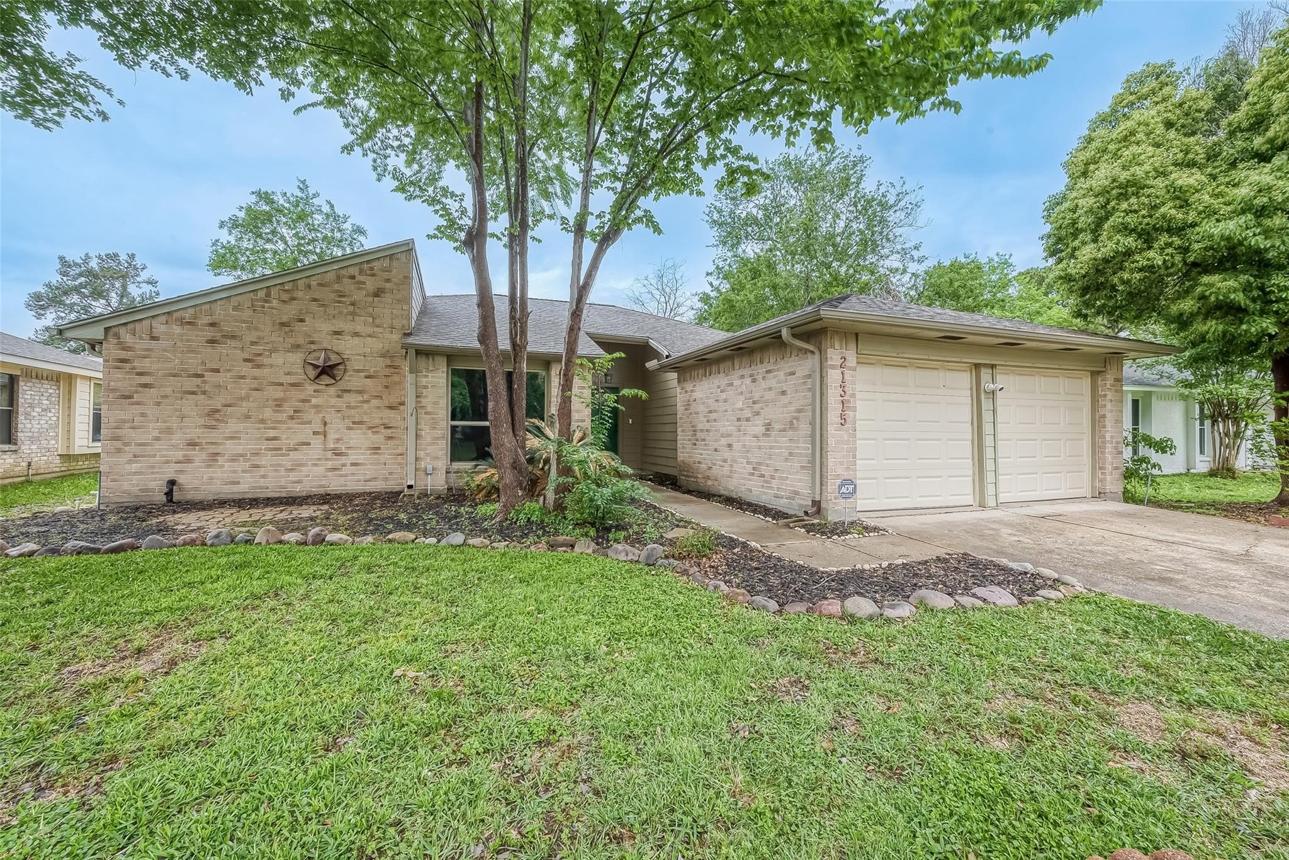
Moving to Spring? Don't Buy Only for the Life You Have Today
Moving to Spring? Don't Buy Only for the Life You Have Today
Relocation creates a strange problem.
You are making:
A long-term housing decision
during:
A short-term transition.
New job.
New commute.
New city.
New routine.
So naturally, you focus on:
What you need right now.
Three bedrooms.
Office.
Two-car garage.
Reasonable commute.
Done.
But what happens:
Three years later?
Your job becomes:
Remote.
A parent visits for:
Two months.
You start:
A home business.
Your children become:
Teenagers.
You buy:
Another vehicle.
You discover:
A hobby requiring storage.
Or:
Stairs become less appealing.
Suddenly:
The house that perfectly fit your relocation
does not perfectly fit:
Your life.
You cannot predict everything.
But when moving to Spring, you can look for a home with:
Flexibility.
Start With the Life You Know Is Coming
Do not attempt to predict:
Twenty years.
Start with:
The next three to five.
Ask What Is Likely to Change
Work?
Family?
Children?
Pets?
Vehicles?
Hobbies?
Travel?
Separate Likely Changes From Fantasy Changes
“We might eventually own twelve motorcycles”
probably should not determine:
Your purchase.
“We expect another child”
may deserve:
More weight.
Buy for Probable Flexibility
Not:
Every possible future.
Bedrooms Are More Useful When They Can Do More Than One Job
A bedroom may become:
Office.
Guest room.
Nursery.
Workout room.
Hobby room.
Look at the Actual Room
Not simply:
The bedroom count.
Ask
Could a desk fit?
Does it have:
Useful wall space?
Natural light?
Privacy?
A Flexible Room Can Solve Multiple Future Problems
without:
Adding square footage.
An Office Should Have a Backup Purpose
Suppose you currently:
Work remotely.
You buy a home with:
Dedicated office.
Great.
Then you return to an office
five days per week.
What happens to:
That room?
Could it become
Library?
Homework space?
Guest room?
Exercise room?
Flexible square footage ages better
than:
Single-purpose square footage.
The Reverse Is Also True
You may currently:
Work in an office.
Then:
Your role becomes hybrid.
Where will you work?
Kitchen island?
Bedroom?
Dining table?
If remote work is reasonably possible in your career
look for:
At least one workable location.
Two Remote Workers Need More Than One Quiet Corner
If both adults could work from home:
Simultaneously,
test:
Doors.
Noise.
Backgrounds.
Internet.
Separation.
A giant open floor plan does not automatically provide
Good workspace.
Guest Needs Can Change After Relocation
Moving away from:
Family and friends
can create:
More overnight guests.
People who used to visit for dinner may now
Stay for:
Three nights.
Ask How Often Guests Are Realistically Expected
Monthly?
Holidays?
Rarely?
Then choose accordingly
You may need:
Dedicated guest suite.
Flexible bedroom.
Sofa bed.
Nothing extra.
Do Not Buy a Bedroom for Someone Who Visits Once a Year
Unless:
You genuinely want to.
Multi-Generational Needs Deserve Early Thought
Maybe a parent could eventually:
Stay longer.
Or:
Live with you.
You do not necessarily need a full separate suite today
But useful features might include:
Main-level bedroom.
Nearby full bath.
Privacy.
Accessible entry.
Think in Terms of Options
Not:
Predictions.
One-Story Versus Two-Story Can Become More Important Over Time
Two-story homes may provide:
Separation.
Additional living areas.
Efficient use of the lot.
One-story homes may appeal to buyers who value
Fewer stairs.
Simpler movement.
Neither is universally better
Ask:
How long do we expect to stay?
If You Choose Two Stories
Look at:
What exists downstairs.
Is there
Primary bedroom?
Office?
Full bath?
Flexible room?
Main-level functionality can create
Future options.
Children Change How a Floor Plan Feels
A toddler may need:
Proximity.
A teenager may want:
Separation.
A playroom may become
Game room.
Homework space.
Media room.
Think about
How rooms could evolve.
Do Not Overdesign the House Around One Age
Children:
Grow.
Quickly.
Storage Needs Usually Increase Before They Decrease
Relocators often discover this:
During packing.
You own:
More than you thought.
Then life adds
Holiday decorations.
Sports equipment.
Tools.
Luggage.
Hobby gear.
Look Beyond Bedroom Closets
Evaluate:
Linen storage.
Pantry.
Garage.
Attic access where appropriate.
Utility storage.
Ask
Where will the stuff we do not use every day go?
If the answer is
“Everywhere,”
the house may become:
Cluttered quickly.
Garages Need Future Planning Too
Today:
Two vehicles.
Tomorrow:
Teen driver.
Weekend vehicle.
Freezer.
Bikes.
Tools.
A two-car garage may technically fit
Two cars.
But not:
Two cars plus everything else.
Measure
Do not guess.
Look at the Driveway
Can it support:
The household you expect?
Parking Becomes More Important as Children Become Drivers
Or when:
Guests visit frequently.
Home Fitness Needs Can Change
Maybe you currently have:
Gym membership.
Then you decide:
Home workouts are easier.
Where does equipment go?
Garage?
Bonus room?
Bedroom?
Think About Floor Type and Ceiling Height
if a future home gym is:
Likely.
Hobbies Can Consume Surprising Amounts of Space
Woodworking.
Crafting.
Cycling.
Fishing.
Gardening.
Collecting.
Ask whether your hobbies need
Storage.
Work surface.
Garage access.
Outdoor access.
A Home Should Support the Things You Enjoy
Not simply:
The things you own.
Pets Change Houses Too
Maybe you move with:
No pets.
Then adopt:
A large dog.
Suddenly
Fence.
Yard.
Flooring.
Walking routes.
matter more.
If pets are likely
consider:
How difficult those features would be to add.
Outdoor Space Can Evolve
A yard may start as:
Grass.
Later become:
Pool.
Patio.
Garden.
Playset.
If future outdoor projects are important
investigate:
Lot configuration.
Easements.
Drainage.
Utilities.
Applicable restrictions.
Do Not Assume
“We can add it later.”
Verify whether:
Later is realistic.
Pools Are a Good Example
If you believe there is a strong chance you will eventually want one:
Evaluate feasibility:
Before buying.
Otherwise you may buy
The right house
on:
The wrong lot.
Dining Rooms Can Be Flexible Space
If you rarely host:
Formal dinners,
a traditional dining area may potentially function as:
Office.
Library.
Sitting area.
But think about resale too
Avoid changes that permanently reduce:
Broad functionality
without understanding the implications.
Formal Living Areas Can Also Be Reimagined
Some established Spring homes may include:
Rooms designed for different lifestyles than yours.
Do not reject them immediately
Ask:
“What could this room become?”
Floor Plan Flexibility Can Make an Older Home Work Extremely Well
Especially if:
The structure already provides multiple defined spaces.
Laundry Location Matters More Over Time Than Buyers Expect
You use it:
Constantly.
Consider its relationship to
Bedrooms.
Garage.
Backyard.
Pool if applicable.
Could it handle
More people?
Sports clothes?
Pet items?
Pantry Size Can Become Important Too
Households change.
Shopping habits change.
If you begin buying
In bulk,
will storage still work?
Kitchen Storage Should Support Growth
Not necessarily:
A giant kitchen.
A:
Functional one.
Bathrooms Can Become Bottlenecks
Two adults:
No problem.
Two adults plus:
Teenagers.
Guests.
Work schedules.
Maybe:
Different.
Look at Bathroom Distribution
Not only:
Count.
A Full Bathroom Near a Flexible Room Can Add Options
Guest use.
Long-term visitor.
Home office conversion.
Think About Accessibility Before You Need It
You do not need to buy:
A fully accessible home
unless that is your requirement.
But long-term buyers can notice
Steps at entry.
Stairs.
Narrow transitions.
Primary bedroom location.
Bathroom configuration.
Small features can influence
How long a house remains comfortable.
Your Job May Change
One of the biggest mistakes relocators can make is choosing:
The entire home
around:
One employer.
Today
You commute:
South.
Three years from now
You could:
Work remotely.
Change employers.
Travel frequently.
Choose a location that has
Some flexibility.
The House Should Have Career Flexibility Too
Office.
Internet.
Quiet workspace.
Storage for work equipment if relevant.
Your Income Can Change in Both Directions
A larger home may be:
Affordable today.
But ask whether you would still be comfortable maintaining it if:
Priorities change.
Long-Term Flexibility Includes Financial Flexibility
More square footage can mean more:
Cooling.
Heating.
Cleaning.
Furnishing.
Maintenance.
Do Not Buy Maximum House Simply Because You Qualify
Buy:
Useful house.
Maintenance Tolerance Changes
At 30:
Weekend projects may sound:
Fun.
At 40:
Maybe still fun.
Maybe:
Not.
Consider
Yard.
Pool.
Trees.
Exterior.
Multiple HVAC systems.
Ask
If we stop wanting to maintain these ourselves:
Can we comfortably outsource them?
Renovation Potential Can Add Flexibility
Some homes provide opportunities to:
Reconfigure.
Update.
Expand functionality.
But do not assume every wall can move
or:
Every project is practical.
If a future renovation is central to your decision
consult appropriate professionals:
Before purchasing.
Look at What Cannot Be Changed
Lot.
Street.
General location.
Basic orientation.
Surroundings.
Then Look at What Can
Paint.
Flooring.
Fixtures.
Some room functions.
Landscaping.
Prioritize Permanent Characteristics
Especially when buying:
Long term.
Use the “Three-Year Test”
Imagine yourself:
Three years after closing.
What has most likely changed?
Does the home still work?
Use the “Everybody Home” Test
Everyone is:
Home.
One person working.
One watching TV.
One doing homework.
Guests visiting.
Can people function without
Competing for the same space?
Use the “Guest for a Month” Test
Could someone stay:
Several weeks
without:
Taking over the entire house?
Only use this test if extended guests are
Realistic.
Use the “Teen Driver” Test
If relevant:
Where will another vehicle go?
Use the “Remote Monday” Test
Everyone who can work from home:
Does.
Where do they work?
Use the “Bad Knee” Test
Imagine:
Stairs temporarily become difficult.
Could the home still function?
This is not about age
Injury can happen:
Anytime.
Use the “New Hobby” Test
Could you create:
A little extra functional space
without:
Moving?
Use the “Maintenance” Test
Imagine you no longer want to:
Do yard work.
Clean the pool.
Handle minor projects.
Can those responsibilities be
Managed comfortably?
Build a Spring Flexibility Scorecard
For each serious home, evaluate:
Extra Bedroom
Useful?
Flexible Room
Available?
Home Office
Works?
Second Workspace
Possible?
Guest Space
Enough?
Main-Level Bedroom
Available if desired?
Full Bath Downstairs
Available if desired?
Storage
Enough?
Garage
Future-proof enough?
Driveway
Enough?
Laundry
Functional long term?
Pantry
Enough?
Bathrooms
Well distributed?
Yard
Can evolve?
Pool
Wanted or possible?
Pet Flexibility
Works?
Hobby Space
Possible?
Accessibility
Reasonable?
Maintenance
Manageable?
Location
Flexible if work changes?
Monthly Ownership
Comfortable long term?
Overall
Could this house change with us?
Final Thoughts
Relocating naturally makes you focus on:
Today.
Where do I work?
How many bedrooms do I need?
How quickly can I move?
But if you are buying a Spring home you expect to keep:
For years,
give some attention to:
Tomorrow.
Not because you can:
Predict the future.
You cannot.
Instead, look for:
Options.
A room that can change purpose.
Storage that can absorb:
More life.
A garage that actually works.
A floor plan that can accommodate:
Guests.
Remote work.
Children.
Pets.
Hobbies.
A yard that can evolve.
A location that does not depend entirely on:
One job.
You do not need a home capable of handling:
Every possible future.
That usually means buying:
Too much house.
You need a home capable of handling:
The most likely changes
without requiring:
Another move.
Because the best long-term home is not necessarily the one with:
The most rooms.
The largest yard.
The biggest garage.
It is the one that gives you:
Enough flexibility
to keep working when life becomes:
Different.
When relocating to Spring, do not ask only:
“Does this home fit us today?”
Ask:
“How many different versions of our life could still work here?”
That answer may tell you more about the right house than:
Square footage ever will.
Frequently Asked Questions
Should I buy extra bedrooms when relocating to Spring?
Only if they serve a realistic current or future purpose. Flexible rooms can be valuable, but buying unnecessary square footage also increases furnishing, utility, cleaning, and maintenance requirements.
Is a one-story home better for long-term ownership?
Not universally. Some buyers prefer one-story living, while others value the separation available in a two-story floor plan. Consider how the home may function if your mobility or household needs change.
Should I consider remote work even if I currently work in an office?
If remote or hybrid work is reasonably possible in your career, having at least one functional workspace may add useful flexibility.
How much guest space do relocators need?
Consider how often friends or family will realistically stay overnight. Relocation can increase overnight visits, but not every household needs a permanently dedicated guest room.
Should I buy a larger garage for future needs?
Consider your likely vehicle, storage, hobby, and household needs. Measure the actual garage rather than relying only on the stated number of vehicle bays.
What if I want to add a pool later?
If a future pool is important, investigate the property's lot configuration, easements, utilities, drainage, applicable restrictions, and other feasibility considerations before buying.
Why should I consider storage when relocating?
Storage needs often grow through hobbies, children, pets, travel, seasonal items, tools, and other belongings. Functional storage can help a home adapt without requiring additional living space.
Should I choose a Spring home based on my current job location?
Commute matters, but long-term buyers may also want to consider whether the location would remain workable if employment or work arrangements change.
Is buying a bigger house the best way to future-proof?
Not necessarily. Efficient floor plans, flexible rooms, good storage, functional outdoor space, and adaptable locations can provide more useful flexibility than additional square footage alone.
What's the biggest takeaway?
When moving to Spring, do not buy only for the household you have on closing day. Look for a home with enough flexibility to accommodate the realistic changes that may happen in your work, family, storage, hobbies, vehicles, and lifestyle over the years.