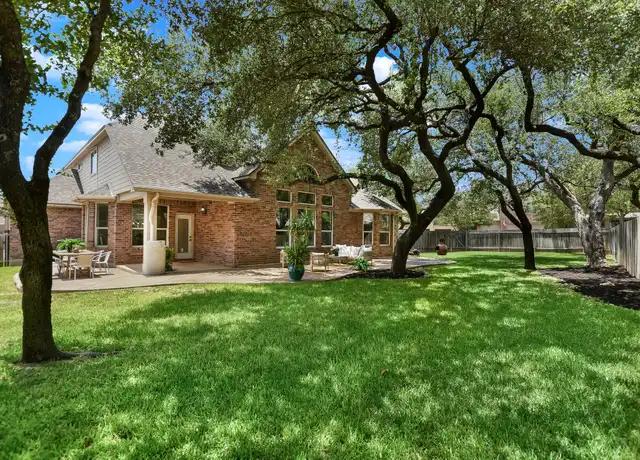
Moving to Spring? A Bigger Yard Isn't Always the Better Yard
Moving to Spring? How Much Yard Do You Really Want?
You are relocating to Spring.
You start looking at homes.
Then you see it:
A huge backyard.
Mature trees.
Plenty of grass.
Room for:
Pool.
Playset.
Garden.
Dog.
Outdoor kitchen.
Maybe all of them.
Your first reaction:
“This is amazing.”
Maybe it is.
But before deciding:
Bigger yard = better house,
ask a different question:
“What are we actually going to do with all of this?”
Because outdoor space is not simply:
Something you buy.
It is:
Something you use.
Maintain.
Water.
Mow.
Clean.
Landscape.
And sometimes:
Repair.
For relocators unfamiliar with living in the Houston area, the best yard may not be:
The largest.
It may be:
The one that fits your lifestyle.
Start With Purpose, Not Square Footage
Before comparing lot sizes:
Write down what you want to do outside.
Not:
What looks impressive.
What will you actually do?
Maybe You Want
Room for dogs.
A pool.
Covered patio.
Outdoor dining.
Children's play area.
Garden.
Privacy.
Maybe You Want Almost Nothing
A small patio.
Some landscaping.
And:
Very little maintenance.
That is equally valid.
Give Every Part of the Yard a Job
Ask:
What is this area for?
If You Cannot Answer
You may be buying:
Maintenance
instead of:
Lifestyle.
A Large Yard Can Be Wonderful
Especially if you:
Entertain.
Garden.
Have pets.
Want a pool.
Enjoy outdoor projects.
Need play space.
But More Land Creates More Responsibility
Potentially:
More mowing.
More edging.
More irrigation.
More landscaping.
More leaves.
More fence.
That does not make a large lot bad
It simply means:
Know what comes with it.
Think About Your Current Yard
How often do you use it?
Every day?
Weekends?
Rarely?
What do you like about it?
And:
What annoys you?
Your current experience is:
Useful data.
Do Not Assume Moving to Texas Will Turn You Into an Outdoor Person
Maybe it will.
But buy around:
Your established habits
first.
Shade Can Be More Valuable Than Extra Grass
Spring has many established neighborhoods where mature trees can significantly shape:
The outdoor environment.
Stand in the yard
and look at:
Tree placement.
House orientation.
Patio orientation.
Ask
Where will the afternoon sun be?
A Large Yard With Little Shade May Feel Very Different
from:
A smaller yard with a comfortable covered patio.
Think About When You Will Use the Yard
Morning coffee?
Afternoon swimming?
Evening dinner?
Weekend entertaining?
Time of day matters
because:
Sun exposure changes.
Visit Later in the Day When Possible
A backyard that feels wonderful at:
10 a.m.
may feel completely different at:
5 p.m.
Covered Patios Can Extend Usable Outdoor Space
A covered area may provide:
Shade.
Protection from light rain.
Space for:
Dining.
Seating.
Fans.
Ask Whether It Is Large Enough
Can you actually fit:
The furniture you envision?
Measure It
Do not rely on:
Photographs.
Outdoor Living Should Connect to the House
Look at the relationship between:
Kitchen.
Living room.
Back door.
Patio.
Yard.
If You Entertain
Good flow can matter more than:
Extra lawn.
Think About a Pool Before You Buy One
A pool can be:
Fantastic.
But decide whether:
You genuinely want one.
Ask
How often would we swim?
Who will use it?
Will we entertain around it?
Are we comfortable with maintenance?
If You Already Know You Want a Pool
A home with an existing pool may deserve:
Comparison with homes where you would add one later.
But Inspect the Pool as a System
Not simply:
A blue rectangle.
Understand:
Equipment.
Condition.
Features.
Maintenance.
If the Home Does Not Have a Pool
Do not assume:
“There is plenty of room.”
Pool feasibility can depend on
Lot dimensions.
Setbacks.
Utilities.
Drainage.
Easements.
Existing improvements.
HOA requirements where applicable.
Investigate Before Buying
If a future pool is:
A major priority.
A Big Yard Does Not Automatically Mean a Big Pool
Usable area matters more than:
Total area.
Pets Change Yard Priorities
If you have:
Dogs,
you may care about:
Fence.
Gate.
Shade.
Grass.
Drainage.
A giant yard with an unreliable fence may be
Less useful
than:
A smaller secure yard.
Look for Mud Potential
Especially around:
Gates.
Downspouts.
Low areas.
Your Dog Will Find the Mud
Even if:
You do not.
Children Create Different Needs
For younger children:
Visibility from inside may matter.
Can you see the play area from:
Kitchen?
Living room?
Patio?
For Older Children
You may want:
More flexible recreation space.
Again
Design matters more than:
Raw size.
Privacy Should Be Evaluated From the Yard
Stand:
Where you would sit.
Look around
Neighboring windows?
Road?
Trail?
Open land?
Two-story homes?
A fence creates some privacy
but not necessarily:
All privacy.
Landscaping Can Help
But mature landscaping requires:
Maintenance.
Trees Are Both an Asset and a Responsibility
Mature trees can provide:
Shade.
Beauty.
Character.
Privacy.
They can also require
Trimming.
Monitoring.
Cleanup.
Look at Their Relationship to
Roof.
Driveway.
Fence.
Pool.
Foundation area.
Ask Whether Large Trees Have Been Maintained
Where information is available.
Do Not Judge a Tree Only by How Pretty It Looks
Think:
Long term.
Look Down Too
When buyers admire trees:
They look up.
Also inspect
Roots.
Concrete.
Yard grading.
Bare areas.
Outdoor Space Includes the Driveway
Especially if your household has:
Multiple vehicles.
Teen drivers.
Guests.
Boat.
Trailer.
Ask
Where will everything go?
Do Not Assume a Large Lot Solves Parking
Driveway configuration matters.
Side-Yard Width Can Be Important
Especially if you expect to:
Move equipment.
Store trash bins.
Access the backyard.
Build a pool.
Walk Both Sides of the House
When practical.
A Narrow Side Yard Can Affect
Access.
Drainage.
Maintenance.
Drainage Should Be Part of Every Yard Evaluation
Especially for relocators unfamiliar with:
Heavy Texas rain.
Look at
Grading.
Downspouts.
Drains.
Swales.
Low spots.
Ask
Where does water go?
That is more useful than:
“Does it flood?”
Look for Clues
Erosion.
Soil movement.
Staining.
Standing-water indicators.
Patchy grass.
One dry showing cannot tell you everything
Use:
Seller disclosures.
Inspection.
Available property information.
Your own observations.
Irrigation Matters
A large landscaped yard may depend heavily on:
An irrigation system.
Understand whether one exists
and:
Its condition.
Ask About Zones
If information is available.
Look at Coverage
Are there obvious:
Dry areas?
Broken heads?
Leaks?
Watering a Large Yard Manually gets old
Very quickly.
Landscaping Style Changes Maintenance
Some yards have:
Simple lawn.
Others:
Beds.
Shrubs.
Trees.
Seasonal plantings.
Beautiful landscaping may require
More:
Time.
Service.
Water.
Ask Yourself
Do I enjoy:
Maintaining this?
If Not
Budget for:
Someone who does.
Yard Maintenance Should Be Part of the Ownership Budget
Potential recurring expenses can include:
Lawn service.
Irrigation repair.
Tree trimming.
Pest treatment.
Pool service.
Fence maintenance.
Compare Those Costs Alongside
Mortgage.
Taxes.
Insurance.
Utilities.
Do Not Forget Mosquito Management
Outdoor living in the Houston area can involve:
Mosquitoes.
Your strategy might include
Property maintenance.
Removing standing water.
Fans.
Professional treatment if desired.
If You Plan to Spend Significant Time Outside
Think about this:
Before move-in.
Outdoor Storage Can Keep the Garage Functional
Where permitted and appropriate:
A shed or storage solution may help with:
Lawn equipment.
Garden tools.
Pool equipment.
Outdoor toys.
But verify
Applicable restrictions.
Placement requirements.
Do Not Assume You Can Add Anything You Want
Before depending on:
Shed.
Pergola.
Fence change.
Outdoor kitchen.
Pool.
Other structure,
check:
Applicable HOA and permitting requirements.
Your Future Plans Should Be Realistic
Not simply:
“Someday.”
Make a Five-Year Outdoor List
What might you realistically add?
Pool?
Outdoor kitchen?
Playset?
Garden?
Dog run?
Then evaluate whether the lot supports
Those plans.
Do Not Pay for Ten Future Projects You Will Never Build
Sometimes:
Existing functionality
is more valuable.
Smaller Yards Can Be Excellent
Especially for buyers who want:
Less maintenance.
A compact yard can still have
Covered patio.
Pool.
Landscaping.
Privacy.
Dog space.
Efficient design can outperform
Raw size.
Large Lots Can Offer Flexibility
If you know you want:
Multiple outdoor uses,
extra room may be valuable.
The key word is
Use.
Compare Usable Yard, Not Just Lot Size
A property may have:
Large total lot.
But portions may be occupied by:
Home footprint.
Driveway.
Easements.
Slopes.
Landscaping.
Other limitations.
Ask
How much space is actually:
Useful to us?
Walk the Property Lines
As best you can understand them.
Do Not Assume the Fence Is the Property Line
If boundaries are important to your plans:
Use the appropriate survey and professional information.
Think About Maintenance While Traveling
If you travel frequently:
Who handles:
Lawn?
Pool?
Irrigation issue?
Storm debris?
A low-maintenance yard may provide
Peace of mind.
Think About Aging in the Home
A yard you love today may require:
More physical work later.
If this is a long-term home
ask whether the maintenance can:
Easily be outsourced.
Outdoor Space Affects Indoor Cleanliness Too
Large active yards can mean:
More:
Mud.
Grass.
Pool water.
Pets.
Look at the entry from the yard
Is there:
Hard flooring?
Drop zone?
Bathroom nearby?
Laundry nearby?
Good indoor-outdoor design can make
Outdoor living:
Much easier.
Use the “August Test”
Imagine:
A hot August afternoon.
Where would you sit?
If the answer is
“Nowhere,”
you may need:
More shade.
Covered space.
Pool.
Use the “Thunderstorm Test”
Imagine:
Heavy rain.
Where does:
Water go?
Look at
Patio.
Doors.
Downspouts.
Low areas.
Use the “Saturday Morning Test”
What will you be doing?
Mowing?
Swimming?
Gardening?
Drinking coffee?
Leaving for the lake?
Does the yard support
The Saturday you actually want?
Use the “Nobody Comes Over” Test
If you never host:
A large party,
would you still want:
This much outdoor space?
Use the “Maintenance Bill” Test
Would you still love the yard if:
Someone else had to maintain it
and:
You had to pay them?
That can reveal whether the yard is
Lifestyle
or:
Appearance.
Build a Spring Yard Scorecard
For each serious home, evaluate:
Yard Size
Appropriate?
Usable Space
Enough?
Mature Trees
Benefit?
Tree Maintenance
Manageable?
Shade
Enough?
Afternoon Sun
Acceptable?
Covered Patio
Functional?
Outdoor Flow
Good?
Pool
Wanted?
Future Pool
Realistic if desired?
Pets
Works?
Children
Works if relevant?
Privacy
Enough?
Fence
Functional?
Side Yards
Usable?
Drainage
Understood?
Irrigation
Understood?
Landscaping
Manageable?
Outdoor Storage
Enough?
Driveway
Works?
Future Projects
Realistic?
Maintenance Cost
Acceptable?
Overall
Would we actually use this yard?
Final Thoughts
When relocating to Spring, a large yard can be:
Exciting.
Especially if you are moving from somewhere with:
Less land.
But bigger does not automatically mean:
Better.
The better question is:
“How much outdoor space will we actually use?”
If you want:
Dogs running.
Children playing.
Pool.
Garden.
Outdoor kitchen.
Weekend projects.
then a larger yard may be:
Exactly right.
If you want:
A comfortable patio.
Some shade.
A little grass.
And:
Very little Saturday maintenance,
a smaller outdoor space may make you:
Much happier.
Look beyond:
Lot size.
Evaluate:
Shade.
Trees.
Drainage.
Irrigation.
Privacy.
Fence.
Sun exposure.
Patio.
Pool.
Maintenance.
And:
How the yard connects to the house.
Because you are not buying:
A number on a lot description.
You are buying:
The place where you might drink coffee.
Grill dinner.
Watch the dog run.
Sit after work.
Swim.
Garden.
Entertain.
Or:
Do absolutely nothing.
The right Spring yard is not:
The biggest one you can afford.
It is:
The one that gives you the outdoor life you want without creating an outdoor job you never wanted.
Frequently Asked Questions
Is a larger lot always better when buying a home in Spring?
No. A larger lot can provide flexibility and privacy, but it can also require more landscaping, irrigation, mowing, tree care, and general maintenance.
Are mature trees a benefit when relocating to Spring?
They can provide shade, privacy, and character. Buyers should also evaluate tree condition, placement, maintenance needs, and proximity to structures, concrete, fencing, and pools.
Should I buy a home with a pool or add one later?
That depends on your priorities and the specific property. If adding a pool later is important, investigate lot dimensions, easements, utilities, drainage, HOA requirements, and other factors before assuming installation will be feasible.
How important is backyard orientation?
It can be significant if you plan to use the yard frequently. Consider where afternoon sun falls on patios, pools, windows, and seating areas.
What should I look for regarding drainage?
Observe grading, downspouts, drains, low areas, erosion, and signs of standing water. Use available disclosures, inspections, and property-specific information to understand conditions more fully.
Should I verify the irrigation system?
If the property has irrigation, understanding its operation and condition can help you anticipate landscaping maintenance and possible repairs.
Is a smaller yard better for frequent travelers?
It may be. Buyers who travel frequently may prefer landscaping and outdoor features that can be maintained easily or managed through professional services.
Should I consider yard maintenance in my home budget?
Yes. Depending on the property, ongoing costs may include lawn service, irrigation repairs, tree care, pool service, pest management, fence maintenance, and landscaping.
Can I add a shed, pergola, fence, or outdoor kitchen later?
Possibly, but do not assume. Review applicable HOA restrictions, approvals, permits, easements, and property limitations before relying on a future addition.
What's the biggest takeaway?
When moving to Spring, choose your yard based on how you will actually use it—not simply how impressive it looks during a showing. The right outdoor space should support your lifestyle without creating more maintenance, expense, and work than you want.