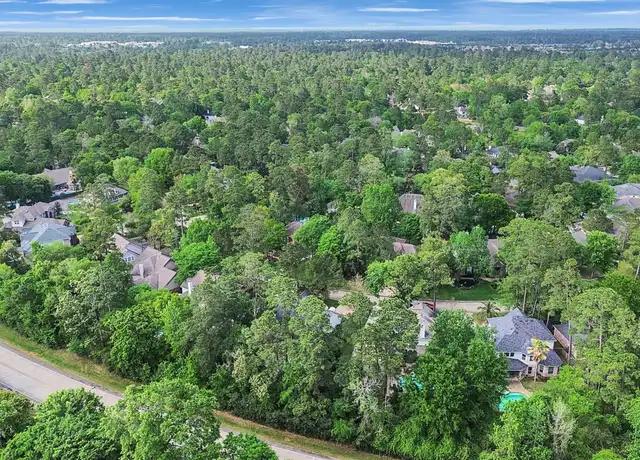
Moving to The Woodlands? Bigger Isn't Always the Better Move
Moving to The Woodlands? How Much House Do You Really Need?
Relocation can do something interesting to a home search.
It makes you think:
New city. New job. New chapter. Maybe we should get a bigger house.
So you start looking.
3,000 square feet.
Then:
3,500.
Then:
4,000.
Suddenly the home search becomes:
How much house can we buy?
Instead of:
How much house will we actually use?
Those are very different questions.
When relocating to The Woodlands, choosing the right amount of space can affect much more than your purchase price.
It can influence:
Utilities.
Maintenance.
Furniture.
Cleaning.
Landscaping.
Taxes.
Insurance.
And even how comfortable the home feels.
The goal is not:
Buy the biggest house your budget allows.
The goal is:
Buy enough house for the life you actually plan to live.
Start With Rooms, Not Square Footage
Before deciding:
“We need 3,500 square feet,”
write down:
What rooms do we actually need?
Maybe:
Primary bedroom.
Two children's bedrooms.
Guest room.
Office.
Game room.
That gives you a much better starting point.
Then Separate Needs From Nice-to-Haves
For example:
Need: dedicated office.
Nice: media room.
That distinction matters.
Square Footage Can Be Misleading
Two homes with:
The same square footage
can function completely differently.
One may have:
Large formal spaces.
Another:
Larger bedrooms.
One:
Huge game room.
Another:
Better storage.
Floor Plan Often Matters More Than the Number
A well-designed:
2,900-square-foot home
may work better for your household than:
3,500 square feet
with rooms you rarely use.
Work-From-Home Space Has Changed the Equation
For relocators who work remotely or hybrid schedules:
An office may be:
Essential.
Ask How Many People Need Workspace
One?
Two?
Occasionally:
Children doing homework?
Two Remote Workers May Need Separation
Two desks in:
One room
sound efficient.
Until:
Both people have meetings.
Think About Sound
A beautiful office next to:
Game room.
Kitchen.
Main entry.
may not function well for:
Video calls.
Do Not Automatically Add a Bedroom for an Office
A flexible room may work.
But consider whether you also need:
Guest space.
Guest Rooms Are Often Overestimated
Moving to The Woodlands may mean:
Friends and family visit.
But ask:
How often?
Ten Nights Per Year Does Not Necessarily Require a Permanent Guest Suite
You may prefer:
Office with sleeper sofa.
Flexible bonus room.
Dual-purpose room.
On the Other Hand, Frequent Guests Change the Equation
If parents or adult children regularly stay:
A dedicated bedroom may be worthwhile.
Think in Nights Per Year
Not:
“I think people will visit.”
Formal Dining Rooms Deserve the Same Test
Do you actually:
Host formal dinners?
If yes:
Great.
If not:
Could that square footage serve another purpose?
The Woodlands Has Many Established Floor Plans
Depending on the home and neighborhood, you may encounter:
Formal living rooms.
Formal dining rooms.
Studies.
Game rooms.
Large foyers.
Decide Which Spaces Match Your Lifestyle
Do not automatically assume:
Every room needs to keep its original purpose.
A Formal Living Room Could Become
Office.
Library.
Music room.
Conversation room.
Homework space.
Flexibility Adds Value to Square Footage
A room that can perform:
Two jobs
may be more useful than:
A larger specialized room.
Children Change Space Needs Over Time
Young children may want:
Playroom.
Older children may value:
Bedroom privacy.
Game room.
Study space.
Think Three to Five Years Ahead
Not just:
Move-in day.
But Avoid Buying for Every Possible Future
You do not need:
Six bedrooms
because someday:
Everyone might visit simultaneously.
Buy for Probable Life
Not:
Every hypothetical situation.
Storage Can Be More Valuable Than Another 300 Square Feet
Relocators sometimes underestimate:
Storage.
Especially when moving from:
Another region.
Think About What You Are Bringing
Holiday decorations.
Sports equipment.
Bikes.
Tools.
Luggage.
Business supplies.
Children's items.
Outdoor equipment.
Look Beyond Bedroom Closets
Evaluate:
Pantry.
Linen storage.
Coat storage.
Garage.
Attic access where appropriate.
Utility room.
Kitchen cabinetry.
Texas Homes May Require Different Storage Thinking
If you are relocating from somewhere with:
Basement storage,
do not assume your new home will provide:
The same kind of space.
Plan Where Everything Goes Before Closing
If the answer is:
“Garage,”
make sure:
The garage actually has room.
Garage Space Is Easy to Overestimate
A three-car garage may sound:
Huge.
But measure:
Depth.
Width.
Door configuration.
Large Vehicles Change the Equation
Especially:
Trucks.
SUVs.
So Does Storage
Once you add:
Freezer.
Shelving.
Bikes.
Tools.
Lawn equipment.
the usable parking area may shrink.
Outdoor Living Can Replace Some Indoor Space
The Woodlands lifestyle often places value on:
Patios.
Pools.
Backyards.
Outdoor kitchens.
Wooded surroundings.
If You Spend Significant Time Outside
You may not need:
An enormous interior entertaining area.
A Covered Patio Can Function Like Another Living Space
Especially when designed for:
Dining.
TV.
Conversation.
But Outdoor Space Requires Maintenance Too
More:
Furniture.
Cleaning.
Landscaping.
Pool care where applicable.
Bigger House Usually Means Bigger Utility Responsibility
More square footage means:
More space to cool.
Ceiling Height Matters Too
Large:
Two-story living rooms.
High ceilings.
Walls of windows
can create beautiful interiors.
But understand:
How the home functions.
Ask for Utility History When Appropriate and Available
Actual usage can provide:
Helpful context.
HVAC Configuration Matters
Larger homes may have:
Multiple systems.
That can help with:
Zoning.
Comfort.
But also means:
More equipment to maintain and eventually replace.
Home Age Matters
A large established home with:
Older HVAC systems
creates a different ownership picture from:
A similarly sized home with recently replaced equipment.
Roof Size Matters Too
A bigger, more complex roof is:
More roof.
When evaluating long-term costs:
Scale matters.
More Bathrooms Mean More Maintenance
That fifth bathroom sounds:
Convenient.
But it also adds:
Fixtures.
Plumbing.
Cleaning.
Ask Whether It Will Actually Be Used
The same applies to:
Second laundry rooms.
Wet bars.
Kitchenettes.
Specialty spaces.
Pools Change the Space Equation
A home with:
Smaller interior
and:
Fantastic pool/outdoor living
may fit you better than:
A larger home with a yard you would immediately renovate.
Compare Finished Lifestyle
Not:
Interior square footage.
Lot Size Deserves Its Own Decision
Do you want:
Privacy?
Pool?
Dog space?
Garden?
Play area?
Or Do You Prefer
Less mowing.
Less irrigation.
Less landscaping.
A Larger House Plus a Larger Lot Multiplies Maintenance
That may be:
Exactly what you want.
Or:
Too much.
Mature Trees Are Part of the Equation
One of the characteristics many buyers appreciate about established areas of The Woodlands is:
Trees.
Trees Can Provide
Shade.
Privacy.
Character.
They Also Require
Monitoring.
Trimming.
Storm cleanup.
General care.
Do Not Evaluate the House Without Evaluating the Property Around It
The entire property becomes:
Your responsibility.
Cleaning Is a Real Lifestyle Cost
Imagine cleaning:
2,800 square feet.
Then:
4,500.
Even If You Hire Help
That becomes:
An ongoing expense.
More Rooms Also Need Furniture
A relocator may buy a larger house and discover:
Half the rooms are empty.
Furnishing Can Become a Significant First-Year Expense
Especially when adding:
Guest rooms.
Game room.
Office.
Formal areas.
Outdoor living.
Do Not Spend Your Entire Housing Budget on the Structure
Leave room for:
Actually living in it.
Larger Homes Can Encourage Lifestyle Creep
New house.
Then:
New furniture.
New TVs.
New outdoor furniture.
More décor.
Ask What You Already Own
Will your current furniture:
Work?
The Right House Should Not Require an Immediate Shopping Marathon
Unless:
You want one.
Think About How Long You Plan to Stay
If this is:
Three-year relocation,
your space decision may differ from:
A long-term move.
More House Can Narrow the Future Buyer Pool
Highly specialized or very large properties may appeal to:
A more specific buyer.
But Do Not Buy Solely for Resale
Choose what:
Works for you.
Just understand:
The property you are buying.
Commute Can Be More Valuable Than Square Footage
Imagine:
House A is larger.
House B saves:
Twenty minutes per day.
Which Improves Your Life More?
That answer is personal.
Do Not Trade Everyday Time for Rooms You Rarely Enter
Especially if commuting:
Frequently.
Location Within The Woodlands Can Also Affect the Equation
A smaller home in a location that gives you easier access to:
Work.
Trails.
Parks.
Shopping.
Dining.
may provide more lifestyle value than:
A larger house farther from your daily routine.
Amenities Can Reduce What You Need at Home
If you regularly use:
Parks.
Trails.
Recreation.
Community facilities.
you may need less private recreational space.
Your Home Does Not Need to Contain Your Entire Life
Sometimes:
The community provides part of it.
Create a “Room With a Job” List
Before touring homes, write:
Primary bedroom — sleep.
Bedroom 2 — child.
Bedroom 3 — child.
Office — work.
Game room — family.
Guest room — visitors.
Then Challenge Every Additional Room
What is:
Its job?
If you cannot answer:
You may not need it.
Use the “Tuesday Night” Test
On an ordinary Tuesday:
Which rooms will actually be used?
Kitchen.
Living room.
Office.
Bedrooms.
Maybe:
Game room.
Now Count the Rest
How much house sits:
Unused?
Use the “Thanksgiving” Test Carefully
Buyers sometimes choose a home around:
One holiday.
Yes, you may host:
Twenty people.
But how often?
Do Not Buy 365 Days of House for One Day of Entertaining
Unless hosting is:
Central to your lifestyle.
Use the “Everyone Is Home” Test
Now imagine:
Everyone is home.
Someone working.
Someone watching TV.
Someone studying.
Someone cooking.
Does the floor plan provide enough separation?
That matters more than:
Raw square footage.
Use the “Five Years From Now” Test
Will you need:
More space?
Less space?
Different space?
Flexible Rooms Win
A room that can move from:
Playroom
to:
Homework room
to:
Office
has long-term usefulness.
Use the “Maintenance Saturday” Test
Imagine:
Lawn.
Pool.
House cleaning.
Repairs.
Trees.
Outdoor spaces.
How much of Saturday do you want to spend maintaining the property?
That answer can help determine:
How much house you really want.
Build a Right-Size Scorecard
For each finalist home, evaluate:
Bedrooms
Enough?
Office
Functional?
Guest Space
Realistically needed?
Flexible Rooms
Available?
Game Room
Will use?
Formal Rooms
Will use?
Storage
Enough?
Pantry
Enough?
Garage
Actually fits?
Outdoor Living
Useful?
Pool
Wanted?
Yard
Right size?
Trees
Manageable?
Cleaning
Manageable?
Utilities
Comfortable?
HVAC
Understood?
Major Systems
Understood?
Furniture Needed
Reasonable?
Commute
Worth the location?
Five-Year Fit
Still works?
Final Thoughts
Moving to The Woodlands can create the temptation to:
Go bigger.
More bedrooms.
More bathrooms.
Bigger game room.
Bigger yard.
Bigger everything.
But bigger does not automatically create:
A better relocation.
Sometimes the better home is:
The one where every room has a purpose.
The office actually works.
The garage actually fits your vehicles.
The backyard is manageable.
The commute makes sense.
The storage is sufficient.
And the monthly ownership costs leave room for:
Living.
Before deciding how much house you want, stop asking:
“How much can we buy?”
Instead ask:
“How much will we actually use?”
Then look at:
Floor plan.
Storage.
Outdoor living.
Work habits.
Guests.
Children.
Maintenance.
Location.
Future plans.
The goal is not:
Maximum square footage.
It is:
Maximum usefulness.
Because after the excitement of relocating fades, you will not experience your home as:
3,487 square feet.
You will experience it as:
Where you drink coffee.
Where you work.
Where everyone gathers.
Where you sleep.
Where you spend your weekends.
And when those spaces fit the way you actually live:
The house usually feels:
Plenty big enough.
Frequently Asked Questions
How much square footage do I need when moving to The Woodlands?
There is no universal number. Start with the rooms your household genuinely needs, then evaluate floor-plan efficiency, storage, outdoor space, maintenance, and budget rather than choosing by square footage alone.
Is a larger home always better for a relocating family?
No. A larger home may provide more flexibility, but it can also increase utilities, maintenance, cleaning, furnishing, and other ownership responsibilities.
Should I buy an extra bedroom for guests?
It depends on how frequently guests actually stay. Some households benefit from a dedicated guest room, while others may prefer a flexible office or bonus room that can accommodate occasional visitors.
How important is a home office when relocating to The Woodlands?
For remote and hybrid workers, a functional workspace can be more valuable than additional general-purpose square footage. Consider privacy, sound, natural light, and whether multiple household members need workspace.
Should I prioritize a bigger house or a shorter commute?
That depends on your priorities. Frequent commuters may find that saving substantial driving time improves daily life more than having additional rooms they rarely use.
Are formal living and dining rooms useful?
They can be for households that regularly use them. Otherwise, consider whether those spaces can serve another purpose such as an office, library, music room, homework space, or additional sitting area.
Should buyers coming from homes with basements think differently about storage?
Yes. If you currently rely heavily on basement storage, pay close attention to garage space, closets, pantry capacity, utility storage, and other available storage areas when comparing homes.
Does outdoor living reduce how much interior space I need?
It can. Buyers who regularly use covered patios, pools, outdoor kitchens, parks, trails, and other recreational spaces may place less value on oversized interior entertainment areas.
Is a large lot worth it in The Woodlands?
It depends on whether you value additional yard space and privacy enough to take on the associated landscaping, irrigation, tree care, and maintenance.
What's the biggest takeaway?
When relocating to The Woodlands, choose the amount of house based on how your household actually lives—not simply the maximum square footage your budget can purchase. A well-designed, right-sized home can provide more everyday value than a larger property filled with rooms you rarely use.