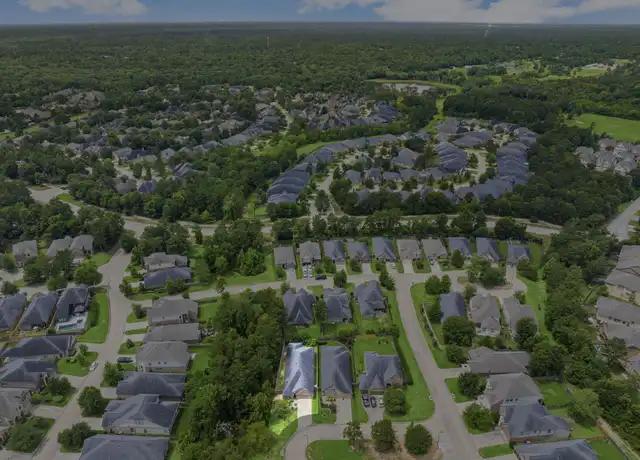
Moving to Woodforest? The Lot May Matter More Than the Floor Plan
Moving to Woodforest? The Lot May Matter More Than the Floor Plan
You find two homes in Woodforest.
Similar price.
Similar square footage.
Same number of bedrooms.
Both have:
Beautiful kitchens.
Large primary suites.
Home offices.
Great finishes.
On paper:
Almost identical.
But one backs to another home.
The other backs to green space.
One gets intense afternoon sun across the backyard.
The other has more shade.
One sits near a community entrance.
The other is deeper inside the neighborhood.
One has:
A huge backyard.
The other:
A smaller yard with more privacy.
These are not minor differences.
Because after you move in, you can change:
Paint.
Flooring.
Lighting.
Countertops.
Furniture.
You cannot pick up the lot and move it.
For relocators buying in Woodforest, understanding the lot can be just as important as understanding the house.
Start With How You Actually Use the Property
Before deciding that you need:
The biggest lot.
Ask:
What are we going to do with it?
Do you want:
Pool?
Outdoor kitchen?
Play equipment?
Garden?
Dog space?
Large lawn?
Privacy?
Minimal maintenance?
Your answer determines what makes a lot:
Good.
Bigger Is Not Automatically Better
A larger yard can mean:
More usable space.
More separation.
More flexibility.
But potentially also:
More mowing.
More irrigation.
More landscaping.
More maintenance.
Buy the Yard You Want to Maintain
Not simply:
The largest yard available.
A Smaller Lot Can Still Be Excellent
Especially if it offers:
Better orientation.
Privacy.
Green-space view.
Better outdoor layout.
Less maintenance.
Look at Usable Yard, Not Just Lot Size
A lot can look large on paper but include:
Easements.
Slopes.
Drainage areas.
Utility locations.
Unusual shape.
Trees.
Other limitations.
Walk the Entire Backyard
Do not evaluate it from:
The patio door.
Go outside.
Walk:
Corner to corner.
Imagine Your Actual Plans
Where would:
Pool go?
Patio go?
Playset go?
Dog run go?
Outdoor kitchen go?
Greenbelt Lots Can Be Attractive
Some buyers value:
No immediate rear neighbor.
Trees.
Natural view.
Additional visual privacy.
But verify exactly what is behind the property.
“Green” Does Not Automatically Mean “Permanent”
Determine whether the area is:
Designated reserve.
Common area.
Drainage area.
Undeveloped land.
Future development.
Those are different.
Never Pay a Lot Premium Based on an Assumption
If the view is important:
Research it.
Water-View Lots Need Similar Research
A water feature can add:
Visual interest.
Open space.
Sunset views.
Potential privacy.
But ask:
What is it?
Who maintains it?
What is its purpose?
Not Every Pond Is a Recreational Lake
Some water features may serve:
Drainage.
Detention.
Other infrastructure purposes.
Understand the actual feature.
Water Level and Appearance Can Change
Season.
Rain.
Maintenance.
Weather.
can affect how a water feature looks.
Do not judge it from:
One perfect afternoon.
Corner Lots Have Tradeoffs
Potential advantages:
Fewer immediate side neighbors.
Different yard configuration.
More visual openness.
Potentially easier backyard access.
Potential considerations:
More street exposure.
More sidewalk or landscaping responsibility depending on the property.
Different privacy.
More traffic visibility.
Walk Both Street Frontages
Imagine:
Parking.
Children.
Pets.
Landscaping.
Noise.
Cul-de-Sac Lots Can Be Appealing
Buyers often associate them with:
Less through traffic.
Larger pie-shaped lots.
Children playing outside.
More privacy.
But not every cul-de-sac lot is:
Huge.
Flat.
Private.
Pie-Shaped Lots Can Be Deceptive
The backyard may be:
Wide.
Or:
Narrow.
Depending on which direction the lot expands.
Measure What Matters
Do not rely only on:
Lot square footage.
Location Near an Entrance Can Be Convenient
If you commute frequently:
Getting in and out quickly can be valuable.
You may reduce:
Internal driving.
Turns.
Time.
But Entrance Proximity May Bring More Traffic
Potentially:
More vehicles.
More activity.
Different road noise.
Again:
Tradeoff.
Deeper Inside the Community Can Feel More Residential
Some relocators prefer:
More separation from outside roads.
Neighborhood atmosphere.
Internal trails and parks.
Less reason for non-residents to pass nearby.
But You May Drive Farther Every Day
Calculate:
Door to exit.
Not just:
Community to office.
Park Proximity Can Be Great for Families
Imagine walking to:
Playground.
Open space.
Trail.
Pool.
That can make daily life easier.
But Visit When the Park Is Busy
A quiet park on:
Tuesday at 10 a.m.
may feel different on:
Saturday afternoon.
Ask Whether You Want Activity or Separation
Some buyers love seeing:
Families.
Walkers.
Bikes.
Community life.
Others want:
Quiet.
Privacy.
Trail-Adjacent Lots Have Similar Tradeoffs
Immediate trail access can be wonderful.
But consider:
Pedestrian activity.
Dogs.
Bikes.
Privacy.
Lighting.
Vegetation.
Stand in the Backyard
Can trail users see:
Your patio?
Pool?
Windows?
Trees Can Completely Change a Lot
Trees can provide:
Shade.
Privacy.
Character.
Visual appeal.
But location matters.
Look at Trees Relative to Your Plans
Could a tree affect:
Pool placement?
Patio expansion?
Future structure?
Sunlight?
Mature Landscaping Can Save Time
A resale home may already have:
Trees.
Shrubs.
Beds.
Screening.
Established lawn.
That can create a finished feeling immediately.
Newer Lots May Give You More Control
You can create:
Your own landscaping.
Privacy screen.
Outdoor design.
But that takes:
Time.
Money.
Sun Exposure Is One of the Most Overlooked Lot Factors
You tour at:
10:30 in the morning.
Backyard feels perfect.
Then you move in.
At 5:00 p.m.:
The patio is in full sun.
Visit During the Afternoon
Especially if outdoor living matters.
Think About Where the Sun Hits
Pool.
Patio.
Primary bedroom.
Living room.
Home office.
There Is No Universally “Best” Orientation
One household wants:
Morning backyard sun.
Another wants:
Afternoon shade.
Choose based on your habits.
Pool Buyers Should Pay Special Attention
If the home already has a pool:
Observe:
Sun exposure.
Shade.
Tree debris.
Privacy.
Equipment location.
Deck space.
A Pool With No Usable Patio Space May Not Fit Your Lifestyle
You need room to:
Sit.
Eat.
Entertain.
Move around.
If You Plan to Build a Pool Later, Investigate Before Buying
Do not simply look at the yard and think:
“Plenty of room.”
Potential considerations may include:
Easements.
Utilities.
Setbacks.
Drainage.
Access.
Community requirements.
Existing trees.
Get Appropriate Information Before Depending on a Future Pool
If a pool is essential:
Do the homework before closing.
Outdoor Kitchens Need Space Too
A beautiful covered patio may look:
Large.
Then you add:
Grill.
Refrigerator.
Dining table.
TV.
Furniture.
Suddenly:
Crowded.
Think in Furniture Dimensions
Not:
Empty patio dimensions.
Backyard Privacy Is More Than Fence Height
Stand where your furniture would go.
Then look around.
Can neighbors see you from:
Second-story windows?
Patios?
Side yards?
Look Up
Relocators often only look:
Straight ahead.
Home Elevation Can Affect Privacy
If the home behind you sits:
Higher,
the fence may provide less screening than expected.
Drainage Deserves Serious Attention
A beautiful lot still needs to manage:
Rainwater.
Look at:
Grading.
Swales.
Drains.
Downspouts.
Low areas.
Neighboring elevations.
Do Not Assume Standing Water Is Normal
If you see water:
Ask questions.
Visit After Rain When Possible
That can reveal conditions a sunny showing cannot.
Landscaping Can Hide Drainage Features
Decorative beds may conceal:
Drains.
Swales.
Grading.
Understand how water is intended to move.
Side Yards Matter
Especially if you plan:
Pool construction.
Large equipment.
Boat-related storage where permitted.
Outdoor projects.
Check Access Width
A narrow side yard may affect:
Future construction access.
Utility Equipment Can Affect Outdoor Plans
Locate:
Electrical equipment.
Gas meter.
HVAC condensers.
Irrigation equipment.
Other utility infrastructure.
HVAC Placement Can Affect Patio Noise
If condensers sit beside:
Your outdoor seating area,
listen when they run.
Generator Placement Matters Too
If a standby generator exists:
Know where it is.
Street Parking Can Change the Feel of a Lot
Visit:
Evening.
Weekend.
Are cars regularly parked:
Along both sides?
Near your driveway?
Driveway Configuration Matters
Ask whether you can comfortably:
Park.
Back out.
Turn around.
Load vehicles.
Three-Car Garage Does Not Automatically Mean Easy Parking
Driveway width and layout matter.
Corner and Curved Streets Can Change Driveway Visibility
Test:
Entering.
Exiting.
Mailboxes and Community Features Can Create Activity
A property near:
Cluster mailbox.
Park entrance.
Trailhead.
Bus stop.
Community facility.
may experience more:
Foot traffic.
Vehicle stops.
That Might Be Convenient
Or:
Annoying.
Depends on you.
Streetlights Can Affect Bedrooms
Touring during daylight will not show:
Where streetlights shine at night.
Visit After Dark
Especially if a bedroom faces:
The street.
Noise Changes by Time of Day
Listen for:
Road traffic.
Construction.
Lawn equipment.
Community activity.
Dogs.
Turn Off the Car
Stand outside for:
Five minutes.
New Construction Nearby Can Change the Lot Experience Temporarily
If surrounding sections are still developing:
Expect possible:
Construction noise.
Trucks.
Dust.
Changing views.
Research What Is Planned
Especially behind or beside the property.
Do Not Assume a Model-Home View Is Permanent
This applies particularly when buying:
Early in development.
Future Roads Can Matter
A street that currently feels:
Extremely quiet
may connect differently later.
Check available development information.
Resale Buyers Will Judge the Same Lot
Eventually, another buyer may stand in:
Your backyard
and evaluate:
Privacy.
View.
Sun.
Traffic.
Noise.
Lot size.
Unique Lots Can Stand Out
Potentially:
Greenbelt.
Cul-de-sac.
Water view.
Oversized yard.
Privacy.
But only if the characteristics are:
Actually desirable.
Do Not Overpay Simply Because the Lot Has a Label
“Premium lot” is not enough.
Ask:
Premium to whom?
Your Lifestyle Determines the Premium
A golfer may value:
Golf view.
A family may value:
Park proximity.
A frequent commuter may value:
Quick exit.
A privacy-focused buyer may value:
Green space.
Build a Woodforest Lot Scorecard
For every finalist property, evaluate:
Lot Size
Enough?
Usable Yard
Enough?
Privacy
Comfortable?
Rear Neighbor
Acceptable?
Side Neighbors
Acceptable?
Green Space
Verified?
Water Feature
Understood?
Trees
Helpful or limiting?
Sun Exposure
Works?
Patio
Enough?
Pool
Existing or feasible?
Outdoor Kitchen
Works?
Drainage
Understood?
Easements
Reviewed?
Utilities
Locations understood?
Side Access
Adequate?
Driveway
Functional?
Street Traffic
Comfortable?
Parking
Comfortable?
Park
Right distance?
Trail
Right distance?
Community Exit
Convenient?
Future Development
Researched?
Construction
Considered?
Noise
Acceptable?
Nighttime
Visited?
Resale Appeal
Reasonable?
Use the “Same House, Different Lot” Test
If the exact house were available:
Two streets away
on a better lot:
Would you switch?
If yes:
The current lot may not be right.
Use the “No Rear View” Test
If the current view changed:
Would you still love the house?
Use the “August Afternoon” Test
Imagine:
Hot summer afternoon.
Where is the sun?
Where would you sit?
Use the “Saturday Morning” Test
What happens nearby?
Pool traffic?
Park?
Trail?
Construction?
Use the “Five-Year Backyard” Test
Will the yard still work if you add:
Pool?
Dog?
Children?
Outdoor kitchen?
Different lifestyle?
Use the “Maintenance” Test
Are you willing to maintain:
This much grass?
These trees?
This landscaping?
This pool?
Final Thoughts
When relocating to Woodforest, it is easy to become focused on:
Floor plan.
Kitchen.
Bedrooms.
Square footage.
Finishes.
But the lot deserves equal attention.
Because you can change:
Paint.
Flooring.
Lighting.
Counters.
Furniture.
You cannot easily change:
Sun exposure.
Street location.
Neighboring homes.
Lot shape.
Privacy.
Community position.
The land behind you.
So before buying:
Walk the yard.
Visit in the afternoon.
Look behind the fence.
Look up at neighboring windows.
Check drainage.
Research undeveloped land.
Drive the street at night.
Test the community exit.
Measure the patio.
Think about the pool.
Then ask:
“Does this lot support the way we actually want to live?”
That question can be more important than:
“Do we like the kitchen?”
Because five years after moving in:
The kitchen may look completely different.
The lot will still be:
The lot.
And in a master-planned community like Woodforest, choosing the right one can have a major impact on how much you enjoy the home long after the excitement of moving has passed.
Frequently Asked Questions
Is a larger lot always better in Woodforest?
No. Usable space, privacy, orientation, maintenance, drainage, shape, and location can matter more than total lot size.
Are greenbelt lots better?
They can be attractive to buyers seeking privacy or natural views, but verify what is actually behind the property and whether that condition is permanent.
Should I pay more for a water-view lot?
Only if the view has meaningful value to you. Understand the purpose and maintenance of the water feature and how much the view contributes to your lifestyle before paying a premium.
Is a cul-de-sac lot a good choice?
It can be, particularly for buyers who prefer less through traffic, but evaluate the actual lot shape, parking, driveway, yard, and surrounding homes.
Should I consider sun exposure before buying?
Yes. Sun orientation can significantly affect patios, pools, natural light, landscaping, and how comfortable outdoor spaces feel at different times of day.
Can I assume a large backyard will fit a pool?
No. Pool feasibility can depend on easements, setbacks, utilities, access, drainage, trees, and applicable community requirements. Investigate before purchasing if a future pool is essential.
Should I worry about drainage?
Drainage should be evaluated for any property. Look at grading, drains, downspouts, neighboring elevations, and other property-specific conditions, and use appropriate inspections or professionals when needed.
Is it better to live near a Woodforest entrance?
That depends on your priorities. Entrance proximity can make commuting easier, while deeper locations may provide a more residential feel. Test the actual routes.
Should I visit a Woodforest home at different times before buying?
When possible, yes. Afternoon sun, evening traffic, street lighting, nearby activity, and noise may be very different from what you experience during one showing.
What's the biggest takeaway?
When relocating to Woodforest, choose the lot as carefully as you choose the house. Privacy, sun, yard usability, drainage, traffic, nearby amenities, future development, and outdoor-living potential can affect your daily experience long after cosmetic features inside the home have changed.