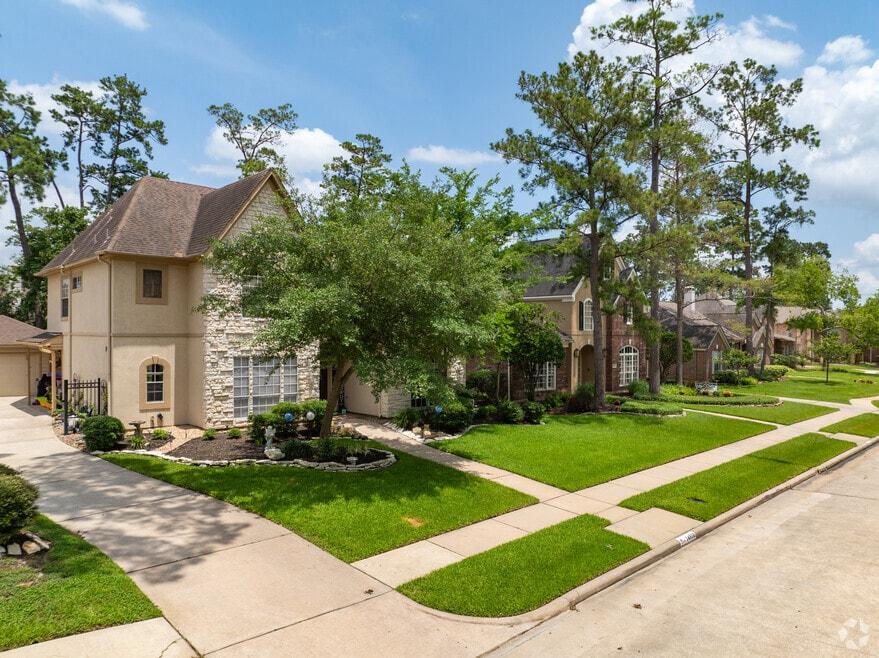
Newer Isn't Automatically Better: The Cypress Neighborhood Decision Buyers Shouldn't Rush
You tour the new house first.
Everything feels fresh.
Modern kitchen.
Current finishes.
New appliances.
New flooring.
You can practically smell the fresh paint.
Then you drive fifteen minutes and tour an older home.
The kitchen isn't as trendy.
But something happens when you pull onto the street.
The trees are bigger.
The landscaping is established.
The backyard feels different.
The neighborhood feels settled.
Now you're comparing two things that aren't really the same.
And that's one of the more interesting decisions Cypress buyers can face:
Do you want newer—or do you want established?
Neither answer is automatically correct.
But the differences go far beyond the age of the house.
You're Comparing Two Different Buying Experiences
When buyers say:
“We prefer something newer,”
they're often thinking about the home itself.
That's reasonable.
But neighborhood age can affect much more than finishes.
You may also be comparing:
Trees.
Landscaping.
Lot characteristics.
Construction activity.
Community amenities.
Surrounding development.
Existing improvements.
Potential future growth.
The question isn't simply:
“Which house looks newer?”
It's:
“Which complete environment fits us better?”
Newer Homes Have Real Advantages
Let's start there.
Depending on the property, buyers may appreciate:
Contemporary layouts.
Current design.
Newer systems.
Modern energy-efficiency features.
Updated building standards.
Less immediate cosmetic work.
Builder warranties when applicable.
The appeal is easy to understand.
For buyers who don't want to spend their first year changing a house, newer construction can be attractive.
But “New” Doesn't Mean “No Maintenance”
This is worth remembering.
Every house eventually requires maintenance.
A newer home may reduce some near-term concerns, but buyers should still complete appropriate due diligence.
New doesn't mean:
Nothing can go wrong.
No maintenance is required.
Every component is perfect.
You still need to understand the specific property you're purchasing.
Established Homes Offer Something Time Creates
Now walk through an older Cypress neighborhood.
Look up.
Mature trees may create:
Shade.
Character.
Privacy.
A completely different streetscape.
Landscaping may be fuller.
Backyards may feel more established.
The neighborhood has had years to develop its visual identity.
You can't fast-forward a newly planted tree fifteen years.
Time is part of the property.
Landscaping Is More Valuable Than Buyers Sometimes Realize
A new home may come with basic landscaping.
An established property may have:
Mature trees.
Large shrubs.
Established beds.
Landscape lighting.
Improved irrigation.
Outdoor living.
Privacy screening.
Those things took time and money.
Don't compare homes using interior finishes alone.
Walk the exterior carefully.
Then Compare the Lots
This is where things get interesting.
Depending on the communities and homes you're comparing, lot sizes and configurations may differ.
Don't assume:
Older = larger.
Newer = smaller.
Verify the specific properties.
But compare:
Width.
Depth.
Privacy.
Rear surroundings.
Side spacing.
Orientation.
Usable backyard.
A 10,000-square-foot lot and another 10,000-square-foot lot can feel completely different.
New Construction Lets You Make Some Decisions Yourself
One appeal of buying early enough in the construction process may be the ability to choose certain features or finishes, depending on the builder and stage of construction.
That can be exciting.
But be realistic about how much customization is actually available.
A production home isn't necessarily a fully custom home.
Ask:
What's included?
What's an upgrade?
What can still be changed?
What can't?
And get important details documented appropriately.
Established Homes Let You See What You're Actually Buying
There's another advantage to resale.
The street exists.
The neighboring homes exist.
The trees exist.
The landscaping exists.
The backyard exists.
The view exists.
You're seeing a more developed version of the environment.
In a newer area, some surrounding conditions may still change as construction continues.
Neither is inherently better.
One simply involves more uncertainty about what the finished environment may eventually look like.
Construction Activity Matters
If you're buying in an actively developing section, visit during the week.
What sounds like a peaceful neighborhood on Sunday afternoon may feel different Monday morning.
You could encounter:
Construction vehicles.
Contractor activity.
Temporary road conditions.
Nearby building.
Dust.
Noise.
Again, that's not necessarily a reason not to buy.
It's part of understanding the experience during the development period.
Ask How Long Build-Out May Continue
If ongoing development matters to you, ask questions and review available information.
How much nearby land remains undeveloped?
What future sections are planned?
What information is available about surrounding development?
Plans can change, so avoid treating future development concepts as guarantees.
But understanding what's currently known can help you make a more informed decision.
Amenities Can Be Different Too
Newer master-planned areas may heavily emphasize community amenities.
Pools.
Trails.
Parks.
Recreation.
Community spaces.
Established neighborhoods may offer a different collection of features—or may simply provide a quieter, more mature residential environment.
Don't count amenities.
Ask:
Which ones would we actually use?
Ten amenities you never visit aren't automatically more valuable than two you use every week.
Drive Through on a Saturday
This is one of the easiest ways to understand a community.
Don't only tour houses.
Watch how people use the neighborhood.
Are people:
Walking?
Biking?
At parks?
Using recreation areas?
Spending time outdoors?
Does the activity level feel right for you?
You're not judging the people.
You're evaluating whether the physical environment supports the lifestyle you're looking for.
Taxes Deserve Property-Specific Research
This is particularly important when comparing homes across different Cypress developments.
Property tax obligations can vary based on the specific property and applicable taxing jurisdictions.
Don't assume two similarly priced Cypress homes will necessarily produce identical tax obligations.
Review current property-specific information and obtain appropriate guidance about how taxes may apply to your purchase.
HOA Costs and Rules May Differ Too
Compare more than the annual fee.
Review available association information for the specific property.
Buyers may want to understand:
Assessments.
Rules.
Architectural restrictions.
Maintenance responsibilities.
Community standards.
Different buyers view HOA structures differently.
What feels reassuring to one buyer may feel restrictive to another.
Read before you buy.
The “Finished Backyard” Has Value
Here's a cost buyers sometimes overlook.
Home A is newer and appears less expensive.
Home B is established and costs more.
But Home B already has:
Pool.
Covered patio.
Outdoor kitchen.
Mature landscaping.
Window treatments.
Storage improvements.
Home A doesn't.
If you want those things, calculate what creating them later might involve.
The cheaper purchase price isn't always the cheaper finished home.
The Opposite Can Also Be True
Don't automatically assume established homes are better values.
An older home may eventually require significant work involving:
Roof.
HVAC.
Windows.
Pool equipment.
Exterior components.
Interior updates.
The right comparison includes both what has already been added and what may need attention.
Don't Let Model Homes Set Your Expectations
Model homes are designed to sell a feeling.
Beautiful furniture.
Perfect lighting.
Upgraded finishes.
No clutter.
Everything coordinated.
They're useful for understanding possibilities.
But make sure you understand what is actually included with the home you're considering.
Ask specific questions about:
Finishes.
Appliances.
Lighting.
Flooring.
Landscaping.
Structural options.
Other upgrades.
Don't mentally purchase the model when you're actually buying a different specification.
Established Homes Have Their Own Version of the Model-Home Problem
A beautifully renovated resale can create the same emotional effect.
You love everything.
Great.
Now separate:
Cosmetic improvements.
Major systems.
Maintenance history.
Lot.
Location.
Actual property condition.
A gorgeous renovation doesn't eliminate the need for due diligence.
Which Buyer Are You?
Try this.
Buyer A
“I want current finishes, newer systems, and I don't mind living around some ongoing development.”
A newer option may deserve serious attention.
Buyer B
“I want mature surroundings, established landscaping, and I care more about the setting than having the newest finishes.”
An established home may make more sense.
Buyer C
“I want pieces of both.”
That's probably most buyers.
Now the search becomes about deciding which compromises matter least.
Don't Buy the Word “New”
Buy the actual house.
The actual lot.
The actual tax situation.
The actual community.
The actual monthly cost.
The actual commute.
The actual surroundings.
Newness is one characteristic.
It shouldn't replace the rest of your analysis.
And Don't Buy “Character” Without Looking Under the Hood
The same warning applies to established homes.
Beautiful trees and architecture can create an emotional connection.
But still evaluate:
Condition.
Systems.
Maintenance.
Future expenses.
Insurance considerations.
Inspection findings.
Charm doesn't pay for a failing HVAC system.
Run the Five-Year Comparison
Before deciding, imagine owning each property for five years.
Newer Home
What might you add?
Pool?
Patio?
Landscaping?
Storage?
Window treatments?
Established Home
What might you replace?
HVAC?
Roof?
Flooring?
Appliances?
Pool equipment?
You won't predict everything.
The exercise simply forces you to look beyond closing day.
Then Ask the Better Question
Not:
“Which home is newer?”
Ask:
“Which home would we rather own once the excitement of moving wears off?”
That's where the answer often becomes clearer.
Final Thoughts
Cypress gives buyers options.
And that's a good thing.
But it also means you may find yourself comparing homes that offer completely different versions of suburban life.
One gives you:
Fresh construction.
Current design.
A community still taking shape.
Another gives you:
Mature surroundings.
Established landscaping.
Completed improvements.
A neighborhood you can already experience in its more developed form.
Neither is automatically better.
Neither is automatically the better investment.
Neither is automatically easier to own.
The right choice comes from looking past the age of the house and asking:
“Which complete package fits the way we actually want to live?”
Because five years after closing, you probably won't care nearly as much that your house was brand new when you bought it.
You'll care whether you still love coming home to it.
Frequently Asked Questions
Is new construction better than an established Cypress home?
Not automatically. Newer homes and established properties offer different advantages. The better choice depends on your budget, priorities, maintenance preferences, lot, location, community, and lifestyle.
Are established Cypress homes more likely to have larger lots?
Not necessarily. Lot sizes and configurations vary considerably. Compare the actual properties rather than relying on assumptions based on age.
Should I worry about construction in a newer community?
If ongoing construction matters to you, visit at different times and investigate available information about remaining development and nearby building activity.
Can two similarly priced Cypress homes have different property taxes?
Yes. Property-specific tax obligations can differ based on applicable taxing jurisdictions, assessments, exemptions, and other factors. Verify information for each property you're considering.
Should I choose the community with more amenities?
Not necessarily. Consider which amenities you will realistically use and whether the overall community environment fits your lifestyle.
What's the biggest takeaway?
Don't reduce the decision to new versus old. Compare the entire ownership experience: house, lot, surroundings, taxes, HOA, improvements, maintenance, amenities, development activity, and the lifestyle each Cypress property actually provides.