Older or Newer? The Better Spring Home May Surprise You
Should You Buy an Older Home or a Newer Home in Spring?
You tour the newer house first.
Open kitchen.
Large island.
Modern primary bathroom.
Big closet.
Everything feels fresh.
Then you tour an older home.
The kitchen isn't quite as current.
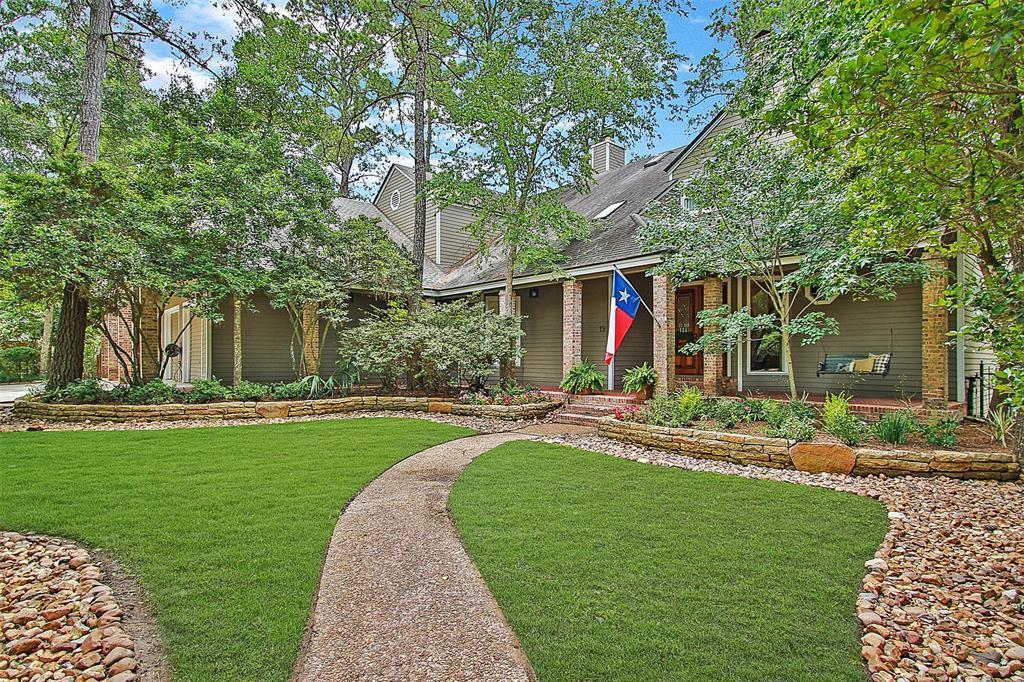
But the trees are mature.
The lot feels bigger.
The street feels established.
The rooms may have different proportions.
And the location might work better for your routine.
Now you're comparing two very different kinds of value.
This is where buyers can make a mistake by asking:
“Which home is newer?”
instead of:
“Which home gives us the better combination of condition, location, layout, lot, and ownership cost?”
Because newer doesn't automatically mean better.
And older doesn't automatically mean more trouble.
The individual property matters much more than the number on the year-built line.
Start With What You Mean by “Older”
Age alone tells you surprisingly little about a home's current condition.
Consider two houses built in the same year.
House A has had significant updates to major systems and has been consistently maintained.
House B has had mostly cosmetic changes while important components are approaching replacement.
Same age.
Completely different ownership picture.
That's why buyers should stop treating the year built as a condition report.
It isn't.
A Newer Home Can Still Need Attention
Newer does not mean maintenance-free.
Every home contains:
Roofing.
HVAC equipment.
Plumbing.
Electrical systems.
Appliances.
Windows.
Exterior materials.
Drainage.
And countless other components.
Even relatively recent homes should receive appropriate inspections and due diligence.
The advantage of newer construction is not that nothing can go wrong.
It's that certain systems may have had less time in service—depending on the specific property.
An Older Home Can Have Surprisingly New Systems
Now consider the opposite.
The listing says the home was built decades ago.
You assume:
Old roof.
Old HVAC.
Old water heater.
Old everything.
Then you investigate.
Roof replaced.
HVAC updated.
Water heater newer.
Electrical work completed.
Windows improved.
Kitchen renovated.
Now the actual ownership picture looks very different.
Always investigate the components—not merely the construction date.
Separate Cosmetic Age From Functional Age
This distinction can save buyers from overlooking excellent properties.
A home may look dated because it has:
Older paint colors.
Traditional cabinetry.
Older light fixtures.
Wallpaper.
Older flooring.
None of those automatically mean the home is functionally obsolete.
Cosmetic updates can often be changed relatively easily.
Major systems deserve a different level of attention.
The Ugly Chandelier Is Not the Problem
You walk into the dining room.
Huge brass fixture.
You hate it.
Your brain says:
“This house is old.”
But the chandelier can be replaced.
Now compare that with:
Poor drainage.
Major structural concerns.
A roof near the end of its useful life.
An HVAC system needing replacement.
Those are different conversations.
Don't let easily changed finishes distract you from more important property characteristics.
Older Neighborhoods May Offer Mature Trees
One feature that takes time to create is landscaping.
Established Spring neighborhoods may offer mature trees that significantly affect:
Shade.
Appearance.
Privacy.
Street character.
Outdoor comfort.
You cannot renovate a young tree into a mature canopy.
If established landscaping matters to you, give it appropriate weight.
But Trees Need Evaluation Too
Large trees can be wonderful.
They can also require:
Trimming.
Monitoring.
Storm cleanup.
Professional care.
Pay attention to trees located near:
Rooflines.
Driveways.
Foundations.
Pools.
Fences.
Utilities.
A wooded property should be appreciated and evaluated.
Lot Size Can Change the Comparison
An older home may offer a different lot configuration than some newer alternatives.
But don't assume older always means larger.
Compare the actual properties.
Look at:
Total size.
Width.
Depth.
Shape.
Privacy.
Usable backyard.
Easements.
Home placement.
A 12,000-square-foot lot isn't automatically more useful than a 9,000-square-foot lot.
Usable Yard Matters More Than the Number
Imagine:
House A has a large lot but much of the yard is awkwardly shaped.
House B has less land but a wide, rectangular backyard.
If you want:
Pool.
Play area.
Garden.
Outdoor kitchen.
Dog space.
House B may work better.
Walk the yard.
Don't just read the lot size.
Newer Floor Plans Often Reflect Different Priorities
Many buyers looking at newer homes are drawn to features such as:
Open kitchen and family room.
Larger islands.
Home offices.
Game rooms.
Larger primary closets.
Different bathroom layouts.
More contemporary indoor-outdoor connections.
If these are important to your household, newer construction may naturally appeal.
But don't stop there.
Older Floor Plans Can Have Advantages Too
Some buyers prefer:
Defined rooms.
Separate dining.
More wall space.
Traditional layouts.
Different bedroom separation.
Less visual openness.
There is no objectively superior floor plan.
The right layout is the one that supports how you actually live.
Open Concept Isn't Automatically Better
Open floor plans photograph beautifully.
But imagine:
Someone watching television.
Someone cooking.
Someone on a work call.
Children doing homework.
Everything happens in one large room.
Some households love that.
Others eventually wish they had more separation.
Buy the floor plan for your household—not for the trend.
Walls Can Be Useful
A defined room can provide:
Noise separation.
Privacy.
Furniture placement.
Home-office flexibility.
A quieter retreat.
Before deciding an older layout feels “closed off,” ask whether those walls might actually serve a purpose.
Don't Assume You Can Easily Open the Floor Plan Later
You look at the kitchen wall and think:
“We'll just remove that.”
Maybe.
But wall removal can involve:
Structural considerations.
Electrical.
Plumbing.
HVAC.
Cabinetry.
Flooring.
Ceiling repair.
Permits where applicable.
Professional evaluation.
Never base your purchase on an assumed renovation without understanding what may be involved.
Renovated Older Homes Need Different Questions
You find an established Spring home that has been completely updated.
Beautiful.
Now ask:
What exactly was updated?
Cosmetics?
Systems?
Both?
When?
By whom?
Were permits required for any of the work?
What documentation is available?
A renovated appearance doesn't automatically tell you what's behind the walls.
Don't Let Fresh Paint Become Your Inspection
This is especially important with renovated properties.
Fresh:
Paint.
Flooring.
Counters.
Fixtures.
Cabinets.
can make a home feel almost new.
But visual renovation and underlying condition are different things.
Appropriate inspection and due diligence still matter.
New Construction Deserves Inspection Too
Some buyers think:
“It's brand new. What could be wrong?”
New homes are built by people.
Components are installed by people.
Mistakes can happen.
An appropriate independent inspection can still be valuable depending on your situation.
New should not mean automatic.
Compare What Is Already Finished
Suppose the older home already has:
Blinds.
Landscaping.
Patio.
Fence.
Mature trees.
Storage systems.
Maybe a pool.
The newer home may require some of these after closing.
That doesn't make the newer property worse.
But include those future expenses when comparing the total purchase.
New Homes Can Come With a “Second Shopping List”
You close.
Then realize you still want:
Window treatments.
More landscaping.
Patio improvements.
Ceiling fans.
Storage systems.
Additional lighting.
Outdoor features.
Furniture.
Suddenly the move-in budget gets bigger.
A newer house may feel finished structurally while still requiring money to make it feel finished personally.
Older Homes May Have Their Own Immediate List
The established home may need:
Interior paint.
Flooring.
Lighting.
Appliances.
Bathroom updates.
Kitchen improvements.
Exterior work.
Again, the right comparison isn't:
New versus old.
It's:
What will each property realistically require after closing?
Create a First-Two-Years List
For each serious contender, write down what you expect to spend money on during the first two years.
Older Home
Maybe:
Paint.
HVAC.
Appliances.
Flooring.
Tree work.
Newer Home
Maybe:
Window treatments.
Landscaping.
Patio.
Storage.
Furniture.
Now compare.
This can change how the purchase-price difference feels.
Energy Efficiency Deserves Property-Specific Evaluation
Newer construction may incorporate more recent building practices, equipment, insulation, windows, or other energy-related features.
But don't assume the age of the home tells you exactly what the utility bills will be.
Older homes may also have received efficiency improvements.
If operating costs matter, investigate the actual property.
Ask About Improvements, Not Just Age
Instead of:
“How old is the house?”
ask:
“What has been replaced or improved, and when?”
That question is often much more useful.
Major items might include:
Roof.
HVAC.
Water heater.
Windows.
Plumbing components.
Electrical work.
Appliances.
Exterior materials.
Pool equipment where applicable.
The timeline tells a story.
Roof Age Deserves Attention
A roof can affect:
Maintenance planning.
Insurance.
Future expense.
General property condition.
Don't guess based on appearance.
Investigate available information and obtain appropriate professional guidance when needed.
HVAC Age Isn't the Whole Story Either
Ask about:
Age.
Maintenance history where available.
Condition.
Number of systems.
Efficiency.
Performance.
A well-maintained system and a neglected system of similar age may present different ownership considerations.
Multiple HVAC Systems Can Change Ownership Costs
Larger homes may have more than one system.
That can provide comfort and zoning advantages.
It also means more equipment exists to:
Maintain.
Service.
Eventually replace.
When comparing homes, count systems—not just square footage.
Windows Can Make a Noticeable Difference
Windows affect:
Comfort.
Noise.
Appearance.
Natural light.
Potential energy performance.
If an older home has updated windows, that may be meaningful.
If it has original windows, understand their condition rather than assuming replacement is immediately necessary.
Plumbing Deserves More Than a Quick Glance
Buyers tend to look at:
Faucets.
Sinks.
Shower tile.
But plumbing includes much more than the visible fixtures.
An inspection can help evaluate observable conditions, and additional specialist evaluation may be appropriate if concerns arise.
The beautiful bathroom tile isn't the plumbing system.
Electrical Updates Can Be Quietly Valuable
Electrical improvements aren't glamorous.
They don't photograph like a kitchen.
But depending on the home, buyers may care about:
Panel condition.
Available capacity.
Grounding.
GFCI/AFCI protection where applicable.
Added circuits.
EV charging capability.
Outdoor power.
Again, professional evaluation matters when questions arise.
Foundation Concerns Should Be Evaluated, Not Assumed
Buyers sometimes see an older Texas home and immediately worry about foundation issues.
Age alone doesn't establish a problem.
Look for evidence.
Review available information.
Use qualified inspectors or appropriate professionals when warranted.
Don't diagnose the house from the driveway.
Drainage May Matter More Than Granite
Walk outside.
Look at:
Grading.
Gutters where present.
Downspouts.
Low areas.
Drainage paths.
Neighboring elevations.
Standing water if conditions allow you to observe it.
Drainage isn't exciting.
But it's part of owning the property.
Visit After Rain When Possible
A perfectly dry yard on a sunny afternoon tells you only so much.
If timing and weather cooperate, seeing the property after rainfall can sometimes provide useful observations about how water moves around the lot.
You may notice things you couldn't see during the first showing.
Pools Make the Age Comparison More Complicated
An older home may already have an established pool.
Great.
But evaluate:
Surface condition.
Equipment.
Decking.
Plumbing.
Safety features.
Overall condition.
A pool's existence and a pool's condition are two different things.
A New Pool Isn't Automatically a Better Pool
Likewise, newer doesn't automatically mean the design fits your lifestyle.
Ask:
Is there enough yard left?
Is the pool positioned well?
Do you like the depth and configuration?
How does it connect to the patio?
Would you have designed it this way?
You're buying the actual feature, not its age.
Location Can Overpower the Age Difference
This is one of the biggest considerations.
Older Home:
Better commute.
Closer to the places you use.
Established street.
Great lot.
Newer Home:
More current floor plan.
Farther from your daily destinations.
Which wins?
That depends on you.
But remember:
You can update a kitchen.
You cannot renovate the home's location.
Calculate How Often the Location Difference Affects You
If the older home saves twenty minutes each way on a daily commute, that difference occurs repeatedly.
If the newer home has a nicer primary bathroom, you also experience that repeatedly.
Now you're comparing lifestyle benefits.
Which one matters more?
That's the real decision.
Don't Pay for “New” If You Plan to Change Everything
This happens more than you'd think.
Buyer wants new construction.
Then immediately plans to replace:
Builder lighting.
Paint.
Backsplash.
Hardware.
Landscaping.
Closet systems.
Maybe flooring.
If you're changing much of what makes the home feel new, make sure the premium still makes sense.
Don't Buy “Character” If You Secretly Want New
The opposite happens too.
You love the idea of an established home.
Then every room becomes:
“We'll renovate this.”
Kitchen.
Bathrooms.
Flooring.
Layout.
Windows.
Exterior.
At some point, you may be trying to turn an older house into the newer house you should have purchased.
Know yourself.
Renovation Tolerance Matters
Some buyers genuinely enjoy projects.
They like choosing:
Tile.
Paint.
Cabinets.
Fixtures.
Flooring.
They enjoy improving a home over time.
Other buyers find renovation exhausting.
Neither approach is better.
But it should influence what you buy.
Turnkey Has Value
If you want to:
Close.
Move.
Unpack.
Live.
then a property requiring fewer immediate projects may be worth paying more for.
Part of what you're purchasing is convenience.
That's legitimate value.
Opportunity Has Value Too
An older or less-updated property may offer something different:
The opportunity to buy the right location or lot and improve the house gradually.
For the right buyer, that can be more appealing than paying for someone else's renovation choices.
Compare the Hard-to-Change Features First
When deciding between older and newer homes, start with:
Location.
Lot.
Street.
Floor plan.
Garage.
Overall size.
Privacy.
Orientation.
Then consider:
Roof.
HVAC.
Major systems.
Condition.
Finally:
Paint.
Lighting.
Countertops.
Decorative finishes.
This keeps cosmetic excitement from overpowering the important differences.
Use the “Five Years Later” Test
Imagine both houses five years from now.
The new house isn't new anymore.
The older home may have received several improvements.
What remains?
Location.
Lot.
Floor plan.
Street.
Trees.
Commute.
Those characteristics deserve serious weight today.
Use the “First $25,000” Test
Imagine you have $25,000 available after closing.
Which home would need it more urgently?
And what would you spend it on?
Cosmetic improvements?
Major maintenance?
Landscaping?
Furniture?
Would that money significantly improve one property?
This exercise can help reveal the real difference between the homes.
Use the “No Renovation” Test
Imagine you're not allowed to change either house for two years.
Which would you rather live in?
This is surprisingly revealing.
It separates:
What I could make this become
from:
What I am actually buying today.
Create an Older-vs.-Newer Scorecard
For each serious Spring contender, rate:
Location
Which better supports your commute and routine?
Lot
Which provides the privacy, size, and outdoor space you want?
Floor Plan
Which works better without major structural changes?
Major Systems
What is known about roof, HVAC, plumbing, electrical, and other important components?
Immediate Projects
What would you realistically change soon?
Maintenance
What ownership responsibilities should you anticipate?
Energy and Utilities
What property-specific information is available?
Trees and Landscaping
Do you value mature surroundings or prefer newer landscaping?
Financial Fit
How do purchase price and expected post-closing costs compare?
Lifestyle Fit
Which property simply works better for the way you live?
Now compare the total.
Not the construction date.
Final Thoughts
When buying in Spring, newer and older homes can offer very different advantages.
A newer property may offer:
Contemporary floor plan.
More current finishes.
Newer systems.
Different energy features.
Less immediate updating.
An established property may offer:
Mature trees.
Different lot characteristics.
Established landscaping.
Potentially advantageous location.
Existing improvements.
Architectural character.
Neither category automatically wins.
The best home is the one where the combination of:
location + lot + layout + condition + ownership cost + lifestyle
makes the most sense for you.
So don't ask only:
“How old is this house?”
Ask:
“How well has this house aged—and how well will it work for the way we plan to live?”
That's a much better buying question.
Frequently Asked Questions
Is it better to buy an older or newer home in Spring?
Neither is automatically better. Compare the individual home's location, lot, layout, condition, systems, improvements, ownership costs, and how well it fits your lifestyle.
Does an older home always require more maintenance?
No. Maintenance needs depend on the specific property, its systems, previous improvements, quality of upkeep, and current condition.
Should new construction still be inspected?
Buyers should discuss appropriate inspections and due diligence with their real estate and inspection professionals. New construction should not automatically be assumed to be defect-free.
Are older homes more likely to have larger lots?
Not necessarily. Lot sizes and configurations vary significantly. Compare the actual properties rather than assuming age determines lot size.
Should I choose a newer home if I don't want renovations?
Possibly, but evaluate the individual property. Some resale homes have already been extensively updated, while some newer homes may still require landscaping, window treatments, storage improvements, or other post-closing expenses.
How should I evaluate a renovated older home?
Look beyond cosmetic finishes. Investigate what was updated, when work was completed, what documentation is available, and the condition of major systems.
Is location more important than home age?
For many buyers, location deserves substantial weight because it is difficult to change. The right balance depends on your commute, routine, budget, preferred home style, and renovation tolerance.
What's the biggest takeaway?
Don't buy based on the year built. Buy based on the actual condition, location, lot, floor plan, ownership costs, and lifestyle fit of the individual Spring home.