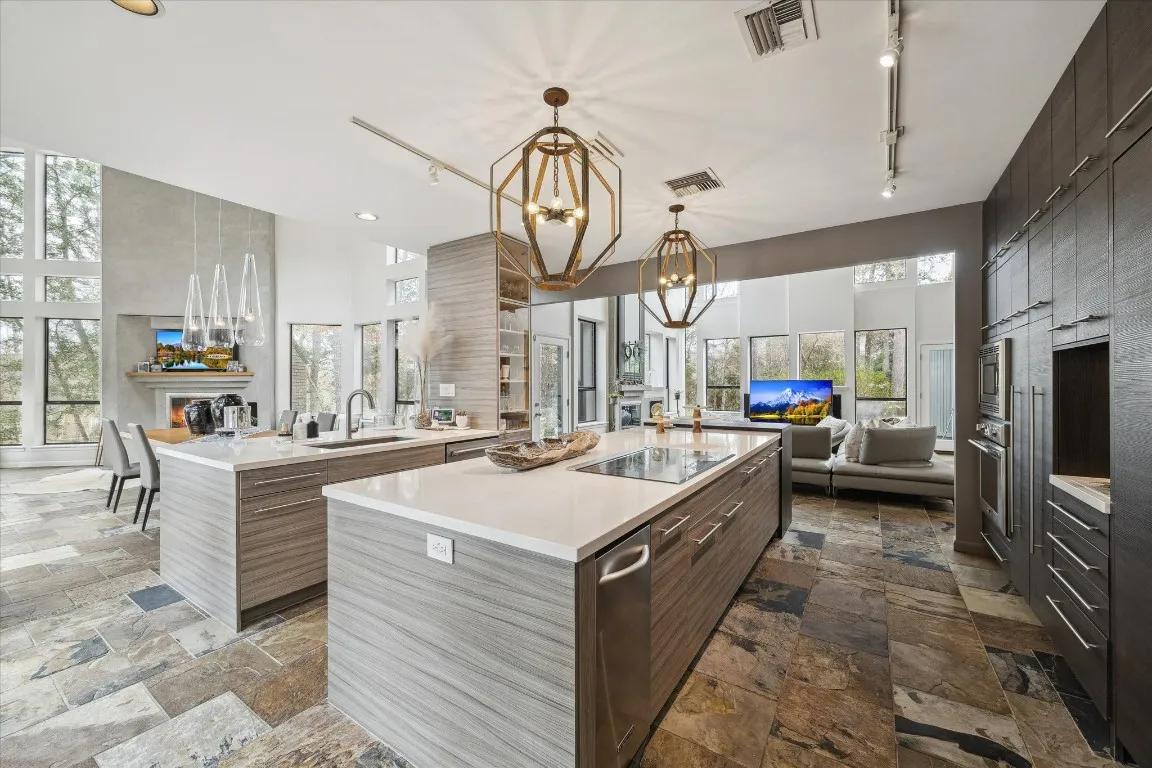
How to Price Your Home to Sell in The Woodlands Without Leaving Money on the Table
When homeowners decide to sell, one of the first questions they ask is, "How much is my home worth?" While it's tempting to aim for the highest possible price, the most successful sales often begin with the right pricing strategy—not simply the highest number.
In today's market, buyers have access to more information than ever before. They compare listings, review recent sales, and watch new properties as soon as they hit the market. That means pricing your home correctly from day one is one of the most important decisions you'll make.
Why Pricing Matters More Than Ever
Your home's first few weeks on the market are often when buyer interest is at its highest.
A well-priced home can:
Generate more online views
Increase showing activity
Attract multiple interested buyers
Create stronger negotiating opportunities
Reduce the amount of time your home spends on the market
When a home is priced appropriately from the start, buyers are more likely to schedule a showing before moving on to another property.
The Risk of Pricing Too High
Many sellers believe they can "leave room to negotiate" by pricing well above market value.
Unfortunately, this strategy can sometimes have the opposite effect.
An overpriced home may:
Receive fewer showings
Remain on the market longer
Require future price reductions
Raise concerns among buyers about why it hasn't sold
Eventually sell for less than it might have with a stronger initial pricing strategy
The longer a listing sits, the more buyers begin to wonder if something is wrong with the property—even when nothing is.
The Risk of Pricing Too Low
Pricing below market value isn't always the answer either.
While a lower price may attract attention quickly, it could also mean:
Leaving equity on the table
Attracting buyers outside your target price range
Creating unnecessary financial loss
The goal isn't simply to sell quickly—it's to sell strategically.
What Determines a Home's Value?
Several factors influence market value, including:
Recent comparable sales
Home size
Lot size
Location within The Woodlands
Updates and renovations
Overall condition
Current buyer demand
Available inventory
Unique features
Looking at these factors together provides a much more accurate picture than relying on automated online estimates alone.
Pricing Is a Strategy, Not a Guess
A successful pricing strategy combines market data with an understanding of buyer behavior.
Questions to consider include:
How many similar homes are currently for sale?
What have comparable homes recently sold for?
What features make your property stand out?
How competitive is today's market?
The answers help position your home to attract qualified buyers while maximizing its value.
Be Ready to Adjust if Needed
Even with careful preparation, market conditions can change.
If your home isn't receiving expected activity, it may be worth reviewing:
Online traffic
Showing feedback
Comparable new listings
Market shifts
Making thoughtful adjustments early can often produce better results than waiting too long.
Final Thoughts
Pricing your home is one of the most important decisions you'll make during the selling process. A thoughtful pricing strategy helps create strong first impressions, attracts serious buyers, and positions your home for a successful sale. By understanding current market conditions and focusing on long-term results rather than short-term expectations, you'll be better prepared to maximize your home's value.
Frequently Asked Questions
Should I price my home higher to leave room for negotiation?
Pricing significantly above market value can reduce buyer interest and may lead to a longer time on the market.
How are comparable sales used?
Comparable sales help estimate a home's market value by looking at recently sold properties with similar characteristics.
Do online home value estimates provide an accurate price?
Online estimates can provide a general starting point, but they often cannot account for your home's condition, upgrades, location within the community, or current buyer demand.
Can I change my price after listing?
Yes. Sellers can adjust their asking price based on market activity, buyer feedback, and changing conditions.
Why is pricing so important during the first few weeks?
New listings often receive the most buyer attention when they first enter the market, making an effective initial pricing strategy especially important.