New Blog Post
You tour two homes.
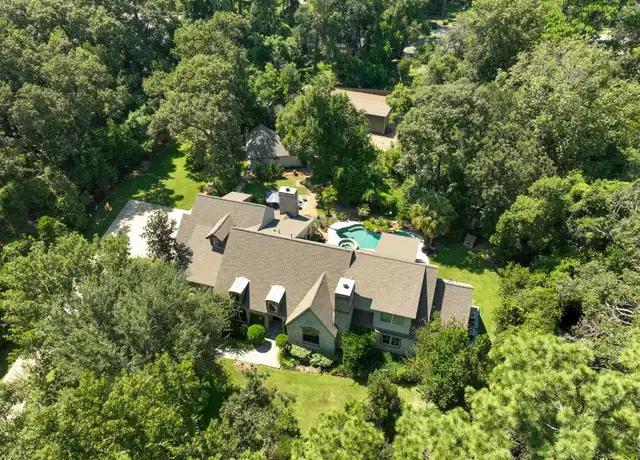
The first sits in a quiet, heavily wooded setting.
Private backyard.
Mature trees.
Very little visual activity.
It feels peaceful the moment you arrive.
The second is closer to the parts of The Woodlands you use most.
Shorter drive to dinner.
Easier errands.
More convenient access to the places that shape your week.
You like both.
So which one wins?
That depends on something buyers don’t always decide until too late:
Do you value privacy more—or convenience more?
Because in real life, those two priorities can sometimes pull you in different directions.
Start With What “Privacy” Means to You
Privacy is subjective.
For one buyer, it means:
No rear neighbors.
For another:
Mature trees.
For another:
Minimal street activity.
For another:
A backyard that feels separated from nearby homes.
Don’t use the word casually.
Define it.
What exactly would make a home feel private enough for you?
Then Define Convenience
Convenience is just as personal.
Does it mean:
Shorter work commute?
Closer grocery store?
Easier access to restaurants?
Nearby trails?
Faster trips to appointments?
Less time driving children to activities?
You need to know which conveniences actually matter.
Being close to something you rarely use isn’t meaningful convenience.
Buyers Often Chase Both Without Ranking Them
This is where the search becomes frustrating.
You want:
Complete privacy.
Large lot.
Quiet street.
Mature trees.
And also:
Immediate access to everything.
Short commute.
Walkability.
Minimal driving.
Sometimes you can find a strong balance.
But if inventory forces a trade-off, which one are you willing to compromise?
Decide before the perfect kitchen makes the choice for you.
The Backyard Test
Walk into the backyard.
Stop talking.
Look around.
Can you see neighboring windows?
Road activity?
Other structures?
Or does the setting feel screened and quiet?
Now ask:
How much does this matter to us?
Some buyers spend hours outside.
Others rarely use the yard.
That difference should influence how much value you place on privacy.
The Kitchen-Window Test
Privacy isn’t only about the backyard.
Look through the windows from rooms you use most.
Kitchen.
Family room.
Primary bedroom.
Office.
What will you see every day?
Trees?
Neighboring homes?
A road?
Open space?
The view from inside may matter just as much as the yard itself.
Convenience Has a Daily Compound Effect
A five-minute difference feels small once.
Multiply it.
Groceries.
Gym.
Dinner.
Work.
Appointments.
School-related trips.
Errands.
Week after week, small distances can shape how a location feels.
Convenience is often less dramatic than privacy during a showing—but more noticeable over time.
Privacy Has a Daily Compound Effect Too
The same is true in reverse.
You step outside every evening.
The setting feels quiet.
The trees block visual clutter.
The backyard feels like your own space.
That experience repeats every day.
It may be worth a slightly longer drive to some buyers.
The right answer depends on which benefit you feel more strongly.
Don't Confuse “Farther Away” With “More Private”
This matters.
A home can be farther from central destinations and still feel exposed.
Another may be relatively convenient while offering excellent screening or lot characteristics.
Evaluate the actual property.
Not assumptions based on location.
Lot Position Can Change Everything
Within the same neighborhood, one property may feel much more private because of:
Rear surroundings.
Lot shape.
Tree coverage.
Home placement.
Street position.
Adjacent land.
Another may offer better convenience because of its relationship to neighborhood entrances or major routes.
This is why two nearby homes can create completely different lifestyles.
Mature Trees Help—but Don’t Automatically Equal Privacy
Trees can provide:
Screening.
Shade.
Character.
Visual separation.
But look carefully.
Seasonal changes matter.
Tree health matters.
Placement matters.
Don’t assume a wooded view guarantees complete year-round privacy.
Evaluate what’s actually there.
Corner Lots Create Their Own Balance
A corner lot may feel more open.
That can be attractive.
But it may also expose more sides of the property to the street.
Some buyers love that openness.
Others prefer a more interior setting.
Again, privacy isn’t automatically about lot size.
It’s about how the property sits.
Homes Near Pathways Can Be Convenient and Active
The Woodlands pathway system is a major lifestyle feature for many buyers.
Living close to access can be fantastic if you walk, run, or bike often.
But if a pathway is very near a backyard or side property line, consider how that relationship feels to you.
Some buyers love seeing activity.
Others want more separation.
Neither reaction is wrong.
Same With Parks and Recreation
Living close to a park can be incredibly convenient.
But proximity can also mean more activity at certain times.
Ask:
Would we love being this close?
Or would we rather be a few streets away?
“Near” and “next to” are different experiences.
Town Center Convenience Can Be Valuable
If your routine frequently takes you toward areas such as Market Street, The Woodlands Waterway, or Hughes Landing, proximity may matter.
But ask honestly:
How often will we go?
If it’s several times per week, location could have real value.
If it’s once a month, perhaps you’d rather prioritize privacy elsewhere.
Commute Can Break the Tie
Imagine you love two homes equally.
One gives you more privacy.
The other saves thirty minutes of total daily commuting.
That’s approximately 2.5 hours per five-day workweek.
Over time, the difference adds up.
Ask yourself what you would do with those hours.
That makes convenience more tangible.
Remote Work Can Flip the Decision
If you work from home most days, commute convenience may matter less.
Now you may care more about:
Quiet.
Views.
Outdoor space.
Home office environment.
Privacy.
A location that would have felt too far away five years ago may now work beautifully.
Your work pattern should be part of the home search.
Retirees May Rank the Trade-Off Differently Too
A buyer who no longer commutes may prioritize:
Peace.
Outdoor living.
Views.
Proximity to healthcare.
Shopping.
Restaurants.
Recreation.
Their version of convenience can look very different from a daily commuter’s.
Again, the word itself needs definition.
Don’t Let “Private” Become Isolated
There’s a point where privacy may begin creating inconvenience you don’t actually want.
Ask:
How long is the grocery run?
How easy is it to reach major roads?
How far are our regular destinations?
How do we feel about that at night?
You want privacy—not frustration.
And Don’t Let “Convenient” Become Busy
The opposite can happen.
A property may be extremely convenient but have:
More traffic.
More nearby activity.
Less visual separation.
A different street feel.
That might be completely acceptable.
But understand the trade before buying.
Visit at Different Times
This is especially useful for privacy and convenience decisions.
Midday may feel quiet.
Evening may bring more activity.
Weekend patterns may differ.
Pathways may be busier.
Traffic may change.
A location that feels perfectly balanced during one showing may feel different at another time.
Sit Outside for Ten Minutes
Don’t just walk the backyard.
Sit.
Seriously.
If outdoor privacy matters, take a few minutes and experience the space.
Listen.
Look around.
Notice movement.
Imagine a normal evening.
This tells you more than a quick lap around the patio.
Then Run an Errand
After the showing, go to the grocery store.
Or coffee.
Or whichever destination you’d use regularly.
How does the trip feel?
That gives you a real taste of convenience.
Home buying gets clearer when you stop imagining and start testing.
Create a Privacy Score and Convenience Score
For final contenders, rate each home from 1 to 10 on:
Privacy
Backyard
Views
Street activity
Tree coverage
Rear surroundings
Noise
Convenience
Commute
Groceries
Dining
Trails
Parks
Major routes
Other routine destinations
You don’t need sophisticated math.
The exercise simply reveals what you’re actually trading.
Don’t Let Price Hide the Lifestyle Difference
Sometimes one home is less expensive because of a characteristic you care about.
Maybe it’s closer to activity than you prefer.
Maybe the more private home commands a premium.
Or vice versa.
Don’t ask only:
“Which is the better deal?”
Ask:
“Which lifestyle would we rather pay for?”
That’s a better decision.
Think About Resale Too
You should buy for yourself first.
But unusual location characteristics can influence future buyer preferences.
A highly private lot may appeal strongly to some buyers.
A highly convenient location may appeal strongly to others.
Understand what makes the property distinctive.
You’re not buying for the future buyer—but it’s useful to recognize the trade-offs you’re inheriting.
The Best Home May Be the One in the Middle
You may discover you don’t need maximum privacy or maximum convenience.
You want balance.
Enough tree coverage.
Reasonable backyard separation.
A quiet street.
But still practical access to your everyday life.
That middle ground may be more valuable to you than winning either category completely.
Final Thoughts
The Woodlands gives buyers something rare:
The possibility of living in a heavily landscaped, nature-oriented community while still having access to major employment, shopping, dining, recreation, and everyday services.
But every address balances those benefits differently.
Some properties lean toward privacy.
Others lean toward convenience.
Some do a remarkable job of offering both.
The important thing is deciding what matters to you before the house makes the decision emotionally.
So when you tour your next serious contender, ask two questions:
“How peaceful will life feel here?”
And:
“How easy will life feel here?”
The perfect answer doesn’t need to be 10 out of 10 in both categories.
It needs to be the combination you’ll still appreciate long after the excitement of buying the house wears off.
Frequently Asked Questions
Is a more private lot always better in The Woodlands?
No. Privacy is one preference among many. Some buyers may place greater value on proximity to everyday destinations, pathways, parks, work, or other conveniences.
Does being closer to amenities mean more traffic?
Not necessarily, but different locations can experience different levels of activity. Buyers should evaluate the specific property and street rather than relying on assumptions.
Are homes near pathways less private?
It depends on the property's exact relationship to the pathway, landscaping, lot configuration, and surroundings. Visit and evaluate the actual setting.
Should I choose privacy over a shorter commute?
There’s no universal answer. Consider how often you commute, how much time the difference represents, and how strongly you value the home's setting and privacy.
Can I evaluate privacy from listing photos?
Only partially. Photos may not show neighboring windows, activity, sound, seasonal tree coverage, or the full relationship between the property and its surroundings. Visit in person when possible.
What's the biggest takeaway?
Don’t search for the home that is simply most private or most convenient. Find the Woodlands property that gives you the right balance of peace, access, and everyday practicality for the way you actually live.