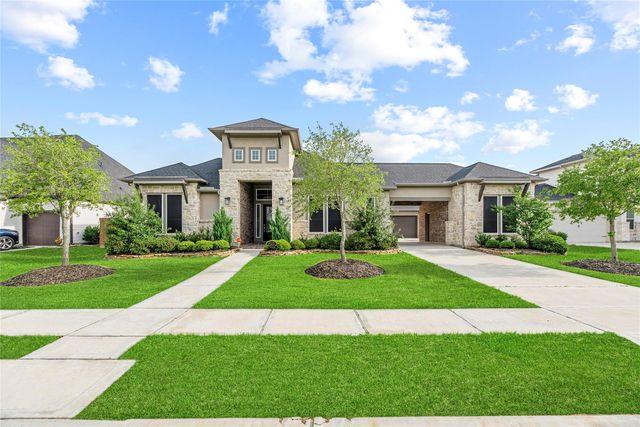
The Price Isn’t the Only Number Cypress Buyers Are Comparing
How Do You Sell a Cypress Home When Buyers Love the House but Get Nervous About the Property Taxes?
The showing goes beautifully.
The buyers love:
Kitchen.
Pool.
Office.
School-area location they researched.
Neighborhood.
Yard.
Then their agent sends them the property information.
And suddenly the conversation changes.
“Wait. How much are the taxes?”
Now they start calculating.
Mortgage.
Property taxes.
Insurance.
HOA.
Maybe another community-related expense.
What looked affordable at the asking price can suddenly feel different when the buyer converts everything into a monthly number.
For Cypress sellers, this is important because buyers do not shop by sales price alone.
They compare total ownership cost.
And two homes listed for exactly the same price can create very different monthly-payment impressions.
The seller's job is not to convince buyers that property taxes do not matter.
They do.
The seller's job is to make sure buyers understand the numbers accurately—without guessing what their future tax bill will be.
Start With the Most Important Distinction: Your Tax Bill Is Not Automatically the Buyer’s Future Tax Bill
This is one of the biggest sources of confusion.
A seller pulls up last year's bill and says:
“Taxes are $9,800.”
The buyer assumes:
“Great. Ours will be $9,800 too.”
That may not be an appropriate assumption.
The seller may currently have:
Residence homestead exemption.
Other qualifying exemptions.
An appraisal limitation.
Different ownership circumstances.
Texas property taxation is administered through local taxing units rather than a state property tax, and exemptions and appraisal limitations can affect the taxable value of qualifying properties.
The buyer needs their own property-specific estimate.
Texas Does Not Have One Statewide Property-Tax Rate
This matters because buyers relocating from another state sometimes ask:
“What is the Texas property-tax rate?”
There is no single state property-tax rate.
Texas does not impose a state property tax; local taxing units establish property-tax rates.
Depending on the property, those taxing units can include various local entities.
That means buyers should evaluate the actual address—not a generic Cypress percentage somebody posted online.
Do Not Quote a Tax Rate From Memory
Seller says:
“Our rate is about 2.5%.”
Maybe.
But what year?
What taxing entities?
Before or after exemptions?
Which neighborhood section?
Instead of giving a casual estimate, direct buyers to current property-specific tax information.
The Texas Comptroller maintains a directory for local appraisal districts and tax offices, including the taxing units they serve.
Cypress Is Not One Taxing Structure
This is important.
Two homes can both have:
Cypress mailing address.
Similar price.
Similar square footage.
Yet their tax situations may not be identical.
They may fall under different:
Taxing units.
Community structures.
Special districts.
Appraisal circumstances.
Do not market Cypress as though every property carries the same tax structure.
Buyers Often Compare Two Similar Houses by Monthly Cost
Imagine:
Home A
$600,000.
Home B
$610,000.
The buyer may initially think:
Home A is clearly cheaper.
Then they compare:
Taxes.
Insurance.
HOA.
Financing.
The monthly difference may look very different.
That means your competition is not simply:
Homes priced near yours.
It is:
Homes with a similar total ownership proposition.
Sellers Should Know Their Current Tax Information Before Listing
Have available:
Current appraised value.
Current taxable value where applicable.
Current tax bill.
Taxing entities shown on the property records.
Known exemptions currently applied.
Do not wait for the buyer to find the information online and ask you what it means.
But Do Not Turn Yourself Into the Buyer’s Tax Adviser
You can provide:
Seller's current property records.
Historical tax information.
Known exemptions.
You should not tell the buyer:
“Your taxes will definitely be $12,300.”
Future tax liability depends on factors beyond the seller's control.
The Seller’s Homestead Exemption Can Distort Buyer Expectations
A long-time owner may have a tax situation affected by residence-homestead protections.
The Texas Comptroller explains that qualifying residence homesteads are subject to an appraisal limitation, and that limitation applies only when the property receives the residence homestead exemption.
That means the seller's current taxable value should not simply be treated as a permanent number for the next owner.
Do Not Say “The Taxes Can Only Go Up 10%”
That is far too broad.
Texas's residence-homestead appraisal limitation applies under specific conditions to qualifying homesteads, and the law distinguishes appraised value, market value, improvements, and exemption qualification.
A buyer should obtain current property-specific guidance rather than relying on a simplified rule.
Market Value, Appraised Value, and Taxable Value Can Be Different
These terms are easy to blur.
Seller thinks:
“The appraisal district says $500,000, so why are we listing at $650,000?”
Because a property-tax appraisal is not the same thing as a real-estate market analysis.
Likewise:
Sales price.
Appraisal district value.
Taxable value.
Mortgage appraisal.
are not automatically interchangeable.
Do Not Price Your Home From the Tax Appraisal
This is one of the most important seller mistakes to avoid.
Your listing price should be informed by:
Comparable sales.
Current competition.
Condition.
Lot.
Location.
Buyer demand.
Property characteristics.
Not simply the county's taxable or appraised value.
Buyers May Still Use the Tax Record as a Psychological Anchor
Even if they understand the difference.
Buyer sees:
Tax appraisal: $510,000.
List price: $650,000.
They ask:
“Why such a difference?”
Be prepared to explain that property-tax valuation and current market pricing serve different purposes.
Then support your list price with:
Actual market evidence.
Your Comparative Market Analysis Needs to Be Strong
If buyers are already concerned about ownership costs, the seller cannot also have a weak pricing argument.
Show why your Cypress home competes based on:
Condition.
Lot.
Pool.
Updates.
Water view.
Outdoor living.
Garage.
Location.
Community.
The complete package matters.
High Taxes Feel Worse When the Home Also Feels Overpriced
This is buyer psychology.
Buyer says:
“The taxes are high AND they want top dollar?”
Now the property may feel financially heavy.
Accurate pricing helps keep the tax discussion in proportion.
A Well-Priced Home Can Make Higher Carrying Costs Easier to Accept
The buyer may conclude:
“Yes, the monthly tax component is higher than another area, but this house gives us the pool, lot, location, and community we want.”
That is a value decision.
You do not need to pretend the taxes are lower.
The entire property must justify the ownership package.
Do Not Advertise “Low Taxes” Without Context
Low compared with what?
Another Cypress neighborhood?
Houston?
Another state?
Use factual numbers.
Avoid subjective labels.
“No MUD Tax” Should Be Verified Before You Say It
Special taxing structures can be property-specific.
Do not advertise:
“No MUD!”
simply because you do not recognize a district name on an old bill.
Verify current property records.
The Same Applies to PID-Related Claims
If you are unfamiliar with a charge or district affecting the property, investigate before describing it.
Never tell buyers:
“There are no special assessments or district costs.”
unless that is actually verified.
The Tax Bill Usually Shows More Than One Number
Buyers may see several taxing units.
They may ask:
Why are there so many?
The seller does not need to explain the budget of every local entity.
Provide the current records and direct detailed tax questions to the appropriate appraisal district, tax office, lender, or tax professional.
Do Not Defend the Tax System
A buyer says:
“These taxes are ridiculous.”
You do not need to argue:
“But you get great services!”
Maybe they value the services.
Maybe they still dislike the cost.
Keep the conversation focused on:
Property.
Current records.
Total value.
Buyers Care About Monthly Payment More Than the Tax Percentage
Suppose the buyer is financing.
They may think in terms of:
Principal.
Interest.
Property-tax escrow.
Insurance.
HOA.
The tax discussion is often really a payment discussion.
That means pricing affects it too.
A Small Price Reduction May Not Solve a Large Monthly-Cost Objection
Seller says:
“Let's reduce the price $5,000.”
The buyer's monthly principal-and-interest savings may be relatively modest depending on loan terms.
If their real objection is:
Taxes.
Insurance.
HOA.
a small price change may not completely solve the affordability concern.
Understand the objection before reacting.
Do Not Calculate the Buyer’s Mortgage Payment Unless You Have the Correct Inputs
Rate.
Down payment.
Loan type.
Taxes.
Insurance.
Mortgage insurance.
Other financing costs.
all influence the payment.
A seller or agent should not casually say:
“Your payment would only be $3,500.”
Let the buyer's lender provide accurate financing information.
HOA Dues Belong in the Same Conversation
A buyer may compare:
Home with $1,200 annual HOA.
Home with $2,000.
But the amount alone does not explain:
Amenities.
Services.
Community structure.
The buyer evaluates whether the cost makes sense for them.
Verify the Current HOA Amount
Do not use:
Last year's memory.
Old listing.
Neighbor's fee.
Use current property-specific information.
Some Properties May Have More Than One Association-Related Charge
Depending on the community.
There could potentially be:
Master association.
Sub-association.
Other required community fee.
Verify what actually applies before marketing.
Do Not Call HOA Fees “Basically Nothing”
A seller may consider:
$100 monthly.
insignificant.
The buyer may be stretching their budget.
Let buyers decide what is significant.
Use factual amounts.
Buyers May Compare HOA Amenities Against the Cost
Pools.
Trails.
Lakes.
Clubhouses.
Fitness.
Common areas.
Events.
But not every amenity is automatically included or available under identical terms.
Use current community information.
Total Ownership Cost Includes More Than Tax and HOA
Buyers may also consider:
Homeowners insurance.
Flood insurance where applicable.
Utilities.
Pool service.
Lawn.
Maintenance.
Future repairs.
Your own Cypress buyer content already encourages buyers to consider property taxes, insurance, HOA dues, utilities, maintenance, and reserves rather than concentrating only on the purchase price.
Sellers benefit from understanding that same thought process.
Pool Homes Can Carry a Different Monthly-Cost Perception
The pool may be one of your strongest selling features.
The buyer may still ask:
Maintenance?
Electricity?
Insurance?
Future equipment?
Do not get defensive.
The pool is a lifestyle choice.
The right buyer decides the benefit is worth the ownership responsibility.
Large Cypress Homes Can Create Similar Utility Questions
Two HVAC systems.
Large square footage.
Pool.
High ceilings.
Buyer may ask:
What do utilities cost?
Historical bills can provide context.
But do not promise their future bills will match yours.
Seller Utility Bills Are Historical, Not Predictive
Your household may have:
Two occupants.
Buyer may have five.
You may keep the thermostat at 78.
They may prefer 70.
Usage changes everything.
If sharing bills:
Label them as historical seller information.
Solar Can Complicate the Monthly-Cost Comparison
If the home has solar:
Owned?
Financed?
Leased?
Electricity history?
The buyer needs the full picture.
Do not simply subtract historical electricity savings from the monthly housing cost and call it guaranteed.
Insurance Can Become an Even Bigger Objection Than Taxes
Especially when buyers receive a quote substantially different from what they expected.
The seller should have accurate:
Roof age.
Pool information.
Property characteristics.
Claim-related disclosures where required.
But the buyer needs their own quote.
Never Promise an Insurance Premium
Seller says:
“We only pay $2,400, so yours should be similar.”
Not necessarily.
Different:
Carrier.
Coverage.
Deductible.
Buyer profile.
Underwriting.
market conditions
can change the result.
The Same Applies to Flood Insurance
If applicable.
Provide factual property information and history.
Let the buyer's insurance professional determine:
Need.
Availability.
Premium.
Coverage.
Buyers May Ask for Your Current Tax Bill
That is reasonable.
Have it organized.
A seller scrambling to find the bill can make a routine question feel suspicious.
Also Have the Current Appraisal-District Record Available
This can help explain:
Appraised value.
Taxable value where shown.
Exemptions.
But again:
Do not interpret future liability for the buyer.
Do Not Delete or Hide Exemption Information
If your current bill reflects a homestead or another exemption, the buyer needs context.
The number should not be presented as though it applies universally.
Long-Time Owners Need to Be Especially Careful
The longer you have owned the property, the greater the chance your current tax situation differs significantly from what a new purchaser may eventually experience.
Do not assume your current bill is a reliable affordability calculator.
Newer Owners Can Have Different Numbers Too
Even neighboring homes can show different bills because of:
Exemptions.
Improvements.
Ownership timing.
Appraisal history.
Other property-specific factors.
Comparing your bill to the neighbor's does not necessarily tell the complete story.
Never Say “The Neighbor Pays Less, So You Can Protest and Get Yours Down”
Property owners have rights within the appraisal process, but outcomes are property-specific.
Do not guarantee:
Successful protest.
Specific reduction.
Future tax amount.
The buyer can research applicable rights after ownership.
Tax Protest History Is Not a Future Guarantee
Maybe you successfully protested every year.
That is historical information.
It does not guarantee the next owner:
Same value.
Same evidence.
Same outcome.
Improvements Can Affect Property Valuation
The Texas Comptroller explains that new improvements can be treated separately when calculating certain residence-homestead appraisal limitations.
If you recently added:
Pool.
Major addition.
Other significant improvement.
do not assume past taxable-value patterns will continue unchanged.
Do Not Tell Buyers an Improvement “Won’t Affect Taxes”
That is not the seller's determination.
Provide factual improvement information.
Let appraisal and tax authorities handle valuation.
The Buyer May Ask Why the Tax Bill Increased
You should know whether you have factual documentation showing:
Appraisal increase.
Tax-rate change.
New improvement.
Exemption change.
But do not speculate if you are uncertain.
Tax Rate and Tax Bill Are Not the Same Thing
A tax rate can:
Decrease.
while taxable value rises.
The final bill may still change.
Avoid telling buyers:
“The rate went down, so taxes will go down.”
There are multiple variables.
Sell the Value, Not an Argument About Taxes
When the buyer questions the cost, bring the conversation back to:
What does this property provide compared with their alternatives?
Maybe:
Better lot.
Finished pool.
Water view.
Outdoor kitchen.
Three-car garage.
Recent roof.
Updated systems.
Strong location for their needs.
You are selling a complete property.
Permanent Features Can Matter More Than Tax Differences to the Right Buyer
A buyer can change:
Paint.
Flooring.
Kitchen.
They cannot easily change:
Lot.
Community.
Water view.
Street position.
The property needs to give them enough value to justify their total budget.
But Do Not Assume Buyers Will Ignore a $400 Monthly Difference
They may not.
Budget is real.
If your property costs materially more to carry than direct competitors, price and positioning should recognize that.
Comparable Sales Should Ideally Include Similar Tax/Community Structures Where Possible
Homes within the same or similar community structure can be particularly informative because buyers may be comparing similar carrying-cost environments.
But do not ignore competition outside the neighborhood.
Buyers do not always stay inside one subdivision.
Cross-Community Competition Matters
A Cypress buyer may compare:
Community A.
Community B.
Community C.
All within a comfortable drive.
They may be asking:
Which gives us the most home for our monthly budget?
That is broader than price per square foot.
New Construction Can Complicate the Comparison
A builder may advertise:
Rate incentives.
Closing-cost assistance.
Tax information.
HOA structure.
The offers change frequently.
If your resale competes directly with new construction, verify current incentives rather than assuming what builders are offering today.
Do Not Try to Match Every Builder Incentive
Your resale may offer:
Established landscaping.
Blinds.
Pool.
Patio.
Finished backyard.
Known neighborhood setting.
Immediate availability.
The buyer should compare the complete package, not one incentive.
Monthly-Cost Objections Can Actually Reveal a Pricing Problem
Buyer says:
“With the taxes, we just can't justify $700,000.”
One buyer?
Maybe budget mismatch.
Ten buyers?
Market feedback.
Listen for patterns.
Do Not Immediately Blame the Tax Rate
Maybe the real issue is:
List price.
Condition.
Competition.
The tax bill may simply be the final reason the buyer gives.
Look at all feedback.
Repeated Payment Concerns Should Trigger a Market Review
Ask:
Are comparable properties cheaper?
Do they have lower carrying costs?
Do they offer newer systems?
Better incentives?
Have interest rates changed?
The seller should react to the complete market.
A Price Reduction Can Still Help When Positioned Correctly
Even if it does not change taxes directly, a lower sales price may:
Improve affordability.
Increase buyer pool.
Create better perceived value.
But price changes should be strategic.
Not random.
Seller Concessions May Also Influence Buyer Affordability
Depending on:
Loan type.
Lender rules.
Contract.
A seller contribution toward certain permitted closing costs may be useful to some buyers.
But do not promise a structure before the buyer's lender confirms it works.
Do Not Advertise a Concession as “Lowering Property Taxes”
It does not.
Keep:
Transaction incentives.
Property taxes.
separate.
Rate Buydowns May Be Discussed in Some Transactions
Again:
Financing-specific.
Buyer-specific.
A seller may negotiate permitted contributions that the buyer uses according to lender requirements.
Do not provide financing promises without lender involvement.
Higher Tax Areas Need Stronger Value Communication
This does not mean:
Defending taxes.
It means the property should make its advantages obvious.
If the buyer is paying more monthly, what are they getting?
Pool?
Lake view?
Large lot?
Community amenities?
Updated home?
Location?
Finished outdoor living?
Make it visible.
Listing Photography Has a Role in This
A buyer does not pay more because the tax bill exists.
They pay more because the property feels worth owning.
Your marketing needs to show:
Lifestyle.
Condition.
Differentiation.
before they ever reach the tax record.
Start the Listing With the Strongest Property Advantages
Not:
“Beautiful Cypress home!”
Show:
Water-view lot.
Recently renovated kitchen.
Resort-like pool if genuinely accurate.
Three-car garage.
Outdoor living.
Recent major systems.
Give the buyer reasons to continue evaluating.
Do Not Put Tax Arguments in the Public Description
You generally do not need:
“Taxes are worth it because of the amenities!”
That sounds defensive.
Use public marketing to sell:
Property.
Lifestyle.
Location.
Use factual documentation when buyers evaluate costs.
Improvement Lists Become More Important
A buyer concerned about ownership costs may feel better knowing they are not immediately facing:
Roof.
HVAC.
Pool pump.
Fence.
Water heaters.
Document recent significant improvements.
Recent Major Systems Can Offset Future-Expense Anxiety
For example:
Roof — 2024.
HVAC — 2025.
Pool pump — 2025.
Now the buyer may view the higher monthly carrying cost alongside:
Lower immediate project load.
The complete ownership picture improves.
Do Not Exaggerate Savings From Improvements
New HVAC does not guarantee:
Low electric bill.
New roof does not guarantee:
Low insurance premium.
State the improvement.
Not the future financial outcome.
Buyers May Compare Taxes Per Month Rather Than Per Year
A $12,000 annual bill becomes:
$1,000 per month.
That sounds different emotionally.
Be prepared for that.
Do not dismiss the concern simply because the annual percentage looks normal to you.
The Seller Has Already Adjusted to the Cost
This is important psychologically.
You have been paying the bill.
The buyer is seeing it for the first time.
Something routine to you can feel large to them.
Give them space to evaluate it.
Do Not Say “If You Can Afford the House, You Can Afford the Taxes”
That is not your decision.
Buyers should purchase within their own comfort level.
Some Buyers Will Choose a Smaller Home to Reduce Total Cost
That is normal.
Your home does not need to win every comparison.
It needs to win with the buyer who values what it offers.
Larger Homes Often Compete Against Smaller, More Updated Properties
Buyer may choose:
4,000 square feet with higher carrying costs.
or:
3,300 square feet with lower payment.
Your marketing should explain why the additional:
Space.
Garage.
Lot.
Pool.
features
matter.
Do Not Sell Square Footage Alone
Unused square footage still costs money to:
Buy.
Tax.
Insure.
Cool.
Maintain.
Show the functionality.
Office.
Guest space.
Game room.
Storage.
Make every major area feel useful.
Highly Functional Homes Can Justify Their Footprint Better
A buyer can understand why they are paying for:
Dedicated study.
Game room.
Guest suite.
Large garage.
Storage.
This is stronger than having rooms with unclear purpose.
Staging Can Help With This
If the buyer is evaluating monthly cost, you want every room to feel purposeful.
Do not leave:
Formal room.
Flex room.
Large upstairs space.
undefined.
Show the utility.
HOA Amenities Should Be Marketed Accurately
If the buyer pays for community amenities, make sure they understand what actually exists.
Use:
Current community information.
Accurate photos where rights permit.
Do not exaggerate access.
But Do Not Say the HOA Fee Guarantees Property Values
No association can guarantee future resale performance.
Market:
Standards.
Amenities.
Common-area maintenance.
Not investment promises.
Property Taxes Are Not a Reason to Avoid Cypress
Nor are they a reason to buy.
They are one component of ownership.
The right buyer will compare:
Home.
Location.
Community.
Payment.
Lifestyle.
You want the information to be accurate enough for them to make that decision confidently.
Do Not Hide the Tax Bill
Buyers will find it.
Online records.
Lender.
Title.
Trying to avoid the topic does not improve the transaction.
Transparency Prevents Late Surprises
A buyer who knows:
Taxes.
HOA.
Insurance estimate.
before becoming heavily invested in the transaction is less likely to panic near closing.
That can strengthen contract stability.
Encourage Serious Buyers to Involve Their Lender Early
Their lender can help estimate:
Principal and interest.
Tax escrow.
Insurance.
Mortgage insurance where applicable.
Total expected housing payment.
The seller should not do this calculation for them.
Buyer Qualification Can Change Once Taxes Are Included
A buyer may be approved for a certain purchase price generally.
A property with higher monthly taxes may affect their property-specific qualification.
That is why lender review matters.
Do Not Assume Preapproval Means Every House at That Price Works
Property-specific taxes and insurance can influence underwriting and affordability.
Serious buyers should update their lender when considering the property.
A Tax Surprise During Underwriting Can Be Preventable
Accurate listing information and early buyer diligence help.
This benefits both parties.
The Best Offer Is Not Always the Highest Offer
Suppose:
Offer A is higher.
But buyer is stretching affordability.
Offer B is slightly lower.
Buyer has stronger financial cushion.
That does not automatically make B better.
But seller should evaluate:
Financing strength.
Lender information.
Terms.
Risk.
Not price alone.
A Buyer Who Miscalculated Taxes Can Become a Contract Risk
They may later discover:
Payment higher than expected.
Qualification problem.
Cold feet.
The earlier the correct numbers enter the conversation, the better.
Seller Should Not Manipulate the Numbers to Preserve an Offer
Do not tell the buyer:
“Your lender is overestimating taxes.”
unless you have a factual reason and appropriate source.
Their lender and tax professionals should resolve it.
Current Tax Records Are Better Than Third-Party Estimates
Real-estate websites may show:
Estimated taxes.
Historical amounts.
Incomplete exemptions.
Use authoritative appraisal-district and tax-office information when accuracy matters.
The Texas Comptroller's property-tax resources direct owners to local appraisal districts and tax offices for local property information.
Keep Screenshots Out of Permanent Marketing When They Can Become Outdated
A tax amount embedded into:
Graphic.
Brochure.
social post
can become stale.
Use current property information in appropriate transaction materials.
Tax Rates and Values Can Change
That is why the article should not promise:
Current number forever.
Buyer should verify information during their purchase.
Sellers Should Avoid Predicting Future Legislation
Texas property-tax laws can change.
Do not tell buyers:
“Taxes are definitely going down next year.”
unless discussing a specific enacted rule with current professional support—and even then, the exact property effect may differ.
Stick With What You Know Today
Current tax record.
Current exemptions shown.
Current HOA dues.
Current property characteristics.
Historical seller bills.
That is enough.
Use the “What Does the Buyer Actually Pay?” Test
If you cannot confidently answer because it depends on:
Exemptions.
Future appraisal.
Buyer qualification.
say so.
Do not invent precision.
Use the “Are We Comparing the Same Thing?” Test
When buyers compare two tax bills:
Same year?
Same exemptions?
Same tax entities?
Same ownership circumstances?
If not, the comparison may be misleading.
Use the “Total Monthly Cost” Test
Ask internally:
How does our home compare when buyers consider:
Mortgage.
Taxes.
Insurance.
HOA.
Maintenance.
Does the overall value remain compelling?
Use the “What Does Our Property Give Them?” Test
Higher monthly cost is easier to understand when the advantages are tangible.
List your permanent and completed strengths.
Use the “Could We Document This?” Test
HOA fee?
Tax bill?
Roof year?
Pool expense?
Do not market uncertain numbers.
Use the “Are We Accidentally Giving Tax Advice?” Test
If the statement sounds like:
“Your taxes will be…”
stop.
Provide current records instead.
Use the “Would the Buyer Discover Something Different Later?” Test
If yes:
Fix the information before listing.
Use the “Is This a Price Problem or a Cost Problem?” Test
They are not always the same.
Buyer may love price but dislike taxes.
Or dislike both.
The strategy depends on the real objection.
Create a Cypress Ownership-Cost Seller Scorecard
Before listing, verify:
Current Tax Bill
Most recent available?
Appraisal Record
Current information organized?
Exemptions
Do you know what currently applies to the seller?
Taxing Units
Current property-specific entities identified?
Special District Claims
Any MUD/PID or similar statements verified before marketing?
HOA
Current amount and payment frequency verified?
Multiple Associations
Any additional required fees?
Insurance Information
Roof and property details ready for buyer quote?
Flood Information
Handled separately and accurately where applicable?
Utilities
Historical data available if useful?
Pool
Maintenance records available without guaranteeing future cost?
Solar
Ownership and financing understood if present?
Recent Improvements
Major systems documented?
Competition
How does total ownership compare with nearby alternatives?
Pricing
Does the asking price create a compelling value despite carrying costs?
Marketing
Are you selling property benefits rather than defending taxes?
Buyer Financing
Are serious buyers encouraged to verify the complete payment with their lender?
Future Tax Claims
Have you avoided predicting what the buyer will pay?
Once these questions are answered, property taxes become something buyers can evaluate—not a surprise that takes over the transaction.
Final Thoughts
When selling a Cypress home, the asking price may be the first number buyers notice.
It is not always the number that determines whether they proceed.
They may be calculating:
Mortgage.
Property taxes.
Insurance.
HOA.
Utilities.
Pool.
Maintenance.
And asking:
“What does owning this house actually cost us every month?”
Your existing Cypress buyer content already encourages buyers to think beyond the purchase price and include taxes, insurance, HOA dues, utilities, maintenance, and reserves in their budget.
Sellers should expect buyers to do exactly that.
The answer is not hiding the tax bill.
And it is not telling buyers:
“Don't worry—the taxes won't be that high for you.”
Instead:
Know the current property records.
Know which exemptions currently apply to you.
Verify the HOA dues.
Avoid guessing about MUD, PID, or other taxing structures.
Do not use your historical bill as a prediction of the buyer's future liability.
Price the home against its actual competition.
Document recent improvements.
And make the property's advantages obvious enough that buyers can evaluate the complete value, not simply one expense.
Texas property taxes are levied by local taxing units, and qualifying residence homesteads can receive exemptions and appraisal protections that may make one owner's current tax situation different from another's.
That is why the strongest seller response is not:
“Here's what your taxes will be.”
It is:
“Here is the current property information. Have your lender and the appropriate tax resources calculate what ownership would look like for you.”
Then let the home do the rest.
Because when the pricing is right and the property gives buyers something they genuinely value, the question becomes less:
“Why are the taxes this much?”
and more:
“Does this home give us enough to make the complete monthly investment worthwhile?”
That is the decision your marketing should help them make.
Frequently Asked Questions
Will the buyer pay the same property taxes I currently pay on my Cypress home?
Not necessarily. The seller's current bill may reflect exemptions, appraisal limitations, and other ownership-specific circumstances. Buyers should obtain a property-specific estimate based on their own situation.
Does Texas have a state property tax?
No. Texas does not impose a state property tax. Property taxes are assessed by local taxing units.
Can I tell buyers my property taxes can only increase 10% per year?
Avoid that broad statement. Texas has an appraisal limitation for qualifying residence homesteads, but eligibility and calculation rules are specific and do not mean every owner's total tax bill follows a simple universal 10% rule.
Should I advertise the property's tax rate?
If it is useful, use current property-specific authoritative information and make clear that rates and taxable values can change. Avoid relying on old listings or memory.
Can I advertise “No MUD Tax”?
Only after verifying the current taxing units applicable to the specific property. Do not assume one Cypress property has the same taxing structure as another.
Do HOA dues affect resale?
They can affect buyer affordability and perception, but buyers also consider what the community provides in exchange. Use the current verified fee rather than labeling it high or low.
Should I give buyers my current tax bill?
It can be useful historical property information, particularly when accompanied by context about the exemptions currently reflected. It should not be presented as a guarantee of the buyer's future tax liability.
Can a lower sale price reduce the buyer’s tax bill?
Property-tax valuation is determined through the applicable appraisal process rather than by a seller simply promising a particular future tax number. Buyers should consult authoritative local tax resources regarding their specific property.
Should buyers include taxes when determining how much house they can afford?
Yes. Your existing Cypress buyer resources correctly encourage buyers to consider the mortgage payment, property taxes, insurance, HOA dues, utilities, maintenance, and reserves when building a housing budget.
What's the biggest takeaway?
When selling a Cypress home, never try to make a higher tax bill disappear with vague reassurance. Give buyers accurate current property information, disclose the seller's existing exemptions where relevant, verify HOA and taxing-unit details, avoid predicting the buyer's future taxes, and make sure the home's price and benefits remain compelling when buyers evaluate the complete monthly cost.