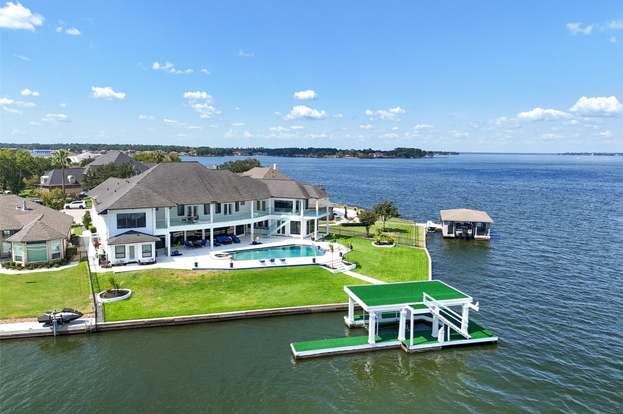
“Waterfront” Isn't Enough: 10 Questions to Ask Before Buying a Lake Conroe Home
You walk through the house.
Nice kitchen.
Great primary suite.
Plenty of space.
Then the back door opens.
And there it is.
Water.
Suddenly, everything else becomes secondary.
You're imagining:
Morning coffee overlooking the lake.
The boat tied up behind the house.
Friends visiting for the weekend.
Sunsets.
Fishing.
Dinner outside.
And that's exactly when you need to slow down.
Because when buying waterfront property around Lake Conroe, one word can create a lot of assumptions:
Waterfront.
But not every waterfront property provides the same access, view, boating experience, shoreline, maintenance responsibility, or risk profile.
So before falling completely in love with the view, start asking questions.
Here are ten that deserve your attention.
1. What Kind of Waterfront Is This?
This is the first question.
Don't assume every property touching water offers the same experience.
A home may be positioned along:
More open water.
A cove.
A canal-like section.
A protected inlet.
Another waterfront configuration.
Those differences can affect:
Views.
Boat activity.
Exposure.
Privacy.
The overall feel of the property.
One buyer may want expansive open-water views.
Another may prefer something quieter.
Neither is automatically better.
2. What Is the Water Access Actually Like?
Looking at water and using water are two different things.
If boating matters to you, investigate the specific property's water access.
Ask appropriate questions about:
Water depth.
Dock configuration.
Boat access.
Known limitations.
Seasonal or operational considerations.
Don't buy based on:
“It looks deep enough.”
Water conditions can change, and property-specific investigation matters.
3. Does the Property Have a Dock—and What Exactly Are You Buying?
There's a dock behind the house.
Great.
Now investigate it.
Questions may include:
Is it part of the property?
What approvals or agreements apply?
What is its condition?
What maintenance may be needed?
What equipment is included?
Are there applicable restrictions?
Don't assume every visible waterfront improvement transfers exactly as you imagine.
Review the relevant documentation.
4. Can You Build or Modify a Dock Later?
This is where buyers can make expensive assumptions.
Maybe the existing dock isn't what you want.
You think:
“We'll replace it.”
Perhaps.
But waterfront improvements may be subject to rules, approvals, permitting, easements, governmental requirements, association restrictions, or other limitations.
Before making a purchase dependent on a future dock project, investigate whether your plans are actually feasible.
5. Who Controls Lake Conroe?
This is important context for buyers unfamiliar with the area.
San Jacinto River Authority plays an important role in Lake Conroe operations.
Lake levels are not simply a permanent line in the backyard.
They can fluctuate because of rainfall, drought, releases, operations, and other conditions.
Buyers should understand that lake conditions can change over time.
6. How Could Changing Lake Levels Affect This Property?
This is where the specific location matters.
Ask how changing conditions may affect:
Dock use.
Boat access.
Shoreline appearance.
Water depth.
The overall waterfront experience.
Historical observations may provide useful context, but they shouldn't be treated as guarantees about future conditions.
If consistent boat access is essential to your purchase, investigate carefully.
7. What Is Protecting the Shoreline?
Look where the land meets the water.
What do you see?
Bulkhead?
Natural shoreline?
Other stabilization?
What condition is it in?
Shoreline components can be important parts of waterfront ownership and may eventually require maintenance or repair.
A beautiful kitchen renovation can wait.
A significant shoreline issue may be a very different conversation.
8. What Does the Bulkhead Look Like Up Close?
If the property has a bulkhead or similar shoreline structure, don't admire it from the patio.
Look closer.
And when appropriate, consider qualified professional evaluation.
You may want to understand:
Condition.
Age if known.
Visible movement.
Drainage.
Previous repairs.
Maintenance history.
Waterfront buyers should treat shoreline infrastructure as seriously as other significant property components.
9. What Should You Know About Flood Risk?
Waterfront living makes this question especially important.
Buyers should investigate flood information specific to the property rather than making assumptions based on appearance.
Useful resources and professionals may include:
Flood maps.
Elevation information when available.
Insurance professionals.
Inspectors.
Surveyors.
Other qualified experts depending on the concern.
Don't assume:
“The seller never flooded”
answers every flood-related question.
And don't assume proximity to water automatically tells you the property's complete risk profile.
Investigate the specific address.
10. What Will Insurance Cost?
Do this earlier than many buyers expect.
A waterfront property's insurance considerations may differ depending on:
Property characteristics.
Coverage.
Flood-zone information.
Insurer.
Deductibles.
Claims history where relevant and available.
Other underwriting factors.
Get property-specific information.
Don't rely on what a friend pays for another Lake Conroe home.
Now Ask the Question Buyers Forget: Do You Actually Want Waterfront?
This sounds ridiculous.
Of course you want waterfront.
That's why you're looking.
But think about what you're actually buying.
Waterfront can involve:
Dock maintenance.
Shoreline maintenance.
Outdoor upkeep.
Insurance considerations.
Exposure to weather.
Boat-related expenses if you own one.
More exterior equipment.
More things interacting with water.
For many buyers, every bit of it is worth it.
But you should want the ownership experience, not simply the view.
The Boat Changes the House Search
If you already own a boat, bring its requirements into the search.
Don't wait until after closing.
Think about:
Size.
Draft.
Lift requirements.
Dock configuration.
Access.
Storage.
Route to open water.
The perfect house isn't perfect if the waterfront doesn't work for the boat you actually own.
No Boat Yet? Don't Buy for an Imaginary One
The opposite is also true.
Buyers sometimes justify a significant waterfront premium by saying:
“We'll probably get a boat.”
Will you?
Maybe.
But don't build the entire purchase decision around a lifestyle you haven't decided to pursue.
You may discover that the view alone is worth it.
That's fine.
Just know what you're paying for.
Open Water and Protected Water Feel Different
Some buyers dream about broad water views.
Others prioritize calmer-feeling surroundings or a more protected location.
Think about:
Boat traffic.
Wind exposure.
View.
Privacy.
Noise.
Your preferred boating experience.
Visit multiple types of waterfront properties before deciding what “ideal” means to you.
Visit When the Lake Is Busy
A quiet weekday morning can be magical.
But if you're purchasing a weekend lake lifestyle, see what the area feels like on a busy weekend too.
Boat traffic.
Sound.
Activity.
Wakes.
People.
You may love the energy.
Or you may realize you want something more protected.
Either answer is useful.
Visit When the Weather Isn't Perfect
Blue skies can sell waterfront homes.
Real ownership includes:
Rain.
Wind.
Heat.
Cold fronts.
Storms.
Visit under different conditions when practical.
Look at how outdoor areas are protected.
Notice drainage.
Observe exposure.
You aren't buying a vacation photograph.
You're buying a house.
Pay Attention to the Backyard Slope
The relationship between the house and water matters.
Is the yard:
Level?
Sloped?
Terraced?
How do you physically reach the dock?
Would that work for your household?
A dramatic waterfront lot may look beautiful but function differently for someone with mobility concerns, small children, or frequent guests.
Count the Steps to the Water
Literally.
Walk from:
Kitchen.
To patio.
To yard.
To dock.
Imagine doing it carrying:
Cooler.
Towels.
Food.
Fishing equipment.
Children's gear.
Boat supplies.
Suddenly, waterfront layout becomes very practical.
Outdoor Living Becomes More Important Here
If you're paying for a lake view, how well does the home allow you to enjoy it?
Look at:
Covered patio.
Shade.
Outdoor seating.
Kitchen connection.
Windows.
Primary bedroom orientation.
Pool placement.
Outdoor kitchen.
The best waterfront properties often make the relationship between house and water feel natural.
A Pool and a Lake Serve Different Purposes
Buyers sometimes ask:
“Why would we need a pool if we're on the lake?”
Because they're different experiences.
A pool may provide:
Swimming close to the house.
Entertaining.
Relaxation.
A controlled environment.
The lake provides another type of recreation and view.
Whether you want both is personal.
But don't automatically assume one replaces the other.
The View Can Affect Which Rooms Matter
In a traditional home search, you may prioritize:
Kitchen finishes.
Bathroom updates.
Bedroom size.
On the lake, orientation becomes more important.
Which rooms face the water?
Can you see it from the kitchen?
Family room?
Primary bedroom?
Patio?
A gorgeous view you can only see from one upstairs bedroom may have different value to you than one integrated throughout everyday living spaces.
Don't Pay for a View You Don't Actually Get
Listing photos can be clever.
Wide-angle lens.
Perfect position.
Zoom.
Drone.
Sunset.
Then you arrive and realize the water view from inside the house is much smaller than expected.
Stand where you'll actually live.
Sit at the kitchen table.
Stand at the sink.
Sit in the family room.
Walk into the primary bedroom.
That's your real view.
Maintenance Deserves Its Own Budget
Before purchasing, think beyond the mortgage.
Depending on the property, waterfront ownership may involve costs related to:
Dock.
Lift.
Bulkhead or shoreline.
Landscaping.
Exterior materials.
Pool.
Boat.
Insurance.
Outdoor equipment.
Not every home has all of these.
But the more systems the property includes, the more important a realistic ownership budget becomes.
Don't Let Sunset Make the Decision
This may be the hardest advice in the article.
You're standing on the dock.
The sun is going down.
The water looks incredible.
Someone says:
“I can see us living here.”
That's the emotional moment.
Enjoy it.
Then go back inside.
Open your notes.
Ask the ten questions.
Because the best waterfront purchase gives you both:
The sunset you fell in love with and the ownership experience you properly investigated.
Final Thoughts
“Waterfront” is not a complete property description.
It's the beginning of a much longer conversation.
What kind of water?
What kind of access?
What dock?
What shoreline?
What restrictions?
What flood considerations?
What insurance?
What maintenance?
What view?
What lifestyle?
Those questions don't make buying a Lake Conroe home less exciting.
They make the excitement more informed.
Because the goal isn't simply to own a home that touches the lake.
It's to own a waterfront property that allows you to enjoy Lake Conroe in the way you imagined before you ever started searching.
So when you walk into the backyard and see that water for the first time, enjoy the moment.
Then ask:
“What exactly does waterfront mean at this address?”
That answer matters far more than the word in the listing.
Frequently Asked Questions
Are all Lake Conroe waterfront properties suitable for boating?
No. Waterfront characteristics, water depth, access, dock configuration, and other factors can vary by property. Buyers should investigate the specific location based on their intended use.
Can Lake Conroe water levels change?
Yes. Lake levels can fluctuate due to rainfall, drought, releases, operations, and other conditions.
Should I inspect a bulkhead before buying?
If a property has shoreline infrastructure and its condition is important to the purchase, appropriate professional evaluation can help buyers understand what they're acquiring.
Does every waterfront home require flood insurance?
Requirements depend on the property, flood information, financing, insurer, and other circumstances. Buyers should obtain property-specific guidance from their lender and insurance professionals.
Can I automatically replace or expand an existing dock?
No. Waterfront improvements may be subject to approvals, regulations, association requirements, easements, and other restrictions. Investigate before making a purchase dependent on future modifications.
What's the biggest takeaway?
Don't purchase the word “waterfront.” Purchase the specific combination of water access, shoreline, dock, view, property condition, risk considerations, maintenance responsibilities, and lifestyle that works for you.