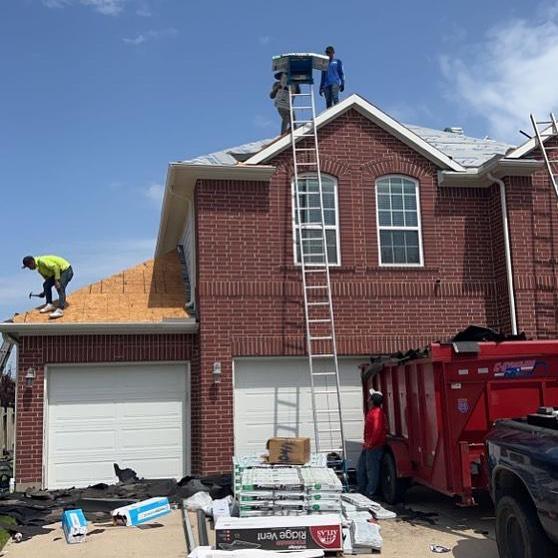
The System Still Works. Should You Replace It Before You Sell?
Should You Replace an Older Roof or HVAC System Before Selling Your Woodforest Home?
You are getting ready to sell.
The kitchen looks good.
Paint is fresh.
Landscaping is cleaned up.
Then someone asks:
“How old is the roof?”
Fourteen years.
“What about the downstairs AC?”
Still working.
But older.
Water heaters?
Not new either.
Now the seller starts doing mental math.
Roof replacement.
HVAC replacement.
Water heaters.
Maybe windows.
Suddenly, preparing the home for sale sounds less like:
“Get it ready.”
and more like:
“Replace half the house.”
That is usually the wrong way to approach the decision.
An older system is not automatically a failed system.
And a functioning system does not automatically mean buyers will ignore its age.
The real question is:
Will replacing this item before listing improve the overall transaction enough to justify the cost and risk?
Sometimes the answer is yes.
Sometimes maintenance records and appropriate pricing are enough.
Sometimes the best decision is to wait and see what the inspection reveals.
And sometimes a system is showing enough evidence of failure that addressing it before marketing can prevent a much larger problem later.
The key is separating age from condition.
Stop Treating Age Like a Diagnosis
Seller says:
“The AC is old, so we probably have to replace it.”
Not necessarily.
Buyer says:
“The roof is 15 years old, so it must be bad.”
Also not necessarily.
Age provides context.
Condition tells you more about what exists today.
A qualified professional can help determine whether a system is:
Functioning normally.
Showing deterioration.
Needing repair.
Approaching replacement.
Actually failing.
Do not make a five-figure decision from age alone.
Start With What You Know
Before listing, make a simple systems inventory.
Roof
Approximate or verified installation year.
Material.
Known repairs.
Prior storm work.
Warranty if any.
HVAC
Number of systems.
Age of each.
Recent service.
Major repairs.
Water Heaters
Age.
Type.
Recent service or replacement.
Pool Equipment
Pump.
Heater.
Filter.
Automation.
Other Major Systems
Generator.
Windows.
Electrical panel.
Plumbing improvements.
Knowing the facts immediately makes seller decisions easier.
“Everything Is About 10 Years Old” Is Not Good Enough
Larger Woodforest homes may have multiple HVAC systems installed or replaced at different times.
For example:
Upstairs HVAC — 2018.
Downstairs HVAC — 2023.
Do not tell buyers:
“The AC is six years old.”
if only one unit is.
Be specific.
Documentation Can Change Buyer Perception
Consider these two answers.
Seller A
“The AC is old, but it works fine.”
Seller B
“The upstairs system was installed in 2017 and professionally serviced in May 2026. The downstairs system was replaced in 2023. Service documentation is available.”
Same house?
Maybe.
Very different level of buyer confidence.
Maintenance Records Matter
Keep:
HVAC service invoices.
Roof repairs.
Warranty documents.
Water-heater records.
Pool-equipment service.
Generator maintenance.
These records do not guarantee future performance.
They show buyers that the systems have not simply been ignored.
Do Not Claim “Regularly Maintained” Without Knowing What That Means
If you have service records, great.
If the HVAC technician came once four years ago, that is a different story.
Use actual dates.
Specificity builds credibility.
Roof Decisions Deserve Special Attention
The roof can influence several parts of the transaction.
Buyer perception.
Inspection.
Insurance questions.
Potential negotiation.
Appraisal or financing considerations depending on condition and loan requirements.
That is why sellers should understand the roof before listing.
Know the Actual Roof Year
Not:
“Around 2015 or 2016.”
Look for:
Invoice.
Insurance documentation.
Previous seller records.
Permit or contractor information where available.
Accurate dates are much easier to market.
Do Not Call a 10-Year-Old Roof “New”
Use:
“Roof replaced in 2016.”
The buyer can interpret the age.
“New” creates an expectation that may not match reality.
Roof Age Does Not Automatically Equal Roof Failure
A roof should be evaluated based on its actual condition.
Potential issues may include:
Missing or damaged materials.
Flashing concerns.
Prior leaks.
Storm damage.
Ventilation.
Visible deterioration.
If meaningful concerns exist, an appropriate roofing professional can evaluate them.
No Leak Does Not Automatically Mean No Roof Issue
Sellers sometimes say:
“The roof cannot have a problem because we have never seen water inside.”
Some roof conditions can exist before an obvious interior leak develops.
If roof condition is uncertain, professional evaluation can provide better information.
Should You Have the Roof Inspected Before Listing?
Maybe.
It can make sense when:
The roof is older.
You know of prior storm damage.
There have been repairs.
You see missing or damaged material.
You expect buyers or insurance carriers to scrutinize it.
A recent professional evaluation may help you understand the situation before accepting an offer.
But Do Not Order Every Possible Inspection Just Because You Are Selling
Pre-listing inspections involve:
Cost.
Information.
Potential disclosure considerations.
Not every property needs:
Roof inspection.
HVAC inspection.
Plumbing inspection.
Pool inspection.
Structural inspection.
all before listing.
Choose strategically with your real estate professional and appropriate specialists.
Texas Seller Disclosure Requirements Still Matter
For many previously occupied single-family residential sales in Texas, the Seller’s Disclosure Notice addresses material facts and physical property conditions under Texas law. Sellers should complete applicable disclosures accurately and use current forms and professional guidance.
If you learn something important about the property during preparation, do not assume the solution is simply:
“Don't tell the buyer.”
Understand your disclosure responsibilities.
Insurance Can Make Roof Age Feel More Important to Buyers
A buyer may love the home.
Then their insurance professional asks:
Roof year?
Material?
Prior claims?
Condition?
Sellers should provide accurate property information, while buyers should obtain their own current insurance quotes.
Do not promise:
“Insurance will be fine.”
Insurance decisions belong to the carrier.
Your Current Insurance Does Not Guarantee the Buyer’s
Different:
Carrier.
Coverage.
Deductible.
Applicant.
Underwriting environment.
may produce different results.
The seller's current premium is historical information—not the buyer's future quote.
Do Not Replace the Roof Solely Because You Think Buyers “Won’t Get Insurance”
First determine whether that concern is real for your specific property.
Talk with:
Qualified roofer.
Real estate professional.
Insurance professional where appropriate.
A full replacement is too expensive to base on speculation.
But Don't Ignore a Clearly Failing Roof Either
If professional evaluation identifies substantial failure or damage, you may have a different decision.
Potential strategies could include:
Repair.
Replacement.
Pricing adjustment.
Negotiated solution.
The right choice depends on:
Cost.
Market.
Seller finances.
Insurance.
Buyer financing.
Timing.
Replacement Can Improve Marketability
A verified recent roof replacement may reduce one major buyer concern.
A buyer can walk in thinking:
“That is one less large project we need to plan for.”
That convenience can strengthen the overall property.
But Roof Replacement Cost Is Not Automatically Added to Sale Price
Spend $20,000.
Home does not automatically become worth:
$20,000 more.
The replacement may:
Protect marketability.
Reduce negotiation friction.
Increase buyer confidence.
Improve condition.
But market value still depends on the complete property and comparable sales.
Think of Some Repairs as Protecting Value Rather Than Creating Value
This distinction is important.
A failing roof may hurt the sale.
Replacing it may restore the home's competitiveness.
That does not mean the replacement itself created a dollar-for-dollar premium.
HVAC Creates a Similar Decision
The system works.
It cools the house.
Technician serviced it recently.
But it is older.
Buyer sees the manufacturing date and thinks:
“We're going to have to replace this.”
Now what?
Start With Professional Service
Before replacing a functioning HVAC solely because of age, consider whether professional service and evaluation can establish:
Current operating condition.
Recommended maintenance.
Existing repairs.
Specific concerns.
You need facts.
Service the System Before Summer Showings When Appropriate
A Woodforest buyer touring in August will immediately notice if:
Downstairs feels comfortable.
Upstairs feels hot.
Humidity feels high.
Airflow is weak.
An HVAC problem during a showing can become much larger in the buyer's mind.
Showing Comfort Matters
A beautiful home that feels:
Hot.
Humid.
Stuffy.
makes buyers wonder whether:
HVAC is failing.
Home is inefficient.
Upstairs will always be uncomfortable.
Keep the property reasonably comfortable during marketing.
Do Not Turn the Thermostat Extremely Low to Hide a Problem
If the system cannot maintain appropriate comfort under normal operation, investigate.
Buyer inspection may expose the issue anyway.
Solve the cause rather than staging the temperature.
Older HVAC Does Not Mean Replace Every Unit
Suppose the home has:
Two systems.
One older.
One newer.
You do not necessarily need to replace both.
Evaluate them independently.
Know Which System Serves Which Area
Buyer asks:
“Which AC was replaced?”
You should be able to answer.
For example:
Downstairs system — replaced 2022.
Upstairs system — installed 2015.
That is clear.
Repairs Can Be More Rational Than Replacement
A technician may find:
Capacitor.
Drain issue.
Thermostat problem.
Minor refrigerant-related concern.
Other service item.
A specific repair may restore proper operation without requiring full system replacement.
Do not decide before diagnosis.
But Constant Repairs Tell a Different Story
If the system has required:
Repeated service.
Major component replacement.
Persistent performance problems.
buyers may view it differently.
This is where your maintenance history helps you make a realistic decision.
Replacement May Strengthen Turnkey Positioning
If your Woodforest property competes with:
New construction.
Recently built homes.
Highly updated resale homes.
a newer HVAC system may support the message:
Move in without immediately planning major mechanical replacement.
That can matter.
But Don't Replace HVAC Simply to Match New Construction
Your resale home may already offer:
Pool.
Premium lot.
Mature landscaping.
Window treatments.
Outdoor living.
Location.
You do not have to make every component brand-new to compete.
The complete value proposition matters.
Water Heaters Can Create Similar Buyer Anxiety
Buyer sees:
Older tank.
Corrosion.
Rust.
Evidence of leaking.
Questions begin.
Again:
Age alone does not necessarily mean failure.
Visible condition matters.
Check for Obvious Water-Heater Problems
Before listing:
Look for visible leakage.
Corrosion.
Damaged drain pan.
Other obvious concerns.
If something looks questionable, use a qualified plumbing professional.
Do not wait for buyer inspection to identify an easily noticeable problem.
Do Not Paint Over Rust
This sounds obvious.
But cosmetic cover-ups create distrust.
If a component is deteriorating, determine what is happening.
Tankless Systems Need Documentation Too
If your home has a tankless water heater, buyers may ask about:
Installation year.
Maintenance.
Service.
Warranty.
It is still a mechanical system.
“Tankless” does not mean maintenance-free.
Pool Equipment Can Become a Major Negotiation Item
Woodforest homes with pools may have several systems:
Pump.
Filter.
Heater.
Automation.
Salt system.
Cleaner.
Buyers may care as much about equipment condition as the pool finish.
Know the Equipment Ages
If the pool pump was replaced last year:
Great.
Document it.
If the heater is older:
Know that too.
Do not write:
“Updated pool equipment”
unless you can explain which components were updated.
One New Pump Does Not Make the Entire Pool New
Specificity matters.
Use:
“Variable-speed pump replaced in 2025.”
Much stronger.
The Generator Can Be Another Big-Ticket System
If present, buyers may ask:
Installation year.
Service history.
Battery.
Fuel.
Transfer switch.
Capacity.
Keep records.
An older but professionally maintained generator can still be a meaningful feature.
Windows Can Create a Different Kind of Replacement Question
Seller says:
“Should we replace all the windows before listing?”
That can be a very expensive project.
Ask why.
Are there:
Broken panes?
Failed seals?
Poor operation?
Visible damage?
Or are the windows simply older?
Do not start a whole-house replacement without understanding the actual marketability issue.
Fix Obvious Window Problems First
A buyer notices:
Window does not open.
Broken lock.
Cracked glass.
Visible failed seal.
These specific defects may matter more than the simple age of the entire window package.
Whole-House Replacement Should Be a Strategic Decision
Potential factors include:
Current condition.
Price point.
Competing homes.
Energy-related features.
Cost.
Time before listing.
Expected buyer response.
Do not assume every large project provides a positive return.
Electrical Panels Can Make Sellers Nervous
A buyer inspection may identify:
Panel concerns.
Outdated components.
Wiring issues.
Seller then fears:
Complete rewiring.
Again:
Do not diagnose from terminology you do not understand.
Use a qualified electrician when a material concern is identified.
The Same Applies to Plumbing
Inspector notes:
Leak.
Pressure concern.
Drain issue.
Material concern.
Do not jump straight to:
“We need to replumb the entire house.”
Find out what the actual issue is.
Specialists Can Turn a Scary Inspection Comment Into a Specific Repair
The buyer's home inspector performs a broad inspection and may recommend specialist evaluation when appropriate. CFPB guidance notes that inspections can lead to repair negotiations depending on the contract and market circumstances.
A specialist may determine the issue is:
Minor.
Significant.
Different from what everyone initially assumed.
Information improves negotiation.
The Inspection Report Is Not Automatically the Seller’s Repair List
Buyer receives a report.
Maybe:
40 pages.
60 pages.
More.
That does not automatically mean the seller must fix every line.
The buyer may choose which items matter most, and repair negotiations depend on the contract and parties' agreement.
Buyers Often Focus on the Big Unknowns
Major systems can trigger anxiety because replacement costs may be significant.
Roof.
HVAC.
Pool.
Electrical.
Plumbing.
The seller can reduce uncertainty through:
Documentation.
Maintenance.
Professional evaluation.
Clear pricing.
Unknown Often Feels More Expensive Than Old
Compare:
Unknown
“We don't know when the AC was serviced.”
Known
“System installed in 2016 and professionally serviced in June 2026; currently operating, service invoice available.”
A buyer may still plan for future replacement.
But the known situation often feels easier to evaluate.
Maintenance Does Not Guarantee Future Performance
Do not tell the buyer:
“Because we service it every year, it will last another ten years.”
No one can promise that.
Say:
What was done.
When.
By whom.
Let the buyer make their own decision.
Should You Offer a Home Warranty Instead?
Sometimes sellers consider purchasing or contributing toward a residential service contract.
A home warranty is not the same as homeowners insurance, and coverage varies significantly by contract. Texas regulators specifically caution consumers to review what is and is not covered.
A warranty can provide an additional ownership resource.
It should not be presented as:
“Everything is covered.”
Home Warranty Does Not Replace Repairing a Known Failure
If the HVAC does not work today:
A warranty is not a substitute for accurately addressing the current condition.
Coverage may contain:
Limitations.
Exclusions.
Service fees.
Pre-existing-condition provisions.
Read the contract.
Do Not Advertise “Home Warranty Covers Everything”
Texas insurance regulators explicitly distinguish a residential service contract from homeowners insurance, and individual warranty contracts differ.
Better:
“Seller offering a residential service contract up to $___, subject to contract terms,”
when accurately structured through the transaction.
Buyer May Prefer a Credit Instead of Seller Replacement
Suppose HVAC is older but working.
Buyer may think:
“We would rather choose our own system later.”
They may request:
Credit.
Concession.
Price adjustment.
Other negotiated solution.
The appropriate structure depends on:
Contract.
Financing.
Lender rules.
Seller goals.
Seller May Prefer a Credit Too
Replacement requires:
Contractor scheduling.
Equipment selection.
Installation.
Potential delays.
Buyer dissatisfaction.
A properly structured negotiated credit may sometimes simplify the transaction.
But seller concessions and credits may be affected by financing requirements.
Coordinate with the buyer's lender and transaction professionals.
CFPB Notes That Repair Issues Can Sometimes Be Addressed Through Closing-Cost Contributions
Depending on the transaction and financing, sellers may contribute toward certain closing costs instead of completing repairs themselves; however, that does not eliminate the buyer's eventual repair expense.
This is one potential negotiation tool—not a universal solution.
Do Not Promise a Credit Before Knowing Whether the Buyer Can Use It
Financing rules may limit:
Seller contributions.
Specific uses.
Total amount.
A $15,000 idea may not work exactly as expected with the buyer's loan.
Check before negotiating the structure.
Price Reduction Works Differently
Suppose the seller reduces the home:
$10,000.
That does not necessarily give the buyer:
$10,000 cash after closing
to replace HVAC.
The financial effect can be very different from a concession.
Buyers should discuss financing implications with their lender.
Buyers May Prefer Seller Replacement Before Closing
Why?
They want:
New system.
No project.
Known completion.
That can be attractive.
But seller then needs to negotiate:
Scope.
Brand or specifications where applicable.
Contractor.
Timing.
Documentation.
Do Not Agree to “Replace HVAC” Without Defining Enough Detail
Does that mean:
Condenser only?
Air handler?
Furnace?
Complete system?
Thermostat?
Ductwork?
Vague repair language creates disputes.
Use appropriate contract documentation and professional guidance.
Buyer May Ask for a Premium System
Seller agrees:
“Replace AC.”
Buyer expects:
High-end variable-speed system.
Seller plans:
Basic code-compliant equipment.
Now you have conflict.
Clarity matters.
The Same Problem Happens With Roofs
“Replace roof.”
With what:
Material?
Color?
Scope?
Decking?
Gutters?
Warranty?
Insurance-related requirements?
Get professional estimates and define obligations carefully.
Do Not Choose the Cheapest Possible Contractor Solely Because You Are Selling
A poor repair may:
Fail reinspection.
Create workmanship problems.
Delay closing.
Damage buyer confidence.
Use appropriate qualified professionals for major work.
Keep Every Receipt From Contract Repairs
CFPB home-closing guidance recommends buyers verify that agreed repairs were completed during the final walk-through.
Sellers should therefore organize:
Invoice.
Paid receipt.
Warranty.
Permit information where applicable.
Photos where useful.
Make verification easy.
The Final Walk-Through Is Not the Time for an Unfinished Contractor
Buyer arrives.
Roof material still in driveway.
HVAC contractor coming tomorrow.
Closing is today.
That creates unnecessary risk.
Build enough repair time into the contract schedule.
Repairs Can Also Create New Damage
Roof replacement.
HVAC installation.
Water-heater removal.
Contractors can accidentally damage:
Walls.
Ceilings.
Landscaping.
Floors.
Inspect completed work and surrounding areas before buyer walk-through.
Seller Should Check the Cleanup Too
Nails.
Old equipment.
Packaging.
Roofing debris.
A completed repair should look completed.
Replacement Warranties Can Strengthen the Buyer Story
If a new system includes:
Manufacturer warranty.
Workmanship warranty.
Roof warranty.
verify:
What exists.
What transfers.
Whether buyer registration is needed.
Do not simply say:
“It has a ten-year warranty.”
without understanding the terms.
Transferability Is Not Automatic
Some warranties:
Transfer automatically.
Require registration.
Require payment.
Are limited to original owner.
Know before advertising.
A New Major System Can Become a Marketing Feature
If you replace before listing, do not hide it at the bottom of the description.
Accurate examples:
Roof replaced in 2026.
Downstairs HVAC replaced in 2026.
These are factual improvements buyers can understand.
But Avoid “Everything New”
Unless it is.
You may have:
New roof.
Older windows.
Older upstairs HVAC.
Say exactly what changed.
Pricing Should Not Assume Replacement Creates Full Reimbursement
Imagine:
Home worth approximately $700,000 in current condition.
You spend:
$20,000 roof.
That does not automatically mean list at:
$720,000.
The improvement may instead make the $700,000 position stronger and reduce buyer objections.
Market evidence still controls.
Sometimes Replacement Helps Preserve the Asking Price
This can be a better way to think about it.
Instead of asking:
“How much value does a new roof add?”
ask:
“How much value might an obviously failing roof subtract?”
That framing can lead to better seller decisions.
Sometimes You Should Sell With the Older System
If the system is:
Functioning.
Professionally maintained.
Not creating insurance or financing problems.
And the price appropriately reflects the property's overall condition,
replacement may not make sense.
You are not required to make an established home brand-new.
Buyers Know They Are Buying a Resale
They generally do not expect every component to have been installed yesterday.
They do expect:
Honest information.
Reasonable maintenance.
Appropriate condition for the price.
The Price Point Influences Expectations
At one price:
Older HVAC may feel acceptable.
At a premium price where every competing home offers newer systems:
It may become a larger objection.
Look at:
Actual competition.
Not abstract rules.
Luxury Buyers Can Still Care About System Age
Do not assume:
“At this price, they can afford to replace it.”
Buyers paying more may expect:
Fewer immediate projects.
They may value convenience heavily.
A Turnkey Buyer Thinks Differently From a Value Buyer
Turnkey Buyer
May prefer:
Higher price.
Newer roof.
Newer HVAC.
No immediate projects.
Value Buyer
May accept:
Older systems.
Lower price.
Opportunity to choose future replacements.
Your strategy affects which buyer you attract.
Do Not Renovate for a Buyer Who Wants a Discount Anyway
You replace:
Roof.
AC.
Water heaters.
Then buyer still negotiates aggressively based on:
Kitchen.
Lot.
Market.
Replacement does not eliminate negotiation.
Make improvements because the strategy makes sense—not because you believe buyers will automatically repay you.
Current Competition Is Your Best Reality Check
Look at the homes buyers can choose instead.
Are comparable Woodforest properties offering:
New roofs?
New HVAC?
New construction?
Builder warranties?
If yes, older systems may matter more.
If most comparable resales have systems similar to yours, the issue may be less significant.
Compare Total Package
Your home may have older HVAC but also:
Better lot.
Pool.
Three-car garage.
Outdoor kitchen.
Lower price.
The buyer evaluates everything.
One Older System Is Easier Than Multiple Immediate Projects
Buyer can accept:
Older HVAC.
But if they also see:
Older roof.
Old water heaters.
Pool equipment near replacement.
Damaged windows.
Now they may feel the home carries too many upcoming expenses.
Think in Terms of “Project Load”
How many meaningful projects does a buyer see in the first two years?
One?
Manageable.
Six?
Different perception.
This can help decide which items to address before listing.
Fixing One Major System Can Change the Whole Story
Suppose:
Roof clearly needs replacement.
HVAC is older but functioning.
Replace roof.
Now buyer sees:
New roof.
Maintained HVAC.
That may feel much more manageable than:
Old roof + old HVAC.
You do not always need to fix everything.
Prioritize the Item With the Greatest Transaction Risk
Ask:
Could this affect:
Insurance?
Financing?
Inspection?
Buyer confidence?
Appraisal?
Closing timeline?
Focus first on the issue most likely to interfere with an otherwise good sale.
Cosmetic Projects Usually Come After Functional Concerns
If you have $15,000 to prepare the home, ask whether it should go toward:
Designer light fixtures.
Or:
Known HVAC repair.
Roof work.
Pool equipment.
There is no universal answer.
But functional problems usually deserve serious attention before optional décor.
Do Not Spend the Entire Preparation Budget on Features Buyers Never Requested
Seller gets excited about:
Backsplash.
New wallpaper.
Custom closet.
while ignoring:
Leaking water heater.
That is backwards.
Maintenance establishes confidence.
Home Inspection Will Eventually Test the Story
Buyer inspections exist so purchasers can learn about property condition, and inspection findings may lead to negotiations depending on the contract.
Your pre-listing strategy should therefore ask:
What are buyers likely to discover anyway?
Do Not Try to Hide a System’s Age
Manufacturing labels.
Permit history.
Seller disclosure.
Service records.
Inspection.
Buyers may learn it.
Transparency is easier.
Age Can Be Marketed With Maintenance
Instead of:
“Old HVAC.”
The property information might accurately show:
“Upstairs HVAC installed 2016; serviced June 2026 and currently operating.”
Facts reduce drama.
Never Guarantee Remaining Life
Do not say:
“It has at least five years left.”
unless an appropriate professional has provided a supportable statement—and even professional estimates are not guarantees.
Mechanical systems can fail unexpectedly.
Avoid “Should Last Forever” Language
Roof.
HVAC.
Water heater.
Pool pump.
Generator.
Nothing lasts forever.
Buyers know that.
Be credible.
Seller’s Disclosure Is Not a Marketing Brochure
Do not minimize known defects because:
“We don't want to scare them.”
Texas uses a Seller’s Disclosure Notice addressing material facts and physical property conditions for applicable sales. Complete required disclosure carefully and accurately.
Known Defect and Old Equipment Are Not Necessarily the Same Thing
An older but working HVAC is different from:
System that routinely fails.
Known active leak.
Known malfunction.
Be precise.
Do Not Create Problems by Overexplaining Normal Age
You also do not need to write a dramatic essay explaining:
“The water heater is old and could explode someday.”
Use accurate disclosure and property information.
Avoid speculation.
Buyer Feedback Can Guide the Strategy After Launch
Suppose you chose not to replace the HVAC.
Five showings.
Everyone says:
House is great.
AC age worries us.
No offers.
That is useful information.
You can reconsider:
Price.
Replacement.
Warranty.
Other positioning.
Strategy can evolve.
But One Buyer’s Complaint Does Not Automatically Require Replacement
Someone says:
“We only buy homes with new HVAC.”
That may simply not be your buyer.
Look for patterns.
A Price Adjustment May Be More Efficient Than Replacement
Suppose replacement costs:
$18,000.
Would buyers respond better to:
$15,000 lower asking price?
Maybe.
Maybe not.
Compare:
Market psychology.
Financing.
Seller cash.
Time.
There is no automatic rule.
Lower Price Does Not Make an Old System Disappear
But it can change the value equation.
Buyer may think:
“We have room in the budget to replace it later.”
That can be enough.
A Home Warranty May Provide Another Layer of Comfort—but Read the Contract
Texas regulators emphasize that home warranties are different from homeowners insurance and that contracts vary in what systems or appliances are covered.
Do not use a warranty as marketing shorthand for:
No future repair expense.
The Strongest Seller Strategy Is Usually a Combination
Maybe:
Service HVAC.
Replace one failed component.
Document roof condition.
Offer a warranty.
Price competitively.
Now the seller has addressed:
Actual condition.
Buyer uncertainty.
Value.
without replacing every older system.
Use the “Is It Broken?” Test
First question.
Does it function?
If no:
Repair or replacement becomes much more important.
Use the “Is It a Transaction Risk?” Test
Could the system affect:
Buyer insurance?
Loan?
Inspection?
Safety?
If yes:
Address early.
Use the “What Will the Buyer See?” Test
Visible:
Rust.
Leak.
Missing roof material.
Loud condenser.
Buyers react to obvious condition immediately.
Use the “Can We Document Maintenance?” Test
If yes:
Organize it.
If no:
Consider service before listing where appropriate.
Use the “Would We Replace It if We Weren’t Selling?” Test
If the answer is:
“Absolutely. It is failing and we have been putting it off,”
that tells you something.
Selling does not make the underlying issue disappear.
Use the “What Does the Competition Offer?” Test
Similar homes:
New roof?
Original roof?
New HVAC?
Builder warranty?
Your property's system ages should be evaluated relative to the actual alternatives.
Use the “What Does the Buyer Get in Return?” Test
Older HVAC but:
Lower price.
Pool.
Premium lot.
Larger home.
Strong renovation.
Maybe the trade makes sense.
Use the “Would Another Buyer Find the Same Thing?” Test
If this transaction fails because of:
Known roof failure.
the next buyer is likely to inspect the roof too.
That can influence whether solving the issue now makes more sense.
Use the “Cash Today vs. Credit Later” Test
Replacement before listing requires money now.
Negotiated credit happens only if required to secure a transaction.
Which structure better fits your finances?
Use the “Certainty” Test
Would replacing the system substantially improve confidence that:
Insurance works.
Inspection goes smoothly.
Buyer remains comfortable.
Closing occurs?
If yes, the expense may have strategic value beyond resale premium.
Create a Woodforest Major-Systems Seller Scorecard
Before listing, evaluate:
Roof
Verified age?
Current condition?
Repairs?
Warranty?
HVAC
Age of every unit?
Service history?
Current performance?
Water Heaters
Age and visible condition?
Pool
Pump, heater, filter, surface, automation?
Generator
Age and service history?
Windows
Broken, failed, or simply older?
Electrical
Any known problems?
Plumbing
Active leaks or known concerns?
Documentation
Invoices and warranties organized?
Disclosure
Known conditions being handled accurately?
Insurance Risk
Any obvious issue likely to create buyer questions?
Financing Risk
Could property condition affect certain loan requirements?
Inspection
What will likely be discovered?
Home Warranty
Would it add useful coverage, and have you reviewed the actual contract?
Cost to Replace
Real professional estimate obtained?
Competition
How do similar Woodforest homes compare?
Pricing
Does the price reflect the home's total condition?
Seller Net
How would replacement affect your proceeds?
Buyer Value
Would replacement materially reduce the home's perceived project load?
Once you answer those questions, the decision becomes much more rational.
Final Thoughts
Selling a Woodforest home does not mean you need to replace every system that has a birthday.
Older does not automatically mean broken.
And working today does not mean buyers will ignore age.
The best seller strategy is somewhere between those two extremes.
Know the actual condition.
Get professional information when there is a legitimate question.
Service systems that need maintenance.
Document replacement and repair dates.
Understand whether an older roof or mechanical system could create insurance, financing, inspection, or buyer-confidence problems.
Then compare the cost of replacement with:
Likely buyer response.
Current competition.
Your asking price.
Your seller net.
Your timeline.
You may decide:
Replace the roof before listing.
Service the HVAC and keep it.
Replace one water heater.
Offer a properly reviewed home warranty.
Price appropriately.
Wait for inspection before making another decision.
That can be much smarter than spending tens of thousands simply because:
“Buyers like new things.”
Because the goal is not to make your Woodforest resale home brand-new.
The goal is to make it feel:
Well maintained, honestly represented, appropriately priced, and financially reasonable for the next owner to take over.
When buyers can clearly see what is newer, what is older, what has been maintained, and what they may eventually need to replace, they can evaluate the home without turning every mechanical system into a worst-case scenario.
And that clarity can be worth just as much to the transaction as another cosmetic renovation.
Frequently Asked Questions
Should I replace an older roof before selling my Woodforest home?
Not automatically. Consider actual condition, professional evaluation, insurance considerations, buyer expectations, comparable properties, replacement cost, and whether the roof is likely to interfere with the transaction.
Should I replace an HVAC system that still works?
Age alone does not automatically require replacement. Service history, operating condition, current performance, competition, and buyer expectations should all be considered.
Will replacing my roof increase my home value by exactly what I spend?
No. Replacement may protect marketability and reduce buyer concerns, but renovation or replacement costs do not automatically translate dollar-for-dollar into resale value.
Can I offer a home warranty instead of replacing older systems?
Possibly, but a home warranty is not the same as homeowners insurance and coverage varies by contract. It should not be presented as a substitute for repairing a known failed system.
Should I have my HVAC serviced before listing?
If service is due or system condition is uncertain, professional servicing may provide useful information and maintenance documentation before buyers begin inspecting the property.
What if the buyer asks me to replace an older system after inspection?
The response depends on the contract, condition, repair request, market conditions, seller priorities, financing, and transaction risk. Buyers and sellers may negotiate repairs or other permitted solutions.
Can I give the buyer a credit instead of making a repair?
Depending on financing and contract terms, seller contributions or other negotiated structures may sometimes be possible. Coordinate the amount and allowable use with the buyer's lender and transaction professionals.
Should I disclose that a system is old?
Complete all required Texas seller disclosures accurately and provide truthful property information. The current TREC Seller’s Disclosure Notice addresses material facts and physical condition for applicable previously occupied single-family residential sales.
Is a newer roof or HVAC useful when competing with Woodforest new construction?
It can reduce the perceived difference in immediate ownership projects, although buyers will still compare the complete property, including lot, pool, landscaping, location, condition, incentives, and price.
What's the biggest takeaway?
Before replacing an older roof, HVAC system, water heater, or other major component, find out whether you have an age problem, a condition problem, or a transaction problem. Replace strategically when the evidence supports it—not simply because the equipment is older.