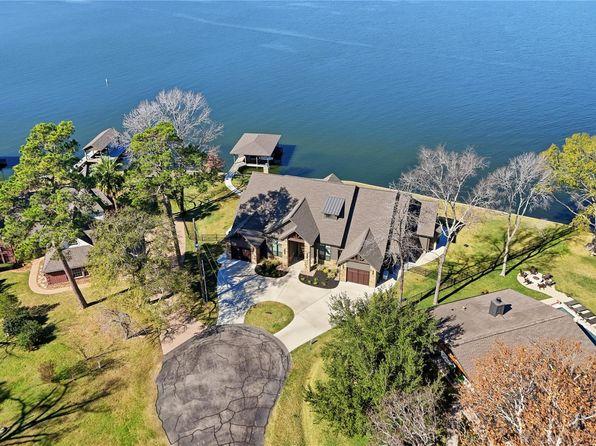
Open Water Isn’t Automatically Better—and a Cove Isn’t a Compromise
Open Water or Quiet Cove? How Should You Sell the Waterfront Your Lake Conroe Home Actually Has?
Two Lake Conroe homes can both be described as waterfront.
They can have:
Similar square footage.
Similar condition.
Similar price.
Private docks.
Pools.
Outdoor kitchens.
Yet the experience behind the house can feel completely different.
One property opens to:
Wide water.
Long sightlines.
Big sky.
Dramatic sunsets.
More visible lake activity.
Another sits within:
A protected-feeling cove.
More enclosed shoreline.
Potentially calmer visual surroundings.
A different sense of privacy.
Neither automatically wins.
The mistake sellers make is trying to market every waterfront property as though the same buyer wants the same experience.
They do not.
Some buyers walk onto an open-water property and immediately think:
“This is why we're moving to the lake.”
Another buyer sees that same exposure and thinks:
“I'd rather be tucked back somewhere quieter.”
Then they tour a cove property.
One buyer says:
“This feels peaceful.”
Another says:
“I want a bigger water view.”
That is why the job is not to prove your waterfront is the best type.
It is to make the advantages of your particular waterfront setting impossible to miss.
First, Stop Treating “Waterfront” as One Category
Waterfront can describe very different situations.
A property may face:
Wide open water.
Protected cove.
Channel.
Canal-like section.
Narrow inlet.
Other shoreline configuration.
Your current Lake Conroe content already recognizes open water, cove, canal, view, privacy, dock position, and water access as separate factors buyers may evaluate.
That distinction should carry into seller marketing.
Identify Your Waterfront Type Before You Choose the Marketing Language
Do not simply write:
“Stunning Lake Conroe waterfront!”
Ask:
What makes this waterfront different?
Is the strongest feature:
Wide view?
Sunset?
Sheltered setting?
Dock position?
Privacy?
Boating convenience?
Shoreline shape?
The answer should drive:
Photography.
Description.
Video.
Pricing.
Showing experience.
Open Water Should Look Open
If the property has a broad water view, show it.
Do not crop tightly around:
Dock.
Pool.
Patio.
The buyer needs to understand the scale.
Use photography that includes:
Sky.
Horizon.
Water width.
Shoreline relationship.
The visual openness is part of what they are purchasing.
But Do Not Use a Lens That Makes the Water Look Wider Than It Is
Professional photography should enhance:
Light.
Composition.
Perspective.
It should not create a different property.
If buyers arrive and think:
“The photos made this look like open water,”
when the actual setting feels much narrower, trust drops immediately.
Cove Properties Need a Different Photography Strategy
A cove may not produce the same dramatic horizon.
That does not mean the images should try to imitate open water.
Instead, emphasize:
How the home sits within the cove.
Dock relationship.
Tree-lined shoreline where applicable.
Outdoor seating.
Protected visual environment.
Views from inside.
The story is different.
A Cove Should Never Be Marketed Apologetically
Avoid thinking:
“It's waterfront, but unfortunately it's in a cove.”
That framing is unnecessary.
The right buyer may actively prefer:
More enclosed water views.
Different boat-traffic exposure.
Greater sense of separation from the main lake.
A more intimate waterfront environment.
Sell the experience that exists.
Do Not Call a Cove “Open Water”
Even if the cove opening is visible.
Likewise:
Do not call a channel:
Open lake.
Do not call open water:
Private cove.
Accuracy matters more than the strongest-sounding phrase.
The View From Inside May Determine the Real Waterfront Experience
Stand in the:
Kitchen.
Living room.
Primary bedroom.
Breakfast area.
Study.
Ask:
What does the buyer actually see?
Maybe the dock view is impressive.
But the kitchen view is blocked.
Or perhaps the cove looks modest from the shoreline but absolutely beautiful from the living room.
Photograph the strongest daily view, not only the edge of the lot.
Buyers Do Not Live on the Dock 24 Hours a Day
This is worth remembering.
They will experience the water while:
Making coffee.
Cooking dinner.
Working.
Sitting on the sofa.
Waking up.
Entertaining.
Your photography should show how the lake becomes part of ordinary life.
Open-Water Homes Often Need Strong Interior-to-Exterior Photography
A great photograph may show:
Living room.
Large windows.
Patio beyond.
Water beyond that.
The buyer immediately understands:
“The lake is part of the house.”
That is stronger than a standalone water photo.
Cove Homes Can Benefit Even More From This
A cove may feel:
Private.
Framed.
Almost like an extension of the backyard.
Showing it from inside can emphasize that relationship beautifully.
Identify the Property’s Signature View
Your home may be strongest at:
Sunrise.
Midday.
Sunset.
From pool.
From dock.
From upstairs balcony.
From kitchen.
Your current Lake Conroe content already emphasizes that different waterfront homes can have very different signature views, including open-water, cove, and shoreline perspectives.
Use that deliberately.
Do Not Assume Sunset Is Automatically the Best Shot
Some homes face:
Morning light.
Beautiful reflected afternoon light.
Evening shade.
The best visual moment depends on orientation and surroundings.
Test different times before scheduling the final photography.
Sunset Orientation Can Be Powerful
If genuinely present.
Show:
Water.
Sky.
Dock silhouette.
Outdoor living.
But do not rely entirely on dramatic sunset photographs.
The buyer still needs daylight views showing:
Shoreline.
Neighbors.
Dock.
Yard.
Actual water relationship.
Sunrise Can Sell a Different Emotion
Coffee.
Quiet morning.
Early boat ride.
Soft light.
Again:
It does not need to compete with sunset.
It creates a different lifestyle story.
Open Water Can Create More Visible Lake Activity
Depending on the specific property, buyers may notice:
Boats.
Personal watercraft.
Other lake users.
That can feel:
Energetic.
Recreational.
Exciting.
Or more active than some buyers prefer.
Do not try to tell the buyer how they should feel about it.
Show the actual environment.
Cove Activity Can Also Vary
A cove is not automatically:
Silent.
Empty.
Still.
Neighboring docks.
Boat routes.
Waterfront homes.
Community activity.
can affect the experience.
Avoid absolute language like:
“No boat traffic.”
unless that statement is genuinely supportable.
Use “Protected-Feeling” Carefully
A cove may visually feel more enclosed than open water.
But avoid making technical claims about:
Storm protection.
Wave conditions.
Safety.
Dock protection.
unless supported by qualified information.
Marketing should describe the setting, not engineer it.
Do Not Promise Calm Water
Weather.
Wind.
Boats.
Lake conditions.
can change.
A better description might focus on:
“Cove setting with a more enclosed waterfront view.”
when accurate.
Water Movement Is Buyer-Specific
A buyer with a particular boat may care deeply about:
Wake.
Depth.
Access.
Draft.
Lift.
That requires property-specific due diligence.
Do not turn visual cove positioning into technical boating promises.
Water Depth Still Matters in Both Settings
Open water does not automatically mean:
Perfect depth.
Cove does not automatically mean:
Shallow.
Your existing waterfront seller content already identifies water depth at the dock as a separate consideration from open-water versus cove positioning.
Keep them separate.
Do Not Say “Deep Water” Based on Appearance
You cannot reliably determine usable depth from:
Color.
Width.
How far the dock extends.
If depth is important, use accurate available information and allow the buyer to verify suitability for their specific vessel.
Current Depth Is Not Permanent Depth
Lake levels can change.
Avoid guarantees such as:
“You will always have X feet of water.”
Historical seller experience can provide context.
It is not a promise about future lake conditions.
Dock Placement Can Be More Important Than Waterfront Label
Two open-water homes can have dramatically different docks.
Two cove homes can too.
Buyers may care about:
Dock orientation.
Neighboring docks.
Ease of approach.
Boat-lift configuration.
Sun exposure.
View from dock.
The waterfront type is only one part.
Look at the Dock From the Water When Possible
If practical and appropriate, photography from the water can reveal:
Home.
Shoreline.
Dock.
Neighbor spacing.
The buyer sees the property as a boater would.
That can be extremely useful.
Water-Level Photography Should Still Be Honest
Do not photograph from an angle that:
Hides neighboring docks completely.
Makes the shoreline seem much wider.
Makes the cove opening look closer.
The goal is context.
Drone Photography Can Explain Open Water Extremely Well
Aerial imagery may show:
House.
Dock.
Shoreline.
Water expanse.
Nearby coves.
The broader relationship becomes obvious.
This is one reason aerial imagery can be particularly useful for Lake Conroe waterfront listings. Your existing seller content already recommends drone photography to show waterfront context.
Drone Photography May Be Even More Important for a Cove
From ground level, a buyer may not understand:
How the cove connects to larger water.
How deep into the cove the property sits.
How neighboring shorelines relate.
Aerial context can answer those visual questions.
Do Not Draw a Boating Route Unless It Is Accurate
If using:
Map.
Graphic.
Video overlay.
to illustrate water access, verify it carefully.
Do not imply:
Guaranteed navigability.
Depth.
Private route.
Aerial visualization should orient—not promise.
The Shape of the Shoreline Can Affect Privacy
A curved cove may mean:
Neighbors across water.
Homes angled toward one another.
Open water may mean:
Much longer sightlines.
But there are exceptions.
Privacy is property-specific.
Do the “Dock Privacy Test”
Stand on the dock.
Look:
Left.
Right.
Across.
What can you see?
What can neighbors see?
Now sit where a buyer would:
Dock seating.
Patio.
Pool.
Privacy can feel very different from each spot.
Open Water Does Not Automatically Mean More Privacy
There may be:
Neighboring docks close together.
Busy shoreline.
Homes angled inward.
A large view and private experience are not the same thing.
Cove Does Not Automatically Mean Less Privacy
Vegetation.
Lot width.
Shoreline curve.
Dock placement.
Distance.
can create excellent separation.
Again:
Market the actual property.
Landscaping Should Support the Waterfront Type
For open water:
Do not block the expansive view unnecessarily.
For a cove:
Strategic landscaping may frame the view and improve separation.
But in either case:
Keep enough openness that the water remains obvious.
Do Not Let Trees Become an Accidental Wall
You bought waterfront.
The buyer should not need to stand on one specific stepping stone to see it.
Trim appropriately where you have the right to do so.
Never Alter Shoreline or Common-Area Vegetation Without Authorization
The seller wants:
Better view.
More sun.
Clearer dock.
That does not mean they have the right to remove:
Community vegetation.
Neighbor vegetation.
Protected or regulated shoreline elements.
Know what belongs to the property.
Lot Width at the Water Can Matter
Some waterfront lots widen.
Some narrow.
Some curve.
The buyer may perceive:
More view.
More dock separation.
More shoreline.
Do not estimate frontage casually.
Use verified measurements where marketing them.
“X Feet of Waterfront” Should Be Documented
If you include a specific frontage number:
Know where it came from.
Survey?
Plat?
Other reliable property information?
Do not measure casually on an online map and present it as fact.
The Yard and Water Relationship Matters
Some homes have:
Flat walk to dock.
Steps.
Slope.
Terraced yard.
Pool between house and lake.
Each creates a different experience.
Show it.
Do Not Hide Steps to the Water
If the property has a meaningful grade:
Photography should show it.
A buyer who expects:
Flat yard.
and discovers:
Multiple stairs.
may immediately feel misled.
A Sloped Lot Is Not Automatically a Negative
It may create:
Elevated views.
Terraced landscaping.
Separation between house and dock.
Different outdoor zones.
Again:
Sell what it provides.
But Accessibility Questions May Follow
Buyers may ask:
How many steps?
Is there another route?
Can equipment be moved easily?
Do not promise:
Future ramps.
Lifts.
Regrading.
without appropriate verification.
Cove Homes Can Sometimes Feel More Connected to Neighboring Shoreline
This may create:
Community feeling.
Protected visual environment.
or less visual separation.
Your job is not to label it.
Show it accurately.
Open Water Can Create a Strong “Big Lake” Feeling
This may be one of the strongest emotional advantages.
The buyer looks out and sees:
Water.
Horizon.
Sky.
That experience can justify making the view central to:
Hero photo.
Video.
Showing route.
Let the Buyer Reach the View Quickly
If open water is the property's signature feature, consider the showing experience.
Blinds open.
Windows clean.
Patio ready.
Dock accessible.
The buyer should discover the lake without struggling to find it.
Cove Homes Should Also Reveal Their Strength Quickly
Do not leave:
Overgrown landscaping.
Closed blinds.
Dock clutter.
The cove setting should feel intentional from the moment the buyer reaches the back of the house.
Window Cleaning Is Non-Negotiable for Waterfront Marketing
If the buyer pays for a view:
Do not put dirty glass between them and the feature.
Clean:
Large windows.
Patio doors.
Balcony doors.
Dock glass where applicable.
Window Screens Can Affect Photography
Some screens darken or soften views visually.
Do not remove anything improperly merely for photographs.
But work with your photographer to show the view accurately and clearly.
Furniture Should Face the Water
At least enough to suggest:
This is the focal point.
A living room with every chair facing away from the lake sends the wrong signal.
Patio Furniture Should Do the Same
Create:
Conversation area.
Dining.
Lounge seating.
that uses the view.
The buyer takes cues from how the seller has arranged the space.
Do Not Overstage the Dock
You do not need:
Nautical signs.
Ten life rings.
Boat-themed decorations.
Keep it clean.
Functional.
Relaxed.
The lake provides the theme.
Cove Docks Can Benefit From Seating
A small seating area can show:
Quiet waterfront use.
Fishing.
Coffee.
Conversation.
But do not overcrowd the dock.
Open-Water Docks May Need Wind-Smart Staging
Loose:
Cushions.
Light décor.
Umbrellas.
can look messy or become unsafe.
Use practical outdoor staging.
Boat Lift Documentation Matters Regardless of Setting
If the home has a lift:
Know the manufacturer.
Rated capacity where verified.
Service history.
Major repairs.
Do not assume a buyer's specific boat will fit.
Open Water Does Not Make an Inadequate Lift Adequate
And a beautiful cove does not either.
Keep:
View.
Waterfront type.
Dock.
Lift.
as separate property features.
Shoreline Condition Can Influence Buyer Confidence
Your existing Lake Conroe content already encourages buyers and sellers to pay attention to bulkheads, retaining structures, erosion, drainage, prior repairs, and shoreline maintenance.
If those features exist:
Document them.
Do Not Let Open Water Distract From Shoreline Maintenance
A buyer can love the view and still worry about:
Bulkhead movement.
Erosion.
Drainage.
Dock structure.
Premium view does not make maintenance disappear.
Cove Properties Need the Same Discipline
Do not assume:
“We're tucked into a cove, so shoreline isn't as important.”
The buyer is purchasing the entire waterfront edge.
Prepare it appropriately.
Clean the Shoreline Before Photography Where You Are Responsible for Maintenance
Remove:
Trash.
Loose debris.
Unnecessary equipment.
Storm remnants.
Do not disturb:
Protected vegetation.
Common property.
Areas outside your ownership.
Neighboring Docks Are Part of the View
You cannot remove them.
Do not frame every photo to pretend they do not exist.
The buyer will see them.
Good photography can emphasize your property without falsifying the surroundings.
Dock Condition Can Affect How Premium the Water Feels
Old dock.
Peeling stain.
Loose boards.
Rusting equipment.
can visually drag down even a spectacular open-water property.
Your current seller content already treats dock condition as an important part of waterfront presentation.
Maintain it accordingly.
The Same View Can Feel Very Different at Different Times of Day
Visit your own backyard:
Morning.
Midday.
Late afternoon.
Evening.
You may discover:
The cove glows in morning light.
Open water looks strongest at sunset.
The patio gets afternoon shade.
Your photography schedule should reflect the property's real strengths.
Afternoon Sun Can Affect Buyer Perception
A west-facing waterfront might give:
Amazing sunset.
Also stronger afternoon sun.
A shaded eastern exposure may provide:
Different outdoor comfort.
Neither is automatically superior.
Sell the trade-off honestly.
Do Not Say One Orientation Is “Best”
Buyer preferences vary.
One wants:
Sunset.
Another:
Morning patio shade.
Market the actual orientation and experience where verified.
Open Water May Be a Stronger Hero Image
If it is the unmistakable premium feature.
But do not force it if:
House exterior.
Pool.
Architecture.
creates a stronger first impression.
The hero image should sell the complete property.
A Cove Property May Lead With the House-and-Water Relationship
For example:
Pool.
Patio.
House.
Dock.
Cove beyond.
That can communicate far more value than a narrow water-only photo.
Buyers Need to Know Whether the Home Feels Like a Lake House From Inside
This is a critical test.
If the lake is only visible from:
Dock.
One upstairs window.
then marketing should not imply panoramic water views throughout.
If five major rooms have water views:
Show them.
Count the Meaningful Water-View Rooms
Living.
Kitchen.
Breakfast.
Primary.
Office.
Game room.
The more the water affects daily spaces, the stronger the waterfront integration.
Do Not Label a Sliver of Water as a “Lake View”
Use common sense.
A buyer should reasonably agree with the description when standing in the room.
Photography Should Match the Human Eye
Overly zoomed photography can make distant water look much closer.
Wide-angle can make it look farther.
A good real-estate photographer balances accuracy and presentation.
Water-View Quality Can Influence Pricing More Than Sellers Expect
Two waterfront homes may technically share the same label.
But buyers may react differently to:
Wide view.
Cove view.
Channel view.
Obstructed view.
Current Lake Conroe seller content already cautions against relying solely on price per square foot because waterfront quality, dock, shoreline, lot, and view can materially distinguish properties.
Price Per Square Foot Can Be Particularly Misleading Here
Seller says:
“The waterfront house down the street sold for $300 per square foot, so ours should too.”
But perhaps that property had:
Open-water view.
New dock.
Wider lot.
Different shoreline.
Or yours does.
You need more context.
Compare Waterfront Type Before Comparing Interior Finishes
A newly renovated cove home and an older open-water home may attract different buyer responses.
You need to understand:
What the market paid for the complete waterfront package.
Not simply:
Granite versus quartz.
The Best Comparable May Not Be the Closest House
A nearby waterfront property can be physically close but significantly different in:
View.
Water access.
Dock.
Lot shape.
Privacy.
Shoreline.
A slightly farther sale with a similar waterfront experience may sometimes provide more useful context.
Active Listings Matter Too
What can the buyer choose today?
If they can purchase:
Open water at your price.
and yours is cove,
your home needs to compete on:
Condition.
Privacy.
Dock.
Home quality.
Lot.
Other advantages.
If yours is open water and the alternatives are mostly cove:
That may strengthen differentiation.
Do Not Assume Open Water Always Commands a Fixed Premium
There is no universal:
“Open water adds $100,000.”
The market response depends on:
Price range.
View.
Home.
Lot.
Dock.
Condition.
Privacy.
Current demand.
Use evidence.
Do Not Discount a Cove Automatically Either
A particularly attractive cove property may outperform another home because of:
Better house.
Better dock.
More privacy.
Pool.
Condition.
Price.
Waterfront category alone never tells the whole story.
Think in Terms of Buyer Trade-Offs
Open-Water Buyer May Value
Expansive view.
Big-lake atmosphere.
Visible recreation.
Long sightlines.
Cove Buyer May Value
More enclosed setting.
Different privacy characteristics.
Different visual environment.
Potentially different sense of boat activity.
Those are preferences—not universal truths.
Do Not Use “Safer for Children” or Similar Claims
Waterfront safety is serious and property-specific.
Do not assign safety outcomes to:
Cove.
Open water.
Fence.
Dock.
Buyers should evaluate their own needs and risks.
Fencing Can Affect Both Settings
If the property has:
Fence between house and water.
Pool fence.
Gate.
know the configuration.
Do not promise future changes are permitted without verification.
Pools Can Strengthen Either Waterfront Type
Open water plus pool:
Dramatic.
Cove plus pool:
Potentially intimate and private-feeling.
Show the whole backyard.
Do not make the buyer choose between understanding:
Pool.
or:
Water.
Use One Image That Shows Both
When possible:
Pool foreground.
Dock midground.
Water background.
This may become one of the strongest listing photographs.
Outdoor Kitchens Should Be Positioned Toward the Waterfront Story
If the grill area faces:
Wall.
Fence.
Storage.
while the lake is behind the photographer, reconsider staging.
The buyer should see how entertaining connects to the view.
Keep Outdoor Areas Simple
Waterfront itself is visually strong.
You do not need excessive décor.
Let:
Water.
Sky.
Trees.
Dock.
Pool.
do the work.
Noise Should Be Discussed Through Experience, Not Guarantees
A buyer may ask:
“Is open water noisy?”
or:
“Is the cove quiet?”
Do not generalize.
Property experience varies.
Show the setting.
Allow buyers to spend time outdoors.
Let Buyers Stand Outside Without a Sales Pitch
This matters.
Do not fill every second with:
“Isn't this amazing?”
Give them time to:
Look.
Listen.
Imagine.
Your current Lake Conroe content already emphasizes allowing waterfront buyers time to experience the dock and water rather than rushing them back inside.
A Second Showing at a Different Time Can Be Powerful
If a serious buyer first toured:
Midday.
they may want to return:
Sunset.
That can help them understand the property differently.
Where practical, make strong buyers easy to accommodate.
But Do Not Guarantee the Same Conditions
Weather and lake activity vary.
One perfect evening does not represent every day.
Water Orientation Can Affect Photography Seasonally
Sun angle changes.
Vegetation changes.
Lake conditions change.
Use current imagery whenever possible.
Do Not Reuse Five-Year-Old Photos Simply Because the Water Looked Better
Old photos can misrepresent:
Dock.
Shoreline.
Water level.
Neighbors.
Landscaping.
Current listing photography should show current reality.
Cove Sellers Should Resist Comparing Themselves Constantly to Open Water
Your home may win because of:
Price.
Home condition.
Dock.
Pool.
Privacy.
Outdoor living.
The buyer does not need you to say:
“It's basically open water.”
They need to understand why this cove setting works.
Open-Water Sellers Should Resist Acting Like the View Excuses Everything
A fantastic view does not eliminate:
Deferred maintenance.
Dated interior.
Poor dock.
Overpricing.
Buyer still purchases the house too.
The Waterfront Premium Should Feel Supported Throughout the Property
If asking a premium because of the water:
Windows should showcase it.
Outdoor areas should use it.
Dock should be ready.
Landscaping should frame it.
Marketing should explain it.
The property should feel intentionally waterfront.
Do Not Hide the Garage and Storage Story
Boating buyers may care about:
Trailer gear.
Fishing equipment.
Water toys.
Life jackets.
Tools.
Garage capacity.
Dock storage.
The waterfront lifestyle requires storage too.
A Cove Property With Better Storage May Beat an Open-Water Property Without It
Again:
Complete package.
Full-Time Buyers May Evaluate the Waterfront Differently From Weekend Buyers
One may prioritize:
Everyday views.
Office.
Garage.
Commute.
Another:
Dock.
Boating.
Guests.
Outdoor living.
Your marketing should show both:
Lifestyle.
Function.
without assuming why someone is buying.
Avoid Demographic Assumptions
Do not say:
Perfect for retirees.
Ideal for families.
Great for young professionals.
Describe the physical features.
Let buyers determine fit.
Second-Home Buyers May Care More About Simplicity
A waterfront property that is:
Easy to maintain.
Well documented.
Ready to use.
may have an advantage regardless of cove versus open water.
Documentation Can Neutralize Waterfront Anxiety
Keep records for:
Dock.
Lift.
Bulkhead.
Drainage.
Pool.
Roof.
Major systems.
The view creates emotion.
Documentation creates confidence.
Use the “What Type of Waterfront Is This?” Test
Can you answer accurately in one sentence?
If not:
Your marketing is too vague.
Use the “What Is Our Signature View?” Test
Kitchen?
Patio?
Dock?
Balcony?
Sunset?
Build the photography around it.
Use the “What Does the Buyer Hear?” Test
Stand outside at:
Morning.
Afternoon.
Weekend.
Understand the experience.
Do not promise silence or activity.
Use the “Can the Buyer Understand the Water From the Photos?” Test
If they cannot tell:
Open water.
Cove.
Channel.
the gallery needs more context.
Use the “Is the Dock Supporting the View?” Test
Beautiful lake.
Neglected dock.
Fix the disconnect.
Use the “Are We Comparing the Right Homes?” Test
Waterfront versus waterfront is not enough.
Compare:
Waterfront quality.
Lot.
Dock.
Shoreline.
View.
Use the “Are We Overpricing the Label?” Test
Do buyers see enough difference to support your premium?
If not:
Revisit positioning.
Use the “What Can Never Be Renovated?” Test
Kitchen can change.
Flooring can change.
Waterfront position cannot.
Make your permanent advantage obvious.
Create a Lake Conroe Waterfront-Position Seller Scorecard
Before listing, evaluate:
Waterfront Type
Open water, cove, channel, or another accurate description?
Signature View
Where is it strongest?
Interior Views
Which rooms genuinely see the lake?
Orientation
Sunrise, sunset, afternoon exposure verified?
Dock
Condition and placement?
Lift
Specifications and service records?
Depth
Any factual information available without guarantees?
Shoreline
Condition and documentation?
Lot Width
Verified if marketed?
Grade
Flat, sloped, terraced, or stepped accurately shown?
Privacy
Actual sightlines understood?
Neighboring Docks
Shown honestly?
Boat Activity
No unsupported quiet or traffic claims?
Pool
Relationship to water clearly photographed?
Landscaping
Frames rather than hides the view?
Photography
Ground, water-level, aerial, daylight, and twilight used appropriately?
Comparables
Similar waterfront types considered?
Pricing
No automatic open-water or cove adjustment without market evidence?
Marketing
Does the copy explain why this specific waterfront is desirable?
When those questions are answered, the seller no longer needs to market simply:
“Lakefront.”
The property has a much stronger identity.
Final Thoughts
Open water and cove waterfront should not be marketed as:
Good.
And:
Less good.
They offer different experiences.
One buyer may want to stand on the patio and see:
A wide sweep of Lake Conroe.
Another may prefer:
A more enclosed cove setting with a different relationship to the surrounding shoreline.
Neither buyer needs to be convinced that the other option is wrong.
They need to understand why your property fits what they want.
So identify the waterfront honestly.
Photograph the actual setting.
Show the view from inside.
Make the dock part of the story.
Understand the privacy.
Show the slope.
Use aerial photography for context.
Avoid unsupported claims about depth, calm water, traffic, safety, or future conditions.
And when pricing, compare homes based on the quality of the waterfront—not simply the fact that both listings say:
“Lake Conroe waterfront.”
Your existing Lake Conroe seller content already recognizes open-water versus cove location as one of several factors buyers evaluate alongside docks, shoreline, view, privacy, and water access.
This article takes that idea one step further:
Do not try to sell the waterfront you wish you had.
Sell the one you actually have exceptionally well.
Because the right buyer may not want the widest water.
Or the quietest cove.
They want the setting that makes them stand outside, look across the lake, and think:
“This is exactly how I pictured living on Lake Conroe.”
Frequently Asked Questions
Is open-water frontage always more valuable than a cove on Lake Conroe?
No universal premium applies. Buyers may evaluate the view, dock, water access, shoreline, privacy, lot, home condition, and overall setting differently. Current market evidence should guide pricing rather than assuming one waterfront type always commands a fixed amount.
Should I describe my cove property as open water if I can see the main lake?
No. Use terminology that accurately describes the property's actual waterfront setting. You can still highlight long views or visibility toward larger water where accurate without relabeling the property.
Are cove homes always quieter than open-water homes?
Not necessarily. Boat activity, neighboring docks, shoreline layout, weather, and community use vary by property. Avoid absolute noise or traffic claims.
Does open water automatically mean deeper water?
No. Waterfront type and water depth are separate considerations. Buyers with specific boating needs should verify current depth and suitability for their vessel. Your existing Lake Conroe seller guidance already treats these as distinct factors.
Should I use drone photography for a cove property?
It can be especially helpful because aerial imagery may show how the cove relates to the broader lake, neighboring shorelines, the home's dock, and surrounding properties.
Should I show neighboring docks in listing photos?
Use photography that presents your property attractively but accurately. Avoid intentionally creating the impression of isolation if neighboring docks are actually part of the normal view.
Can I advertise my waterfront as private?
Be specific. A private dock or privately owned shoreline is different from claiming the entire waterfront setting is private. Describe actual ownership and physical privacy rather than making broad claims.
How should I price a cove home against an open-water comparable?
Consider the complete differences in water view, dock, shoreline, privacy, lot, home condition, outdoor living, and buyer response. Price-per-square-foot comparisons alone may miss important waterfront distinctions.
What if buyers keep saying they want open water?
That may be buyer fit rather than a defect in your property. Strengthen the marketing around the actual advantages of your cove setting rather than trying to position it as something it is not.
What's the biggest takeaway?
When selling on Lake Conroe, “waterfront” is only the beginning of the description. Identify whether you have open water, a cove, channel, or another setting; show the view and dock honestly; price against genuinely comparable waterfront; and market the specific experience your property offers instead of assuming every lake buyer wants the same thing.