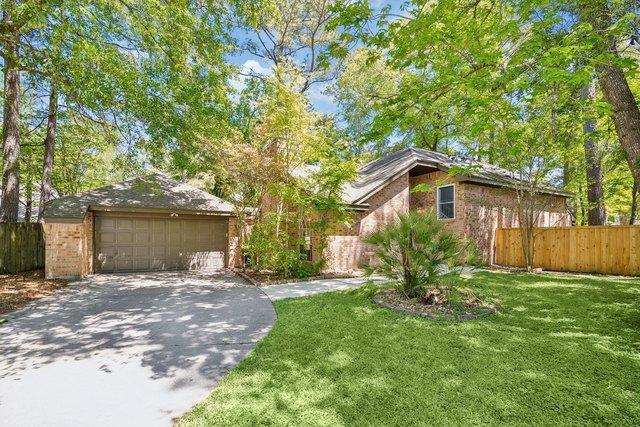
Cul-de-Sac Lot? Show Buyers What Makes This One Different.
How Do You Sell a Cul-de-Sac Home in The Woodlands Without Assuming the Location Sells Itself?
The buyer turns onto the street.
The road curves.
Traffic thins.
Your house sits near the end of the cul-de-sac.
Before they even step inside, they may already be thinking:
Less through traffic.
More separation.
Different lot shape.
Maybe a larger backyard.
Maybe additional driveway space.
That can be a meaningful advantage.
But then the buyer starts looking more closely.
Is the backyard actually larger?
Is it oddly shaped?
Can guests park easily?
How close are the neighboring driveways?
Does the front yard narrow?
Is there enough usable lawn?
Are there drainage issues at the end of the street?
Suddenly, “cul-de-sac” is not enough.
The seller needs to show what this particular cul-de-sac position actually gives the buyer.
Start With the Actual Lot, Not the Street Label
Two cul-de-sac homes can feel completely different.
One may offer:
A wide rear yard.
Extra side space.
Mature trees.
Strong privacy.
Another may have:
A pie-shaped lot.
Narrow frontage.
Limited side yard.
Less usable backyard than expected.
Do not assume the buyer will automatically assign a premium because the listing says cul-de-sac.
Show the real benefits.
Lot Shape Can Be the Biggest Advantage
Many cul-de-sac lots widen toward the rear.
That can create room for:
Pool.
Outdoor kitchen.
Play lawn.
Garden.
Larger patio.
More separation from neighboring homes.
If your lot has that benefit, make it easy to understand.
Use Aerial Photography
A drone image can help buyers see:
Street position.
Lot shape.
Backyard depth.
Neighbor spacing.
Trees.
Pool.
This is often much more useful than trying to explain a pie-shaped lot in listing copy.
Do Not Make the Lot Look Bigger Than It Is
Wide-angle photography can distort:
Yard depth.
Side setbacks.
Frontage.
Professional images should present the property attractively without creating false expectations.
Show the Usable Backyard
A large lot does not automatically mean a large usable yard.
Trees.
Drainage easements.
Pool.
Slope.
Landscaping.
can change how much space buyers actually use.
Photograph:
Lawn.
Patio.
Pool.
Side yard.
not simply the property from one corner.
Cul-de-Sac Privacy Can Be a Strong Selling Feature
Depending on the property, fewer directly passing vehicles and a different street layout may create a more tucked-away feel.
But avoid absolute claims like:
“Complete privacy.”
Neighbors still exist.
Use factual language such as:
“Positioned near the end of the cul-de-sac with no through street.”
when accurate.
Less Through Traffic Is Different From No Traffic
Residents.
Guests.
Deliveries.
Service vehicles.
still use the street.
Do not promise:
“No traffic.”
Specificity is more credible.
Parking Needs to Be Evaluated Honestly
Some buyers assume a cul-de-sac means:
Unlimited guest parking.
That may not be true.
Curved curbs.
Driveway placement.
Mailboxes.
Fire-access requirements.
Neighbor driveways.
can reduce usable street parking.
If your driveway provides strong off-street capacity, highlight it.
A Long or Wide Driveway Can Be Valuable
Especially if the property has:
Three-car garage.
Multiple vehicles.
Boat or trailer needs where permitted.
Show the driveway clearly.
But do not promise recreational vehicle parking without verifying community restrictions.
Garage Orientation Matters
A side-entry garage may improve:
Front elevation.
Parking layout.
Street appearance.
But buyers may care about:
Turning radius.
Driveway width.
Ease of backing out.
Photography should explain the setup.
Mature Trees Can Strengthen the Cul-de-Sac Setting
The Woodlands is known for its established tree canopy, and a cul-de-sac with mature landscaping can feel particularly settled.
Keep the trees:
Maintained.
Trimmed appropriately.
Visible.
Do not clear them simply to make the lot look larger.
But Do Not Let Trees Hide the House
The buyer still needs to see:
Entry.
Architecture.
Windows.
Driveway.
Selective landscaping work may improve curb appeal without sacrificing the wooded setting.
The Front Yard Can Be Unusually Shaped
Cul-de-sac frontage can be:
Narrower.
Curved.
Deeper.
This affects:
Landscaping.
Parking.
Visual approach.
Use photography from multiple angles so buyers understand the property before arriving.
Backyard Shape Matters More Than Square Footage Alone
A 12,000-square-foot lot can feel more useful than a 15,000-square-foot lot depending on:
Shape.
Slope.
Pool placement.
Trees.
Easements.
Do not market only the number.
Sell the usable experience.
Pools Can Work Especially Well on Wider Rear Lots
If the lot opens toward the back, the property may accommodate:
Pool.
Patio.
Lawn.
without feeling crowded.
Show all three together.
That tells buyers the lot still has flexibility after the pool.
Do Not Call a Pool Yard “Huge” if There Is Very Little Lawn Left
The property may still offer excellent outdoor living.
Use accurate language:
“Pool, covered patio, and landscaped rear yard.”
The right buyer will value that layout.
Side Yards Can Be Surprisingly Important
A wider rear lot may create:
Storage.
Dog run.
Garden.
Equipment access.
Additional privacy.
If the side yard is unusually functional, include a photo.
But Avoid Photographing Every Narrow Side Passage
Use only spaces that add value or help explain the property.
Drainage Questions May Come Up
Buyers sometimes wonder whether:
Water collects at the end of cul-de-sacs.
Street drains back up.
Rear lots hold water.
Do not generalize.
Provide factual history about your property.
If there are known drainage improvements, document them.
Do Not Say “Cul-de-Sacs Never Flood”
Street design alone does not determine flood risk.
Avoid any future-performance guarantee.
Street Drainage Features Should Be Maintained
If there is a storm drain near the property:
Keep debris cleared where appropriate.
A clogged visible drain can create unnecessary concern.
Buyer Families Are Not the Only Audience
Avoid marketing:
“Perfect for children.”
or similar demographic assumptions.
Instead, describe the physical feature:
“No through street and a broad rear lot.”
That appeals to buyers for many reasons.
Some Buyers Choose Cul-de-Sacs for Quiet
Others want:
Lot size.
Parking.
Privacy.
Street appearance.
Do not narrow the marketing to one lifestyle.
A Cul-de-Sac Does Not Automatically Mean a Premium
This is important for pricing.
Seller says:
“We’re on a cul-de-sac, so add $50,000.”
The market may or may not support that.
Value depends on:
Exact lot.
Home condition.
Privacy.
Pool.
Trees.
Location.
Comparable sales.
Current competition.
Compare Similar Lot Positions
When possible, look for:
Other cul-de-sac sales.
Similar lot size.
Similar condition.
Same or nearby village.
This helps determine whether buyers actually paid differently.
Interior-Lot Comparables Still Matter
They show what buyers paid for similar houses without the same street position.
The difference may help explain whether your lot contributes a premium.
Original Builder Lot Premium Is Not Current Market Value
You may have paid extra when purchasing the home.
That does not automatically become today's resale adjustment.
Current buyers determine current value.
The Lot Can Still Be Hard to Recreate
Buyers can update:
Kitchen.
Flooring.
Paint.
They cannot easily turn another standard lot into:
Your wider rear yard.
Your cul-de-sac position.
Your established trees.
That is why the lot should be visible in the marketing.
Do Not Let Interior Photos Dominate the Listing
If the lot is a meaningful differentiator, include:
Aerial.
Street position.
Backyard.
Side yard where useful.
The buyer should understand why this home is different before the showing.
Video Can Explain the Location Quickly
A short sequence can show:
Approach down the street.
Home position.
Backyard.
Lot width.
This may communicate the property more clearly than still images alone.
Keep the Street Looking Clean for Photography
Move:
Trash bins.
Extra vehicles.
Sports equipment.
Temporary storage.
Curb appeal includes the approach.
Coordinate Vehicle Placement
A driveway filled with five vehicles can make it appear:
Smaller.
Congested.
If possible, clear the driveway for professional photography.
Mailboxes Can Affect Presentation
In some cul-de-sacs, grouped or nearby mailboxes may sit close to the home.
You cannot move community infrastructure.
Just make sure landscaping around the property remains neat.
Cul-de-Sac Homes Can Feel More Private From the Front
Because the street terminates rather than continuing through.
But the real privacy may depend more on:
Neighbor placement.
Trees.
Setbacks.
Backyard screening.
Do not oversell the street itself.
Window Views Can Be Different
Front rooms may look toward:
Trees.
Curved street.
Open center of cul-de-sac.
If the front office or dining room has a particularly attractive view, show it.
Noise Should Not Be Guaranteed
No through traffic may reduce one type of vehicle activity, but buyers can still hear:
Neighbors.
Landscaping.
Deliveries.
Community activity.
Avoid:
“Silent location.”
Cul-de-Sac Lots Can Appeal to Buyers With Pets
But again, market the physical property rather than the buyer profile.
Highlight:
Fenced yard.
Side space.
No through street.
Let the buyer determine suitability.
Fence Condition Matters
A wider or irregular backyard may have more fence line.
Check:
Leaning sections.
Rot.
Gates.
Loose boards.
A premium lot should not look like a larger maintenance problem.
Landscaping Can Define an Oddly Shaped Lot
Strategic beds and trees can make:
Corners.
Curves.
Side areas.
feel intentional.
Avoid letting unusual lot geometry read as wasted space.
Use Outdoor Furniture to Show Function
A broad rear patio with:
Dining area.
Seating.
Pool.
lawn
helps buyers understand how the lot works.
Do not leave the backyard visually empty if scale is difficult to judge.
Do Not Overfill the Yard
Too much:
Furniture.
Play equipment.
Storage.
can hide the actual lot advantage.
Edit aggressively before photography.
The Cul-de-Sac Should Support the Home, Not Become the Entire Story
The buyer is still evaluating:
Condition.
Floor plan.
Systems.
Location.
Village.
Community.
The street position is one differentiator among several.
Strong Pricing Requires the Complete Package
A cul-de-sac lot with:
Updated home.
Pool.
Mature trees.
Three-car garage.
may create strong differentiation.
A cul-de-sac home with:
Deferred maintenance.
Poor presentation.
Overpricing.
will still struggle.
Use the “What Is Actually Better?” Test
Do not say:
“Best lot.”
Ask:
Wider rear yard?
No immediate through street?
More privacy?
Extra driveway?
Better tree setting?
Turn subjective claims into factual features.
Use the “Can Buyers See the Shape Online?” Test
If not, add:
Drone.
Survey-style context where appropriate.
Better yard photography.
The lot should not require imagination.
Use the “Is the Space Usable?” Test
Total lot size matters less than:
What the buyer can actually do with it.
Show the useful spaces.
Use the “What Is Permanent?” Test
Street position.
Lot shape.
Trees.
These are the features buyers cannot renovate later.
Use the “Does the Price Reflect the Actual Lot?” Test
Not every cul-de-sac lot is premium.
Price this one.
Not the category.
Create a Woodlands Cul-de-Sac Seller Scorecard
Before listing, evaluate:
Street Position
Near the end, side, or entrance of the cul-de-sac?
Lot Shape
Wider rear yard or unusual geometry?
Usable Yard
How much practical outdoor space?
Driveway
Guest and household parking capacity clear?
Garage
Easy vehicle access?
Trees
Maintained without hiding the home?
Pool
Does the lot still offer yard beyond it?
Side Yard
Any useful extra space?
Privacy
Actual neighbor sightlines understood?
Fence
Current condition good?
Drainage
Any known property-specific concerns?
Photography
Does the buyer see the street and lot relationship?
Aerial
Would drone imagery improve understanding?
Comparables
Other cul-de-sac and standard-lot sales considered?
Pricing
Is any lot premium supported by current market evidence?
Marketing
Are you describing real features instead of assuming “cul-de-sac” sells itself?
Final Thoughts
A cul-de-sac location can absolutely help a Woodlands home stand out.
But the real value is not the word itself.
It is what the property actually offers because of that position.
Maybe:
A wider backyard.
More separation.
Less through traffic.
Extra driveway.
A pool plus usable lawn.
Mature trees.
A more tucked-away setting.
Those are tangible advantages.
So before listing, stop thinking:
“Buyers love cul-de-sacs.”
Instead ask:
“What specifically will buyers love about this one?”
Then show it.
Use aerial photography when the lot shape matters.
Keep the driveway clear.
Show the usable backyard.
Maintain the trees and fencing.
Be accurate about parking and privacy.
Avoid unsupported claims about safety, traffic, drainage, or automatic resale premiums.
And price the property against homes with similar lot quality rather than simply adding a fixed amount because the street ends in a circle.
Because buyers can change almost everything inside the house.
They cannot easily recreate:
The exact lot, street position, mature setting, and outdoor space that came with this one.
That is the part of the cul-de-sac story worth selling.
Frequently Asked Questions
Do cul-de-sac homes sell for more in The Woodlands?
Sometimes, but there is no automatic premium. Buyers may value reduced through traffic, lot shape, larger rear yards, privacy, or parking differently. Comparable sales should support any pricing adjustment.
Does a cul-de-sac always mean a larger lot?
No. Some lots widen toward the rear while others may be similar in size or have irregular shapes. Verify the actual lot dimensions and usable space.
Should I use drone photography?
Yes, especially when the lot shape or rear-yard size is a major feature. Aerial imagery can help buyers understand the home's relationship to the street and neighboring lots.
Can I advertise “no traffic”?
Use more precise wording such as “no through street” when accurate. Residents, guests, deliveries, and service vehicles still use the cul-de-sac.
Is a cul-de-sac automatically safer?
Avoid making safety guarantees. Describe the physical street layout and let buyers evaluate safety based on their own research and preferences.
Should I highlight extra parking?
Yes, if the driveway or property genuinely provides additional off-street parking. Do not assume the curved street itself creates unlimited guest parking.
Does an original builder lot premium determine today's resale value?
No. The resale market determines what buyers currently pay for the lot position and complete property.
What if my cul-de-sac lot is oddly shaped?
Focus on usable areas and show how landscaping, patios, pools, or side yards make the space function. Aerial photography can help buyers understand irregular geometry.
Should the cul-de-sac be mentioned early in the listing description?
If it meaningfully differentiates the property, yes—but pair the label with the actual benefit, such as a wider rear yard or no through street.
What's the biggest takeaway?
When selling a cul-de-sac home in The Woodlands, sell the actual lot—not the label. Show buyers the usable yard, parking, privacy, mature trees, and street position, then let current market evidence determine whether those advantages justify a premium.