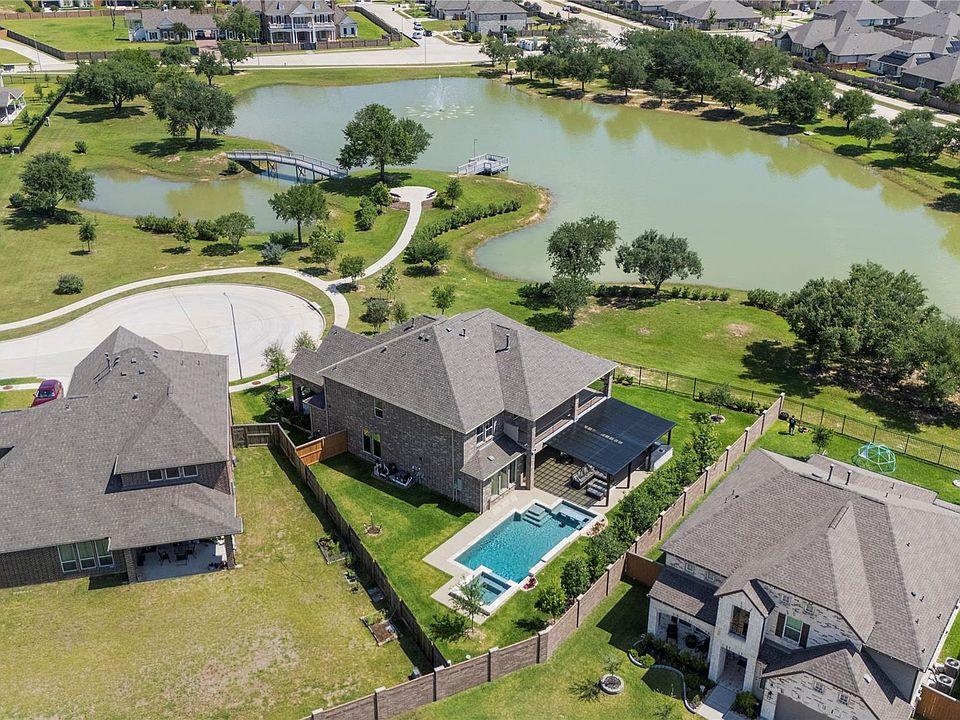
That Backyard View May Sell the Home—But Be Careful What You Promise About It
Your Cypress Home Backs to Open Space—But Can You Promise the View Will Always Stay That Way?
You open the back door.
No house directly behind you.
Instead:
Trees.
A greenbelt.
A neighborhood lake.
Retention pond.
Walking trail.
Drainage reserve.
Open land.
The seller says:
“That's why we bought this house.”
And it may be exactly why the next buyer falls in love with it.
A premium backyard setting can influence:
Privacy.
Views.
Natural light.
Outdoor enjoyment.
Buyer emotion.
Potential marketability.
But sellers need to be careful.
There is a major difference between saying:
“The property currently backs to open space.”
and:
“Nobody can ever build behind you.”
One describes what exists today.
The other makes a promise about the future.
When selling a Cypress home with a special rear setting, market what buyers can actually see—and verify anything you cannot.
First, Identify What Is Actually Behind the Property
Do not rely on:
“We call it the greenbelt.”
Find out what it actually is.
It may be:
HOA-owned reserve.
Drainage easement.
Detention or retention area.
Trail corridor.
Lake.
Utility easement.
Parkland.
Separate privately owned parcel.
Undeveloped land.
Those are not interchangeable.
Check the Survey
Your survey may help show:
Property boundaries.
Easements.
Relationship to adjacent areas.
Structures.
Fences.
Do not assume the lawn you maintain is entirely yours.
Property Lines Matter
A seller may mow beyond the fence for years.
That does not automatically mean:
The land belongs to the property.
Be accurate about lot boundaries.
Do Not Call Undeveloped Land a Greenbelt Without Verification
This is one of the biggest marketing risks.
Vacant land can look like permanent open space.
But if it is a separate developable parcel:
The view may change.
Verify before describing it.
“No Back Neighbors” Needs Careful Language
If no residence currently sits directly behind the property:
That can be described.
But:
“Never any back neighbors!”
is a future guarantee unless legally supported.
Better:
“Currently backs to open space with no residence directly behind the property.”
when accurate.
Premium Lots Need Evidence
Sellers often remember paying:
$10,000.
$20,000.
$40,000.
for a lot premium when they built.
That original premium is useful history.
It does not automatically determine today's resale premium.
Original Lot Premium Is Not Current Market Value
The market may value the setting:
More.
Less.
Differently.
depending on current buyer demand.
Use comparable sales where possible.
Compare Similar Rear Settings
Ideally compare:
Greenbelt to greenbelt.
Lake to lake.
Pond to pond.
Interior lot to interior lot.
But perfect comparisons may not exist.
Then evaluate:
View quality.
Privacy.
Lot size.
Orientation.
Home condition.
Outdoor improvements.
Not Every Water View Is the Same
A home overlooking a large recreational lake may feel different from one overlooking:
Drainage pond.
Detention basin.
Narrow water feature.
Do not market every body of water as:
“Waterfront.”
“Waterfront” Can Imply Access
If buyers cannot:
Enter the water.
Launch a boat.
Build a dock.
Fish.
access it directly,
do not imply those rights.
Describe the actual relationship.
Pond Views Can Still Be Beautiful
You do not need exaggerated terminology.
“Backyard overlooking neighborhood pond.”
can be compelling.
Specific language builds trust.
Trails Create a Different Trade-Off
Backing to a trail can offer:
Easy access.
Open space.
Lifestyle appeal.
But buyers may also consider:
Pedestrian traffic.
Bicycles.
Privacy.
Noise.
Do not describe a trail lot as completely private if people regularly pass behind the fence.
Show the Trail Relationship in Photography
If the trail is directly behind the property:
Do not hide it.
The right buyer may consider it a major advantage.
Greenbelts Can Improve the Feeling of Space
Even a modest backyard can feel larger when it visually extends into:
Trees.
Landscaping.
Open space.
Photography should capture that depth.
But Do Not Photograph Land as Though It Belongs to the Home
This is important.
If the property ends at the fence:
Show the setting.
Do not imply acreage that is not part of the sale.
Drone Photography Can Be Extremely Helpful
Aerial images may show:
Home.
Lot.
Water.
Trail.
Greenbelt.
Nearby development.
This can help buyers understand why the lot is different.
Drone Images Can Also Reveal Things Sellers Forget
Power lines.
Roads.
Drainage infrastructure.
Nearby commercial property.
Future construction.
That is okay.
Accurate context is valuable.
Backyard Staging Matters More on Premium Lots
If the view is one of the strongest selling features:
The patio cannot look forgotten.
Clean:
Furniture.
Concrete.
Windows.
Outdoor kitchen.
Pool.
Fence.
Landscaping.
Make buyers want to stay outside.
Face Furniture Toward the View
Simple staging can reinforce:
“This is what you get to enjoy every day.”
Do not block the best sightline with oversized furniture.
Trim Landscaping Strategically
Overgrown shrubs may hide the very view you are trying to sell.
But do not:
Remove protected vegetation.
Cut property you do not own.
Damage community landscaping.
Verify before major trimming outside your property.
Privacy Is More Than No Rear House
Buyers will notice:
Side neighbors.
Fence height.
Trail users.
Upper-story views.
Lighting.
Roads.
Do not overstate privacy.
Use “More Private” Carefully
A property may feel more private than an interior lot.
That is different from:
“Complete privacy.”
Lot Orientation Can Affect Outdoor Enjoyment
Buyers may ask:
Morning sun?
Afternoon sun?
Shade?
Sunset?
You can describe observed conditions.
Avoid guaranteeing exact year-round sun exposure.
Season changes matter.
Summer Photography Can Be Different From Winter
Trees may provide:
Dense summer screening.
Less winter screening.
If seasonal privacy is important:
Be realistic.
Water Lots Bring Drainage Questions
Buyer sees a pond and asks:
“Does this flood?”
Do not answer based on assumptions.
Provide known property history and direct buyers to appropriate flood-risk resources and professional due diligence.
A Pond Behind the Home Does Not Automatically Mean the Home Floods
Likewise:
Being outside a particular mapped flood area does not guarantee a property can never experience flooding.
Avoid absolutes.
Know Your Property's Flood History
If the seller has knowledge of:
Previous flooding.
Water intrusion.
Drainage events.
complete applicable disclosures accurately.
Do not minimize known history.
Flood Insurance Questions Belong With Qualified Sources
Buyers should evaluate:
Current flood information.
Lender requirements.
Insurance availability.
Property-specific risk.
Do not quote someone else's premium as the buyer's future cost.
Drainage Reserves May Look Like Parks
A beautifully maintained drainage corridor can be visually appealing.
But call it what it is when known.
A buyer deserves to understand the function of the space.
Storm Conditions May Change the View
A detention area may:
Hold water during certain events.
Be dry at other times.
Do not promise a permanent water level unless appropriate and verified.
Lakes Can Change Too
Water level.
Vegetation.
Maintenance.
Shoreline.
Community rules.
can change.
Market today's setting without guaranteeing future appearance.
Wildlife Can Be Part of the Experience
Sellers may enjoy seeing:
Birds.
Ducks.
Deer.
Other wildlife.
You can describe your experience conversationally.
But avoid promising buyers specific wildlife sightings.
Mosquito Questions May Come Up
Do not claim:
“The pond doesn't create mosquitoes.”
or:
“There are no mosquitoes here.”
Environmental conditions vary.
Future Development Is the Biggest Question
Buyer:
“Can anything ever be built behind us?”
Seller:
“Absolutely not.”
That answer should only be given when supported by reliable information.
Otherwise:
Help buyers research:
Plat.
HOA/community information.
County records.
Applicable planning information.
Ownership of adjacent land.
Planned Development Can Change
Even publicly available plans can be:
Modified.
Delayed.
Cancelled.
Revised.
Date any information you provide.
Utility Easements Matter
Open space may contain:
Pipelines.
Drainage.
Power.
Other infrastructure.
Do not imply it is recreational land if it serves another purpose.
Premium-Lot Marketing Should Be Visual
Instead of filling the description with:
“PREMIUM PREMIUM PREMIUM!”
show buyers why.
Use:
Rear-facing photography.
Aerials.
Patio views.
Window views.
Lot diagram or survey information where appropriate.
Show the View From Inside
This is especially important.
What does the buyer see from:
Kitchen sink?
Breakfast area?
Living room?
Primary bedroom?
Upstairs game room?
A great view is more valuable when it is part of everyday life.
Clean the Windows
If buyers are supposed to appreciate the view:
Dirty glass cannot be part of the presentation.
Pricing Should Not Depend on One Feature
A greenbelt lot does not erase:
Dated interior.
Older roof.
Poor maintenance.
Small garage.
Likewise, an updated home should not ignore a genuine premium setting.
Price the complete property.
Watch Buyer Feedback
If every showing says:
“We love the backyard.”
that tells you the feature is resonating.
If they say:
“We expected more privacy from the photos.”
your marketing may be overselling it.
Adjust.
Use the “What Is It Actually?” Test
Lake?
Pond?
Drainage?
Greenbelt?
Vacant land?
Know.
Use the “Do We Own It?” Test
Check the survey.
Use the “Can It Change?” Test
Avoid permanent promises.
Use the “Can Buyers See the Advantage?” Test
Photography should answer yes.
Cypress Premium-Setting Seller Scorecard
Before listing, evaluate:
Adjacent Land
Actual use identified?
Ownership
Known where relevant?
Survey
Available?
Property Line
Understood?
Easements
Reviewed?
View
Accurately described?
Water Feature
Correct terminology?
Trail
Relationship disclosed accurately?
Privacy
Not overstated?
Flood History
Known information organized?
Drainage
Known features understood?
Future Development
No unsupported guarantees?
Landscaping
View visible?
Patio
Staged?
Windows
Clean?
Drone Photos
Useful?
Pricing
Comparable lot settings considered?
Final Thoughts
A Cypress home that backs to:
Trees.
Water.
Trail.
Greenbelt.
Open space.
can immediately feel different from a home with another backyard directly behind it.
That difference can absolutely matter to buyers.
But the strongest marketing does not need exaggerated promises.
You do not need:
“FOREVER VIEW!”
You do not need:
“NEVER ANY BACK NEIGHBORS!”
You do not need:
“ZERO FLOOD RISK!”
You need accuracy.
Identify what is behind the home.
Understand the property boundary.
Review the survey.
Verify what you can about adjacent land.
Photograph the view beautifully.
Show how the setting connects to the home's interior and outdoor living areas.
Then let the buyer appreciate what exists today.
Because the real selling point is not a promise about what the backyard will look like 20 years from now.
It is the experience the property offers right now:
Opening the back door.
Seeing more sky.
Looking across water or trees.
Watching the light change.
Sitting outside without staring directly into another home's living room.
That is powerful enough.
Market the setting beautifully.
Just do not promise something the property cannot guarantee.
Frequently Asked Questions
Can I advertise my Cypress home as having no back neighbors?
If there is currently no residence directly behind the property, you can describe the present condition accurately. Avoid guaranteeing that future development can never occur unless supported by reliable legal or land-use information.
Is a retention or detention pond considered waterfront?
Terminology matters. A property overlooking a drainage or detention feature should not automatically be marketed in a way that implies recreational waterfront access or ownership rights.
Does backing to a greenbelt increase home value?
It can influence buyer appeal and potentially market value, but the amount depends on the specific setting, privacy, view, comparable sales, home condition, and current demand.
Can I add the original lot premium to my asking price?
Not automatically. The amount paid when the home was originally purchased does not necessarily equal today's resale premium.
Should I use drone photography for a greenbelt or water lot?
It can be very helpful because aerial images show the relationship among the house, lot, adjacent open space, water, trails, and surrounding community.
Can I say the property has complete privacy?
Use caution. Even without a rear neighbor, privacy can be affected by trails, side neighbors, roads, landscaping, and surrounding development.
Does backing to a pond mean the home has a higher flood risk?
The presence of nearby water alone does not determine a property's specific flood risk. Buyers should review property-specific flood information and conduct appropriate due diligence.
Should I disclose previous flooding?
Known property conditions and history should be handled accurately through applicable seller disclosures. Seek appropriate professional guidance when uncertain about a disclosure requirement.
Can I promise that undeveloped land behind the home will remain empty?
Not without reliable support. Ownership, zoning, platting, development plans, and land use can change. Describe the current setting and provide verified information where available.
What's the biggest takeaway?
When selling a Cypress home that backs to water, green space, a trail, or open land, market what makes the setting special without turning today's view into a promise about tomorrow. Accurate descriptions, strong photography, verified property information, and realistic pricing allow the lot itself to become one of the home's strongest selling features.