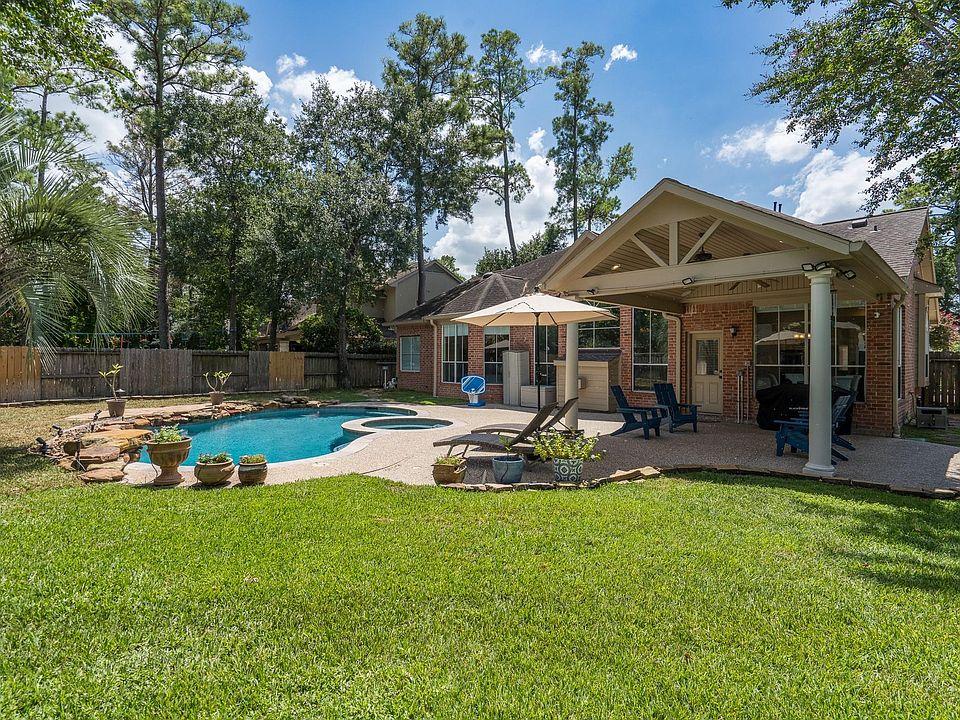
The Pool Still Works—But Buyers Are Looking at What Might Need Replacing Next
Your Cypress Pool Is 15 Years Old and Still Works—So What Should You Fix Before Selling?
The seller says:
“There is nothing wrong with the pool.”
The buyer sees:
Older surface.
Original pump.
A heater with some age.
Faded decking.
A few cracked tiles.
And starts calculating.
Resurface?
New equipment?
Deck repair?
Heater replacement?
Possible leak?
Suddenly a backyard the seller considers a major advantage becomes:
A future-expense worksheet.
This does not mean an older pool is a liability.
Far from it.
A clean, functional, well-maintained pool can be one of the strongest features of a Cypress home.
But sellers need to understand an important difference:
Working and new are not the same thing.
Your job is not to make a 15-year-old pool look brand new.
It is to make buyers feel that its condition is understood, its maintenance has been responsible, and there are no obvious unanswered questions waiting beneath the water.
Start With the Pool's Actual History
Before deciding what to repair, create a timeline.
Find:
Original construction date.
Resurfacing date.
Pump replacements.
Filter replacement.
Heater replacement.
Automation updates.
Light replacements.
Leak repairs.
Deck work.
Plumbing repairs.
Do not rely on memory if documentation exists.
Separate the Pool From the Equipment
Buyers sometimes hear:
“15-year-old pool.”
and assume every component is 15 years old.
That may not be true.
The shell may date to 2011.
Pump replaced in 2021.
Heater replaced in 2023.
Automation upgraded in 2024.
That is a very different ownership picture.
Create a Pool Improvement Timeline
For example:
2011 — pool constructed.
2019 — resurfaced.
2022 — pump replaced.
2024 — heater serviced.
2026 — professional cleaning and inspection.
Use only the property's actual history.
Do Not Guess About Remaining Life
Avoid:
“The surface has at least another 10 years.”
or:
“That pump will run forever.”
Mechanical equipment and pool finishes do not come with seller guarantees.
Describe:
Age.
Current function.
Maintenance.
Start With Water Quality
Before buyers see anything else, they see:
The water.
It should be:
Clear.
Clean.
Properly maintained.
Free of debris.
A cloudy pool immediately makes buyers wonder what else has been neglected.
Do Not Over-Chemicalize Right Before a Showing
The goal is a properly maintained pool.
Not an overwhelming chemical smell.
Follow appropriate pool-maintenance practices.
Look Closely at the Surface
Older plaster or other finishes may show:
Discoloration.
Staining.
Rough areas.
Wear.
If you are uncertain whether something is:
Cosmetic.
Maintenance-related.
Evidence of a larger problem.
get appropriate professional evaluation.
Do Not Call Every Surface Mark “Just Cosmetic”
Unless you know.
Buyers may ask their pool inspector anyway.
It is better to understand the condition before listing.
Resurfacing Before Selling Is Not Automatically Necessary
Pool resurfacing can be expensive.
Before doing it solely for resale, consider:
Current condition.
Buyer expectations.
Home price.
Competing pool homes.
Cost.
Likely market impact.
Sometimes a clean, functional older surface is perfectly marketable.
But Severe Deterioration Changes the Conversation
If the surface is:
Failing.
Extremely rough.
Significantly damaged.
the buyer may see a near-term project.
Ignoring it does not make the concern disappear.
Tile Can Create a Strong First Impression
Check:
Missing tiles.
Cracked tiles.
Heavy buildup.
Loose pieces.
Minor tile maintenance may have a disproportionately positive visual impact.
Coping Matters Too
Walk the perimeter.
Look for:
Loose pieces.
Cracks.
Visible deterioration.
Again, distinguish between:
Normal aging.
Known repair needs.
Do not diagnose structural issues yourself.
Decking Can Make the Entire Pool Look Older
The pool may be beautiful.
But surrounding concrete or pavers are:
Stained.
Cracked.
Faded.
Weedy.
Now the entire backyard feels tired.
Clean the deck appropriately.
Address obvious trip hazards or maintenance issues.
Do Not Hide Cracks With Outdoor Rugs
A rug used for staging is fine.
A rug deliberately placed over known damage is not a sound strategy.
Buyers and inspectors will look.
Equipment Areas Need Their Own Cleanup
The equipment pad often becomes:
Storage.
Old chemical-container area.
Garden-tool corner.
Clean it.
Buyers should see:
Pump.
Filter.
Heater.
Plumbing.
Controls.
without climbing over clutter.
Know the Pump Age
If replaced:
Find the invoice.
A newer pump can be a meaningful maintenance detail.
Variable-Speed Equipment Can Be Worth Documenting
If the system includes a variable-speed pump:
Know the model.
Do not make unsupported promises about exact future energy savings.
Filters Need Documentation Too
Know whether the system uses:
Cartridge.
DE.
Sand.
or another configuration.
You do not need to teach the buyer pool maintenance.
But having equipment information ready demonstrates responsible ownership.
The Heater Is Often a Buyer Question
Especially when the pool includes:
Spa.
Attached hot tub.
Heated swimming.
Test the heater before listing if appropriate.
If it does not work:
Decide whether to:
Repair.
Replace.
Disclose and price accordingly.
Do not advertise a heated pool if the installed heater is nonfunctional.
Spa Functionality Matters
If the property has an attached spa, buyers may expect:
Jets.
Heat.
Blower where applicable.
Spillover.
Controls.
to function.
Test what is installed.
Automation Can Make an Older Pool Feel Easier to Own
If buyers can control:
Pump.
Lights.
Spa.
Heater.
Water features.
through modern automation:
Highlight it.
But make sure:
App access.
Controller.
Account transfer.
can be handled properly.
Do Not Give Buyers Your Personal Login
Follow the equipment manufacturer's account-transfer process.
Pool Lights Are Cheap to Notice and Expensive to Ignore
One dead pool light during a twilight showing immediately becomes:
“What's wrong with that?”
Test lighting before photography.
Water Features Need to Run
If advertised:
Waterfall.
Bubblers.
Fountains.
Deck jets.
should be functional.
A non-working feature creates questions.
Leak Concerns Should Be Evaluated
If you are regularly adding unusual amounts of water:
Do not automatically blame:
Texas heat.
Evaporation varies, but persistent water loss may deserve professional evaluation.
Do Not Guarantee “No Leaks”
Unless you have a reasonable professional basis—and even then, describe the evaluation rather than guaranteeing future conditions.
Pool Plumbing Can Be Hard for Buyers to Understand
Labeling valves where appropriate or maintaining a simple equipment guide may help the next owner.
A complicated equipment pad feels less intimidating when it is organized.
Service Records Can Reduce Uncertainty
If a pool company maintains the property:
Keep recent records.
Buyers may appreciate knowing:
Who services it.
How frequently.
What major work was completed.
Do not guarantee the vendor's future pricing or availability.
Historical Pool Costs Can Be Shared Carefully
Buyer asks:
“What does this cost every month?”
You can provide historical:
Service.
Utility.
Chemical.
expenses if you choose.
But buyer use patterns may differ.
Do not promise future ownership cost.
Mature Landscaping Can Be an Advantage
An older Cypress pool may have something a new pool does not:
Established landscaping.
Trees.
Privacy.
Mature shrubs.
That can create a finished backyard environment.
But Trees Can Create Maintenance Too
Leaves.
Roots.
Shade.
Debris.
Do not pretend mature landscaping has no maintenance.
Present the actual trade-off.
Show the Remaining Yard
If there is:
Grass.
Dog area.
Play space.
Garden.
show it.
Buyers with children or pets may want to know the pool did not consume the entire backyard.
If the Pool Uses Most of the Yard, Show That Honestly
The right buyer may prefer:
Large patio.
Pool.
Minimal lawn.
Accurate photography finds the right buyer faster than deceptive angles.
Pool Safety Features Need Accurate Language
If present, describe:
Fence.
Gate.
Alarm.
Cover.
But avoid absolute statements such as:
“Completely child-safe.”
Buyers should evaluate the property for their own needs and applicable requirements.
Insurance Questions Belong With the Buyer’s Carrier
Do not promise:
No premium increase.
Specific coverage.
Easy insurability.
Encourage the buyer to obtain a property-specific quote.
Pre-Listing Pool Inspection May Be Useful
Particularly when:
Pool is older.
Seller lacks maintenance history.
Equipment has multiple ages.
There are visible concerns.
You want fewer surprises.
It can help you understand what the buyer's inspector may notice.
But an Inspection Is Not a Guarantee
A professional evaluation describes conditions at a point in time.
Mechanical equipment can still change later.
Should You Replace Old Equipment Before Listing?
Not simply because it is old.
Ask:
Does it work?
Is it leaking?
Is it noisy?
Has a professional identified a problem?
What does replacement cost?
Will replacement materially improve buyer confidence?
Sometimes Documentation Beats Replacement
A functioning 10-year-old component with:
Service history.
Current inspection.
Clear operation.
may be acceptable to buyers.
Replacing everything simply to say:
“New equipment!”
may not produce a dollar-for-dollar return.
Pricing Needs to Recognize Condition
Your pool may still add meaningful appeal.
But if comparable Cypress pool homes have:
Recently resurfaced pools.
New equipment.
Updated decking.
and yours needs several projects:
The market may reflect that difference.
Do Not Add Original Pool Cost to the Price
The seller spent:
$80,000.
That does not automatically mean:
Home value + $80,000.
Buyers evaluate the complete property.
Use the “Working or Aging?” Test
Both can be true.
Be transparent about both.
Use the “Would a Buyer Notice This Immediately?” Test
Cloudy water?
Cracked decking?
Broken light?
Fix the presentation.
Use the “Can We Document It?” Test
Pump?
Heater?
Surface?
Service?
Find the records.
Use the “Repair or Price Around It?” Test
Run the numbers before spending.
Cypress Older-Pool Seller Scorecard
Before listing, evaluate:
Water
Clear and maintained?
Surface
Condition understood?
Tile
Maintained?
Coping
Condition reviewed?
Deck
Clean and safe?
Pump
Age known?
Filter
Type and condition known?
Heater
Functional?
Spa
Functional?
Automation
Working?
Lights
Working?
Water Features
Working?
Leaks
Known concerns evaluated?
Equipment Area
Clean?
Service Records
Organized?
Landscaping
Maintained?
Remaining Yard
Clearly shown?
Pricing
Reflects actual pool condition?
Final Thoughts
An older pool does not need to become a weakness when selling a Cypress home.
What makes buyers nervous is not simply:
Age.
It is:
Uncertainty.
Nobody knows when the pump was replaced.
Nobody knows whether the heater works.
Nobody remembers when the pool was resurfaced.
The equipment area is cluttered.
The water is cloudy.
One light is out.
The seller keeps saying:
“It's all fine.”
Replace that uncertainty with information.
Create the maintenance timeline.
Test the equipment.
Clean the pool.
Address obvious repairs.
Organize service records.
Evaluate questionable conditions professionally when appropriate.
Then decide strategically which larger improvements are worth completing before listing.
You do not have to turn a mature Cypress pool into a brand-new pool.
You need to show buyers:
This pool has been used, maintained, understood, and cared for.
Because a buyer may actually prefer an established backyard where:
The pool is already built.
The landscaping has matured.
The patio is complete.
The equipment history is documented.
And they can enjoy everything immediately.
The goal is not:
“Make the pool look new.”
It is:
“Make the pool look responsibly owned.”
That distinction can completely change how buyers perceive an older backyard.
Frequently Asked Questions
Should I resurface my Cypress pool before selling?
Not automatically. Consider the existing surface condition, cost, competing pool homes, price range, and likely buyer response before making a major investment.
Does an older pool lower my home's value?
Not necessarily. Condition, equipment, maintenance history, backyard design, comparable sales, and buyer demand all influence how the pool affects value.
Should I replace an old pool pump if it still works?
Age alone does not automatically require replacement. Evaluate its condition, service history, performance, and the likely return on replacement.
Should I get a pool inspection before listing?
It may be useful for an older pool, particularly if maintenance history is incomplete or you want to identify issues before buyer inspections.
Should I repair cracked pool decking?
Visible deterioration can affect presentation and may create buyer concerns. Determine whether the issue is cosmetic, maintenance-related, or requires professional evaluation before deciding how to address it.
Can I tell buyers how much the pool costs each month?
You can share historical costs if available, but avoid guaranteeing future expenses because usage, utility rates, maintenance, and service arrangements can change.
Should I provide pool service records?
Yes. Major repair, resurfacing, equipment replacement, and recent maintenance records can help buyers understand the pool's history.
Does mature landscaping help an older pool?
It can. Established landscaping may create privacy and a finished outdoor environment, although buyers may also consider its maintenance requirements.
Should I replace all the pool equipment before selling?
Usually not solely because of age. Focus on actual condition, known problems, buyer expectations, and whether replacement is likely to improve the transaction enough to justify the cost.
What's the biggest takeaway?
When selling a Cypress home with an older pool, do not try to disguise its age—reduce the buyer's uncertainty about its condition. Clean it, test it, document it, repair what makes strategic sense, and let the complete backyard experience become the selling feature.