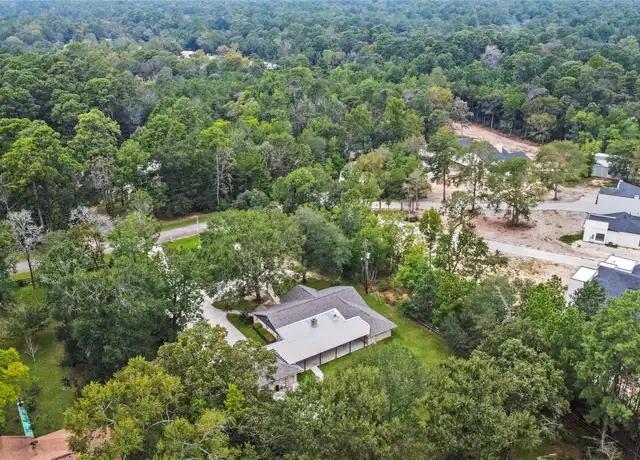
The Trees May Be One of Your Home’s Best Features—If Buyers See Them That Way
How Do You Sell a Woodlands Home When the Trees Are Both the Attraction and the Question Mark?
The buyer turns onto the street.
Immediately, they understand why people talk about The Woodlands differently.
Trees overhead.
Established landscaping.
Homes tucked into the environment instead of sitting on completely exposed lots.
They pull into your driveway and think:
“This is exactly what we wanted.”
Then they start looking more closely.
That huge tree near the house?
Could the roots affect the foundation?
Those branches over the roof?
How often do they need trimming?
Does the yard stay too shaded?
What happens during storms?
Will leaves constantly fill the gutters?
Could insurance be harder because of the trees?
Suddenly, one of the property’s greatest emotional assets creates practical questions.
That does not mean sellers should remove the trees or downplay them.
Quite the opposite.
Mature trees can be one of the most difficult features for another property to reproduce.
But sellers should make sure the trees communicate:
Established beauty, shade, privacy, and responsible maintenance.
Not:
Future expense and uncertainty.
Start by Looking at the Trees Like a Buyer
You have lived with them for years.
You know:
Which one drops leaves first.
Which gives the patio afternoon shade.
Which branches were trimmed last year.
The buyer knows none of that.
They simply see:
Large tree.
Close to house.
Another tree.
Branches overhead.
Their imagination fills in the unknowns.
Before listing, walk the property and ask:
Which trees look beautiful?
Which look neglected?
Which may raise an obvious question?
Mature Trees Should Look Intentional
A wooded property should not look abandoned.
There is a difference between:
Natural.
And:
Overgrown.
Before photography, evaluate:
Dead branches.
Low limbs.
Overgrown shrubs.
Tree suckers.
Heavy vines.
Broken limbs.
Debris.
The home should still be visible.
Do Not Let Landscaping Hide the House
Some Woodlands properties become so surrounded by vegetation that buyers cannot see:
Architecture.
Windows.
Front entry.
Roofline.
That can make a beautiful property look smaller and darker online.
Selective trimming can reveal the home while preserving the wooded character.
The Goal Is Not to Make a Wooded Lot Look Suburban and Bare
Over-trimming can remove the very quality buyers value.
You do not need to turn:
Shade trees.
Natural areas.
Established landscaping.
into an open builder lot.
The goal is balance.
Consider Professional Tree Evaluation When There Are Obvious Concerns
If you have:
Large dead limbs.
Visible decay.
Storm damage.
Trees leaning unusually.
Major trunk cavities.
Questions about tree health.
an arborist or other qualified tree professional may help assess the condition.
This can be especially useful when a tree is close to:
Home.
Driveway.
Pool.
Fence.
Do Not Diagnose Tree Health Yourself
Seller says:
“That oak is perfectly healthy.”
How do you know?
Green leaves do not necessarily tell the complete story.
Likewise, an unusual-looking tree is not automatically dangerous.
When condition matters, rely on appropriate expertise.
Documentation Can Turn Tree Work Into a Selling Strength
If you recently completed:
Professional trimming.
Deadwood removal.
Tree evaluation.
Storm cleanup.
keep:
Invoice.
Date.
Contractor information.
That can help show buyers the landscape has been actively maintained.
“Trees Trimmed Recently” Is Better With a Date
Use:
“Professional tree trimming completed in March 2026.”
when accurate.
That is more useful than:
“Trees maintained regularly.”
Specific information builds confidence.
The Shade Is Part of the Lifestyle
Mature canopy can make:
Front porch.
Backyard.
Patio.
Walking environment.
feel very different from a newer, more exposed community.
Show that visually.
A buyer should be able to imagine:
Morning coffee.
Outdoor dining.
Summer afternoons.
under established shade.
Photograph Shade Without Making the Home Look Dark
This requires good photography.
A heavily shaded lot can produce exterior photos that look:
Gray.
Dim.
Closed in.
Schedule photography when natural light best shows:
Home.
Trees.
Landscape.
Professional exposure matters.
Interior Light Needs Attention Too
Large trees near windows may reduce direct sunlight.
That can be:
Comfortable.
Private.
Beautiful.
But poorly prepared rooms may look dark.
Before photography:
Clean windows.
Open blinds.
Remove heavy curtains where appropriate.
Turn on appropriate lighting.
Use lighter staging.
Clean Windows Are Especially Important on Wooded Lots
You are selling the connection between:
Inside.
Outside.
Dirty glass weakens:
Natural light.
Green views.
Overall presentation.
If the family room looks into mature trees, that view should be clear.
Show Tree Views From Inside
Maybe the strongest experience is not standing under the trees.
It is looking at them from:
Kitchen.
Breakfast room.
Primary bedroom.
Study.
Family room.
Photograph those views.
The mature setting becomes part of everyday interior life.
Privacy Can Be a Major Tree Benefit
Trees and landscaping may create:
Visual separation.
Rear-yard screening.
Less direct neighbor exposure.
A more enclosed outdoor environment.
If privacy is a real property advantage, show what physically creates it.
Do Not Overstate Privacy
A wooded yard may still have:
Neighboring homes.
Second-story windows.
Road exposure.
Use factual language such as:
“Mature landscaping provides substantial natural screening.”
when accurate.
Avoid:
“Complete privacy.”
unless that is genuinely supportable.
Tree Canopy Can Make a Smaller Lot Feel More Private
Lot size is only one part of outdoor experience.
A moderate-sized lot with:
Established trees.
Layered landscaping.
No direct sightline.
may feel more private than a larger open lot.
Market the actual experience.
Mature Trees Can Also Make a Large Lot Feel Smaller
Heavy vegetation can visually close the yard.
If you have substantial usable space:
Show it.
Trim enough vegetation that buyers can understand:
Lawn.
Pool area.
Play space.
Patio.
Property depth.
Photograph the Yard From Multiple Useful Angles
Do not use six pictures of tree trunks.
Show:
Patio toward yard.
Yard back toward house.
Lawn.
Pool if present.
Natural screening.
Tree canopy.
Each photograph should explain something different.
Aerial Photography Can Be Valuable
Professional drone photography, where appropriate, can help communicate:
Tree coverage.
Lot boundaries visually.
Neighbor spacing.
Greenbelt relationship.
Street character.
Surrounding canopy.
But use it carefully.
A Drone Photo Should Not Make Buyers Wonder Where the House Is
If all they see is:
Trees.
Trees.
More trees.
Tiny roof.
the image may not communicate value.
Aerial photography should explain the wooded setting while keeping the property identifiable.
Do Not Imply Trees Outside the Lot Belong to the Property
This is especially important near:
Greenbelts.
Reserves.
Common areas.
Undeveloped land.
A dramatic wooded backdrop may include land the seller does not own.
Do not imply otherwise.
Verify Greenbelt Claims
If the property backs to:
Greenbelt.
Reserve.
Open space.
verify the designation before using it in marketing.
A wooded parcel behind the home is not automatically permanent green space.
Mature Trees Near the Roof Will Get Attention
A buyer may look up and see:
Branches.
Leaves.
Roof.
They may immediately wonder about:
Damage.
Gutters.
Moss or organic growth.
Storm exposure.
This is normal.
Prepare the roof area.
Trim Branches When Appropriate
Branches contacting:
Roof.
Siding.
Windows.
may create maintenance concerns.
Have appropriate professionals assess and trim where needed.
Do not indiscriminately cut large branches without considering tree health.
Roof Condition Matters More Than the Leaves
If the roof is:
Recent.
Well maintained.
document it.
Buyers may feel much more comfortable about mature trees when they know the roof itself is in good condition.
Have the Roof Year Ready
Do not answer:
“It’s newer.”
Say:
“Roof replaced in 2022.”
when accurate.
A buyer comparing an established Woodlands home with a newer property will appreciate specific major-system information.
Roof Inspection May Be Worth Considering
If:
Roof is older.
Branches have contacted it.
Storms caused prior damage.
Leaks have occurred.
you may benefit from professional roof information before listing.
Not every home requires a pre-listing roof inspection.
Use property-specific judgment.
Do Not Say Trees “Protect the Roof”
They may provide shade.
They may also drop:
Leaves.
Branches.
Debris.
Avoid broad claims about extending roof life unless appropriately supported.
Gutters Should Be Clean
This is one of the easiest preparation items.
Tree-filled lot plus overflowing gutters immediately tells buyers:
Maintenance.
Before showings and inspection:
Clean gutters.
Check downspouts.
Remove visible debris.
Gutter Guards Can Be Worth Mentioning If Present
If professionally installed and functioning, they may be a practical feature.
But avoid:
“Never clean gutters again.”
No system eliminates all possible maintenance.
Drainage and Trees Can Interact
Large established lots may contain:
Natural grades.
Roots.
Landscape beds.
French drains.
Swales.
The buyer may notice water-management features.
Know why they exist.
Do Not Blame Every Drainage Issue on Trees
Standing water could involve:
Grade.
Soil.
Irrigation.
Downspouts.
Drain systems.
Do not diagnose without appropriate expertise.
Roots Near the Foundation Can Make Buyers Nervous
This is one of the most common visual concerns.
A large tree is close to the house.
Buyer thinks:
“Foundation problem.”
Do not respond with:
“Tree roots cannot hurt foundations.”
That is too broad.
And do not say:
“That tree is definitely damaging the foundation.”
without evidence.
If a specific concern exists, appropriate professionals can evaluate it.
Foundation Condition Should Be Addressed Separately
If you have:
Prior foundation work.
Engineer reports.
Warranty.
Repairs.
organize those documents.
Do not let speculation about trees replace factual property information.
Previous Foundation Repair Is Not Automatically a Negative
In Texas, buyers may encounter homes with documented foundation work.
What matters is understanding:
What happened.
Who evaluated it.
What was repaired.
Whether warranties exist.
Follow applicable disclosure requirements.
Do Not Remove a Healthy Mature Tree Because of an Assumption
A seller may panic:
“Buyers will worry about the foundation, so take it out.”
Tree removal can:
Change curb appeal.
Reduce shade.
Reduce privacy.
Damage landscaping.
Cost significantly.
First determine whether there is an actual reason.
Tree Removal Can Also Create Its Own Questions
Buyer sees:
Large fresh stump.
Asks:
Why was the tree removed?
Was it diseased?
Did roots damage something?
Was there storm damage?
If significant removal happened recently, be prepared to explain it factually.
Stump Grinding Can Improve Presentation
If a tree has legitimately been removed, a large stump in the middle of the yard may:
Reduce usable space.
Create visual clutter.
Raise maintenance questions.
Consider whether professional stump removal or grinding makes sense.
Watch for Surface Roots in Walkways
Mature roots can sometimes affect:
Sidewalks.
Patios.
Driveways.
Landscape edging.
If there is:
Major lifting.
Trip hazard.
Cracking.
get the appropriate professional opinion.
Do not disguise it with mulch.
Driveway Condition Matters
A beautiful tree-lined property can lose some polish if the driveway has:
Severe lifting.
Large cracks.
Uneven panels.
Assess whether repair is warranted.
Again, cause should not be assumed without proper evaluation.
Pool Homes Need Extra Tree Preparation
Pool plus mature trees can be beautiful.
Shade.
Privacy.
Resort-like atmosphere.
But buyers may immediately think:
“Leaves in the pool.”
Make the pool immaculate.
Remove Leaves Before Every Showing
Not only photography day.
A pool filled with leaves tells buyers:
This happens constantly.
Even if a storm caused the debris an hour earlier.
If the pool is a major feature, keep it ready.
Pool Equipment Should Be Documented
A mature setting may cause buyers to focus heavily on outdoor maintenance.
Recent:
Pump.
Filter.
Heater.
Automation.
Surface.
can help show that the outdoor environment is well maintained.
Pool Screens or Enclosures Should Be Described Accurately
If present.
Do not imply all wooded pool homes need them.
Simply show the property’s actual setup.
Tree Shade Around a Pool Can Be an Advantage
Texas sun can be intense.
A backyard offering both:
Sunny swimming area.
Shaded seating.
may provide a particularly comfortable outdoor setup.
Photograph that relationship.
But Heavy Shade Can Affect Buyer Preferences
Some buyers want full sun.
Others prioritize shade.
You do not need to convince everybody.
Market the actual environment.
Outdoor Lighting Can Help Wooded Lots
At dusk, a heavily landscaped property can become:
Dark.
Hard to navigate.
Strategic existing landscape and pathway lighting may improve:
Safety.
Atmosphere.
Outdoor usability.
Make sure systems work.
Do Not Install Excessive Lighting That Destroys the Natural Feel
The goal is:
Warm.
Functional.
Integrated.
Not turning the yard into a stadium.
Pathways Should Be Clear
Tree roots.
Leaves.
Branches.
Mulch.
can create uneven walking areas.
Walk the paths as if you were a buyer.
Address obvious:
Trip hazards.
Blocked steps.
Broken lighting.
Tree Debris Should Be Managed Throughout the Listing
The front yard looks perfect Monday.
Wind blows Tuesday.
Branches and leaves everywhere Wednesday.
A wooded property requires more frequent exterior checks while marketed.
That is part of presenting the feature well.
Storm Season Can Heighten Buyer Questions
Buyers may ask:
Have trees fallen?
Any roof damage?
Any prior storm claims?
What tree work has been completed?
Answer with:
Known facts.
Records.
Disclosure.
Do not promise the property is protected from future storms.
Never Say “These Trees Have Survived Every Storm, So They’re Safe”
Past survival does not guarantee future performance.
Tree health and weather conditions can change.
Use professional evaluations when appropriate.
Prior Storm Damage Should Be Documented
If a tree fell and:
Roof was repaired.
Fence replaced.
Pool damaged.
provide available information.
Completed repairs with documentation are much easier for buyers to understand than vague history.
Insurance Questions May Come Up
Buyers may wonder whether:
Large trees.
Wooded lot.
Roof exposure.
affect insurance.
Do not tell them:
“Trees don’t affect insurance.”
or:
“Insurance will be expensive.”
Their carrier will evaluate the property.
Provide accurate property and roof information.
Your Current Insurance Premium Does Not Predict Theirs
Different:
Carrier.
Coverage.
Deductible.
Buyer.
Underwriting environment.
means different pricing.
The seller can provide historical information where appropriate, but not a future quote.
Tree Maintenance Cost Can Be Discussed Carefully
If you have used a professional tree company, a buyer may ask:
How often?
What did it cost?
Historical invoices can provide context.
But tree work varies based on:
Scope.
Tree size.
Equipment access.
Storms.
Market pricing.
Do not promise a standard annual amount.
A Tree-Service Contact Can Help
If you have a company familiar with the property, providing the contact can make future maintenance feel easier.
Do not guarantee their future:
Availability.
Pricing.
Quality.
It is simply a useful transition resource.
HOA or Community Rules May Affect Tree Removal
In some communities, exterior or landscape modifications can be regulated.
Before telling a buyer:
“You can remove that tree if you don’t like it,”
verify applicable:
Association guidelines.
Local requirements.
Property restrictions.
Do Not Promise Future Tree Removal
Even if:
Tree is physically on the lot.
additional rules or practical considerations may apply.
Let the buyer perform due diligence.
Boundary Trees Can Be Complicated
A tree near a property line may have:
Trunk on one lot.
Roots and canopy crossing another.
Do not give buyers legal advice about:
Removal.
Trimming rights.
Responsibility.
If a boundary issue matters, legal or professional guidance may be appropriate.
Neighbor Trees Still Affect Your Property
A large tree may technically belong to the neighbor while:
Branches extend over the roof.
Leaves fall in the pool.
Buyer may ask about it.
Describe the physical condition.
Do not claim ownership or removal rights you do not have.
Buyers May Ask About Wildlife
Wooded settings can mean more:
Birds.
Squirrels.
Deer in some locations.
Other wildlife.
Do not turn this into a guarantee about what animals buyers will see.
If wildlife has been part of your experience, keep marketing factual and tasteful.
Avoid Pest Guarantees
Trees can sometimes be associated in buyers’ minds with:
Termites.
Rodents.
Insects.
Do not say:
“We never have pests.”
unless you are carefully describing your own historical experience.
If you maintain pest-control service, documentation can help.
Termite Treatment History Can Be Useful
If the home has:
Preventive treatment.
Past treatment.
Warranty.
inspection.
provide appropriate records.
Especially in established properties.
Tree Canopy Should Not Hide Exterior Maintenance
Walk around the house.
Look at:
Siding.
Brick.
Paint.
Fascia.
Soffit.
Roofline.
A wooded environment can sometimes hide deferred exterior work.
Buyers and inspectors will eventually find it.
Clean Organic Staining Where Appropriate
Shaded exterior surfaces can develop:
Algae.
Mildew-like staining.
Dirt.
Use appropriate cleaning methods.
Do not damage:
Paint.
Roof.
Masonry.
Pressure washing is not suitable for every surface.
Roof Staining Should Be Evaluated Correctly
Do not simply pressure wash a roof.
If roof appearance raises concerns, consult appropriate roofing professionals about safe cleaning and condition.
The Front Entry Should Feel Bright
A deeply shaded entry can feel:
Dark.
Unwelcoming.
Improve:
Porch lighting.
Door cleanliness.
Glass.
Landscaping.
House numbers where appropriate.
Create a warm arrival.
Remove Dead Plants From Heavily Shaded Beds
Some landscaping may struggle because of:
Limited sunlight.
Root competition.
Choose presentation appropriate to the site.
A beautiful wooded lot does not need flower beds everywhere.
Natural Landscaping Can Be a Strength
A property can use:
Native-looking plantings.
Mulched natural areas.
Shade-tolerant landscaping.
without appearing overly manicured.
This may fit The Woodlands character particularly well.
Do Not Create High-Maintenance Landscaping Right Before Selling
Installing dozens of:
Annuals.
Delicate plants.
new beds
can create temporary color.
But buyers may see another maintenance commitment.
Improve curb appeal strategically.
The Home Should Still Be the Hero
The trees frame the property.
They do not replace it.
Your marketing should balance:
Architecture.
Condition.
Interior.
Lot.
Trees.
If every image is foliage, buyers may wonder about the house itself.
Mature Trees Can Help an Older Home Compete With Newer Construction
A newer property may offer:
Current finishes.
New systems.
But it cannot instantly create:
Thirty-year tree canopy.
Mature shade.
Established privacy.
That can be a meaningful resale advantage.
But Buyers Will Compare Maintenance
The newer home may offer:
Young trees.
Less trimming.
Simpler landscaping.
Your established home may offer:
Shade.
Character.
Privacy.
The buyer decides which trade-off they prefer.
Price and condition need to make your package compelling.
Do Not Price Based on Trees Alone
Seller says:
“Our trees are worth at least $50,000.”
Maybe the setting contributes meaningful value.
But there is rarely a simple tree-by-tree resale formula.
Market value considers:
Lot.
Location.
Home condition.
Privacy.
Overall landscaping.
Comparable sales.
Current competition.
The Setting Can Still Support a Premium
If buyers consistently pay more for:
Wooded lots.
Greenbelt lots.
Private settings.
that market behavior can support value.
Use actual comparable evidence.
Not emotional attachment.
Search for Comparable Lot Experience
When reviewing sales, look beyond:
Square footage.
Bedrooms.
Age.
Ask:
How wooded was the lot?
How private?
Similar tree canopy?
Greenbelt?
Pool?
The lot experience may explain pricing differences.
A Standard-Lot Comparable May Need Context
A similar home on:
Open lot.
Little shade.
Close rear neighbor.
may not provide the same lifestyle.
That does not mean you simply add a predetermined premium.
It means the comparison needs interpretation.
Current Competition Matters
Maybe your home is the only listing in the price range offering:
Mature wooded backyard.
Pool.
Updated interior.
That can strengthen positioning.
Make those combined differences easy to see.
Do Not Hide Tree Maintenance From Premium Pricing
If buyers are being asked to pay more for the wooded setting, the trees should appear:
Healthy.
Maintained.
Intentional.
A premium lot with visibly neglected trees may weaken the story.
Use the “Would We Sit Outside?” Test
Go to the patio at:
Morning.
Afternoon.
Evening.
Does the canopy make the space:
Comfortable?
Dark?
Private?
Beautiful?
Photograph at the time that best communicates the property honestly.
Use the “What Worries Us?” Test
Pretend you are the buyer.
Look at every large tree.
What question would you ask?
Roof?
Roots?
Health?
Neighbor ownership?
Prepare factual answers where possible.
Use the “Can We See the House?” Test
Stand across the street.
Can you clearly see:
Entry.
Windows.
Architecture.
If not, consider selective landscaping work.
Use the “What Happens After a Storm?” Test
Not to predict damage.
Ask:
Are there obvious loose limbs?
Are gutters clear?
Is drainage functioning?
Is debris management under control?
Prepare the property.
Use the “What Has Been Maintained?” Test
List:
Tree trimming.
Roof.
Gutters.
Drainage.
Pool.
Landscaping.
A buyer may feel much more comfortable when the wooded setting comes with a clear maintenance story.
Use the “What Can’t New Construction Recreate?” Test
Maybe:
Shade.
Canopy.
Privacy.
Established landscaping.
Street character.
Those are your permanent advantages.
Make them central to the marketing.
Create a Woodlands Mature-Tree Seller Scorecard
Before listing, evaluate:
Tree Condition
Any obvious dead, damaged, or concerning trees?
Professional Care
Recent arborist or trimming records?
Roof Contact
Branches touching or overhanging areas that need attention?
Roof
Age and condition documented?
Gutters
Clean and functional?
Foundation
Any known history or documentation buyers may ask about?
Walkways
Roots creating trip hazards or lifting?
Driveway
Condition acceptable?
Drainage
Does the yard handle runoff appropriately?
Pool
If present, is leaf management under control?
Privacy
Do the trees create a clear lifestyle benefit?
Landscaping
Natural but maintained?
Interior Light
Are rooms bright enough despite the canopy?
Photography
Does the home remain visible while showing the wooded setting?
Greenbelt Claims
Verified?
HOA Rules
Any relevant tree-removal or landscaping requirements?
Insurance Information
Are you avoiding promises about buyer premiums?
Pricing
Does market evidence support the complete lot and setting premium?
Now the trees become part of a deliberate selling strategy.
Final Thoughts
The mature trees around a Woodlands home can create something buyers cannot simply order after closing.
Shade.
Privacy.
Character.
A sense of being surrounded by nature.
A street that feels established.
A backyard that already has depth and maturity.
Those qualities can be incredibly powerful.
But large trees also create reasonable buyer questions.
Roots.
Roof.
Gutters.
Storms.
Maintenance.
Drainage.
Insurance.
The wrong response is:
“Don’t worry about any of that.”
The other wrong response is removing every tree because you are afraid someone might ask.
The better strategy is preparation.
Have visibly concerning trees evaluated when appropriate.
Trim responsibly.
Clear gutters.
Keep the roof information ready.
Address obvious walkway and drainage issues.
Document professional tree work.
Show the shade and privacy beautifully.
And never make promises about tree health, foundation impact, storm performance, insurance, or future removal that you cannot support.
Because buyers looking in The Woodlands often want the trees.
They are part of the experience.
Your job is to make those trees feel like what they should be:
A mature, well-cared-for feature that adds something to the home newer properties may need decades to create.
Frequently Asked Questions
Do mature trees help sell a home in The Woodlands?
They can. Buyers may value shade, privacy, established landscaping, street character, and the natural setting. Their contribution to value depends on the complete property and market evidence.
Should I trim trees before listing?
If branches are dead, overgrown, contacting structures, or creating obvious presentation or safety concerns, professional trimming may be worth considering. Avoid unnecessary aggressive trimming that harms the tree or removes the property's character.
Should I have an arborist inspect my trees before selling?
Not every property requires it. An evaluation may be useful when large trees show visible damage, decay, unusual leaning, storm damage, or other significant concerns.
Can mature tree roots damage a home’s foundation?
Root and foundation interactions can be complex and property-specific. Sellers should avoid making broad claims either way. If a specific concern exists, appropriate tree and structural professionals can evaluate it.
Should I remove a large tree close to the house before selling?
Not automatically. First determine whether there is a legitimate health, safety, structural, or marketability concern. A healthy mature tree may be an important property asset.
Will mature trees make the buyer’s insurance more expensive?
Possibly or possibly not. Insurance is property- and buyer-specific. Sellers should provide accurate roof and property information and encourage buyers to obtain their own current quotes.
Should I advertise my home as backing to a greenbelt if there are woods behind it?
Only after verifying the actual land designation. Undeveloped or wooded land is not automatically permanent green space.
How can I keep a tree-heavy property from looking dark in listing photos?
Use professional photography, clean windows, open appropriate window coverings, improve interior lighting, trim landscaping strategically, and choose a time of day that balances shade with natural light.
Can a wooded lot justify a higher asking price?
It may support a premium when comparable market evidence shows buyers value the setting. Lot privacy, tree canopy, greenbelt relationships, overall condition, and current competition should all be considered.
What's the biggest takeaway?
When selling a home with mature trees in The Woodlands, do not treat the trees as decoration alone. Maintain them, document meaningful tree work, prepare for buyer questions about roofs, roots, drainage, storms, and insurance, and use photography to show why the established canopy is one of the home's hardest features to reproduce.