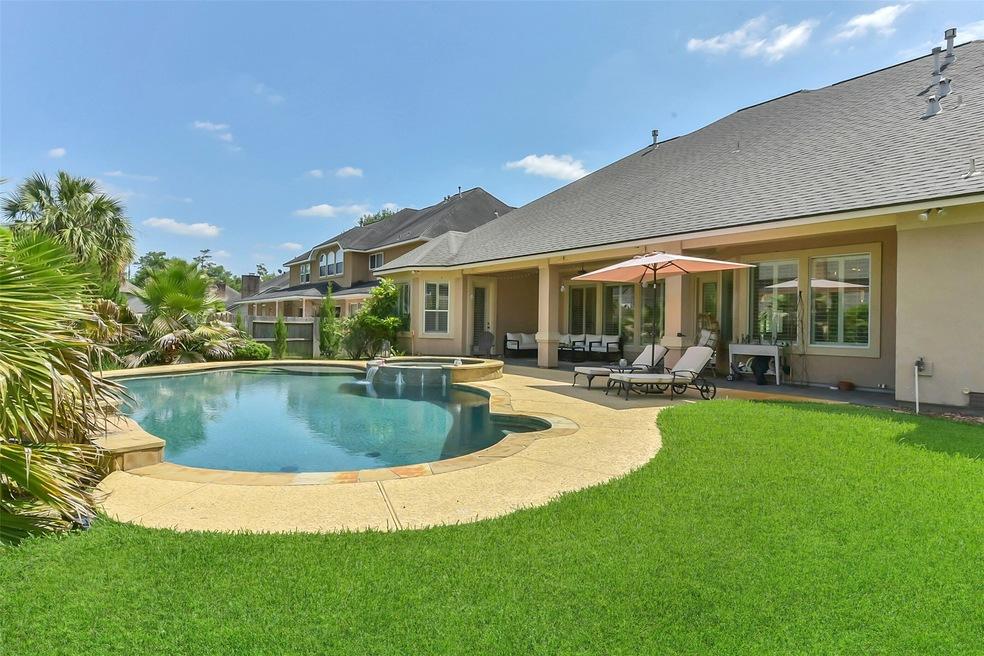
Buyers Love the Pool—Until They Start Adding Up the Maintenance.
How Do You Sell a Spring Home With a Pool Without Letting Buyers Turn It Into a List of Future Expenses?
The buyer opens the back door.
There it is.
Pool.
Patio.
Maybe a spa.
Maybe an outdoor kitchen.
They smile.
Then the questions start.
How old is the pool?
When was it resurfaced?
How old is the pump?
Does the heater work?
Saltwater or chlorine?
How much does it cost to maintain?
Does insurance cost more?
When will the equipment need replacement?
Suddenly, the feature that made them excited becomes a maintenance calculation.
That does not mean the pool is hurting the sale.
It means buyers want to understand what they are taking over.
The strongest seller strategy is not:
“Pools are amazing—don’t worry about it.”
It is:
“Here is what the pool has, what has been maintained, what has been updated, and what condition it is in today.”
Start With a Pool Equipment Inventory
Before listing, document:
Pump.
Filter.
Heater.
Automation.
Cleaner.
Salt system if applicable.
Spa equipment.
Water features.
Lighting.
Know:
Approximate age.
Replacement dates.
Recent service.
A buyer should not have to discover all of this during inspection.
“Pool Updated” Is Too Vague
If you replaced the pump:
Say that.
If the pool was resurfaced:
Say that.
If only the lights were updated:
Do not market:
“Completely renovated pool.”
Specific information is more credible.
Create a Simple Pool Timeline
For example:
2018 — pool installed.
2022 — heater replaced.
2024 — pump replaced.
2025 — resurfaced.
2026 — automation serviced.
Use actual dates.
This helps buyers understand that pool components do not necessarily age at the same time.
The Water Needs to Look Perfect
Before photography and showings:
Clear.
Clean.
Properly maintained.
No leaves.
No algae.
No cloudy water.
A pool that looks neglected immediately becomes:
“How much is this going to cost us?”
Keep Professional Service Going Until Closing
Do not stop pool maintenance because:
You moved out.
The house is under contract.
The closing is approaching.
The pool needs to remain maintained through the transaction.
Clean the Pool Deck
Pressure wash where appropriate.
Remove:
Leaves.
Dirt.
Old planters.
Broken furniture.
Pool toys.
Hoses.
The backyard should feel:
Ready to use.
Pool Equipment Areas Need Cleaning Too
Buyers and inspectors may look behind:
Fence.
Landscape screen.
Equipment wall.
Do not leave:
Old parts.
Chemical containers.
Tools.
Debris.
A clean equipment area suggests responsible maintenance.
Know Whether the Pool Is Saltwater
Do not say:
“It’s a saltwater pool.”
because you remember adding salt once.
Verify whether there is an actual salt-chlorine generation system.
Do Not Sell “Saltwater” as Maintenance-Free
No pool is maintenance-free.
Salt systems still require:
Monitoring.
Cleaning.
Equipment care.
Potential replacement.
Describe the system, not an unrealistic ownership promise.
Pool Pumps Matter More Than Sellers Think
Buyers may ask whether the pump is:
Single-speed.
Variable-speed.
How old?
If a newer variable-speed pump is installed, that can be worth documenting.
Avoid guaranteeing energy savings.
Heaters Can Become a Major Buyer Question
If your pool or spa heater is older:
Know whether it works.
Test it before listing.
A non-functioning heater can quickly become a negotiation point.
Do Not Say “We Never Used It, So It Probably Works”
Test it.
Or have it professionally evaluated where appropriate.
Unknown equipment creates unnecessary risk.
Pool Automation Can Add Convenience
If buyers can control:
Pool.
Spa.
Lights.
Temperature.
Water features.
through an app or panel, that can be attractive.
But make sure it works.
Smart Pool Systems Need Transfer Planning
Know:
App.
Account.
Control panel.
Transfer or reset process.
Do not leave the buyer with:
Equipment but no access.
Pool Lighting Matters for Twilight Photography
Working underwater lights can create beautiful:
Evening photos.
Video.
But they should be functional, not staged only for marketing.
A Spa Needs the Same Documentation
If the property includes an attached spa:
Heater.
Jets.
Controls.
Spillway.
should all work.
Do not treat the spa as decoration.
Pool Surface Condition Is Important
Buyers may notice:
Staining.
Rough areas.
Cracks.
Discoloration.
If the surface is older, know:
Installation or resurfacing date where possible.
Do not predict remaining life.
Resurfacing Can Be a Strong Improvement
If the pool was recently resurfaced:
Document:
Year.
Company.
Finish type where known.
Warranty if transferable.
This can reduce buyer uncertainty.
Tile and Coping Should Look Maintained
Loose tile.
Cracked coping.
Missing grout.
can make a visually attractive pool feel like a larger repair project.
Address obvious defects appropriately before listing.
Deck Cracks Need Common Sense
Some cracking may be cosmetic.
Some may deserve evaluation.
Do not automatically tell buyers:
“That is completely normal.”
if you do not know.
If a concern is meaningful, use an appropriate professional.
Drainage Around the Pool Matters
Check after rain.
Does water:
Pool near the house?
Collect on decking?
Move toward the pool?
If there is a recurring problem, investigate rather than ignoring it.
Do Not Blame Every Wet Area on the Pool
Could be:
Irrigation.
Drainage.
Plumbing.
Rain.
Determine the source.
Outdoor Furniture Should Frame the Pool
Use:
Simple seating.
Dining.
Loungers.
Do not overcrowd.
Buyers should understand:
Pool size.
Walking space.
Patio.
Remaining yard.
Show How Much Yard Remains
This can be critical.
Some buyers love the pool but still want:
Grass.
Garden.
Pet space.
Outdoor play.
If the property has usable lawn beyond the pool, show it clearly.
Do Not Call the Backyard Huge if the Pool Uses Most of It
The space can still be great.
Use accurate language:
“Pool, covered patio, and landscaped backyard create a finished outdoor-living area.”
Covered Patios Can Make a Pool Home More Appealing
Shade.
Outdoor dining.
Seating.
Pool visibility.
can create a complete backyard experience.
Photograph:
Patio + pool together.
Outdoor Kitchens Can Strengthen the Story
If present, make sure:
Grill works.
Sink works.
Refrigerator works.
Counters are clean.
A pool plus broken outdoor kitchen creates two maintenance questions instead of one selling feature.
Fencing Needs Attention
Buyers may ask about:
Pool fencing.
Perimeter fence.
Gates.
Do not guarantee compliance with every buyer’s personal safety preference.
Describe what physically exists.
Gate Latches Should Work
A broken gate near a pool creates a terrible showing impression.
Repair:
Latches.
Hinges.
Locks.
where needed.
Do Not Make Broad Safety Claims
Avoid:
“Completely safe pool.”
No pool is risk-free.
Describe:
Fence.
Gate.
Alarm.
Cover.
Other installed features.
Let buyers evaluate their needs.
Insurance Questions Will Come Up
Buyer may ask:
Does a pool increase insurance?
You should not answer for their insurer.
Provide accurate property features.
Let the buyer obtain a property-specific quote.
Your Current Premium Is Not Their Future Premium
Different:
Carrier.
Coverage.
Deductible.
Buyer profile.
can produce different costs.
Do not promise:
“Insurance is only $X.”
Maintenance Cost Questions Need Context
A buyer asks:
“How much does the pool cost every month?”
You can provide:
Historical pool-service invoices.
Recent electricity history if useful.
But do not guarantee their future cost.
Different owners use:
Different temperatures.
Different service providers.
Different heating schedules.
Do Not Say “Only $100 a Month”
Unless you are very clear that this is:
Historical seller experience.
Not guaranteed buyer cost.
Pool Service Records Can Help
Keep:
Invoices.
Repair records.
Equipment replacements.
Chemical service.
Warranty records.
This makes ownership feel more predictable.
Inspection Will Likely Focus on Pool Condition
A buyer may hire:
General inspector.
Pool specialist.
Do not be surprised.
They are evaluating a significant system.
Make Equipment Accessible
Do not block:
Pump.
Filter.
Heater.
Electrical panel.
with:
Boxes.
Plants.
Furniture.
Inspectors need access.
Do Not Hide Broken Features
Waterfall does not work?
Spa light broken?
Heater disconnected?
Address or disclose appropriately.
Trying to hide a feature that buyers can test creates distrust.
Turn Off Broken Decorative Features Rather Than Pretending They Don’t Exist?
Better approach:
Know why they are not working and determine whether repair makes strategic sense before listing.
A non-functioning built-in feature can become a buyer concern.
One Broken Feature Can Make Buyers Question the Entire Pool
This is buyer psychology.
They see:
Broken light.
Then ask:
What else does not work?
Small repairs can protect confidence.
Pool Condition Can Matter More Than Pool Age
A well-maintained older pool may show beautifully.
A newer pool with:
Neglected chemistry.
Broken equipment.
Dirty decking.
can feel worse.
Do not market age alone.
Newer Pool Equipment Can Help Offset an Older Pool
Maybe the shell is older.
But:
Pump.
Heater.
Automation.
were recently replaced.
That can make future ownership feel more manageable.
Do Not Assume a Pool Automatically Adds Its Construction Cost to Value
You may have spent:
$100,000.
That does not mean:
Home value + $100,000.
Buyer demand, condition, design, lot, and comparable sales determine market contribution.
Pools Can Improve Marketability Without Returning Every Dollar
A pool may:
Differentiate the home.
Attract certain buyers.
Make the backyard memorable.
Support a higher price.
That value may not equal construction cost exactly.
Compare Pool Homes With Pool Homes
When possible, review:
Similar neighborhood.
Similar home.
Similar lot.
Pool versus pool.
This provides more useful pricing context.
Non-Pool Comparables Still Matter
They show:
What the house itself may be worth.
Then you can evaluate whether buyers paid differently for completed outdoor living.
Builder Competition Matters Too
A newer Spring-area home without a pool may compete with your resale.
Your home may offer:
Pool already built.
Landscape established.
Patio complete.
That can matter to a buyer who does not want construction later.
But Do Not Say “New Homes Don’t Come With Pools”
Some do.
Some builders offer them.
Compare current property-specific competition.
A Pool Can Help an Older Home Compete
Updated backyard plus:
Established neighborhood.
Trees.
Large lot.
can create a package that newer homes may not replicate immediately.
But Buyers Still Care About the Main House
Do not let the backyard distract you from:
Roof.
HVAC.
Interior condition.
Flooring.
Kitchen.
The property still needs to compete as a whole.
Listing Photography Should Lead With Emotion, Then Information
You may use:
Pool twilight photo.
Strong backyard shot.
Then daylight images showing:
Deck.
Lawn.
Fence.
Patio.
Equipment should not dominate the gallery.
Drone Photography Can Help
Especially when buyers need to understand:
Pool size.
Lot.
Remaining yard.
Neighbor spacing.
Patio.
But keep scale accurate.
Do Not Digitally Make Pool Water Bluer Than Reality
Basic photo correction is one thing.
Turning cloudy water into a tropical resort image is misleading.
Maintain the actual pool instead.
Use the “Would We Swim in This Today?” Test
Look at the backyard as a buyer.
Clean?
Comfortable?
Ready?
If not:
Fix presentation.
Use the “What Might Break Next?” Test
Buyer will think about:
Pump.
Heater.
Surface.
Filter.
Know your records.
Use the “What Is Actually New?” Test
Do not say:
Updated pool.
Say:
Pump 2025.
Heater 2023.
Surface 2021.
Use the “How Much Yard Is Left?” Test
Make sure photography answers it.
Use the “What Does the Buyer Need to Maintain?” Test
Pool.
Spa.
Outdoor kitchen.
Landscaping.
Keep ownership information organized.
Spring Pool Seller Scorecard
Before listing, evaluate:
Water
Clear and professionally maintained?
Pump
Age and condition known?
Filter
Service history?
Heater
Tested and functional?
Automation
Working and transferable?
Spa
All major functions working?
Surface
Age and condition documented?
Tile/Coping
Any obvious defects?
Deck
Clean and safe?
Fence/Gates
Functional?
Lighting
Working?
Patio
Clean and staged?
Outdoor Kitchen
Functional?
Lawn
Remaining usable yard clearly shown?
Records
Pool service and repairs organized?
Insurance
No unsupported premium claims?
Photography
Daylight and twilight used appropriately?
Pricing
Based on market evidence rather than construction cost?
Final Thoughts
A pool can be one of the strongest reasons a buyer remembers your Spring home.
It can make the property feel:
Finished.
Entertaining-ready.
Relaxed.
Different from competing homes.
But a buyer also sees:
Equipment.
Maintenance.
Insurance questions.
Future repairs.
Your job is not to pretend those responsibilities do not exist.
Reduce the uncertainty.
Keep the pool immaculate.
Know the equipment ages.
Test the heater.
Document resurfacing.
Maintain gates and decking.
Keep service records.
Show the remaining yard.
And price the home according to what buyers actually pay for pool properties—not what the pool originally cost you.
Because the strongest buyer reaction is not:
“A pool sounds expensive.”
It is:
“This backyard is already done—and we could enjoy it immediately.”
That is the story worth selling.
Frequently Asked Questions
Does a pool increase the value of a Spring home?
It can, depending on buyer demand, pool condition, design, lot, outdoor living, neighborhood, and comparable sales. Construction cost does not automatically equal resale value.
Should I resurface the pool before selling?
Only if condition and market strategy justify the expense. If the surface is significantly worn or damaged, professional evaluation can help determine appropriate options.
Should I replace older pool equipment?
Not automatically. Test it, maintain it, repair actual failures, and evaluate whether replacement materially improves marketability.
Should I provide pool maintenance records?
Yes. Service invoices and equipment-replacement records can help buyers understand how the pool has been maintained.
Can I tell buyers what the pool will cost them each month?
You may provide historical seller costs where useful, but do not guarantee future expenses because service, electricity, heating, and usage vary.
Does a pool automatically make homeowners insurance expensive?
Insurance is property- and buyer-specific. Let the buyer obtain a current quote rather than predicting premiums.
Should I stage the backyard?
Yes. Simple, well-scaled seating can help buyers understand how the pool, patio, and remaining yard function together.
Is twilight photography worth it?
It can be especially effective for pool lighting, spas, patios, and outdoor kitchens, but daylight photos should still show the actual layout and condition.
Should I include pool equipment in listing photos?
Usually not as a major marketing image, but the equipment should be clean and accessible for inspections and buyer due diligence.
What's the biggest takeaway?
When selling a Spring home with a pool, make the pool feel documented, maintained, and ready to enjoy—not like a collection of unknown future expenses.