Buyers Want the Lake House. They Don’t Want Another Full-Time Job.
How Do You Sell a Lake Conroe Second Home to Buyers Who Want the Lifestyle Without Another Full-Time Job?
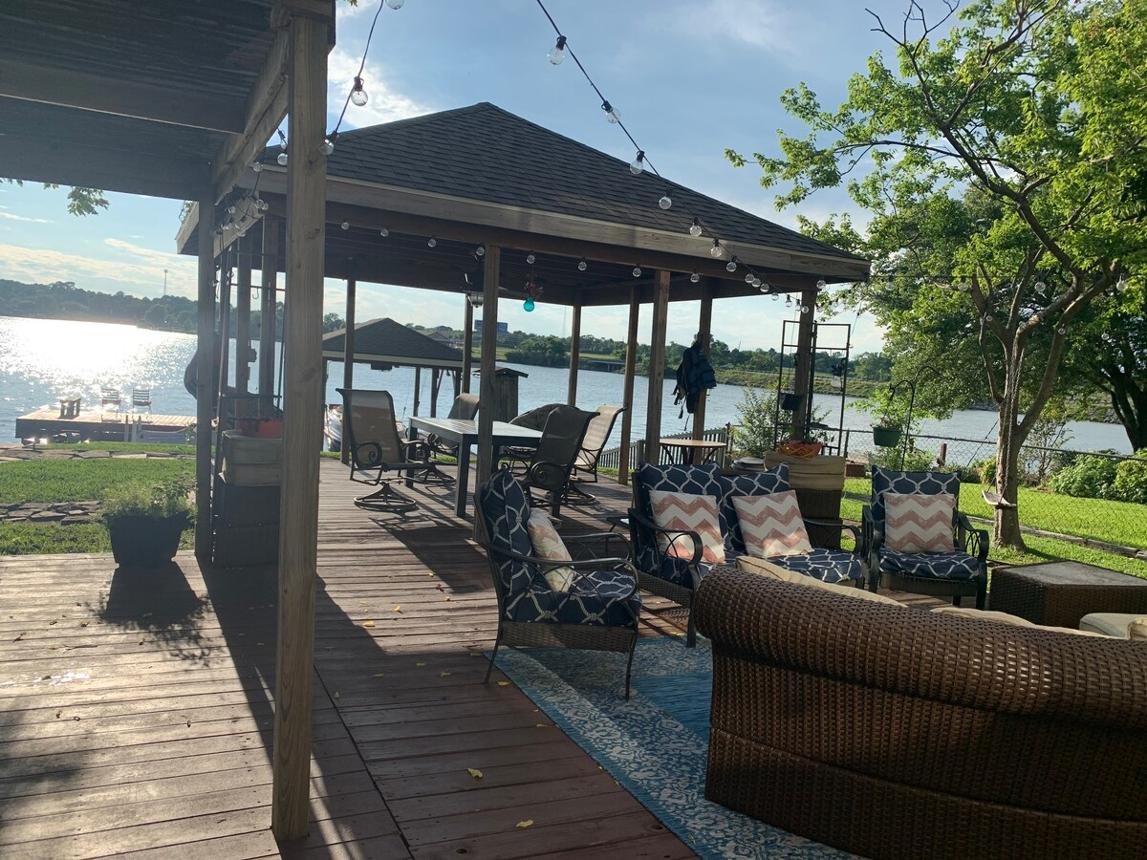
The buyer is standing on the patio.
Lake in front of them.
Maybe a boat at the dock.
Maybe a pool.
They can already imagine Friday afternoon.
Leave work.
Drive to Lake Conroe.
Drop the bags inside.
Open the back door.
And finally relax.
That picture can sell a second home.
But then another picture enters the buyer's mind.
Sunday afternoon.
Time to leave.
Who cleans the pool next week?
What happens if a pipe leaks while nobody is here?
Who takes care of the yard?
What does the electric bill look like when the house is mostly empty?
Can we monitor the thermostat remotely?
Where do we store the boat gear?
What happens after a storm?
Do we really want another property that needs constant attention?
This is what sellers sometimes miss.
A second-home buyer is not only buying escape.
They are also evaluating effort.
The strongest Lake Conroe vacation property does not merely look enjoyable.
It looks manageable.
Start by Understanding the Second-Home Buyer’s Real Question
The obvious question is:
“Do we love it?”
The less obvious question is:
“How much work will this add to our lives?”
That matters because many second-home buyers already maintain:
Primary residence.
Work responsibilities.
Vehicles.
Family schedules.
Travel.
They may gladly accept additional ownership responsibilities.
But they usually want to understand them first.
Sell Convenience Alongside the View
Beautiful water is powerful.
So is being able to arrive on Friday without immediately spending two hours:
Mowing.
Cleaning pool.
Fixing irrigation.
Checking equipment.
The easier the property feels to own, the stronger the second-home story can become.
“Low Maintenance” Needs Evidence
Do not simply write:
“Low-maintenance lake house.”
What makes it lower maintenance?
Maybe:
Smaller lawn.
Professional landscaping.
Newer major systems.
Composite decking.
Updated pool equipment.
Exterior materials requiring less routine work.
HOA-maintained common areas where applicable.
Be specific.
No Property Is Maintenance-Free
Especially near water.
Even a relatively easy property may require:
HVAC service.
Pest control.
Landscaping.
Pool maintenance.
Dock maintenance.
Storm preparation.
General repairs.
The seller does not need to pretend otherwise.
The goal is helping buyers understand how manageable those responsibilities are.
A Smaller Lot Can Be an Advantage
For a full-time buyer, a large yard may be a major priority.
A weekend buyer may think differently.
They might prefer:
Enough outdoor space to enjoy.
Less acreage to maintain.
Pool instead of large lawn.
Patio instead of extensive landscaping.
Do not apologize for a compact lot if it creates a simpler second-home experience.
A Large Lot Needs a Maintenance Story
If your property has substantial grounds, show why they're worth it.
Maybe:
Privacy.
Trees.
Outdoor recreation.
Exceptional lake frontage.
Guest entertaining.
Then be ready for practical questions about:
Lawn care.
Irrigation.
Tree maintenance.
The buyer needs to value the space enough to accept the upkeep.
Professional Landscape Service Can Provide Useful Context
If you currently use a service, buyers may ask:
Who?
How often?
Approximate historical cost?
You can provide your own factual experience.
Do not promise the buyer the same future price.
But a vendor contact can make ownership feel easier.
The Same Applies to Pool Service
A buyer unfamiliar with pools may imagine:
Constant chemistry tests.
Cleaning.
Equipment problems.
If you use a reliable pool service, having:
Contact information.
Current service schedule.
Major equipment records.
can make the transition less intimidating.
Vendor Lists Can Be Surprisingly Valuable
Consider preparing contacts for:
Pool service.
Lawn care.
Pest control.
HVAC.
Dock service.
Boat-lift service.
House cleaning.
Handyman.
Tree service.
Generator maintenance.
You are not guaranteeing those vendors.
You're giving buyers a starting point.
Don't Oversell Vendors as Part of the Property
Service availability.
Pricing.
Quality.
can change.
Better:
“Seller currently uses the following service providers and can provide contact information.”
That is useful without making a promise.
Remote Monitoring Can Be a Strong Feature
Second-home buyers may value the ability to check:
Temperature.
Security.
Doors.
Water leaks.
Pool equipment.
Generator.
Garage.
from a distance.
If the property already has smart systems, document them.
Smart Thermostats Are Simple but Useful
A buyer leaving the property for a week may appreciate:
Remote temperature adjustment.
Humidity monitoring depending on equipment.
Scheduling.
But do not promise this eliminates HVAC or moisture risk.
It is a convenience tool.
Leak Sensors Can Reduce Anxiety
If the property has sensors near:
Water heaters.
Sinks.
Laundry.
Mechanical areas.
that can be worth mentioning.
Again:
Monitoring feature.
Not a guarantee against water damage.
Smart Water Shutoff Can Be a Significant Convenience
If professionally installed, document:
Brand.
Installation date.
Basic functionality.
Transfer requirements.
A second-home buyer may value being able to detect or control certain water issues remotely.
But Don't Claim It Prevents Every Leak
No technology provides absolute protection.
Use factual language.
Security Systems Can Matter More for Part-Time Owners
The buyer may care about:
Cameras.
Door sensors.
Alarm.
Remote access.
Lighting.
Clarify:
Which equipment conveys?
Which requires subscription?
Which accounts need to be transferred?
Do Not Advertise the Property as “Safe Because It Has Cameras”
Security equipment does not create a safety guarantee.
Market the actual system.
Not conclusions about crime or risk.
Gated Communities May Appeal to Some Second-Home Buyers
Controlled access can be attractive to someone who will not occupy the property every day.
But use precise language.
Is the gate:
Manned?
Automated?
Resident-controlled?
Do not imply a security guarantee.
HOA Services Can Become More Valuable to a Second-Home Buyer
A buyer may view association fees differently if they support:
Common-area maintenance.
Controlled access.
Community landscaping.
Amenities.
Certain shared waterfront facilities.
The key is understanding exactly what the assessment covers.
Don't Call HOA Services “Maintenance-Free Living” Unless That Is Truly the Structure
Single-family homeowners may still be responsible for:
Their lawn.
Exterior.
Pool.
Roof.
Dock.
Clarify the actual division of responsibility.
Lock-and-Leave Is a Useful Concept—but Use It Carefully
The phrase can appeal to second-home buyers.
But it should describe a property that genuinely requires relatively manageable day-to-day oversight.
If the home has:
Large acreage.
Old dock.
Complex pool.
Extensive landscaping.
multiple aging systems,
“lock-and-leave” may overstate reality.
A Townhome or Condominium Can Have a Different Second-Home Appeal
Some Lake Conroe buyers may prioritize:
Shared exterior maintenance.
Smaller footprint.
Community amenities.
Reduced private-yard responsibilities.
Others want:
Private dock.
Garage.
Large outdoor space.
Know what type of ownership your property offers.
Condo Fees Need Full Context
If selling a condominium or similar property, buyers may ask what the monthly assessment covers.
Possibly:
Exterior maintenance.
Insurance components.
Amenities.
Landscaping.
Water.
Other shared expenses.
Do not assume.
Use current association documents.
Second-Home Buyers Think About Carrying Costs Differently
A primary residence is used every day.
A second home may sit unused for:
Week.
Several weeks.
Longer.
The buyer may therefore be more sensitive to:
Taxes.
Insurance.
HOA.
Utilities.
Pool.
Landscaping.
Dock.
Cleaning.
because they are paying these costs whether they are there or not.
Do Not Hide Carrying Costs
The right buyer understands that a second home costs money to maintain.
What they need is enough information to decide whether the lifestyle is worth it.
Surprises are more damaging than known expenses.
Property Taxes Are Part of the Calculation
As with any sale, the seller's current tax bill does not necessarily predict the buyer's future taxes.
Second-home ownership can also affect exemption assumptions.
Do not calculate the buyer's future obligation.
Provide current property information and let the buyer seek appropriate professional guidance.
Homestead Exemption Assumptions Matter
A buyer purchasing as a second home may not receive the same exemption treatment as a seller using the property as a primary residence.
This can affect how buyers think about ownership cost.
Sellers and agents should avoid predicting the buyer's final tax bill.
Insurance Can Be Especially Important
A buyer maintaining two homes may be very attentive to:
Annual premiums.
Deductibles.
Flood-related coverage where appropriate.
Dock coverage.
Vacancy or occupancy considerations.
Each buyer should obtain their own property-specific advice and quotes.
Part-Time Occupancy Can Affect Insurance Questions
The buyer should tell their insurance professional how they expect to use the property.
Do not assume:
Primary-residence policy structure.
Second-home policy structure.
are identical.
Let the insurance professional handle it.
Flood Questions Still Matter
Lake Conroe second-home buyers may ask:
Flood history.
Elevation.
Flood maps.
Insurance.
Drainage.
Shoreline.
Provide the same careful historical documentation you would for a full-time buyer.
Do not turn:
“It's only our weekend house.”
into reduced due diligence.
Utility History Can Be Helpful
A buyer may ask:
What does it cost to keep the home running when you are away?
If you have historical records, you can provide context.
But usage may differ based on:
Thermostat.
Pool.
Home size.
Number of visits.
Electric rates.
Weather.
Future results cannot be promised.
Consider Showing Both Occupied and Low-Use Months
If the home truly functions as your second residence, utility records might show:
Heavy-use weekends.
Periods of lower use.
Summer peaks.
That can provide more meaningful context than one random bill.
Empty Does Not Mean Electricity-Free
Even when the property is unoccupied, systems may still run:
HVAC.
Refrigerator.
Pool pump.
Security.
Internet.
Dehumidification where applicable.
Irrigation.
The buyer should understand that second-home carrying costs continue between visits.
Internet May Be a Core Utility
Especially if the buyer wants:
Remote cameras.
Thermostats.
Smart locks.
Work-from-lake weekends.
Streaming.
Security systems.
If service is available, provide accurate current provider information where appropriate.
Do not guarantee speed.
Remote Work Can Expand the Second-Home Use Case
A dedicated office may allow the buyer to turn:
Two-day weekend
into
four-day lake stay.
If your property offers:
Private study.
Strong workspace.
Good natural light.
market it.
The property may function as more than a vacation getaway.
Do Not Market Internet Speed Without Verification
If you have current documented service, say what the seller currently subscribes to.
Do not promise what the provider will offer the new owner.
Plans and availability can change.
Guest Space Can Be More Valuable in a Lake House
People visit.
That is part of the appeal.
A second-home buyer may strongly value:
Guest suite.
Bunk room.
Game room.
Multiple baths.
Detached guest space where legal and permitted.
Show how the property accommodates visitors.
But Don't Turn Every Room Into a Bed
Over-staging can make the house feel like:
Rental dormitory.
Instead of:
Comfortable lake home.
Keep bedrooms clear and functional.
Flexible Guest Spaces Can Be Strong
A room might function as:
Office during week.
Guest room on weekends.
That versatility may appeal to second-home buyers.
Show one primary use while mentioning flexibility.
Storage Is Critical
Lake weekends generate equipment.
Coolers.
Life jackets.
Towels.
Fishing gear.
Water toys.
Paddleboards.
Golf gear.
Outdoor cushions.
A second-home buyer does not want to haul everything back and forth every weekend.
Show Where the Gear Lives
Garage.
Dock boxes.
Utility storage.
Large closets.
Outdoor storage.
Mudroom.
If your property handles recreation storage well, that is a serious lifestyle advantage.
Garage Space Can Be More Important Than an Extra Bedroom
For some lake buyers:
Boat gear.
Golf cart where permitted.
Bikes.
Tools.
Freezer.
Vehicles.
may make garage capacity extremely valuable.
If yours is strong, photograph it.
Clear the Garage Before Selling
A garage full of:
Lake gear.
Furniture.
Storage boxes.
makes buyers think there is nowhere to put lake gear.
Pre-pack aggressively.
Mudroom or Drop Zone Can Make Weekend Arrivals Easier
Shoes.
Wet towels.
Bags.
Life jackets.
A functional transition space from:
Garage.
Backyard.
Lake.
can be surprisingly useful.
If you have one, show it.
Laundry Matters More at a Recreation Property
Lake days create:
Towels.
Swimsuits.
Guest linens.
A spacious laundry room or multiple laundry features may matter.
Keep it:
Clean.
Organized.
Functional.
Outdoor Showers Can Be Useful Where Present
If professionally installed and appropriate to the property, an outdoor shower can help after:
Swimming.
Lake.
Pool.
But use accurate language and verify plumbing/functionality.
Pools Add Lifestyle and Management
A pool may be one of the strongest reasons to buy the second home.
It also means:
Service.
Equipment.
Electricity.
Monitoring.
If your pool has:
Newer pump.
Automation.
Remote controls.
document those features.
Pool Automation May Be Especially Appealing
Remote scheduling or monitoring can reduce some management friction.
But do not promise the pool needs no hands-on maintenance.
A Pool Without Automation Can Still Be Easy to Own With Service
Again:
Vendor network.
Equipment condition.
Service records.
can matter as much as technology.
The Dock Is Another Major Maintenance System
If waterfront, second-home buyers may think:
Who checks the dock after a storm?
Who services the lift?
Who cleans it?
If you use contractors, provide contacts.
Make dock ownership understandable.
Composite Docking Can Appeal to Maintenance-Conscious Buyers
If accurate, highlight the decking material.
But avoid:
“Zero maintenance.”
Exterior waterfront materials still require care.
A Newer Bulkhead Can Reduce One Major Unknown
If shoreline work has been completed, documentation can provide buyer confidence.
Include:
Year.
Contractor.
Scope.
Warranty where applicable.
Boat-Lift Reliability Matters
Friday arrival.
Lift does not work.
That ruins the lake-house experience quickly.
If the lift has been recently serviced, say so.
Provide:
Maintenance.
Motor.
Cable.
Remote.
information where available.
A Private Dock Can Save Time Every Visit
This is one of the strongest lifestyle advantages.
No:
Trailering.
Launching.
Packing everything into the vehicle.
The buyer can:
Walk outside.
Load.
Go.
That convenience can matter enormously to a weekend owner.
Marina-Based Ownership Can Also Be Attractive
A non-waterfront home with convenient marina access may allow a buyer to:
Enjoy boating.
Avoid private dock maintenance.
Potentially choose professional storage options.
That is a different second-home model.
Do not frame it as inferior.
Be Specific About Marina Access
Nearby marina is not the same as:
Included boat slip.
Owned slip.
Guaranteed availability.
If a marina matters to your positioning, buyers should verify:
Current slip availability.
Fees.
Rules.
Boat Storage Can Be a Major Decision
Buyer may choose:
Private dock.
Marina slip.
Dry storage.
Trailer.
Their home choice may depend on which setup they prefer.
Your listing should make the actual arrangement clear.
Do Not Promise Trailer Storage at the Property Without Verifying Rules
HOA restrictions can matter.
A wide driveway does not equal permission.
Full-Time Neighbors vs. Second-Home Community Feel Should Not Be Characterized Demographically
Avoid:
“Mostly retirees.”
“Lots of weekend families.”
“Very quiet because nobody lives here full time.”
These can create fair-housing or accuracy concerns.
Describe:
Property.
Amenities.
Access.
Physical environment.
Not who lives there.
Noise Can Affect Vacation Appeal
A buyer wants relaxation.
They may evaluate:
Road noise.
Boat traffic.
Nearby entertainment venues.
Neighbors.
Commercial waterfront activity.
This does not automatically make one setting worse.
Some buyers like energy.
Others want calm.
Market the actual environment accurately.
Open Water and Cove Settings Create Different Weekend Experiences
Open water may offer:
Expansive view.
More visual activity.
Cove may offer:
More protected feel.
Different boat traffic.
Again, neither is universally superior.
Help buyers understand your property.
Sunset Can Be a Major Emotional Selling Feature
If your home genuinely enjoys sunset views, show them.
A second-home buyer may imagine:
Friday dinner.
Saturday evening.
Dock drinks.
That emotional connection can be powerful.
But Do Not Use Sunset to Hide the Property
You still need daylight photos that show:
Condition.
Yard.
Dock.
Neighbors.
Lot.
Beautiful lifestyle imagery should supplement factual property presentation.
Furnished Sales Can Appeal to Second-Home Buyers
Some sellers may consider offering:
Furniture.
Décor.
Outdoor pieces.
Kitchen contents.
Other personal property.
A buyer purchasing a second home may value the convenience of a more complete setup.
But structure it carefully.
Furniture Should Be Handled Separately and Clearly
Real property and personal property can be treated differently in:
Contract.
Appraisal.
Financing.
Taxes.
Do not simply inflate the home price because furniture is included.
Discuss the correct transaction structure with appropriate professionals.
Do Not Assume the Lender Will Finance Furniture
Mortgage financing generally centers on the real property and applicable collateral requirements.
If personal property is important to the deal, coordinate with:
Lender.
Title.
Real estate professionals.
Do not create a side arrangement without proper advice.
A Turnkey Furniture Package Can Still Be Attractive
If handled correctly, a buyer may love being able to arrive with:
Clothes.
Groceries.
Nothing else.
That can be a meaningful second-home convenience.
Inventory Everything That Is Included
If furnishings are part of a negotiated transaction, create a clear inventory.
Do not rely on:
“Basically everything stays.”
That creates closing disputes.
Decide What You Are Taking Before Photography
If the gorgeous patio furniture is going with you, don't accidentally create the impression it is included.
The buyer may emotionally attach to:
Furniture.
Art.
Boat equipment.
Televisions.
Clarify early.
Short-Term Rental Questions May Come Up
Some buyers may see a second home as:
Personal getaway.
Plus rental opportunity.
Do not automatically market:
“Great vacation rental!”
Rules may involve:
HOA.
Deed restrictions.
Local regulation.
Insurance.
Financing.
Tax considerations.
Verify Rental Rules Before Mentioning Income Potential
If the property currently has documented rental activity, buyers may ask for:
History.
Expenses.
Occupancy.
But future income is not guaranteed.
And legal permission for current or future rental use should be verified.
Personal Use and Investment Use Are Different Decisions
A buyer who wants pure personal enjoyment may care less about:
Revenue.
Occupancy.
Rental setup.
An investor-minded buyer may evaluate the property through financial performance.
Do not force one marketing story onto every buyer.
Existing Rental History Can Require More Documentation
If the property has been rented, organize:
Relevant agreements.
Management information.
Known bookings if transferable and appropriate.
Rules.
Operating history.
Speak with professionals regarding what should be shared and how.
Do Not Advertise Gross Revenue as Profit
A property generating:
$60,000 gross rental income
does not mean:
$60,000 profit.
Expenses may include:
Management.
Utilities.
Cleaning.
Repairs.
Insurance.
Taxes.
HOA.
Furnishings.
Market financial information accurately.
Second-Home Buyers May Be More Sensitive to Repairs
Why?
Because they may not live nearby.
A small problem becomes:
Find contractor.
Coordinate access.
Drive to Lake Conroe.
Or manage remotely.
A well-maintained property can therefore be especially appealing.
Turnkey Condition Has Operational Value
Recent:
Roof.
HVAC.
Pool equipment.
Dock work.
Exterior paint.
may reduce immediate projects.
Again, do not promise:
No repairs for years.
But documented improvements can create confidence.
Create a Second-Home Maintenance Timeline
For example:
Roof — year.
HVAC — year.
Pool surface — year.
Pool pump — year.
Dock work — year.
Bulkhead — year.
Exterior paint — year.
Generator service — year.
Use actual records.
Buyers May Prefer Newer Systems Over Newer Décor
A vacation-home buyer may be more comfortable with:
Older cabinet style.
New roof.
Recent HVAC.
Newer lift.
than:
Beautiful remodel.
Old mechanical systems.
Because reliability matters when the property sits empty.
HVAC Reliability Is Particularly Important
A failed air-conditioning system during a Texas summer can create:
Humidity.
Interior damage concerns.
Uncomfortable arrival.
If your HVAC is newer or well maintained, document it.
HVAC Monitoring Can Add Reassurance
Some smart thermostats may alert owners to:
Temperature changes.
System issues.
This can be a useful part of the remote-ownership story.
Do not guarantee system failure detection beyond actual product capabilities.
Humidity Control May Matter
Especially if a property is unoccupied for periods.
If the home has:
Dehumidifier.
Specific HVAC controls.
other humidity-management equipment,
describe the actual system.
Do not make indoor-air-quality guarantees.
Water Heaters Can Be Worth Monitoring
A buyer may be nervous about a water heater leaking while they are away.
If your property has:
Pan.
Drain.
Leak detector.
Automatic shutoff.
provide factual information.
Main Water Shutoff Accessibility Matters
A clearly accessible shutoff can make part-time ownership easier.
If a smart shutoff exists, even better for certain buyers.
Again:
Convenience.
Not elimination of risk.
Generator Can Add Part-Time Ownership Confidence
Especially when owners may be away during:
Storm.
Outage.
A professionally installed generator with clear service history can be a meaningful feature.
But clarify:
Whole-home or selected loads.
Fuel.
Capacity.
Automatic transfer.
Do not overstate.
Maintenance Contracts May Be Valuable
If transferable and verified, certain:
HVAC plans.
Pest plans.
Generator plans.
may provide continuity.
Confirm whether transfer is allowed.
Do not promise.
House Cleaning Can Be Part of the Weekend-Ready Story
A second-home owner may want a service that:
Cleans before arrival.
Changes linens.
Resets after guests.
If you have a provider, contact information can help.
Again, it does not convey as a contractual property feature.
Arrival Experience Matters
Think like the buyer.
They arrive Friday at 7 p.m.
Does the home feel easy?
Garage opens.
Lights work.
Temperature comfortable.
Internet on.
Pool clean.
Dock ready.
That is the experience your marketing should suggest.
Departure Experience Matters Too
Sunday at 4 p.m.
Can they:
Close house.
Secure gear.
Adjust thermostat.
Lock doors.
Check systems remotely.
Leave without a complicated shutdown process?
That simplicity can be a major selling point.
Use the “Friday Night” Test
Walk through the property imagining arrival after a long workweek.
What creates friction?
Hard-to-operate gate?
Dark walkway?
Broken smart lock?
Messy dock?
Fix the small things.
Use the “Gone for Three Weeks” Test
What would a buyer worry about?
Temperature?
Water?
Security?
Pool?
Yard?
Storm?
Then show what systems, vendors, and improvements already help manage those concerns.
Use the “Do We Have to Bring Everything?” Test
Is there enough storage to leave:
Towels.
Life jackets.
Fishing gear.
Clothing.
Basic supplies.
If yes, show it.
Use the “Could Guests Use It Without Us?” Test
Not from a rental perspective necessarily.
Could visiting friends or relatives easily understand:
Entry.
Parking.
Bedrooms.
Bathrooms.
Outdoor spaces?
A straightforward home can make hosting easier.
Use the “What Still Needs to Be Built?” Test
Does the buyer need to add:
Pool?
Dock?
Patio?
Shade?
Storage?
Furniture?
If your home already provides them, that supports turnkey positioning.
Use the “How Many Contractors Will They Need?” Test
If the answer is:
Roof contractor.
Pool contractor.
Dock contractor.
Painter.
Landscaper.
immediately after closing,
the property may not feel like an easy getaway.
Either address strategic issues or price the project load appropriately.
Use the “What Is the Annual Ownership Commitment?” Test
Not a precise buyer budget calculation.
Instead identify the categories:
Taxes.
Insurance.
HOA.
Utilities.
Pool.
Lawn.
Dock.
Cleaning.
Buyers can then obtain their own numbers.
Clarity helps them evaluate the complete lifestyle.
Use the “Primary Home Comparison” Test
The buyer already maintains one house.
Which responsibilities are being duplicated here?
Which are simplified?
Understanding that can help you position the property more effectively.
Create a Lake Conroe Second-Home Seller Scorecard
Before listing, evaluate:
Arrival
Can owners start enjoying the property immediately?
Maintenance
How many recurring systems need professional service?
Yard
Easy to manage or extensive?
Pool
Condition, automation, and service records?
Dock
Condition, lift, maintenance, and contractor information?
Major Systems
Roof, HVAC, water heaters, generator?
Remote Monitoring
Thermostat, security, water, pool, other systems?
Storage
Enough for lake gear and personal items?
Garage
Does it support recreational equipment?
Guest Space
Is hosting easy?
Internet
Current service information available?
HOA
What services and restrictions matter to part-time owners?
Taxes
Current information provided without predicting the buyer’s obligation?
Insurance
Property details organized for buyer quotes?
Furnishings
What stays and what leaves?
Rental Rules
Verified before making any rental-related claims?
Vendor Network
Useful service contacts available?
Photography
Does the property look relaxing and manageable—not complicated?
Now your marketing can address the second-home buyer’s actual concerns.
Final Thoughts
Lake Conroe second-home buyers are not simply asking:
“Would we enjoy being here?”
They are also asking:
“Would we enjoy owning it?”
That is a different question.
The lake view may create the emotional connection.
The dock may create the boating dream.
The pool may create the weekend picture.
But maintenance, security, storage, systems, and carrying costs determine whether that dream feels manageable.
So sellers should not market only:
Sunsets.
Water.
Cocktails on the patio.
Show the practical side too.
Recent systems.
Organized maintenance records.
Reliable vendor contacts.
Remote monitoring.
Good storage.
Clean dock.
Well-maintained pool.
Clear HOA information.
Easy arrival.
Easy departure.
The ideal second home should feel like the place the buyer goes to reduce stress, not create another list of chores.
When your Lake Conroe property communicates both enjoyment and manageable ownership, buyers can picture much more than a beautiful Saturday afternoon.
They can picture themselves actually owning the home for years—and looking forward to every trip back.
Frequently Asked Questions
What do second-home buyers look for in a Lake Conroe property?
Preferences vary, but many evaluate lake access, outdoor living, storage, guest space, major-system condition, maintenance responsibilities, security, remote monitoring, carrying costs, and how easy the property is to manage when they are away.
Should I market my Lake Conroe property as low maintenance?
Only when you can explain what makes it relatively easier to maintain. Avoid implying any home, pool, or waterfront property is completely maintenance-free.
Are smart-home features valuable for second-home buyers?
They can be useful for remote temperature, security, door, or water monitoring. Describe the actual equipment and capabilities without promising that technology eliminates all property risks.
Should I provide my pool and lawn service contacts?
It can be helpful to provide current service-provider information as a convenience, but do not guarantee future availability, pricing, or service quality.
Does a private dock make a better second home than marina access?
It depends on the buyer. A private dock offers immediate water access but requires maintenance. Marina access may reduce private waterfront responsibilities while introducing fees, availability, and travel to the boat.
Should I sell my Lake Conroe second home furnished?
That can appeal to buyers wanting a more turnkey property, but personal property should be clearly inventoried and handled appropriately in the transaction rather than assumed to be included in the real-estate value.
Can I advertise short-term rental potential?
Only after current HOA rules, deed restrictions, local regulations, insurance, financing, and other requirements have been verified. Future rental revenue should never be guaranteed.
Should I give buyers my historical utility costs?
You can provide accurate historical bills for context, but make clear that future costs depend on occupancy, weather, usage, rates, pool operation, and other factors.
What major systems matter most to second-home buyers?
Buyers may pay particular attention to HVAC, roof, plumbing, water heaters, pool equipment, dock and boat lift, generator, security, and remote-monitoring systems because failures can be more difficult to manage from a distance.
What's the biggest takeaway?
To sell a Lake Conroe second home effectively, sell both the escape and the ease of ownership. Buyers may love the water, but clear maintenance records, storage, remote monitoring, reliable systems, vendor contacts, and manageable recurring responsibilities can be what makes them comfortable actually buying it.