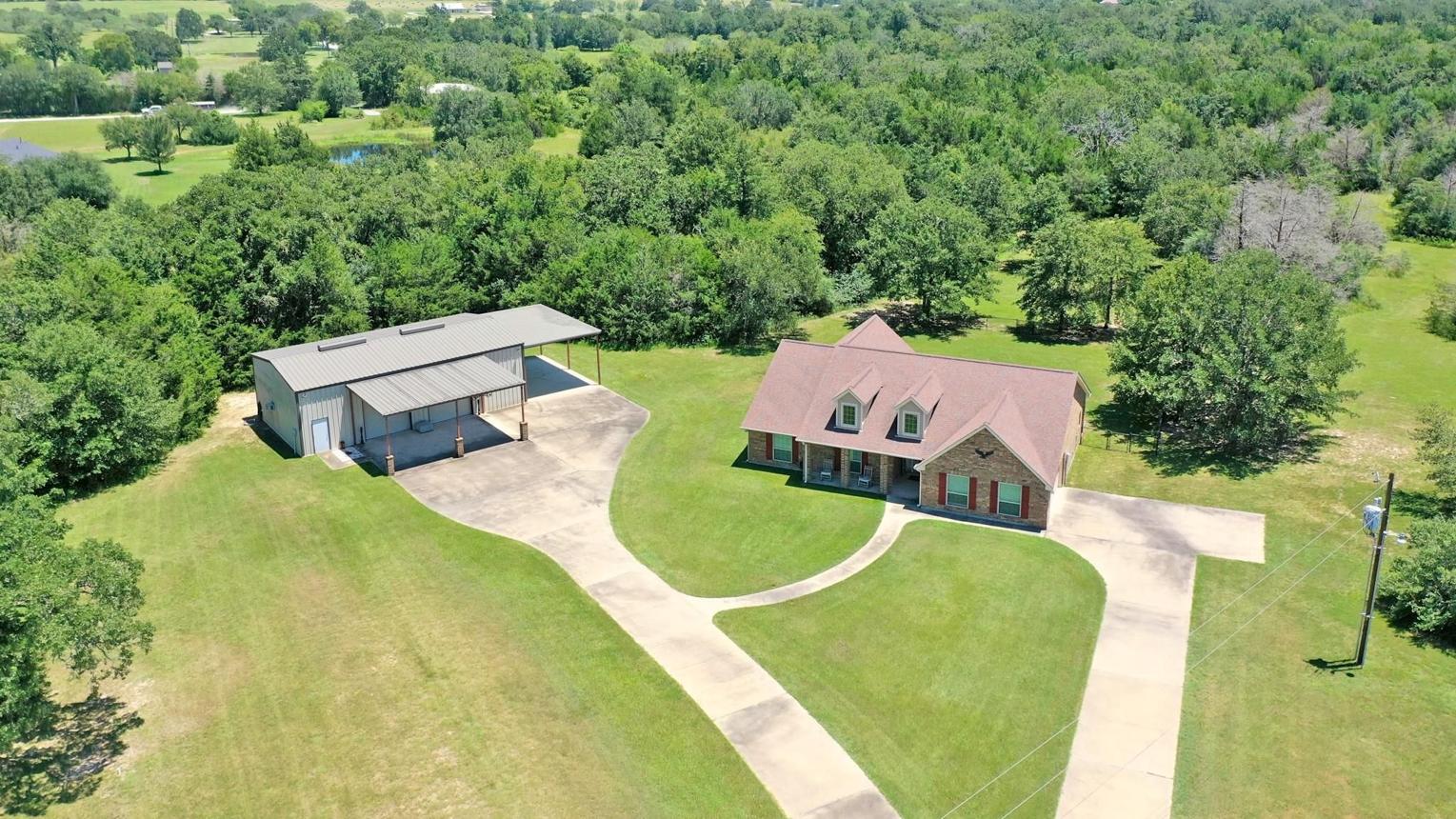
That Workshop May Be the Reason Buyers Choose Your Home
How Do You Sell a Spring Home With a Workshop, Detached Garage, or Outbuilding Without Overselling What Buyers Can Do With It?
The buyer pulls into the driveway.
They like the house.
Then they see the building behind it.
Maybe it is:
A detached garage.
Workshop.
Barn.
RV bay.
Storage building.
Climate-controlled hobby space.
And suddenly the buyer becomes much more interested.
They start thinking:
Cars.
Tools.
Woodworking.
Boat storage.
Business equipment.
Gym.
Home office.
Guest space.
RV.
Classic-car collection.
Then come the questions.
How big is it?
Does it have power?
What size electrical service?
Is there plumbing?
Is it insulated?
Air conditioned?
Can someone live in it?
Can we run a business from it?
Can we park an RV there?
Was it permitted?
Does the HOA allow this?
Can we add a bathroom?
Can we expand it?
That is where sellers need to be careful.
A great outbuilding can absolutely separate a Spring property from ordinary suburban competition.
But the seller should market what exists today, not every possible future use a buyer can imagine.
Start With the Structure’s Actual Purpose
What is it today?
Detached garage?
Workshop?
Storage building?
Barn?
RV garage?
Do not immediately label it:
Guest house
or:
Apartment
because it has finished walls and air conditioning.
Words create expectations.
Use the most accurate description.
“Workshop” Is Often Safer Than “Commercial Shop”
A buyer may see:
Large electrical service.
Tools.
Roll-up doors.
and think:
Business.
But residential deed restrictions, HOA rules, parking requirements, traffic limits, local rules, and other considerations can affect commercial use.
Do not advertise:
“Run your business from home!”
unless the intended use has been properly verified.
Home Business and Workshop Use Are Different
A homeowner using a shop for:
Personal woodworking.
Car restoration.
Hobbies.
Storage.
may be very different from:
Employees.
Customers.
Deliveries.
Signs.
Commercial inventory.
Heavy traffic.
Do not blur those uses.
Verify HOA or Deed Restrictions Early
If the property is subject to:
HOA.
Deed restrictions.
Architectural guidelines.
buyers may need to understand rules involving:
Outbuildings.
Trailers.
RVs.
Commercial vehicles.
Exterior appearance.
Business use.
Do not assume the existing structure means every future use is allowed.
Existing Does Not Automatically Mean Expandable
Buyer asks:
“Can we add another 1,500 square feet?”
Maybe.
Maybe not.
Future expansion can depend on:
Setbacks.
Easements.
Lot coverage.
Drainage.
Septic placement.
Well location.
HOA approval.
Permitting.
Utilities.
Do not answer based on available open space alone.
Get the Building Dimensions Right
If you market:
30 × 40 workshop.
Measure or verify it.
Do not say:
“About 1,500 square feet.”
if you are guessing.
Buyers may use dimensions to determine whether:
RV.
Boat.
Lift.
Equipment.
vehicles.
will fit.
Specific numbers matter.
Interior Dimensions Can Matter More Than Exterior Dimensions
A nominal 30-foot depth does not mean a 30-foot vehicle fits comfortably.
Interior usable space may be reduced by:
Walls.
Storage.
Stairs.
Mechanical equipment.
Columns.
Built-ins.
If vehicle fit is important, buyers should verify actual usable dimensions.
Door Dimensions Are Critical
A buyer with:
Motorhome.
Boat.
Lifted truck.
classic car trailer
may immediately ask:
How tall is the door?
How wide?
Know:
Door width.
Door height.
Clearance.
Do not simply say:
“RV height.”
unless verified.
“RV Garage” Should Be Used Carefully
A tall door does not automatically mean every RV will fit.
Different vehicles vary widely.
Better:
“Detached garage includes a ___-foot-high overhead door.”
Then buyers can compare their specific equipment.
Ceiling Height Can Be a Major Feature
For:
Vehicle lifts.
Storage racks.
Large equipment.
buyers may care about clear ceiling height.
If verified, include it.
Do not promise a lift installation is possible merely because the ceiling looks tall.
Structural and equipment requirements still need evaluation.
Vehicle Lifts Need More Than Ceiling Height
A buyer may want to install:
Two-post lift.
Four-post lift.
That can require consideration of:
Concrete slab.
Thickness.
Condition.
Anchoring.
Electrical.
Ceiling.
Manufacturer specifications.
Do not say:
“Perfect for a car lift.”
unless the buyer verifies suitability.
If a Lift Is Already Installed, Clarify Whether It Conveys
This can create major confusion.
A seller may intend to take a vehicle lift.
Buyer assumes:
It stays.
Decide before marketing.
Address through the appropriate contract documents.
Electrical Capacity Can Be a Huge Selling Feature
A workshop may have:
120-volt outlets.
240-volt circuits.
Subpanel.
Welding outlet.
EV charging.
Compressor circuit.
But know what is actually installed.
Do Not Say “Heavy-Duty Power”
That is vague.
Better:
“Detached shop includes a dedicated electrical subpanel and 240-volt receptacle,”
when verified.
Specificity is stronger.
Panel Size Should Be Verified
If you say:
100-amp shop service.
Make sure it really is.
Check:
Electrical documentation.
Panel label.
Qualified electrician if needed.
Do not guess from breaker appearance.
Buyers May Ask Whether They Can Run Welders or Large Equipment
Do not promise.
Equipment load depends on:
Circuit.
Panel.
Wiring.
Service.
Specific machine.
Buyer should confirm suitability with a qualified electrician.
Extension Cords Are Not a Feature
A shop filled with:
Long cords.
Temporary wiring.
Power strips.
can make buyers question the electrical setup.
Clean it up.
If permanent power needs improvement, address it professionally.
Do Not DIY Electrical Work Before Listing
A workshop can already invite extra inspection scrutiny.
Poor electrical work can turn an attractive feature into:
Safety concern.
Repair negotiation.
Use qualified professionals for meaningful electrical corrections.
Plumbing Creates Another Level of Buyer Interest
Maybe the outbuilding has:
Sink.
Toilet.
Shower.
Washer hookup.
Buyer may immediately think:
Apartment.
Guest suite.
Do not jump there.
A Bathroom Does Not Automatically Make It Habitable Living Space
A structure may have:
Bathroom.
HVAC.
Finished walls.
and still not qualify as permitted living area or a separate dwelling.
Accurate use classification matters.
If It Is a Legal Guest House, Document It
If the property genuinely includes an approved separate dwelling or guest quarters, organize:
Permits.
Plans.
Utilities.
Square footage.
Address information if applicable.
Septic connection.
Approval records.
The stronger the claim, the stronger the documentation should be.
Do Not Call It an ADU Without Verification
Accessory dwelling unit rules can depend on:
Jurisdiction.
Property.
Utilities.
Zoning or deed restrictions.
Permitting.
Avoid applying a technical label casually.
Finished Space Can Still Be Valuable Without Being Living Area
A climate-controlled workshop can serve as:
Hobby room.
Office.
Studio.
Gym.
Storage.
You do not need to call it residential square footage to make it appealing.
Climate Control Should Be Described Precisely
Does it have:
Mini-split?
Central HVAC?
Window unit?
Portable AC?
Heater?
If a mini-split is permanently installed:
Say so.
Do not simply call it:
“Fully climate controlled”
if only one corner has a portable unit.
Insulation Can Matter
If the workshop is insulated:
Walls?
Ceiling?
Doors?
Do you know?
If documentation is available, great.
Otherwise avoid technical claims beyond what can reasonably be verified.
Buyers May Care About Summer Comfort
A metal building without insulation can become extremely hot in Texas.
If your structure has:
Insulation.
Ventilation.
AC.
fans.
that can be a meaningful practical advantage.
Show it.
Large Fans Can Help
Ceiling fans.
Industrial-style fans.
Ventilation.
can support shop usability.
But make sure they work.
A broken giant ceiling fan is more alarming than no fan at all.
Lighting Is Extremely Important
A workshop should photograph:
Bright.
Clean.
Usable.
Replace dead bulbs.
Fix non-working fixtures.
Avoid dark corners.
Buyers should be able to imagine actually using the space.
LED Shop Lighting Can Be Worth Mentioning
If installed.
It is simple.
Practical.
Visible.
Do not make energy-savings promises.
Just describe the feature.
Floors Matter More Than Sellers Think
Concrete condition communicates:
Maintenance.
Heavy use.
Possible moisture.
Look for:
Oil stains.
Large cracks.
Uneven areas.
Damage.
A workshop does not need a showroom floor.
But obvious neglect can hurt.
Clean Oil and Chemical Spills
Especially before photography.
A shop used for vehicles naturally develops marks.
But excessive:
Oil.
Paint.
Chemicals.
can make the building feel dirty or hazardous.
Clean what is reasonably cleanable.
Store Chemicals Properly
Remove or organize:
Fuel.
Solvents.
Paints.
Pesticides.
Automotive fluids.
You do not want buyers opening the shop door and smelling a wall of chemicals.
Do Not Leave Hazardous Materials as “Extras”
The next owner probably does not want:
Old gasoline.
Half-used solvents.
Unknown drums.
Dispose of materials properly rather than leaving them behind.
Tool Organization Changes the Entire Impression
A working shop can contain lots of equipment and still look excellent.
Use:
Shelving.
Cabinets.
Pegboards.
Defined work areas.
The buyer should see capacity.
Not chaos.
Too Much Equipment Makes the Shop Look Small
Same rule as home staging.
If every square foot is occupied by:
Tools.
Vehicles.
Boxes.
machinery.
buyers cannot understand the building.
Pre-pack.
Remove unused items.
Show Floor Space
The workshop's biggest advantage may be:
Room.
If the floor is invisible, the buyer cannot appreciate it.
Storage Racks Should Be Safe
Avoid:
Leaning shelves.
Overloaded racks.
Items stacked dangerously high.
A buyer walking beneath unstable storage is not the showing experience you want.
The Workshop Should Not Become Your Moving Storage Unit
Seller prepares house beautifully.
Moves everything into shop.
Now one of the property’s strongest features looks like a warehouse.
If necessary, use off-site storage.
Photograph the Shop Like a Real Selling Feature
Many listings give the workshop:
One dark phone picture.
That is a mistake if the outbuilding could attract a specific buyer.
Use professional photography.
Show:
Exterior.
Interior.
Doors.
Work area.
Storage.
Access.
But Do Not Let the Shop Dominate the Entire Listing
The buyer is still buying:
House.
Lot.
Location.
The workshop strengthens the property.
It should not make the listing feel like a commercial real estate ad unless that is truly the property type.
The Main House and Shop Relationship Matters
How far apart?
Can you see one from the other?
Does the shop interfere with backyard enjoyment?
Is it visually integrated?
Show both in one photograph when possible.
Landscaping Can Help a Large Building Feel Residential
A detached metal building can appear:
Industrial.
Or:
Well integrated.
Simple landscape screening, clean access, and maintained surroundings can make a major difference.
Do Not Hide the Building
If it is a strong feature, do not bury it behind:
Overgrown shrubs.
Random trailers.
Old equipment.
Present it proudly.
Driveway Access Can Make or Break the Utility
A huge garage is less useful if:
Turning radius is impossible.
Access is too narrow.
Low branches block tall vehicles.
Gate is too narrow.
Buyers with large equipment will notice immediately.
Measure the Gate if It Matters
If there is a side gate or driveway gate:
Width.
Height where applicable.
may be important.
Do not say:
“RV access”
if the gate opening has not been verified for the buyer’s specific vehicle.
Turning Radius Is Buyer-Specific
A fifth-wheel trailer needs a different approach from:
Pickup.
Car.
Small boat.
Do not promise easy maneuvering universally.
Let buyers test or measure appropriately.
Gravel, Concrete, and Asphalt Create Different Experiences
A shop driveway may be:
Concrete.
Gravel.
Crushed material.
Each has:
Maintenance.
Drainage.
Load.
Dust.
Considerations.
Describe what exists.
Do Not Call a Gravel Pad “Paved”
Simple accuracy.
RV Pads Need Specificity
A buyer hears:
RV pad.
They may assume:
Electrical hookup.
Water.
Sewer.
Level surface.
Large enough for their vehicle.
If you only have:
Concrete parking pad.
Say:
“Concrete parking pad.”
If hookups exist:
List exactly which ones.
Know the RV Electrical Setup
30 amp?
50 amp?
Standard outlet?
If verified.
Do not guess.
Water Hookup Should Be Clear
Permanent connection?
Outdoor faucet nearby?
Not the same.
Use accurate language.
Sewer Hookup Is Especially Important to Verify
A buyer may ask:
Can we dump RV waste here?
Do not answer:
“Probably into the septic.”
That can involve:
System design.
Connection requirements.
Local rules.
Capacity.
Professional guidance.
Never encourage improper wastewater disposal.
Boat Storage Can Be a Strong Spring-Area Feature
Buyers may want:
Boat.
Trailer.
Personal watercraft.
If the building or property accommodates storage physically, show the dimensions.
But verify:
HOA.
deed restrictions.
before marketing outdoor boat storage as permitted.
Commercial Vehicles Need Similar Care
A large property may physically accommodate:
Work truck.
Trailer.
Van.
But rules may restrict:
Commercial vehicle storage.
Signage.
Outdoor equipment.
Do not promise.
Parking Surface Can Matter With Heavy Vehicles
Concrete thickness and load capacity are not visible marketing facts unless documented.
Do not tell a buyer:
“You can park anything here.”
Heavy equipment should be evaluated based on actual structure.
Workshops Can Appeal to Car Collectors
If the building provides:
Multiple bays.
High doors.
Climate control.
Strong lighting.
storage.
that can be a compelling niche feature.
But describe the property, not a specific buyer identity.
Avoid “Perfect for Mechanics”
Not because mechanics are a protected class—they are not—but because the structure may serve many uses.
Broader property-focused language works better:
“Detached workshop offers multiple bays, extensive storage, and 240-volt electrical service.”
Hobby Use Can Broaden Appeal
Woodworking.
Crafts.
Fitness.
Art.
Automotive.
Storage.
The building’s flexibility can attract buyers with very different needs.
But Do Not Present Too Many Uses at Once
Listing copy should not read:
Garage/workshop/gym/office/guest house/rental/business/party barn.
That makes the feature feel undefined.
Choose the verified strongest uses.
A Workshop Office Can Be Valuable
If there is a finished office area:
Desk space.
Internet wiring.
AC.
lighting.
show it.
But do not call it a separate commercial office unless the use is permitted.
Internet Connectivity Can Matter
Buyer may want to:
Work.
Stream.
Use security cameras.
Run smart equipment.
If the building has:
Ethernet.
Wi-Fi access point.
structured wiring.
mention it accurately.
Do not guarantee internet speed.
Separate Metering Is Worth Documenting
Does the outbuilding have:
Separate electric meter?
Same service?
Separate water account?
This can matter to buyers.
Know before listing.
Do Not Say “Separate Utilities” Unless They Actually Are
A subpanel from the house is not separate electrical utility service.
Use precise language.
Solar on a Workshop Creates More Questions
Some larger buildings may support rooftop solar.
If installed:
Ownership.
Financing.
Production.
Roof.
equipment.
need documentation just as they would on the house.
Do not market:
“Shop powered free by solar.”
Roof Age Matters on the Outbuilding Too
Buyer may ask:
When was shop roof installed?
Any leaks?
Metal roof?
Shingle roof?
A beautiful workshop with an actively leaking roof can become a major negotiation item.
Look for Water Intrusion Before Listing
Check after rain if possible.
Look for:
Roof leaks.
Door infiltration.
Standing water.
Wall staining.
If you know there is a problem:
Address it appropriately.
Drainage Around the Building Matters
Large roofs collect significant water.
Where do gutters and downspouts discharge?
Does water pond near:
Foundation.
Slab.
Doors.
If drainage is poor, buyers may notice.
Gutters Are Not Always Required, but Water Management Still Matters
Some metal buildings may not have them.
What matters is whether runoff is causing:
Erosion.
Standing water.
Foundation concerns.
Do not make technical claims without evaluation.
Large Slabs Can Crack
Some concrete cracking is common.
But major:
Displacement.
Wide cracking.
heaving.
may raise questions.
Do not diagnose the cause yourself.
If meaningful concern exists, appropriate professional evaluation can help.
Outbuilding Foundations Can Be Different
Slab.
Piers.
Skids.
Post-frame.
Buyer may ask.
If you know:
Provide the information.
If not:
Do not guess.
Permits Are One of the Biggest Documentation Questions
A buyer sees a significant detached structure and may ask:
Was it permitted?
Was electrical permitted?
What about plumbing?
Sellers should locate available records where appropriate.
Do Not Say “No Permit Was Needed” Without Verification
Rules depend on:
Jurisdiction.
Type of work.
Size.
Utilities.
Use.
Check rather than assume.
An Existing Structure Can Still Have Approval Questions
Even if the building has been there for:
10 years.
20 years.
Buyers may want to understand:
Permit.
HOA approval.
Setbacks.
Do not treat age as proof.
Survey Can Help
A current or existing survey may show:
Main home.
Outbuilding.
Property boundaries.
Easements.
Other improvements.
That can help buyers understand how the building sits on the lot.
But Survey Does Not Prove Every Approval
It shows physical information.
It does not necessarily prove:
Permit compliance.
HOA approval.
Legal use.
Keep those concepts separate.
Easements Can Affect Workshop Use or Expansion
The building may sit near:
Utility easement.
Drainage easement.
Pipeline.
Other restricted area.
A buyer considering expansion needs to investigate.
Septic Properties Need Extra Care Around Shops
If the Spring property is on septic, the outbuilding may sit near:
Tank.
Drain field.
Spray area.
Buyer may imagine:
Adding bathroom.
Expanding building.
Parking heavy equipment.
Those plans should be evaluated against the actual septic setup.
Heavy Vehicles and Septic Areas Are a Bad Combination to Guess About
Do not direct buyers to:
Drive.
Park.
build
over septic components unless professionals confirm appropriate use.
Know where private systems are located.
Well Setbacks Can Also Matter
If a private well exists, future plumbing or septic modifications around the workshop may need to respect applicable separation requirements.
Do not promise:
“Easy to add a bathroom.”
Existing Bathroom Is Easier to Market Than Future Bathroom Potential
If the structure already has an approved functional bathroom:
Great.
Document it.
If it does not:
Do not sell a hypothetical one.
Workshops Can Affect Insurance Questions
A buyer may need to insure:
Detached structure.
Contents.
Equipment.
Business-related use.
Vehicles.
Do not tell them:
“Your homeowners policy covers the shop.”
Coverage varies.
They should obtain their own property-specific insurance advice.
Seller’s Current Coverage Does Not Predict Buyer Coverage
Especially if buyer plans a different use.
A personal hobby workshop and a commercial-use building may be treated very differently.
Insurance professionals need the actual intended use.
Security Systems Can Add Convenience
If the shop has:
Cameras.
Alarm.
Motion lighting.
Smart locks.
describe the equipment.
Do not market:
“Secure shop.”
No system guarantees theft prevention.
Good Exterior Lighting Helps Showings
A detached building may be toured:
Late afternoon.
Evening.
Make sure:
Path.
Doors.
Exterior.
are well lit.
This also makes the property feel more intentional.
Shop Doors Should Operate Smoothly
Roll-up doors.
Garage doors.
Man doors.
Test:
Openers.
Tracks.
Locks.
A malfunctioning oversized door can immediately raise expensive repair fears.
Know the Door Opener Information
If automatic:
Remote controls.
Wall buttons.
Keypads.
Make sure all work.
Keys Matter
Detached building.
Cabinets.
Tool rooms.
Storage loft.
Buyers and inspectors should be able to access relevant spaces.
Organize keys before showings.
Loft Storage Can Be a Strong Feature
If the shop includes:
Mezzanine.
Attic.
Loft.
show:
Access.
Capacity.
But do not overstate load capacity unless professionally verified.
Avoid Saying “You Can Store Anything Up There”
Structural capacity depends on:
Design.
Construction.
Engineering.
Use factual language.
Stairs and Ladders Should Be Safe
If buyers need to climb to:
Loft.
Storage.
upper office,
make sure access is:
Secure.
Clear.
In good condition.
Do not use a loose temporary ladder as a permanent showing solution.
Bathrooms and Sinks Need to Be Clean
A workshop bathroom can be a strong convenience.
But if it looks:
Dirty.
Unused.
Stained.
it lowers the entire building’s impression.
Clean it like the main house.
HVAC Filters and Equipment Should Be Maintained
If the workshop has:
Mini-split.
heater.
AC.
service as needed.
A climate-controlled feature needs to work.
Do Not Run an Extension Cord Heater as “Climate Control”
Buyers see through that immediately.
Workshop Size Can Affect Appraisal Complexity
A significant detached building may contribute to market value.
But there is no universal formula.
Appraisers may consider:
Quality.
Condition.
Utility.
Comparable sales.
Market demand.
Do not assume:
Construction cost = value added.
Your $100,000 Shop May Not Add $100,000 to the Sale Price
Just like pools and renovations.
The building may have given you:
Years of use.
Storage.
Hobby value.
Market contribution depends on buyer demand and comparable evidence.
It Can Still Be a Major Differentiator
Especially if few Spring properties in the same price range offer:
Large shop.
RV garage.
Multiple bays.
Climate control.
Private lot.
That scarcity can strengthen appeal.
Compare Workshop Properties With Workshop Properties Where Possible
Look for similar:
Lot size.
Home size.
Building size.
Building quality.
Utilities.
Condition.
That can help interpret the market.
But Also Look at Standard Homes
A buyer may choose:
$700,000 home with shop.
Or:
$650,000 nicer house without one.
The workshop needs to create enough utility to justify the difference.
Some Buyers Will Not Value the Shop Highly
They may think:
Too much building.
Lost yard.
Maintenance.
Not useful.
That is okay.
You do not need every buyer.
Do Not Price for the One Imaginary Buyer Who “Needs This Exact Shop”
Seller says:
“A car collector will pay anything for this.”
Probably not anything.
Specialized buyers still compare:
House.
Location.
Price.
Land.
Condition.
The feature can increase desirability.
It does not eliminate market discipline.
The Shop Can Help a Home Stand Out Online
A buyer searching for:
Detached garage.
Workshop.
RV storage.
may have very few options.
Make sure the feature appears in:
Listing description.
Photo sequence.
Property features.
Correct MLS fields where applicable.
Do Not Hide It Until Photo 47
If it is one of the top five reasons to buy the property, show it early.
Not necessarily as Photo 1.
But early enough that buyers understand the property is different.
The Main House Still Needs Equal Attention
A weak listing can become:
Twenty shop photos.
Ten house photos.
Unless the structure is genuinely the central property feature, keep balance.
Residential buyers still need to fall in love with the home.
Video Can Show Access Better Than Photos
A short sequence can show:
Driveway.
Main house.
Turn toward shop.
Door opening.
Interior.
This helps buyers understand how the building integrates into the property.
Drone Photography Can Be Very Useful
Especially on larger lots.
It can show:
House.
Shop.
Driveway.
Open land.
Trees.
Pool.
Property context.
But do not imply exact boundaries unless appropriately indicated and accurate.
Do Not Use Drone Images to Exaggerate Distance
A shop 15 feet from the house should not be photographed in a way that implies:
Separate compound.
Likewise, a building far behind the home should not appear attached.
Accuracy.
Noise Can Be a Consideration
Workshop activities can create:
Tools.
Compressors.
Engines.
Buyer may ask whether they can use the building without disturbing neighbors.
Do not promise.
Actual noise rules, deed restrictions, and neighbor relationships matter.
Do Not Market “No Noise Restrictions”
Unless there is a verified legal basis—which is rarely appropriate marketing language.
Ventilation Matters for Certain Uses
Woodworking.
Paint.
Automotive.
Welding.
Different activities may require specific ventilation and safety setups.
Do not claim suitability simply because the shop is large.
Buyer should verify their intended use.
Welding and Fabrication Use Need Professional Evaluation
Electrical capacity.
Ventilation.
Fire safety.
Compressed gas.
Building materials.
Buyer-specific.
Do not say:
“Ready for welding.”
unless current equipment and configuration support that claim appropriately.
Compressed Air Systems Should Be Documented
If the shop has:
Piped compressed air.
Large compressor.
hose reels.
determine:
What conveys.
Condition.
Electrical requirements.
A compressor may be seller personal property.
Built-In Cabinets Can Be Valuable
Storage.
Workbench.
Tool walls.
If permanently installed and conveying:
Show them.
If you plan to remove them:
Clarify before marketing.
Buyers Can Become Attached to Shop Equipment
Especially:
Lift.
Compressor.
Cabinets.
Workbenches.
Welders.
Make an inclusion/exclusion list before photography if needed.
Do Not Wait Until Closing to Remove Everything
Buyer sees fully equipped shop.
After contract:
Seller strips it completely.
Even when legally permitted, this can create disappointment and disputes if expectations were unclear.
Clean Up Exterior Equipment
Old:
Trailers.
Tires.
Parts.
Scrap metal.
Wood.
Machinery.
can make a larger lot feel like a commercial yard.
Pre-pack or remove unnecessary items.
Outdoor Storage Needs Discipline
A buyer may appreciate storage capability.
They do not need to see everything the seller has ever stored.
Show:
Space.
Not inventory.
Fencing Can Improve Shop Separation
If the workshop is in a separately fenced portion of the property, that may help:
Pets.
Yard separation.
Equipment.
But do not make claims about approved commercial operations.
Just show the physical setup.
Gates Should Function
A large automatic gate that:
Sticks.
Does not close.
Requires manual pushing.
becomes a repair concern.
Service it before marketing if needed.
Gate Width Should Be Verified
Again:
Large vehicles.
Trailers.
RVs.
Buyers care.
Use actual measurements where useful.
Gravel Yard Areas Should Be Maintained
Fill:
Deep potholes.
Severe washout.
Weeds.
Poor drainage.
A utilitarian area can still look maintained.
Do Not Over-Landscape a Working Shop
You do not need:
Flower beds.
Decorative fountains.
around every garage door.
Clean.
Orderly.
Functional.
is enough.
Fire Extinguishers and Safety Equipment Can Be Practical
If present and maintained.
But do not make broad safety claims.
A workshop is still a space where buyers need to evaluate their own equipment and use.
Inspection Can Be More Extensive
A buyer may want:
General inspector.
Electrician.
Structural professional.
Septic specialist.
depending on the building and systems.
That is normal.
Do Not Be Surprised if Buyer Inspects the Shop More Closely Than the House
For some buyers, it is the reason they are buying.
They will care about:
Slab.
Electrical.
Roof.
Doors.
HVAC.
Plumbing.
Treat the structure like an important part of the property.
Consider Pre-Listing Evaluation if the Shop Has Unknowns
Maybe:
Electrical is old.
Roof leaks.
Building added by previous owner.
Permit status unclear.
Before launching, consider whether appropriate professional evaluation could reduce surprises.
You Do Not Need to Make an Old Workshop New
A functional older building can still be valuable.
Focus on:
Safety.
Maintenance.
Cleanliness.
Documentation.
Accurate pricing.
Patina Is Fine. Neglect Is Different.
Working shop may have:
Used workbench.
Concrete marks.
Minor wear.
That can feel authentic.
It should not have:
Broken doors.
Exposed wiring.
Active leaks.
Trash.
Repairs Should Be Prioritized by Function
Before spending on:
Fresh epoxy floor.
Designer cabinets.
fix:
Electrical concern.
Roof leak.
Non-working door.
Plumbing issue.
Function first.
Seller Concessions May Come Up After Inspection
Buyer may request money toward:
Electrical.
Roof.
Door.
HVAC.
Before negotiating a large credit:
Get actual estimates.
Workshop repairs can vary dramatically.
Vague Repair Requests Need Clarification
“Fix shop electrical.”
What exactly?
Have professionals define:
Condition.
Scope.
Cost.
Clear information leads to better negotiations.
Do Not Agree to Upgrade the Building Beyond Its Existing Standard Without Thinking
Buyer may ask seller to:
Add 50-amp RV outlet.
Install lift.
Add AC.
That may be an upgrade—not a repair.
You are not necessarily responsible for converting the building into the buyer’s ideal setup.
Distinguish Defect From Preference
Broken overhead door:
Condition issue.
Buyer wants taller door:
Preference.
Those are not the same.
Your Pricing Strategy Should Reflect Existing Function, Not Future Imagination
Price the property based on:
What the building is.
What it offers today.
Current condition.
Market evidence.
Not:
“Imagine what you could turn this into.”
Future Potential Can Be Mentioned Carefully
You can say:
“The detached workshop offers substantial flexible space for storage or hobby use.”
That is different from:
“Turn this into an Airbnb, business, or second home.”
Avoid unverified future uses.
Use the “What Exactly Is This Building?” Test
Can you answer in one sentence?
Example:
“A 1,200-square-foot detached workshop with two overhead doors, dedicated electrical subpanel, mini-split HVAC, and built-in storage.”
That is strong.
Use the “What Does the Buyer Need to Measure?” Test
Door.
Ceiling.
Bay.
Gate.
Driveway.
Have accurate dimensions where possible.
Use the “What Is Included?” Test
Doors.
Lift.
Cabinets.
Compressor.
Shelving.
Office furniture.
Be clear.
Use the “What Needs Verification?” Test
Business use?
RV parking?
Future bathroom?
Guest suite?
Expansion?
If it needs verification:
Do not promise it.
Use the “Can a Buyer Understand Access?” Test
Can a trailer:
Enter.
Turn.
Back.
Exit.
Photography and video should explain physical access.
Buyer confirms actual fit.
Use the “Could a Future Plan Affect Septic or Well?” Test
If yes:
Flag for buyer due diligence rather than promising.
Use the “Would This Look Like a Project?” Test
Roof leak?
Broken door?
Dark interior?
Mess?
Fix avoidable problems.
Use the “Would We Pay More for This?” Test
If you did not need a workshop:
Would the home still be competitive?
If you did:
How much would this structure matter?
This helps keep pricing rational.
Create a Spring Workshop Seller Scorecard
Before listing, verify:
Building Type
Workshop, detached garage, barn, RV garage, or other?
Dimensions
Exterior and key interior dimensions accurate?
Overhead Doors
Width and height known?
Ceiling
Clear height documented where relevant?
Electrical
Panel, circuits, and 240-volt service accurately described?
Plumbing
Any sink or bathroom connections documented?
HVAC
What system is installed and does it work?
Insulation
Known and accurately represented?
Roof
Age and condition?
Slab
Any obvious material concerns?
Access
Driveway and gate widths understood?
RV Features
Actual power, water, or other hookups verified?
Permits
Available where applicable?
HOA/Deed Restrictions
Any use or storage restrictions verified?
Septic/Well
Future-use claims avoiding conflicts with private systems?
Utilities
Separate or shared service correctly described?
Security
Cameras, alarm, or gates documented without safety claims?
Included Equipment
Lift, cabinets, compressor, or shelving clearly addressed?
Photography
Does the building look bright, clean, and functional?
Pricing
Are you valuing the existing structure rather than hypothetical future uses?
Once these items are organized, the workshop becomes much easier to market confidently.
Final Thoughts
A detached workshop, garage, barn, or RV building can completely change how a Spring property competes.
Most homes may offer:
Two-car garage.
Maybe three.
Your property might offer:
Multiple bays.
Tool storage.
Climate-controlled workspace.
RV-height doors.
Room for hobbies.
Vehicle storage.
Acres of additional flexibility.
For the right buyer, that can be the feature that makes them stop searching.
But the best marketing is not:
“You can do anything you want with this building.”
That creates more problems than value.
Instead:
Measure it.
Photograph it professionally.
Know the door and ceiling dimensions.
Document electrical and HVAC.
Clarify plumbing.
Locate permits and approvals where applicable.
Understand what equipment conveys.
Verify restrictions affecting vehicles, business use, RVs, or expansion.
And be careful with words such as:
Guest house.
Commercial shop.
Apartment.
RV garage.
unless the property genuinely supports those descriptions.
Because buyers do not need unlimited hypothetical possibilities.
They need to know exactly what they are purchasing today.
When a workshop is clean, organized, documented, and accurately presented, it becomes much easier for buyers to imagine how their own hobbies, vehicles, storage, or projects could fit there.
And that is when a Spring property with an outbuilding stops competing only on bedrooms and square footage.
It starts competing on something much harder to find:
Capability.
Frequently Asked Questions
Does a detached workshop increase the value of a Spring home?
It can, particularly when buyers value the additional garage, storage, hobby, or utility space. The market contribution depends on size, quality, utilities, condition, lot, restrictions, and comparable sales.
Can I advertise my workshop as a guest house?
Only if the structure actually qualifies for that use under applicable permits, utilities, local requirements, deed restrictions, and listing standards. Finished space alone does not automatically make it legal living space.
Can I market my property as having RV storage?
If the building or parking area physically supports RV storage and the use is allowed, describe the verified dimensions and features. Do not guarantee that every RV will fit.
Should I include shop door dimensions in the listing?
They can be very useful when buyers may store RVs, boats, trailers, or specialty vehicles. Use accurate measurements.
Can I say buyers can run a business from the workshop?
Use caution. Home-business or commercial use can be affected by deed restrictions, HOA rules, local requirements, insurance, parking, traffic, and the nature of the business. Sellers should not guarantee such use.
Does a shop with a bathroom count as extra living square footage?
Not automatically. Living-area classification depends on the actual construction, permitting, conditioning, access, and applicable listing or appraisal standards.
Should I clean out the workshop before selling?
Yes. Buyers need to see usable floor area, storage, doors, electrical systems, and work zones. A shop filled completely with seller belongings can appear much smaller.
Do I need permits for an existing detached building?
Requirements depend on the jurisdiction, building, size, utilities, and work performed. If permit status is uncertain, investigate rather than assuming no permit was required.
Can I advertise that there is room to expand the workshop?
Physical open space does not guarantee expansion rights. Easements, setbacks, septic and well locations, drainage, HOA restrictions, and permitting can all affect future construction.
What's the biggest takeaway?
When selling a Spring home with a workshop, detached garage, RV building, or outbuilding, market the structure for what it actually provides today. Give buyers accurate dimensions, utility information, access details, permit records where applicable, and clear inclusion/exclusion information—while leaving future business, residential, expansion, or specialty uses for the buyer to verify.