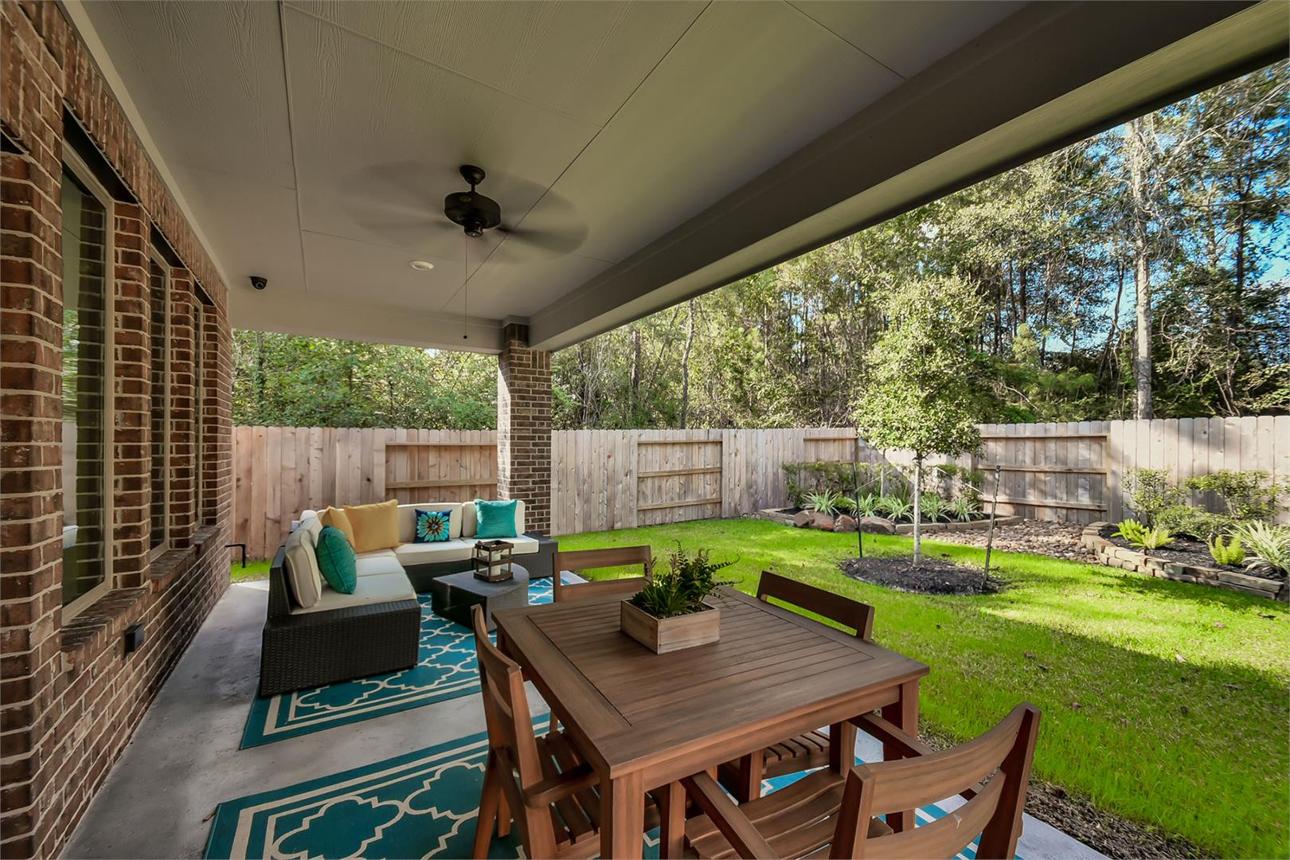
You Spent a Lot on the Backyard. Will Buyers Value It the Same Way?
You Spent Thousands on Your Woodforest Backyard—But Will Buyers Value It the Same Way?
You built the backyard exactly how you wanted it.
Covered patio.
Outdoor kitchen.
Fire pit.
Landscape lighting.
Artificial turf.
Pergola.
Maybe custom landscaping.
Maybe a putting green.
Maybe an elaborate entertaining area.
You know what everything cost.
So when it is time to sell, the calculation seems obvious:
“We put $80,000 into the backyard. That should add $80,000 to the house.”
Unfortunately, resale value rarely works that cleanly.
The improvements may absolutely make your Woodforest home:
More desirable.
More memorable.
More competitive.
Potentially more valuable.
But the buyer decides how much those features are worth to them.
Your job is to make the backyard feel like an intentional extension of the home, not a collection of expensive projects the buyer is expected to reimburse.
Start With the Complete Experience
Do not market:
$15,000 pergola.
$20,000 kitchen.
$8,000 lighting.
$10,000 landscaping.
as separate dollar amounts.
Show buyers what those improvements created:
A finished outdoor-living environment.
That is the product they are buying.
Original Cost Is Not Resale Value
This is one of the hardest concepts for sellers.
You may have spent significantly on a feature because:
You selected premium materials.
Labor was expensive.
Site preparation was complicated.
You wanted something highly customized.
That does not guarantee the next buyer assigns the same value.
Keep receipts for documentation.
Do not use them as your appraisal formula.
Separate Broad Appeal From Personal Preference
Some improvements may appeal to a wide range of buyers:
Covered patio.
Quality landscaping.
Outdoor kitchen.
Useful lighting.
Additional seating.
Other features may appeal to a narrower group:
Putting green.
Large sports court.
Highly specialized cooking equipment.
Extensive water feature.
Very elaborate themed landscaping.
Neither category is necessarily bad.
They simply require different marketing expectations.
A Covered Patio Is Easy for Buyers to Understand
It creates:
Shade.
Outdoor dining.
Seating.
Protection from weather.
If your patio is a major feature, show how it connects to:
Kitchen.
Living room.
Pool or yard.
The relationship matters.
Clean the Ceiling and Fans
Sellers often prepare the patio floor but forget to look up.
Check:
Ceiling.
Fans.
Light fixtures.
Corners.
Spider webs.
A premium outdoor space needs the same preparation as the interior.
Outdoor Kitchens Need to Function
If your backyard includes:
Grill.
Refrigerator.
Sink.
Burner.
Ice maker.
make sure the installed equipment works.
A beautiful outdoor kitchen with three broken appliances quickly becomes:
“How much will this cost us?”
Know What Conveys
Built-in equipment may be treated differently from:
Portable grill.
Furniture.
Television.
Freestanding refrigerator.
Clarify what is included through the transaction rather than letting buyers assume.
Clean the Grill
This sounds minor.
It is not.
A filthy built-in grill makes an expensive outdoor kitchen feel heavily used.
Deep clean:
Grates.
Exterior.
Counters.
Cabinets.
Pergolas Should Look Structurally Maintained
Check:
Wood condition.
Paint or stain.
Fasteners.
Roofing or shade material.
Lighting.
Do not let peeling stain make the buyer question an otherwise attractive structure.
Fire Features Need Testing
If you have a:
Gas fire pit.
Outdoor fireplace.
Built-in fire feature.
test it.
Know how it operates.
Do not wait until the inspection period to discover it no longer works.
Artificial Turf Can Be Polarizing
Some buyers may love:
Lower lawn maintenance.
Consistent appearance.
No muddy areas.
Others may prefer:
Natural grass.
Do not argue either position.
Describe what exists and show it cleanly.
Turf Needs to Be Maintained Too
Before listing:
Remove debris.
Brush flattened areas if appropriate.
Address visible seams or damaged sections.
Clean pet areas carefully.
“Low maintenance” does not mean:
No maintenance.
Putting Greens Need a Broader Story
A golf enthusiast may immediately love it.
Another buyer may see:
Space they would rather use differently.
Market the overall backyard first.
The putting green is an additional feature—not necessarily the entire identity of the property.
Do Not Say “Easy to Remove”
unless you know exactly what removal involves.
Buyer may need:
Demolition.
Soil work.
Irrigation changes.
New sod.
Let them evaluate future modifications.
Landscape Lighting Can Be a Great Twilight Feature
If professionally installed and functioning:
Use it.
Twilight photography can showcase:
Trees.
Patio.
Walkways.
Architecture.
But test every fixture before the photographer arrives.
Replace Burned-Out Landscape Lights
One dark section makes buyers wonder whether:
Bulbs are out.
Wiring failed.
System is damaged.
Handle small maintenance issues first.
Mature Landscaping Should Frame the Space
Trim:
Overgrown shrubs.
Dead branches.
Plants blocking pathways.
But do not remove established landscaping simply to make the yard look larger.
The goal is:
Intentional.
Not empty.
Too Much Landscaping Can Feel Like Work
A seller may love maintaining:
Twenty flower beds.
Specialty plants.
Extensive gardens.
The buyer may see:
Saturday morning maintenance.
Simplify presentation where appropriate.
Provide Irrigation Information
If the property has:
Sprinkler system.
Drip irrigation.
Dedicated zones.
know the basics.
Do not promise water usage or future landscape costs.
Water Features Need to Work
Fountain.
Pond.
Waterfall.
If it is built into the backyard design, buyers will notice when it is turned off.
If functioning:
Clean it.
Run it.
If not:
Determine the problem before listing.
Do Not Use Sound to Hide Problems
A fountain can create pleasant ambience.
It should not be used to conceal:
Mechanical noise.
Road noise.
Other material conditions.
Outdoor Televisions and Electronics Need Clarity
Buyer sees:
TV.
Speakers.
Mounted equipment.
They may assume everything stays.
Clarify inclusions.
Furniture Should Show Scale
Use enough furniture to communicate:
Dining.
Conversation.
Lounging.
But do not fill every square foot.
Buyers need to see the patio itself.
Remove Excess Decorations
Outdoor signs.
Multiple rugs.
Too many planters.
Seasonal décor.
Children's equipment.
can visually shrink the backyard.
Simplify.
Show Some Open Space
Even an elaborate outdoor-living area benefits from:
Visual breathing room.
Buyers want to understand whether they can personalize the property later.
Photography Should Explain the Layout
Use:
One wide backyard image.
Patio image.
Feature image.
Twilight image where justified.
Possibly aerial photography.
Do not use fifteen close-ups of:
Grill.
Fire pit.
Lights.
Countertops.
Buyers need the complete picture.
Drone Photography Can Be Especially Helpful
Aerial imagery can show:
Home.
Patio.
Backyard improvements.
Lot.
Neighbor spacing.
Community context.
This helps buyers understand whether improvements complement the lot or overwhelm it.
Do Not Digitally Add Grass
If the backyard has:
Turf.
Hardscape.
Landscape beds.
show the actual configuration.
Do not digitally create a lawn the buyer will not find at the showing.
HOA Documentation Matters
Woodforest's HOA framework may affect exterior modifications such as fencing, landscaping changes, and additions, so sellers should organize any available approval documentation for substantial exterior projects.
That may include records relating to:
Patio additions.
Pergolas.
Structures.
Fencing.
Other exterior modifications.
Do Not Assume Previous Approval Transfers to a New Project
A buyer may ask:
“Can we extend the patio another 20 feet?”
Your existing improvement does not automatically establish approval for theirs.
Encourage buyers to verify current requirements.
Permits May Matter Too
Depending on the project and applicable requirements, buyers may ask whether improvements were permitted.
Organize:
Permits.
Invoices.
Plans.
Warranties.
Approvals.
when available.
Do not invent missing documentation.
Warranties Can Add Confidence
If you have transferable warranties for:
Outdoor appliances.
Roof structure.
Turf.
Lighting.
Equipment.
provide the details.
Verify transferability before advertising it.
Outdoor Improvements Still Require Maintenance
Do not call the backyard:
“Maintenance-free.”
Nearly everything requires some care.
Better:
Describe the physical features.
Let buyers decide whether the maintenance fits their preferences.
The Backyard Should Connect to the Interior
Open the blinds.
Clean the patio doors.
Stage the kitchen.
The transition from:
Kitchen → patio → backyard
should feel natural.
This is especially important when outdoor living is a major selling feature.
Do Not Let Dirty Glass Ruin the View
Large patio doors covered in:
Fingerprints.
Pet marks.
Hard-water spots.
immediately reduce the effect.
Clean inside and outside.
Pet Damage Needs Attention
Check:
Turf.
Grass.
Fence.
Doors.
Landscape beds.
Odor.
Buyers should not associate the custom backyard with pet-related repairs.
Drainage Still Matters
Hardscape and landscaping can alter how water moves around a property.
If there are known:
Drains.
French drains.
Catch basins.
document what exists.
Do not guarantee that the yard can never experience drainage issues.
Pricing Needs Market Evidence
The question is not:
“What did our backyard cost?”
The better question is:
“How much more are buyers currently willing to pay for homes offering this type of finished outdoor living?”
Look for comparables with:
Covered patios.
Outdoor kitchens.
Pools where relevant.
Similar lots.
Comparable home condition.
Do Not Add Every Improvement Dollar to the List Price
$30,000 patio.
$20,000 kitchen.
$15,000 landscaping.
does not automatically mean:
+$65,000 market value.
The features interact as one property package.
The Backyard Can Still Improve Marketability
Even when improvements do not return every dollar, they may help:
Create stronger photography.
Increase buyer interest.
Differentiate the home.
Reduce projects buyers need after closing.
That has value too.
Competing New Construction Matters
A buyer may compare your resale with a newer Woodforest home.
Your advantage may be:
The backyard is already finished.
No contractor.
No design process.
No waiting.
No immediate landscape project.
That can be compelling.
But Avoid Claiming Buyers “Save” the Full Construction Cost
They are purchasing an existing improvement.
That is different from receiving its entire original cost as savings.
Use the “Would Most Buyers Understand This Feature?” Test
Covered patio?
Easy.
Highly specialized feature?
Needs better context.
Use the “Does Everything Work?” Test
Grill.
Lighting.
Fire pit.
Irrigation.
Water feature.
Test them.
Use the “Can Buyers Personalize This?” Test
A highly customized backyard should still leave buyers room to imagine themselves there.
Use the “Do We Have the Paperwork?” Test
Approvals.
Permits.
Warranties.
Invoices.
Organize what exists.
Woodforest Custom Backyard Seller Scorecard
Before listing, evaluate:
Patio
Clean and maintained?
Outdoor Kitchen
Equipment functioning?
Pergola
Condition good?
Fire Features
Tested?
Turf
Clean and maintained?
Landscaping
Intentional rather than overgrown?
Lighting
Working?
Irrigation
Basic information available?
Water Features
Functional?
Furniture
Properly scaled?
Yard
Layout easy to understand?
HOA
Available approval records organized?
Permits
Available documentation collected?
Warranties
Transferability checked?
Photography
Whole backyard shown?
Pricing
Based on buyer demand rather than project cost?
Final Thoughts
A highly customized Woodforest backyard can absolutely help your home stand out.
But buyers are not purchasing your receipts.
They are purchasing:
The experience.
The functionality.
The condition.
The convenience of having the work already completed.
So make the backyard feel finished.
Clean the patio.
Test the grill.
Turn on the lighting.
Maintain the landscaping.
Repair the pergola.
Organize HOA and project records.
Remove excessive décor.
And photograph the entire space—not just the expensive individual features.
Most importantly, price the home based on what today's market says the complete property is worth.
Because the strongest buyer reaction is not:
“They spent a fortune back here.”
It is:
“We wouldn't have to do anything to this backyard. We could start enjoying it immediately.”
That is where your investment becomes meaningful to the next owner.
Frequently Asked Questions
Does a custom backyard increase a Woodforest home's value?
It can. The contribution depends on the quality, condition, broad buyer appeal, lot, home price, current competition, and comparable sales.
Will I recover everything I spent on my outdoor kitchen?
Not necessarily. Original construction cost and resale value are different.
Should I remove a highly personalized backyard feature?
Not automatically. Consider removal cost, buyer response, overall presentation, and whether the feature limits the property's appeal before making that decision.
Should I provide HOA approval paperwork?
If you have documentation for significant exterior improvements, organizing it can help answer buyer questions. Woodforest HOA guidance notes that certain exterior changes may require approval.
Can I tell buyers they can add another structure later?
Avoid guaranteeing future modifications. HOA requirements and other applicable rules should be verified for the buyer's proposed project.
Is artificial turf a selling advantage?
For some buyers, yes. Others prefer natural grass. Focus on its condition and the overall backyard design rather than assuming everyone will value it equally.
Should I include outdoor furniture?
Tasteful furniture can help demonstrate scale and function, but clarify what actually conveys with the property.
Is twilight photography worthwhile?
It can be especially effective when the property has quality landscape lighting, fire features, a covered patio, or an outdoor kitchen.
Should I market how much the improvements cost?
An improvement record can provide useful context, but avoid implying that every dollar spent adds an equal dollar of resale value.
What's the biggest takeaway?
When selling a Woodforest home with a highly customized backyard, sell the finished experience rather than the project receipts. Show buyers how the outdoor space functions, document the improvements, verify what you can, and let current market evidence determine the value.