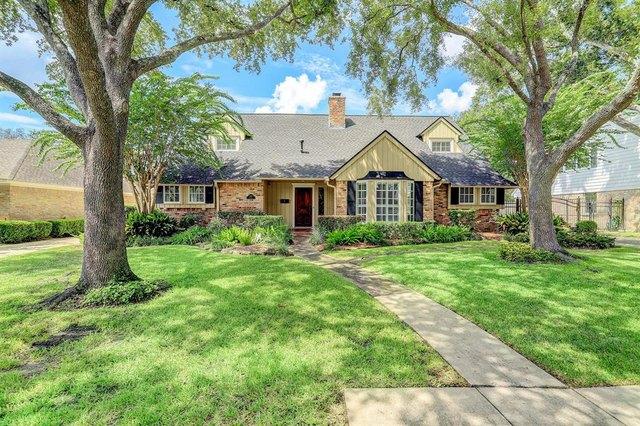
Your Spring Home Isn't Brand New—and That May Be Exactly Why the Right Buyer Wants It
Your Spring Home Is 20, 30, or 40 Years Old—Stop Trying to Apologize for It
The buyer walks into the house.
They like:
The neighborhood.
The trees.
The yard.
The room sizes.
Then they ask:
“What year was the home built?”
The seller immediately becomes defensive.
“It's older, but...”
Stop.
Age is a fact.
It is not automatically a defect.
Many established homes in Spring offer characteristics buyers may struggle to find in newer construction at a comparable price:
Mature trees.
Established streets.
Larger yards.
Traditional room proportions.
Completed landscaping.
Finished patios.
Pools.
Storage.
Known surroundings.
The challenge is not hiding the home's age.
The challenge is showing buyers that older does not have to mean neglected.
Start With the Major Systems
Before worrying about:
Throw pillows.
Decor.
Kitchen accessories.
know the basics.
Buyers of an established home may immediately ask about:
Roof.
HVAC.
Water heater.
Electrical system.
Plumbing.
Foundation.
Windows.
Major appliances.
Create a Home Systems Timeline
Make a simple record:
Roof — year replaced or repaired.
HVAC — installation dates.
Water heater — installation date.
Windows — replacement year if applicable.
Electrical work — major updates.
Plumbing — significant work.
Foundation — repairs or evaluations if applicable.
Do not guess.
Documentation Changes the Conversation
Compare:
“I think the AC is about six years old.”
with:
“Upstairs HVAC replaced in 2021; invoice available.”
Specific information creates confidence.
Do Not Call Something “New” Forever
A roof replaced:
Seven years ago
is not:
“New roof.”
Say:
“Roof replaced in 2019.”
when accurate.
Buyers Care About Effective Age
A 30-year-old house may have:
Five-year-old roof.
Three-year-old HVAC.
Updated plumbing.
Renovated kitchen.
Newer windows.
The construction year alone does not tell the whole story.
But Renovations Do Not Reset the Build Date
Do not market:
“Basically a new home.”
It is still an established home with improvements.
That is perfectly fine.
Know What Was Actually Renovated
Seller says:
“Completely remodeled.”
Buyer discovers:
Original electrical panel.
Original plumbing.
Original windows.
Original HVAC.
Maybe the home was:
Cosmetically renovated.
That is different from a comprehensive renovation.
Use Precise Renovation Language
Instead of:
“Fully remodeled.”
consider:
“Kitchen renovated in 2023 with new cabinetry, countertops, backsplash, and appliances.”
when accurate.
Cosmetic Updates Still Matter
Not every improvement needs to be structural.
Fresh:
Paint.
Flooring.
Lighting.
Hardware.
Fixtures.
can make an established home feel current.
Do Not Over-Renovate Before Selling
An older home does not automatically need:
New kitchen.
New bathrooms.
New flooring everywhere.
Before spending heavily:
Understand the price range and competition.
Start With Condition Before Style
Fix:
Leaks.
Broken hardware.
Damaged caulk.
Loose doors.
Nonworking lights.
Visible drywall damage.
Then consider cosmetic improvements.
Buyers Forgive Dated More Easily Than Neglected
An older bathroom that is:
Clean.
Functional.
Well maintained.
can be acceptable.
An updated bathroom with:
Loose faucet.
Cracked grout.
Water stain.
Broken fan.
creates concern.
Deep Cleaning Is Critical
Older homes can accumulate:
Dust in vents.
Grime on trim.
Hard-water buildup.
Dirty grout.
Cabinet residue.
Window-track debris.
A professional deep clean can dramatically improve perception.
Odor Can Make a Home Feel Older
Buyers may associate:
Mustiness.
Pet odors.
Heavy fragrance.
Smoke.
with property condition.
Identify the source.
Do not simply cover it with:
Plug-ins.
Candles.
Air freshener.
Mature Trees Can Be a Major Advantage
A newer neighborhood may need years to develop:
Shade.
Canopy.
Natural screening.
Your Spring property may already have it.
Trim appropriately.
Do not remove healthy mature landscaping just to make the property look newer.
Established Landscaping Should Look Intentional
There is a difference between:
Mature.
and:
Overgrown.
Trim:
Shrubs.
Trees.
Ground cover.
Remove:
Dead plants.
Weeds.
Excess vines.
Lot Size Can Change the Comparison
A buyer may compare:
Newer home on smaller lot.
versus:
Established Spring home with larger backyard.
Show the difference.
Do Not Assume Buyers Notice Lot Size
Photograph:
Side yards.
Backyard depth.
Patio.
Trees.
Garden.
Pool.
Play area.
Help buyers understand the space.
Outdoor Improvements Can Be Expensive to Recreate
Your home may already have:
Fence.
Sprinkler system.
Covered patio.
Pool.
Outdoor kitchen.
Shed.
Landscaping.
These can be meaningful.
Do Not Add Their Original Cost Directly to the Price
Improvement cost and market value are different.
Use them to explain:
Completeness.
Convenience.
Lifestyle.
Traditional Floor Plans Can Appeal to Some Buyers
Not everyone wants:
One enormous open room.
Some buyers prefer:
Separate office.
Formal dining.
Defined living spaces.
Quiet rooms.
Do not automatically assume walls are a disadvantage.
But Small Dark Rooms Need Help
Open:
Blinds.
Remove:
Heavy curtains.
Oversized furniture.
Dark décor.
Improve lighting.
Furniture Scale Matters
Large furniture can make an older room look smaller than it is.
Remove unnecessary pieces.
Formal Dining Rooms Need a Purpose
If your home has one:
Stage it as:
Dining room.
Office.
Flex space.
But avoid creating an identity crisis with:
Desk + treadmill + dining table + storage.
Older Kitchens Can Still Compete
If you are not remodeling:
Clear counters.
Clean cabinets.
Update inexpensive hardware if appropriate.
Repair damaged caulk.
Improve lighting.
Clean appliances.
Do Not Paint Quality Wood Cabinets Automatically
Some buyers like:
Natural wood.
Traditional cabinetry.
Original character.
Evaluate the complete design before changing it.
Ceiling Height Can Be a Buyer Comparison
Newer homes may advertise:
High ceilings.
Large windows.
Open plans.
If your home has:
Vaulted ceiling.
Two-story room.
Large windows.
Architectural detail.
show it prominently.
If Ceilings Are Lower, Do Not Fight Them
Use:
Appropriate furniture.
Lighter visual presentation.
Simple fixtures.
Clean walls.
Storage Can Be an Established-Home Advantage
Older homes sometimes have:
Built-ins.
Large closets.
Garage cabinetry.
Attic storage.
Utility-room storage.
Show it.
But Packed Storage Looks Small
Declutter:
Closets.
Pantry.
Garage.
Attic access areas.
Buyers are evaluating capacity.
Garage Condition Matters
A clean garage says:
“The house has been maintained.”
An overflowing garage says:
“We ran out of storage.”
Original Windows Will Get Questions
If windows have not been replaced:
Do not panic.
But know:
Condition.
Operation.
Visible damage.
Repair obvious broken hardware where appropriate.
Do Not Promise Energy Efficiency
Unless supported.
Avoid:
“These windows keep electric bills incredibly low.”
Historical Utility Bills Can Provide Context
If buyers ask:
You may provide your experience.
But their usage and costs may differ.
Electrical Questions May Come Up
Especially in an older home.
If significant electrical updates were completed:
Keep documentation.
Do not personally certify:
“Everything is completely up to current code.”
unless appropriately verified.
Plumbing Questions May Come Up Too
If you have completed:
Repiping.
Water-line work.
Sewer-line work.
Fixture replacement.
keep records.
Foundation Questions Can Become Emotional
In the Houston area, buyers often pay close attention to foundation conditions.
If you have:
Repair documentation.
Engineering reports.
Transferable warranty information.
organize it.
Do Not Hide Foundation Repairs
A documented repair may create more confidence than:
An unexplained crack.
Transferable Warranties Can Matter
Verify:
Whether the warranty transfers.
How.
Whether there is a fee.
What is covered.
Do not simply say:
“Lifetime warranty.”
Drainage Is Part of the Established-Lot Story
Look at:
Gutters.
Downspouts.
Swales.
Drains.
Grading.
Standing-water areas.
Address obvious maintenance.
Older Neighborhood Does Not Mean Older Lifestyle
Your marketing should connect the home to:
Current daily living.
Not nostalgia alone.
Location May Be the Advantage New Construction Cannot Copy
An established Spring home may offer convenient access to:
Employment centers.
Shopping.
Dining.
Major roads.
Parks.
Existing community services.
Location should be part of the value comparison.
Do Not Use Generic Location Claims
Avoid:
“Close to everything!”
Tell buyers what actually matters.
Neighborhood Maturity Creates Certainty
Buyer can already see:
Neighboring houses.
Street trees.
Traffic patterns.
Lot relationships.
Community appearance.
That certainty may be valuable.
New Construction May Still Be the Right Choice for Some Buyers
That is fine.
Do not attack it.
Your goal is to attract buyers who value what your property already provides.
Price Must Reflect Reality
Age does not automatically mean:
Cheap.
But an established home cannot be priced based only on:
What the seller needs.
Renovation cost.
Emotional attachment.
Compare:
Condition.
Updates.
Lot.
Location.
Size.
Competition.
Renovated Homes Need Better Comparables
Do not compare a substantially updated home only with:
Unrenovated homes.
Likewise, do not compare a lightly updated home with:
Complete high-end renovations.
New Construction Should Be Part of the Competitive Review
Even if it is not your direct comparable:
Buyers may still tour it.
Know what they can purchase for a similar budget.
Use the “Old or Maintained?” Test
Your home should answer:
Maintained.
Use the “What Has Been Replaced?” Test
Create the timeline.
Use the “What Can New Construction Not Recreate Today?” Test
Trees?
Lot?
Location?
Finished backyard?
Find it.
Use the “Are We Updating for Buyers or for Ourselves?” Test
Spend carefully.
Spring Established-Home Seller Scorecard
Before listing, evaluate:
Roof
Age documented?
HVAC
Age documented?
Water Heater
Age documented?
Windows
Condition reviewed?
Electrical
Major work documented?
Plumbing
Major work documented?
Foundation
Records available?
Warranties
Transferability verified?
Drainage
Maintained?
Repairs
Completed?
Paint
Presentable?
Flooring
Clean?
Kitchen
Show-ready?
Bathrooms
Show-ready?
Lighting
Working?
Odors
Addressed?
Trees
Maintained?
Landscaping
Trimmed?
Backyard
Showcased?
Storage
Decluttered?
Garage
Organized?
Improvement Timeline
Created?
Photography
Established-home advantages visible?
Pricing
Newer competition considered?
Final Thoughts
Your Spring home does not need to pretend it was built yesterday.
In fact:
Trying too hard to hide its age can weaken the very features that make it attractive.
The mature trees.
The established yard.
The larger lot.
The traditional architecture.
The finished patio.
The pool.
The known neighborhood.
Those things took time.
The seller's job is to make sure:
Age looks like establishment—not deferred maintenance.
Before listing:
Document major systems.
Complete obvious repairs.
Deep clean.
Declutter.
Address odors.
Trim landscaping.
Open the rooms visually.
Organize maintenance records.
Verify warranties.
Create an improvement timeline.
Then price against what buyers can actually choose.
Do not introduce the home by saying:
“It's older, but...”
Instead:
Show buyers what decades of ownership have already created.
Because a new home can offer:
New materials.
New finishes.
Unused systems.
But it cannot instantly create:
A mature shade tree.
An established streetscape.
A fully developed backyard.
Years of landscaping.
A particular location.
For the right Spring buyer, those things are not compromises.
They are the reason to choose the resale.
Frequently Asked Questions
Is it harder to sell an older home in Spring?
Not necessarily. Condition, location, pricing, lot characteristics, improvements, and competition may matter more to buyers than the construction year alone.
Should I renovate an older home before selling?
Not automatically. Start with repairs, maintenance, cleanliness, and presentation. Major renovations should be evaluated against their cost and likely market impact.
Should I replace an older HVAC system before listing?
Age alone does not automatically mean replacement is necessary. Consider condition, performance, professional evaluation, price strategy, and buyer expectations.
Should I disclose foundation repairs?
Known repairs and property conditions should be handled accurately under applicable disclosure requirements. Documentation and transferable warranty information can also help buyers understand previous work.
Are mature trees a selling advantage?
They can be. Mature trees may provide shade, character, and screening that newer properties cannot immediately reproduce, provided they appear properly maintained.
Should I provide buyers with renovation receipts?
Records for major renovations, system replacements, and significant repairs can help establish what was done and when.
Can I call my home “fully remodeled”?
Use precise language. If improvements were primarily cosmetic or certain major systems remain original, describing the specific renovations is generally clearer.
Should I compete directly with new-construction incentives?
Understand the incentives buyers are seeing, but do not automatically match them. Your resale may compete through location, lot, condition, improvements, landscaping, and immediate availability.
Does a larger lot help an older Spring home compete?
It can, especially when competing properties offer smaller yards. The market impact depends on the specific property and buyer demand.
What's the biggest takeaway?
When selling an established home in Spring, do not apologize for the construction year. Show buyers that the property has been maintained, document major improvements, emphasize difficult-to-recreate advantages such as mature landscaping and lot characteristics, and let the home's age tell a story of establishment rather than neglect.