The AC Works—So Why Is One Bedroom Still Warmer Than the Rest?
The AC Works—So Why Is One Room in Your Spring Home Always Warmer Than the Others?
The buyer walks through the house.
Living room?
Comfortable.
Kitchen?
Comfortable.
Primary bedroom?
Comfortable.
Then they walk upstairs.
“It feels warmer up here.”
Now the questions start.
Is the AC too small?
Are the ducts leaking?
Does the attic need more insulation?
Is there poor airflow?
Are the windows causing it?
Does the entire HVAC system need replacement?
For a seller, this can be frustrating because:
The AC works.
But buyer comfort is about more than whether cold air comes out of the vents.
Established Spring homes may have HVAC systems, insulation, ductwork, windows, and attic conditions from different points in the property's history.
The seller's goal is not to diagnose every temperature difference.
It is to understand what you actually know before the buyer and inspector begin asking questions.
Start by Walking the Home on a Hot Afternoon
Do not evaluate comfort only at:
7 a.m.
On a mild day.
Walk through the home when the HVAC is actually working against warmer outdoor conditions.
Notice whether certain areas consistently feel:
Warmer.
Cooler.
More humid.
Stuffy.
Check Every Supply Vent
Make sure vents are:
Open.
Unblocked.
Clean.
A dresser, rug, or sofa blocking airflow can make a room feel warmer without indicating a major mechanical problem.
Do Not Close Vents to “Push More Air” Somewhere Else
Homeowners sometimes experiment with closing multiple registers.
That may not be appropriate for the HVAC system.
If airflow concerns exist:
Use a qualified HVAC professional rather than trying to rebalance the system by guesswork.
Replace Dirty HVAC Filters
This is simple.
A filthy filter can make buyers think:
“Nobody has maintained the AC.”
Even when the equipment itself has been serviced regularly.
Know the correct filter size and replacement schedule for your system.
Keep HVAC Service Records
If the system has received:
Seasonal maintenance.
Repairs.
Blower work.
Coil service.
Refrigerant-related repairs.
Thermostat replacement.
keep the invoices.
This separates:
Older house
from:
Neglected house.
HVAC Age and Ductwork Age May Be Different
Maybe the AC was replaced in 2022.
But the ductwork is older.
Do not say:
“Entire HVAC system replaced.”
unless that included:
Air handler.
Condenser.
Ductwork.
Controls.
Other relevant components.
Be specific.
Know What Was Actually Replaced
Better:
“Downstairs HVAC equipment replaced in 2023.”
than:
“Brand-new AC throughout.”
if another system or older ductwork remains.
Ductwork Is Easy for Sellers to Forget
Buyers may not see ducts during the showing.
Inspectors may see them in the attic.
Potential observations could involve:
Damaged insulation.
Disconnected sections.
Crushed flexible duct.
Visible deterioration.
Improvised repairs.
Do not wait until inspection day to learn what the attic looks like.
Look in the Attic Before Listing
Only if safely accessible.
You are not performing an inspection.
Simply look for obvious conditions such as:
Stored items blocking access.
Loose insulation.
Damaged ductwork visible from the access point.
Water stains.
Excessive debris.
Pest evidence.
Do Not Walk Through an Attic Unsafely
Attics can contain:
Unprotected areas between joists.
Electrical wiring.
Heat.
Low clearance.
Do not risk injury simply to prepare for a listing.
Use appropriate professionals when inspection is needed.
Attic Access Should Be Clear
Buyer inspectors may need access.
Do not stack:
Boxes.
Furniture.
Holiday decorations.
under the attic opening.
Clear a reasonable working area.
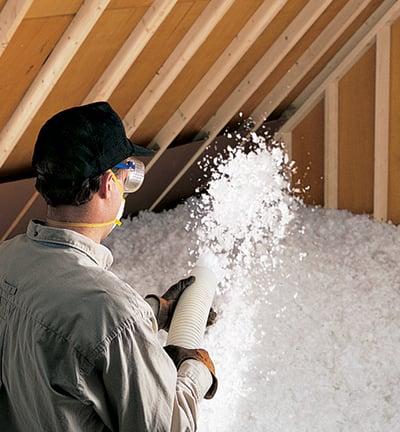
Insulation Depth Can Vary
One part of the attic may have:
More insulation.
Another less.
Additions and renovations may have different materials.
Do not advertise:
“R-38 insulation throughout”
unless you have documentation supporting that specific claim.
Avoid Guessing at Insulation Ratings
Seller looks at the attic and says:
“That's probably R-30.”
Do not.
Insulation performance depends on:
Material.
Thickness.
Installation.
Condition.
Use professional or installation documentation when making technical claims.
Older Insulation Does Not Automatically Need Replacement
Age alone may not mean:
Remove everything.
Start over.
The condition and performance matter.
Some sellers waste money because they assume:
“New insulation will automatically add value.”
First understand the current setup.
Low or Disturbed Insulation May Deserve Evaluation
If insulation is visibly:
Thin.
Missing.
Compressed.
Wet.
Contaminated.
or heavily disturbed,
professional assessment may make sense.
Water-Stained Insulation Is a Different Problem
Do not simply cover it with new insulation.
Find the source.
Potential causes may include:
Roof leak.
HVAC condensation.
Plumbing.
Other moisture.
Address the underlying condition first.
Moisture Questions Can Escalate Quickly
Buyer sees:
Dark attic stain.
Wet insulation.
Discolored wood.
Now the concern becomes:
Roof?
Leak?
Mold?
Do not diagnose from appearance alone.
Use appropriate professional evaluation.
Do Not Say “That's Just Old Water Damage”
unless you actually know.
Historical stains and active moisture are different conditions.
Documentation helps.
Bathroom Exhaust Fans Matter
Bathrooms produce moisture.
Buyers or inspectors may evaluate:
Fan operation.
Ventilation.
Where exhaust is directed.
Do not assume a noisy fan is functioning correctly.
Test Every Bathroom Fan
Turn it on.
Listen.
Check whether it operates.
A non-working fan is an easy maintenance issue to identify before listing.
Kitchen Ventilation Can Also Matter
If the kitchen has:
Range hood.
Downdraft.
Microwave vent.
know how it is configured.
Do not claim:
“Vents outside”
unless verified.
Uneven Temperature Does Not Automatically Mean Bad Insulation
Possible contributors can include:
Sun exposure.
Windows.
Duct design.
Airflow.
Thermostat location.
HVAC sizing.
Room position.
Ceiling height.
Insulation.
That is why seller diagnosis is risky.
West-Facing Rooms May Feel Different
A room receiving strong afternoon sun may naturally experience more heat gain.
You can describe orientation.
Do not dismiss buyer discomfort with:
“That's just Texas.”
Upstairs Rooms Often Get Extra Attention
Buyers may ask:
Is there a separate HVAC zone?
Second thermostat?
Dedicated system?
Single system?
Know the actual setup.
Zoned HVAC Should Be Documented
If the home has:
Multiple thermostats.
Motorized dampers.
Separate systems.
Smart zoning.
describe what is installed accurately.
Do Not Call Two Thermostats “Two HVAC Systems”
They may control:
Zones.
Separate units.
Different equipment.
Verify.
Smart Thermostats Are Easy to Highlight
If the home has a:
Nest.
Ecobee.
Other smart thermostat,
mention it if it conveys.
But do not imply a smart thermostat solves:
Duct problems.
Insulation issues.
Equipment limitations.
Ceiling Fans Can Improve Comfort Perception
Make sure installed fans:
Operate.
Do not wobble excessively.
Have working lights where applicable.
Have working remotes.
A buyer standing in a warm room under a dead ceiling fan notices.
Window Condition Can Affect Comfort Too
Fogged glass.
Failed seals.
Poorly fitting windows.
Heavy sun exposure.
can contribute to buyer perceptions of comfort.
Evaluate the whole room rather than blaming the HVAC immediately.
Solar Screens or Window Treatments May Help With Sun Exposure
If installed:
Show them accurately.
Do not guarantee specific energy savings.
Energy Bills Can Be Shared as Historical Context
If buyers ask:
“How much is electricity?”
you may choose to provide historical bills.
But your usage reflects:
Your thermostat settings.
Occupancy.
Pool use.
Appliances.
Work schedule.
Future buyer costs will differ.
Do Not Promise “Low Electric Bills”
Especially based on one unusually mild month.
Use actual historical data if you provide anything.
Insulation Improvements Should Be Documented
If you added insulation:
Know:
Year.
Contractor.
Material where documented.
Area treated.
Keep the invoice.
Radiant Barriers Need Accurate Description
Some attics have:
Radiant barrier decking.
Applied barrier.
Foil products.
Do not call every shiny attic surface:
“Energy-efficient radiant roof system.”
Use the actual installation information.
Attic Fans Need Testing
If the home includes:
Powered attic ventilation.
Whole-house fan.
Other ventilation equipment.
test what is installed.
Do not assume functionality.
Pest Damage Can Affect Insulation
Rodents or other pests may disturb:
Insulation.
Ductwork.
Wiring.
If you see evidence of an active problem:
Address it.
Do Not Add New Insulation Over an Active Pest Problem
Resolve the cause first.
Otherwise you may simply hide contamination or damage.
Air Duct Cleaning Is Not Automatically Necessary
Sellers may see advertisements suggesting every home needs duct cleaning.
Do not automatically purchase services simply to create a marketing claim.
Address actual condition and professional recommendations.
“Clean Ducts” Does Not Equal “Efficient HVAC”
Be careful with technical conclusions.
Duct Sealing or Replacement May Be Worth Considering
If a qualified HVAC professional identifies:
Significant leakage.
Damaged ducts.
Poor connections.
then repair may improve:
Comfort.
System performance.
Buyer confidence.
But do not replace the entire duct system based solely on age.
Additions Often Have Different Comfort Problems
If the home has:
Converted garage.
Enclosed patio.
Added room.
buyer may ask whether that space is properly conditioned.
Know whether it uses:
Central HVAC.
Mini-split.
Window unit.
Portable equipment.
Do Not Hide Supplemental Cooling
A portable AC sitting in a room tells buyers:
“Central air may not handle this space.”
If supplemental equipment is genuinely necessary:
Understand why before listing.
Mini-Splits Can Be Legitimate Permanent Systems
If professionally installed:
Document:
Manufacturer.
Installation date.
Service history.
Do not treat them automatically as evidence of a problem.
Pre-Listing HVAC Evaluation May Help
Especially when:
Rooms have noticeable temperature differences.
Ductwork is older.
Insulation is visibly inconsistent.
Buyer complaints are anticipated.
System maintenance is overdue.
A professional can help distinguish:
Maintenance.
Airflow.
Equipment.
Insulation.
Duct-related issues.
Do Not Promise a Perfectly Even Temperature
No home necessarily holds every room at the identical temperature under every condition.
Avoid:
“Every room stays exactly 72 degrees.”
Buyer Inspections May Raise Recommendations
An inspector may suggest:
HVAC evaluation.
Insulation improvement.
Duct repair.
Ventilation correction.
Further inspection.
That does not automatically mean:
Replace everything.
Get qualified information.
Seller Credits May Sometimes Be Considered
If a significant issue is identified, negotiations may involve:
Repair.
Replacement.
Credit.
Price.
Other agreed terms.
The appropriate approach depends on:
Contract.
Buyer financing.
Cost.
Seller goals.
New Insulation Is Not Automatically a Dollar-for-Dollar Upgrade
If you spend:
Several thousand dollars,
the home does not automatically increase by the same amount.
The benefit may be:
Improved comfort.
Reduced buyer objections.
Better presentation.
Buyer Comfort During Showings Is Critical
Do not try to save a few dollars by setting the thermostat very high while the home is listed.
A buyer who feels hot immediately starts looking for:
HVAC problems.
Insulation issues.
Bad windows.
The home should feel comfortable.
Use the “Does Every Room Feel Reasonable?” Test
Walk it.
Use the “HVAC or Something Else?” Test
Do not diagnose.
Use the “Can We Document the Upgrade?” Test
Insulation?
Ducts?
Equipment?
Find records.
Use the “Will the Inspector Have Access?” Test
Clear the attic.
Spring Attic & Airflow Seller Scorecard
Before listing, evaluate:
HVAC Filters
Clean?
HVAC Service
Current?
Supply Vents
Open and unobstructed?
Room Temperatures
Major differences noticed?
Ductwork
Known condition?
Attic Access
Clear?
Insulation
Visible condition reviewed?
Water Stains
Cause understood?
Bathroom Fans
Working?
Kitchen Ventilation
Known?
Ceiling Fans
Working?
Thermostats
Working?
HVAC Zones
Accurately described?
Windows
Known comfort issues?
Solar Screens
Accurately represented?
Attic Equipment
Working?
Pest Evidence
Addressed?
Improvements
Documented?
Energy Bills
Historical only?
Pricing
No unsupported energy premium?
Final Thoughts
A Spring home does not need brand-new ductwork and insulation to sell well.
But buyers need to feel comfortable.
And when one room is noticeably warmer than another, they start searching for explanations.
Maybe the issue is simple.
Blocked vent.
Dirty filter.
Strong afternoon sun.
Maybe it deserves professional attention.
Ductwork.
Insulation.
HVAC balancing.
Another condition.
The seller's job is not to diagnose the answer.
It is to stop ignoring the question.
Before listing:
Walk every room during warm weather.
Change filters.
Clear vents.
Service the HVAC when appropriate.
Check the attic access.
Review visible insulation.
Look for moisture.
Test exhaust fans.
Organize records from previous HVAC and insulation work.
Address known duct problems.
Then keep the house comfortable for showings.
Do not tell buyers:
“The upstairs is always hotter because this is Texas.”
Do not promise:
“The new insulation cut our bills by 40%.”
unless you have reliable support.
And do not assume:
“The AC works, so nothing else matters.”
Comfort is a system.
HVAC.
Ducts.
Insulation.
Windows.
Sun exposure.
Ventilation.
All work together.
Your goal is not to make buyers believe the house uses no energy.
It is to make them feel:
“This established Spring home has been maintained thoughtfully, and the seller understands how its systems work together.”
That confidence is much stronger than simply lowering the thermostat five degrees before every showing.
Frequently Asked Questions
Should I add attic insulation before selling my Spring home?
Not automatically. Consider current condition, professional recommendations, comfort issues, installation cost, buyer expectations, and likely market impact first.
Does older insulation need to be removed?
Not solely because of age. Condition, moisture, contamination, compression, and the type of insulation may matter. Obtain professional guidance when needed.
Does one warm bedroom mean the HVAC system is failing?
No. Temperature differences can have multiple causes, including airflow, sun exposure, ductwork, insulation, windows, and HVAC configuration.
Should I replace old ductwork before selling?
Not simply because it is old. Damaged, disconnected, or poorly performing ductwork may deserve repair or replacement based on professional evaluation.
Can I advertise an insulation R-value?
Only when you have reliable documentation or appropriate professional information supporting the claim.
Should I provide electric bills to buyers?
You may provide historical bills for context, but they should not be presented as guaranteed future utility costs because buyer usage and rates may differ.
Does new insulation increase home value by what it costs?
Not necessarily. It may improve comfort and marketability without creating a dollar-for-dollar increase in value.
Should attic access be cleared for inspections?
Yes. Buyers and inspectors may need reasonable access to attic areas, HVAC equipment, and visible insulation.
Should I have the HVAC professionally evaluated before listing?
It may be useful if service is overdue, rooms have significant temperature differences, ductwork concerns exist, or you want to reduce surprises during buyer inspections.
What's the biggest takeaway?
When selling a Spring home with older attic insulation or ductwork, do not assume a working AC answers every comfort question. Check airflow, document previous improvements, address visible concerns, keep attic access clear, and use qualified professionals when temperature or moisture issues need a real diagnosis.