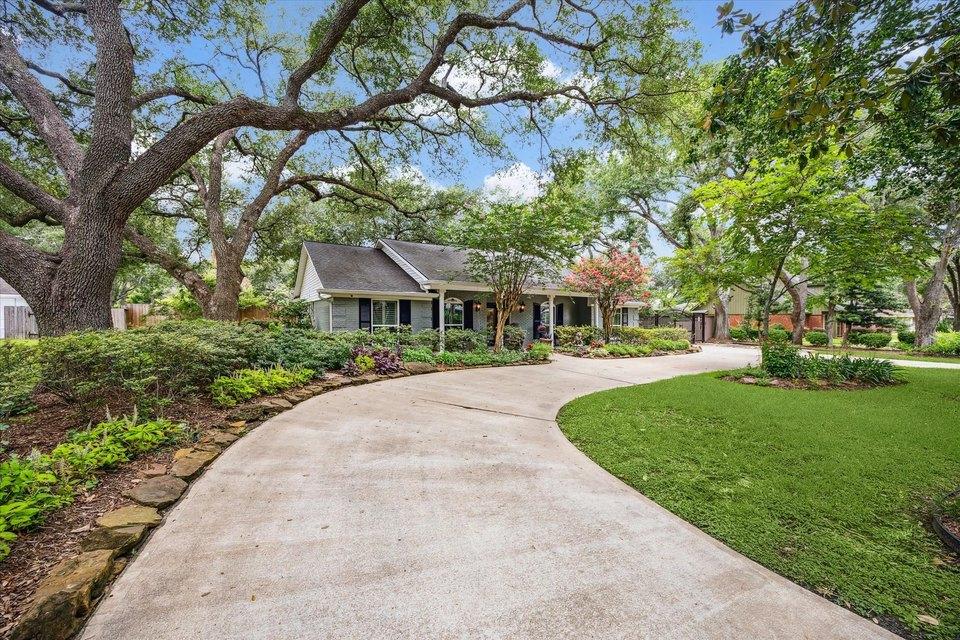
Buyers Haven’t Even Opened the Front Door—and They Already Noticed the Driveway
Buyers Haven’t Even Walked Inside Yet—And They’re Already Looking at the Cracks in Your Driveway
The buyer pulls into the driveway.
Before they see:
Kitchen.
Primary bedroom.
Backyard.
Pool.
They see:
Concrete.
A long crack runs across the driveway.
One sidewalk section sits slightly higher than the next.
The patio has a few visible cracks.
Now the buyer starts wondering:
“Is this just old concrete?”
Or:
“Is something moving?”
Or:
“How much will this cost to fix?”
This is a common seller problem because concrete is one of those things homeowners stop noticing.
You drive over the same crack every day.
You step over the same uneven sidewalk.
Eventually:
It disappears to you.
To the buyer:
It is brand new.
The goal is not automatically to replace every cracked slab before selling.
It is to understand whether you are dealing with:
Normal wear.
A cosmetic issue.
A trip hazard.
Drainage-related movement.
A larger concern that deserves professional evaluation.
Start With the Entire Property Walk
Do not look only at the driveway.
Walk:
Front sidewalk.
Walkway to entry.
Driveway.
Garage apron.
Side yard.
Back patio.
Pool deck.
Steps.
Any detached-building slab.
Make a list of visible conditions.
Not Every Crack Means Something Major
Concrete can crack for many reasons.
A seller should not automatically diagnose:
Foundation movement.
Soil failure.
Tree-root damage.
Drainage failure.
Likewise, do not automatically say:
“That's completely normal.”
when you have no basis for the conclusion.
Cosmetic and Functional Issues Are Different
A narrow surface crack may affect appearance.
A slab with a significant height difference may affect:
Walking.
Drainage.
Vehicle access.
Buyer perception.
Separate:
Looks imperfect
from:
Does not function well.
Trip Hazards Deserve Special Attention
Buyer catches a shoe on a raised sidewalk.
That becomes memorable very quickly.
Walk the path from:
Street.
Driveway.
Front door.
Backyard.
Ask:
Could someone reasonably trip here?
If yes:
Evaluate repair options.
Do Not Hide Uneven Concrete With a Rug
Outdoor rugs can be decorative.
They should not be used to conceal a known hazard.
Buyers and inspectors may notice it later anyway.
Driveway Cracks Affect Curb Appeal
A beautiful Spring home can still feel poorly maintained if the driveway is:
Dirty.
Heavily cracked.
Covered in oil stains.
Full of weeds.
Start with cleaning.
Pressure Washing Can Make a Big Difference
When appropriate for the surface:
Clean:
Dirt.
Mildew.
Leaves.
General staining.
But pressure washing does not repair structural damage.
Do not use cleaning to disguise deterioration.
Oil Stains Should Be Addressed
A large dark stain makes buyers think:
“Old garage. Old driveway. Maintenance.”
Professional or appropriate concrete cleaning may improve presentation.
Weed Growth Makes Cracks Look Worse
Vegetation growing through concrete immediately emphasizes:
Neglect.
Remove weeds and maintain joints appropriately.
Do Not Fill Every Crack With Messy Sealant
A rushed DIY patch job can look worse than the original crack.
If cosmetic repairs are appropriate:
Use suitable materials and methods.
Crack Repair and Slab Repair Are Different
Filling a surface crack may address appearance.
It does not necessarily correct:
Settlement.
Heaving.
Height differences.
Drainage.
Understand the condition first.
Uneven Slabs May Have Several Potential Causes
Buyers may speculate about:
Soil movement.
Roots.
Water.
Original installation.
Settling.
Do not join the speculation.
If the condition is significant:
Have it evaluated.
Tree Roots May Come Up
Established Spring homes often have mature trees.
A raised walkway near a tree may cause buyers to say:
“The roots are pushing this up.”
Maybe.
Maybe not.
Do not cut major roots solely to flatten concrete without appropriate professional guidance.
Mature Trees and Concrete Need Balanced Decisions
Removing a valuable tree to improve one sidewalk section may be an overreaction.
Consider:
Tree health.
Location.
Repair options.
Buyer appeal.
Cost.
Professional advice.
Drainage Can Affect Concrete
Look at where water goes during rain.
Does it:
Run across driveway?
Pool near garage?
Collect beside patio?
Flow toward foundation?
Drainage concerns and concrete movement can sometimes appear together.
Do not assume one automatically caused the other.
Check the Garage Threshold
A driveway that slopes toward the garage may cause buyers to ask about:
Water intrusion.
Drainage.
Previous flooding.
Know the actual history.
Do Not Say “Water Never Gets in the Garage” Unless You Know
If water has entered:
Handle known history accurately.
If it has not during your ownership:
You can provide that historical experience without guaranteeing the future.
Downspouts Can Affect Walkways and Driveways
A downspout dumping water directly onto:
Concrete.
Joint.
Walkway.
may contribute to staining or buyer concerns.
Check:
Discharge.
Extensions.
Drain connections.
Patio Cracks Matter Too
The backyard may be one of the home's strongest features.
A cracked patio can distract from:
Pool.
Outdoor kitchen.
Covered seating.
Landscaping.
Evaluate whether the issue is:
Cosmetic.
Functional.
Potentially hazardous.
Pool Decking Gets More Scrutiny
Water plus:
Cracks.
Uneven surfaces.
Loose coping.
can create buyer concern.
Do not confuse pool-deck repairs with general driveway repairs.
Specialized materials or construction may require specialized evaluation.
Expansion Joints Should Not Be Treated Like Random Cracks
Some lines in concrete are intentionally part of the installation.
Do not fill every joint because you think buyers will dislike seeing lines.
Stamped or Decorative Concrete Needs Different Care
If the property has:
Stamped patio.
Decorative overlay.
Stained concrete.
special finishes,
repair methods may affect appearance.
Use appropriate expertise.
Concrete Coatings Can Help—or Hurt
A seller may think:
“Let's coat the entire garage floor and hide everything.”
A quality coating can improve presentation.
A poor coating may:
Peel.
Bubble.
Hide cracks temporarily.
Look rushed.
Do not complete a cosmetic project without understanding the substrate.
Garage Floors Matter
Buyers may notice:
Large cracks.
Oil.
Spalling.
Previous patching.
The garage is not invisible.
Clean and evaluate it too.
Foundation Questions May Follow
Buyer sees driveway cracks.
Then asks:
“Has the foundation moved?”
Do not connect unrelated conditions unless professionally established.
If the home has:
Foundation records.
Previous repairs.
Engineering reports.
keep those separate and available.
Do Not Say “The Driveway Crack Has Nothing to Do With the House”
unless you have a basis for that statement.
Better:
Describe what has actually been evaluated.
Concrete Replacement Can Be Expensive
This is where sellers sometimes panic.
They receive one comment:
“Driveway looks rough.”
and immediately consider full replacement.
Before spending heavily:
Get estimates.
Understand scope.
Review buyer expectations.
Consider home's price point.
Evaluate likely return.
Partial Replacement May Be Possible
In some situations:
Individual sections.
Sidewalk panels.
Patio areas.
may be addressed separately.
Do not assume:
All or nothing.
Slab-Leveling Methods May Be an Option in Some Cases
Depending on the condition, contractors may discuss techniques for lifting or leveling settled concrete.
Whether appropriate depends on:
Cause.
Slab condition.
Location.
Future movement risk.
Get property-specific advice.
Do Not Market a Repair as Permanent
Avoid:
“This can never move again.”
Concrete and soil conditions can change.
Document what was done.
Do not guarantee future performance.
Repair Records Can Be Useful
If you complete work:
Keep:
Invoice.
Contractor.
Date.
Scope.
Warranty if any.
This can help answer inspection questions.
Verify Warranty Terms
Do not say:
“Lifetime warranty.”
without reading:
Transferability.
Limitations.
Coverage.
Conditions.
Curb Appeal Is About the Entire Approach
A driveway should work with:
Lawn.
Beds.
Front walk.
Entry.
Garage.
If everything else is beautiful but concrete looks neglected:
The contrast becomes stronger.
Edge the Driveway
Clean lines along:
Grass.
Beds.
Walkways.
can make older concrete look much better.
Remove Vehicles for Photography
A driveway full of:
Cars.
Trailer.
Trash cans.
makes it difficult to evaluate:
Home.
Parking.
Concrete.
Remove vehicles where practical during professional photos.
But Do Not Use Photography to Hide Permanent Conditions
A strategic camera angle is normal.
Digitally erasing:
Cracks.
Damaged concrete.
is not an accurate representation.
Drone Photography Can Reveal Driveway Condition
For large properties, aerial photos may show:
Driveway length.
Parking.
Turnaround areas.
Cracks.
Staining.
Prepare accordingly.
Parking Capacity Can Be More Important Than Perfect Concrete
A buyer may still highly value:
Long driveway.
Wide driveway.
Extra parking.
Three-car garage access.
Do not let cosmetic imperfections overshadow useful functionality in your marketing.
Circular Driveways Can Be a Strong Feature
If present:
Clear all vehicles for photography.
Show how traffic flows.
But inspect:
Curves.
Joints.
Uneven sections.
Older Concrete Can Match an Established Home
The goal is not necessarily:
Brand new.
It is:
Well maintained.
Safe.
Functional.
Clean.
A 20-year-old driveway does not have to look like a construction defect simply because it is not perfect.
Pricing Should Consider the Scope of the Issue
One cosmetic crack?
Probably not the same market impact as:
Major uneven driveway.
Severe deterioration.
Multiple trip hazards.
Use actual condition.
Do Not Automatically Deduct Full Replacement Cost
Buyers may not value the issue exactly the same way.
Likewise, do not ignore a condition likely to require meaningful work.
Use:
Comparable sales.
Repair estimates.
Buyer feedback.
Overall property value.
One Buyer Complaint Is Not the Market
Buyer says:
“We hate the driveway.”
Okay.
Five buyers say:
“The concrete condition worries us.”
Now you have a pattern.
Listen to repeated feedback.
Use the “Cosmetic or Functional?” Test
Appearance?
Safety?
Drainage?
Know.
Use the “Will Buyers Notice Before They Enter?” Test
If yes:
Prioritize presentation.
Use the “Repair or Replace?” Test
Get real estimates.
Use the “Are We Diagnosing the Cause?” Test
If yes:
Use professionals.
Spring Concrete Seller Scorecard
Before listing, evaluate:
Driveway
Clean?
Cracks
Extent understood?
Oil Stains
Addressed?
Weeds
Removed?
Garage Apron
Condition reviewed?
Front Walk
Trip hazards?
Sidewalk
Uneven areas?
Steps
Stable?
Patio
Condition reviewed?
Pool Deck
Condition reviewed?
Garage Floor
Clean?
Drainage
Water flow understood?
Downspouts
Discharge managed?
Trees
Root concerns evaluated where needed?
Previous Repairs
Documented?
Warranties
Verified?
Photography
Concrete presented accurately?
Pricing
Condition considered realistically?
Final Thoughts
Concrete is easy to ignore because it sits under your feet every day.
But buyers may notice it before they notice anything else.
The driveway is part of:
Curb appeal.
Parking.
Drainage.
Safety.
Maintenance perception.
That does not mean every crack needs to trigger:
A complete replacement project.
Before listing:
Clean the concrete.
Remove weeds.
Address oil stains.
Walk every pathway.
Identify trip hazards.
Review drainage.
Investigate significant movement.
Get estimates for meaningful repairs.
Document previous work.
Then decide strategically what actually needs to be done.
Do not tell buyers:
“All Texas concrete cracks.”
as though that answers every condition.
Do not tell them:
“The tree caused it.”
unless that has been established.
And do not spend tens of thousands of dollars replacing a driveway simply because it is not visually perfect.
Your goal is not perfection.
It is confidence.
You want buyers to pull into the driveway and think:
“This is an established Spring home that has been maintained.”
Not:
“What else have they ignored?”
Sometimes the difference between those two reactions is not a new driveway.
It is simply:
Cleanliness.
Maintenance.
Honest evaluation.
And fixing the few areas that genuinely deserve attention.
Frequently Asked Questions
Should I replace a cracked driveway before selling my Spring home?
Not automatically. Consider the extent of cracking, settlement, safety, appearance, replacement cost, home price, buyer expectations, and current competition first.
Are driveway cracks a sign of foundation problems?
Not necessarily. Concrete cracking can have multiple causes. Do not diagnose a foundation problem solely from driveway condition.
Should I repair uneven sidewalks before listing?
Significant unevenness or trip hazards deserve evaluation. The appropriate repair depends on the cause and condition.
Can tree roots cause concrete movement?
Tree roots may affect some concrete areas, but sellers should not assume they are the cause without appropriate evaluation. Major root cutting can also affect tree health.
Should I fill driveway cracks myself?
Small cosmetic repairs may sometimes be appropriate, but poor DIY patching can look worse and may not address underlying movement. Understand the condition first.
Does pressure washing help before listing?
Appropriate cleaning can improve curb appeal by removing dirt, mildew, and some staining, but it does not repair cracks or settlement.
Should I replace the entire driveway because one section is damaged?
Not necessarily. Depending on the condition and construction, localized repair or replacement may be possible. Obtain property-specific estimates.
Can cracked pool decking affect my sale?
It can, especially if there are visible safety, drainage, or maintenance concerns. Pool-deck conditions may require specialized evaluation.
Will new concrete increase my home's value by what I spend?
Not necessarily. New concrete may improve curb appeal and reduce buyer objections without producing a dollar-for-dollar return.
What's the biggest takeaway?
When selling a Spring home with cracked or uneven concrete, do not automatically treat every crack as a major structural problem—and do not ignore obvious functional or safety concerns. Clean first, understand the condition, repair strategically, document significant work, and let the home's overall value determine how much investment makes sense before listing.