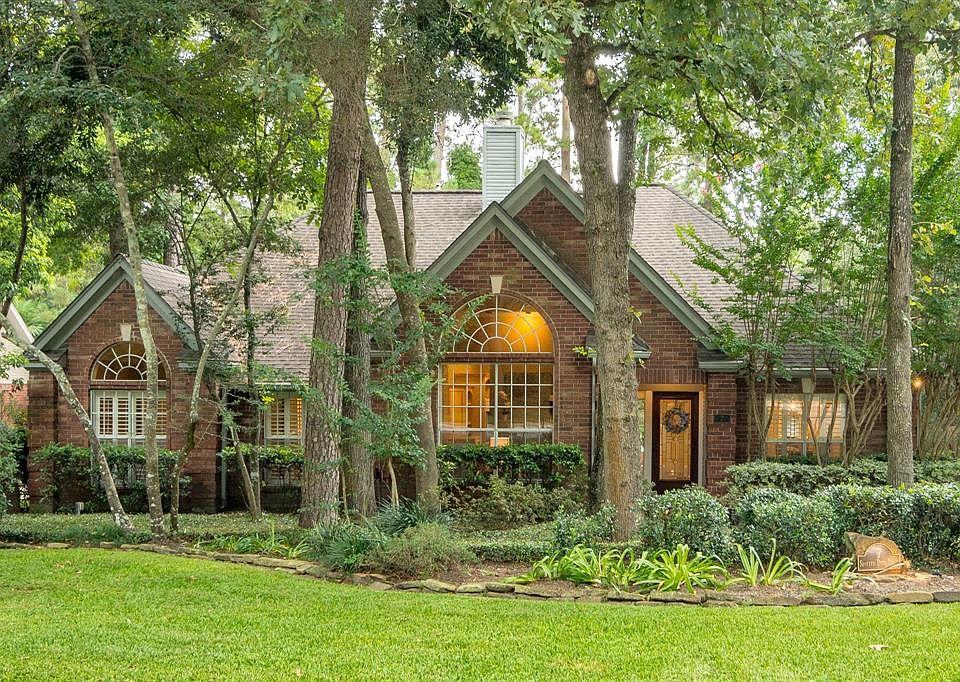
Your Woodlands Roof Isn't Leaking—So Why Does the Buyer Want It Replaced?
Your Woodlands Roof Isn't Leaking—So Why Does the Buyer Want You to Replace It?
The buyer loves the home.
Then they ask:
“How old is the roof?”
Seller:
“About 17 years.”
Suddenly:
The kitchen does not matter.
The backyard disappears from the conversation.
The mature trees are forgotten.
Everyone is talking about the roof.
The seller becomes frustrated.
“It doesn't leak. Why would I replace a perfectly good roof?”
That is a reasonable question.
But buyers may be evaluating more than whether rain enters the house today.
They may be thinking about:
Remaining service life.
Insurance.
Storm history.
Previous repairs.
Future replacement expense.
Inspection findings.
The right seller strategy is not automatically:
Replace it.
Nor is it:
Ignore it because it isn't leaking.
The better approach is to understand what you actually have.
Find the Roof Installation Date
Start with documentation.
Look for:
Invoice.
Contract.
Warranty.
Insurance records.
Previous seller documents.
Permit information where applicable.
Do not rely solely on:
“I think it was replaced around 2010.”
Know Whether the Entire Roof Was Replaced
Sometimes homeowners say:
“The roof was replaced.”
But only:
One section.
Garage.
Patio roof.
Storm-damaged slope.
was replaced.
Be precise.
Find the Roofing Material
Know whether the property has:
Composition shingles.
Metal roofing.
Tile.
Other material.
Different roofing systems have different characteristics.
Do not make assumptions about expected lifespan.
Age Is Not the Same as Condition
A 15-year-old roof can have different condition from another 15-year-old roof.
Factors may include:
Material.
Installation.
Weather exposure.
Maintenance.
Storm history.
Ventilation.
Tree coverage.
Age gives context.
Condition gives more information.
Do Not Promise Remaining Life
Avoid:
“This roof has another 15 years.”
unless an appropriate professional has provided a relevant assessment—and even then, avoid turning an estimate into a guarantee.
Inspect the Roof From the Ground
Before listing, look for obvious issues such as:
Missing shingles.
Debris.
Branches touching roof.
Visible damage.
Sagging gutters.
Heavy staining.
Do not climb onto the roof unless qualified and able to do so safely.
Mature Trees Make Roof Maintenance More Visible
The Woodlands' tree canopy is one of its defining features.
It can also mean:
Leaves.
Pine needles.
Branches.
Shade.
Roof debris.
Clean visible accumulation before photography where appropriate.
Trim Problematic Branches Appropriately
Branches touching or scraping the roof may concern buyers.
Use appropriate tree professionals for significant trimming.
Do not damage mature trees simply to create a cleaner roofline.
Clean Gutters
Overflowing gutters filled with:
Leaves.
Pine needles.
Debris.
make buyers think:
Deferred maintenance.
This is relatively simple preparation.
Do Not Aggressively Pressure-Wash a Roof
A seller may want the roof to look:
Brand new.
Using an inappropriate cleaning method can potentially damage roofing materials.
Follow manufacturer or professional recommendations.
Roof Staining Needs Context
Dark streaks or organic growth can make a roof appear older.
If cleaning is appropriate:
Use a method suitable for the roofing material.
Do not hide physical deterioration with cosmetic treatment.
Check the Attic
You do not need to become a roof inspector.
But if safely accessible, known conditions involving:
Water staining.
Active dripping.
Daylight through roof areas.
should not be ignored.
Old Water Stains Need Investigation
A stain may relate to:
Previous roof leak.
Plumbing.
HVAC.
Condensation.
Other causes.
Do not automatically say:
“That was from the old roof.”
unless you actually know.
Document Previous Roof Repairs
If you repaired:
Flashing.
Vent.
Valley.
Leak.
Storm damage.
keep the invoice.
A documented repair is easier to explain than an unexplained ceiling stain.
Storm History Can Matter
Texas weather means buyers may ask about:
Hail.
Wind.
Fallen branches.
Previous insurance claims.
Provide known information accurately.
Do Not Call Every Roof Replacement “Storm Damage”
If you do not know why the previous roof was replaced:
Do not invent a story.
Insurance Is Often Part of the Buyer's Concern
A buyer may ask:
“Will insurance cover this roof?”
The seller should not answer for the buyer's insurer.
Different carriers may consider:
Age.
Material.
Condition.
Property.
Underwriting requirements.
Coverage.
Your Current Insurance Does Not Guarantee Theirs
Seller:
“My insurance company has never cared.”
That does not guarantee another carrier will treat the buyer's policy the same way.
Encourage buyers to verify their own coverage.
A Pre-Listing Roof Inspection May Be Useful
Especially when:
Roof is older.
Seller is unsure of condition.
There was previous storm damage.
Buyer objections are anticipated.
Documentation is incomplete.
A professional assessment may help you understand the condition before negotiations.
But an Inspection Is Not a Warranty
Different inspectors or roofing professionals may reach different conclusions.
Do not advertise:
“Roof certified perfect.”
unless there is an actual documented certification with defined terms—and even then, represent it accurately.
Get Repair Estimates for Known Problems
If an inspection identifies:
Minor flashing repair.
Missing shingles.
Vent issue.
Other specific work,
obtain actual pricing.
This helps you make informed decisions.
Do Not Assume Every Finding Requires Replacement
An inspection report may contain several roof observations.
That does not automatically mean:
New roof required.
Understand:
What is maintenance.
What is repair.
What is material deterioration.
What requires further professional evaluation.
Replacement Before Listing Can Sometimes Make Sense
A seller might consider replacement when:
Roof condition is poor.
Insurance-related buyer concerns are significant.
Replacement could materially improve marketability.
Competition is strong.
The economics make sense.
But this is a strategic decision.
Replacement Can Also Be an Expensive Overcorrection
If the roof is older but serviceable:
Spending a large amount immediately before selling may not generate an equal increase in sale price.
Get information first.
Do Not Assume a New Roof Adds Its Full Cost to Value
Spend:
$25,000.
Home value does not automatically increase:
$25,000.
The benefit may instead appear through:
Buyer confidence.
Fewer objections.
Better insurability.
Stronger marketability.
A New Roof Can Be a Strong Marketing Feature
If you do replace it:
Document:
Contractor.
Date.
Material.
Warranty.
Transfer terms.
Then market accurately:
“Roof replaced in 2026.”
when true.
Verify Warranty Transfer
Do not promise:
“Lifetime transferable warranty.”
without reading the terms.
Some warranties may require:
Registration.
Transfer fee.
Deadline.
Other conditions.
Solar Panels Complicate Roof Decisions
If the home has solar:
Roof replacement may involve:
Panel removal.
Reinstallation.
Installer coordination.
Warranty considerations.
Do not quote the process without property-specific information.
Skylights Need Attention
Check:
Glass.
Flashing.
Interior staining.
Operation if applicable.
A roof may be fine while an older skylight becomes the inspection issue.
Chimneys and Roof Penetrations Matter
Buyers or inspectors may examine areas around:
Chimney.
Vents.
Flashing.
Satellite mounts.
Other penetrations.
Known deterioration deserves attention.
Remove Unused Satellite Equipment Carefully
Do not simply pull mounts from the roof and leave holes.
If removing equipment:
Have penetrations handled appropriately.
Patio Roofs Should Be Evaluated Separately
An attached patio cover may have:
Different material.
Different age.
Different installation history.
Do not imply the main roof replacement included the patio unless it did.
Detached Structures Count Too
If the property includes:
Garage.
Pool house.
Shed.
Guest house.
buyers may ask about those roofs separately.
Photography Should Show the Roof Honestly
Do not intentionally hide the roof behind:
Trees.
Extreme angles.
Digital editing.
If the roof is visible in person:
Represent it accurately.
Drone Photography Can Help
For larger Woodlands homes:
Aerial photography can show:
Roof.
Lot.
Trees.
Pool.
Property layout.
But it may also reveal:
Debris.
Staining.
Repairs.
Prepare first.
Pricing Should Account for Roof Condition
An older roof does not automatically mean:
Huge discount.
But buyers may factor future replacement into their offer.
Your pricing strategy should consider:
Condition.
Age.
Comparable sales.
Competition.
Insurance environment.
Replacement cost.
Know the Replacement Cost Before Negotiating
If the roof becomes a major buyer objection:
An actual current estimate is much more useful than:
“My neighbor paid $12,000 five years ago.”
Seller Credits May Be Part of Negotiation
Depending on:
Contract.
Financing.
Lender limits.
Transaction structure.
a negotiated credit may sometimes be considered instead of seller replacement.
Your agent and appropriate professionals can help evaluate available options.
Do Not Promise the Buyer Can File an Insurance Claim Later
That is not a seller strategy.
Insurance claims depend on:
Actual covered events.
Policy.
Timing.
Carrier evaluation.
Do not suggest a buyer can simply get insurance to pay for an aging roof.
Use the “Age or Condition?” Test
Know both.
Use the “Repair or Replacement?” Test
Get professional information.
Use the “Can We Document It?” Test
Find invoices and warranties.
Use the “Will Insurance Become a Buyer Question?” Test
Prepare for it.
The Woodlands Roof Seller Scorecard
Before listing, evaluate:
Roof Age
Known?
Replacement Date
Documented?
Material
Known?
Warranty
Available?
Warranty Transfer
Verified?
Previous Repairs
Records available?
Storm Damage
Known history organized?
Insurance Claims
Known information available?
Missing Shingles
Any visible?
Roof Debris
Removed?
Tree Branches
Roof clearance reviewed?
Gutters
Clean?
Attic
Known moisture concerns?
Ceiling Stains
Cause understood?
Skylights
Condition reviewed?
Chimney/Flashing
Known issues?
Patio Roof
Age understood?
Solar
Coordination considered if applicable?
Inspection
Worth considering?
Replacement Estimate
Available if needed?
Pricing
Actual condition considered?
Final Thoughts
An older roof can become one of the biggest psychological obstacles in a Woodlands home sale.
Sometimes that concern is justified.
Sometimes buyers are reacting almost entirely to:
The number.
“17 years old.”
“19 years old.”
“20 years old.”
Age matters.
But age does not tell the entire story.
Before listing:
Find the installation records.
Understand the roofing material.
Clean debris.
Trim problematic branches appropriately.
Clear gutters.
Investigate stains.
Document repairs.
Check warranties.
Consider a professional evaluation when warranted.
Get estimates if significant work may be needed.
Then make a strategic decision.
Maybe you replace it.
Maybe you repair specific issues.
Maybe you sell with the existing roof and price accordingly.
What you should not do is automatically spend tens of thousands of dollars because:
“Buyers hate old roofs.”
And you should not dismiss every concern with:
“It doesn't leak.”
The strongest position lies between those extremes:
Know the roof's actual condition and give buyers accurate information.
Because a buyer may happily purchase an established Woodlands home with an older roof.
What they do not want is an older roof surrounded by:
Unknown history.
Missing records.
Visible deferred maintenance.
Unexplained stains.
And seller assurances that nobody can support.
When the buyer asks:
“How old is the roof?”
you want the conversation to continue with:
“Here's what we know about it.”
Not end with:
“We're not sure.”
Frequently Asked Questions
Should I replace an older roof before selling my Woodlands home?
Not automatically. Consider actual condition, professional findings, replacement cost, insurance considerations, market competition, and likely buyer response before making that investment.
Does an old roof automatically need replacement?
No. Age provides context but does not by itself establish current condition or determine when replacement will be required.
Can I tell buyers how many years the roof has left?
Avoid guaranteeing remaining roof life. Appropriate professionals may provide condition assessments, but future performance cannot be guaranteed.
Should I get a roof inspection before listing?
It may be useful when the roof is older, there is a history of repairs or storm damage, documentation is incomplete, or you expect roof condition to become a significant buyer concern.
Will a new roof increase my sale price by what I spend?
Not necessarily. Replacement may improve marketability and reduce buyer objections without creating a dollar-for-dollar increase in market value.
Can an older roof affect the buyer's homeowners insurance?
Potentially. Insurance underwriting varies by carrier, property, roof age, material, condition, and other factors. Buyers should obtain property-specific coverage information.
Should I repair ceiling stains before listing?
First determine the source and whether the underlying issue has been resolved. Once addressed, cosmetic repairs can improve presentation.
What if the roof was partially replaced?
Describe the work specifically. Avoid saying the entire roof is newer when only certain sections were replaced.
Should I provide the roof warranty to buyers?
Yes, if available. Verify whether it transfers and whether the buyer must complete any registration, payment, or other requirements.
What's the biggest takeaway?
When selling a Woodlands home with an older roof, do not make the decision based on age alone. Understand the roof's actual condition, document its history, address known maintenance issues, investigate buyer-insurance implications, and then determine whether repair, replacement, or pricing around the existing condition makes the most sense.