How Spring, TX Evolved Into One of North Houston's Most Diverse Residential Communities (2026 Guide)
Every community has a story, and understanding that story can help buyers better appreciate what makes a neighborhood unique. Spring, Texas is no exception. While many people recognize Spring today as a large residential area serving the northern Houston metropolitan region, its history stretches back much further than many realize.
Over the years, Spring has transformed from a small settlement into a collection of established neighborhoods, newer developments, commercial centers, parks, and community amenities. That gradual evolution has created a community that offers buyers a wide variety of housing options and lifestyles rather than a one-size-fits-all neighborhood.
Understanding how Spring developed provides useful perspective for anyone considering making it their home.
A Community With Deep Texas Roots
Spring's history dates back to the 1800s, when the area developed around transportation routes and local commerce. Like many Texas communities, early growth was closely connected to the arrival of the railroad, which helped establish Spring as an important stop for travelers and businesses.
Although the community has grown tremendously since then, traces of its early history can still be found today, particularly in Old Town Spring, where preserved buildings and locally owned businesses reflect the area's heritage.
This blend of history and modern development gives Spring a distinctive character that sets it apart from many newer suburban communities.
Growth That Happened Over Decades
Unlike neighborhoods that were built almost entirely within a short period, Spring expanded gradually over several decades.
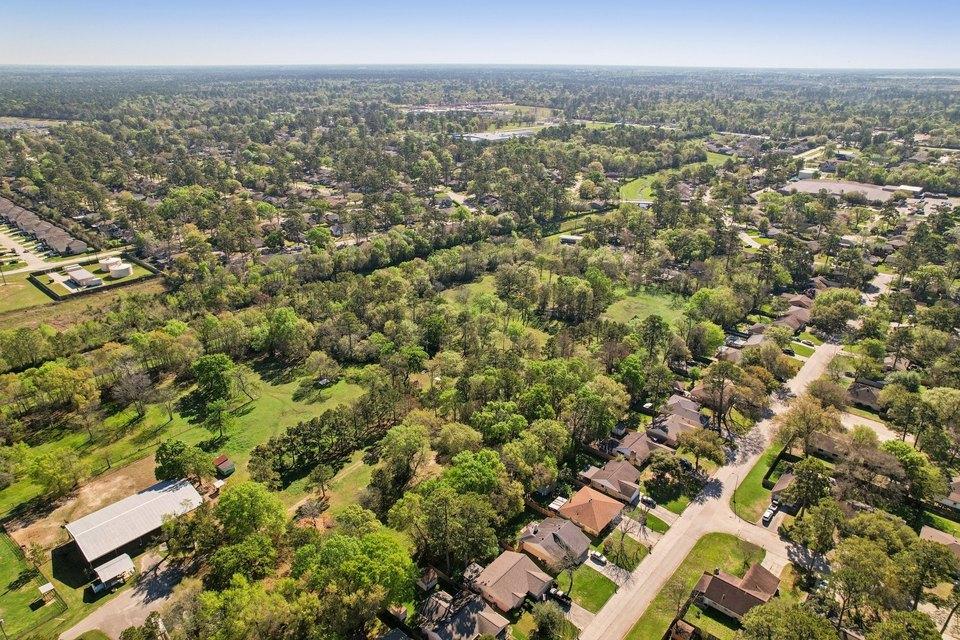
As the Houston metropolitan area grew northward, Spring welcomed new residential neighborhoods while maintaining many of its established communities. This gradual development created a diverse housing inventory that includes homes from different architectural periods, lot sizes, and price ranges.
For buyers, this means more choices and the opportunity to find a home that matches their individual preferences rather than being limited to one style of neighborhood.
A Variety of Neighborhood Experiences
One of Spring's defining characteristics is that no two areas feel exactly alike.
Depending on where you search, you'll encounter:
Established neighborhoods with mature trees
Communities with neighborhood parks
Areas featuring newer construction
Homes on larger lots
Walkable residential streets
Communities centered around neighborhood amenities
This variety makes Spring attractive to buyers in many different stages of life.
Location Has Played a Major Role
Spring's continued popularity is closely tied to its location.
Situated north of Houston, the community provides access to major transportation corridors that connect residents with employment centers, shopping districts, medical facilities, and recreational destinations throughout the region.
Rather than functioning as an isolated suburb, Spring has developed as an important residential area within the broader Houston metropolitan network.
This accessibility continues to be one of the community's greatest strengths.
Established Trees Create Lasting Character
Because many Spring neighborhoods have been established for years, mature trees are one of the area's most recognizable features.
Large oaks and pines contribute to:
Natural shade
Attractive streetscapes
Seasonal beauty
Increased privacy
Comfortable outdoor environments
For many buyers, these established landscapes create a sense of permanence that is difficult to replicate in newly developed communities.
Growth Has Expanded Everyday Convenience
As Spring has grown, so have the services available to residents.
Today, homeowners benefit from convenient access to:
Grocery stores
Retail shopping
Local restaurants
Medical providers
Fitness centers
Community parks
Public libraries
Entertainment venues
These amenities allow residents to complete many daily activities without traveling far from home.
Housing Choices Continue to Evolve
Another advantage of Spring is the diversity of its housing market.
Buyers can often find:
Single-story homes
Two-story family homes
Patio homes
Townhomes
New construction in selected areas
Established resale properties
This range of housing allows buyers to prioritize features that matter most to them, whether that's architectural style, lot size, or neighborhood setting.
A Community That Continues to Adapt
Although Spring has a long history, it continues to evolve.
Neighborhood improvements, business development, infrastructure projects, and ongoing residential investment contribute to the area's continued appeal while preserving much of the character that longtime residents value.
Communities that successfully balance growth with established neighborhood identity often remain desirable for many years.
Looking Beyond the Home
When searching for a property in Spring, buyers should evaluate more than the house itself.
Spend time exploring:
Different neighborhoods
Local parks
Old Town Spring
Shopping areas
Community amenities
Nearby recreation
Experiencing these places firsthand provides a more complete understanding of what everyday life in Spring may look like.
Final Thoughts
Spring's evolution from a historic railroad settlement into one of North Houston's most diverse residential communities has created a unique place to call home. Its combination of established neighborhoods, mature landscaping, varied housing options, convenient location, and continued growth offers buyers opportunities that are difficult to find in communities developed during a single period.
For those considering a move to North Houston, understanding Spring's history helps explain why it continues to attract buyers looking for both character and convenience.
Frequently Asked Questions
How old is the Spring, Texas community?
Spring's history dates back to the 1800s, with much of its early development centered around the railroad and local commerce.
Does Spring have both older and newer neighborhoods?
Yes. Because the community developed over many decades, buyers can find established neighborhoods alongside newer residential developments.
Why do many buyers like established Spring neighborhoods?
Many appreciate mature trees, larger landscaping, neighborhood character, and the variety of home styles available throughout the area.
Is Old Town Spring part of the community's history?
Yes. Old Town Spring preserves many historic buildings and locally owned businesses that reflect the area's early development.
What makes Spring different from many newer suburbs?
Its long history, gradual growth, diverse housing inventory, established neighborhoods, and convenient location combine to create a community with a unique identity and broad appeal.