How Road Networks and Community Planning Shape Everyday Living in Spring, TX (2026 Guide)
When buyers tour homes, they naturally pay attention to kitchens, backyards, and floor plans. However, one of the most important aspects of a community isn't found inside a house—it's how the neighborhood is connected.
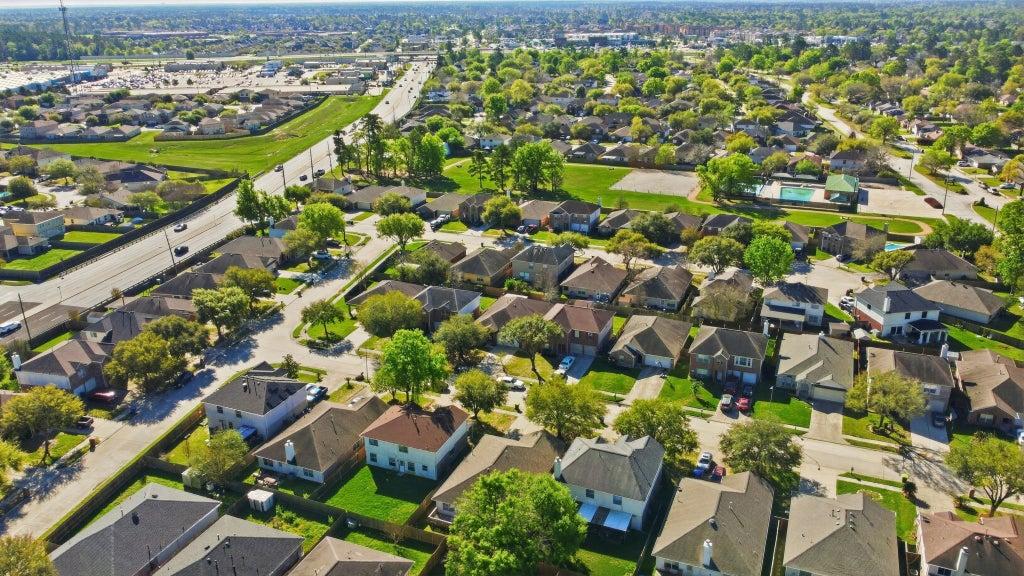
Spring has developed over many decades, resulting in a transportation network that links residential neighborhoods with schools, parks, shopping centers, healthcare facilities, and employment corridors throughout North Houston.
Understanding how these connections work helps buyers evaluate more than the home itself. It provides insight into how everyday routines may function after moving into the community.
Growth Created a Connected Community
As Spring expanded, residential neighborhoods developed alongside commercial centers, schools, and public services.
Rather than functioning as isolated subdivisions, many neighborhoods are connected through an established network of:
Major thoroughfares
Residential collector roads
Local neighborhood streets
Community parks
Commercial corridors
This allows residents to reach many everyday destinations without traveling across multiple municipalities.
Neighborhood Streets Serve Different Purposes
Not every street is designed the same.
Within Spring, buyers may encounter:
Quiet residential streets
Cul-de-sacs
Curving neighborhood roads
Boulevard-style entrances
Collector streets connecting neighborhoods
Each serves a different role in balancing accessibility with neighborhood comfort.
Multiple Routes Increase Flexibility
One benefit of an established road network is having more than one way to reach common destinations.
Depending on where you live, alternative routes may help when traveling to:
Grocery stores
Schools
Medical offices
Parks
Restaurants
Regional highways
Having options can simplify everyday travel and make routine errands more efficient.
Community Services Are Integrated Throughout Spring
Over time, development has placed many essential services within convenient reach of residential neighborhoods.
These may include:
Retail shopping
Healthcare providers
Fitness centers
Financial institutions
Restaurants
Public libraries
Rather than concentrating everything in one district, Spring offers multiple service areas distributed throughout the community.
Parks and Green Spaces Remain Accessible
Community planning includes more than roads.
Many neighborhoods provide access to:
Local parks
Walking paths
Greenbelts
Recreation facilities
Open green spaces
These amenities support outdoor activity while contributing to the overall appearance of the community.
Planning for Daily Life
A neighborhood should support the way you actually live.
When comparing communities, think about:
Your daily commute
Grocery shopping habits
Medical appointments
Weekend recreation
School access
Dining preferences
Understanding these routines often helps narrow your search more effectively than comparing homes alone.
Explore the Area Beyond the Listing
While visiting a property, take time to drive the surrounding streets.
Notice:
Traffic flow
Road maintenance
Sidewalks
Neighborhood entrances
Nearby commercial areas
Community appearance
These observations provide valuable context that online listings cannot fully capture.
Long-Term Planning Supports Continued Growth
Spring continues to evolve, but many of its established planning principles remain effective because residential development, transportation, and commercial services have grown together over time.
This balanced growth has helped create a community that supports both longtime residents and newcomers.
Final Thoughts
A home's location within the community can influence everyday life just as much as the home's design. Spring's established road network, neighborhood planning, and convenient access to everyday services contribute to a community that remains attractive to a wide variety of buyers.
Looking beyond the property itself and understanding how the surrounding area functions can help you make a more informed long-term decision.
Frequently Asked Questions
Why is community planning important when buying a home?
Good community planning influences convenience, accessibility, recreation, and how efficiently daily routines function.
Does Spring have multiple transportation routes?
Yes. Many neighborhoods connect to major roads, collector streets, and regional highways that provide access throughout North Houston.
Should buyers evaluate roads during a home search?
Absolutely. Driving the surrounding neighborhood helps you understand traffic patterns, convenience, and how the area functions day to day.
Are services located throughout Spring?
Yes. Shopping, healthcare, dining, parks, and other everyday services are distributed across the community rather than being concentrated in one location.
Why should buyers look beyond the home?
The surrounding neighborhood, transportation network, and nearby amenities often have a lasting impact on everyday living and long-term satisfaction.