How Different Generations of Neighborhoods Give Spring, TX Its Unique Character (2026 Guide)
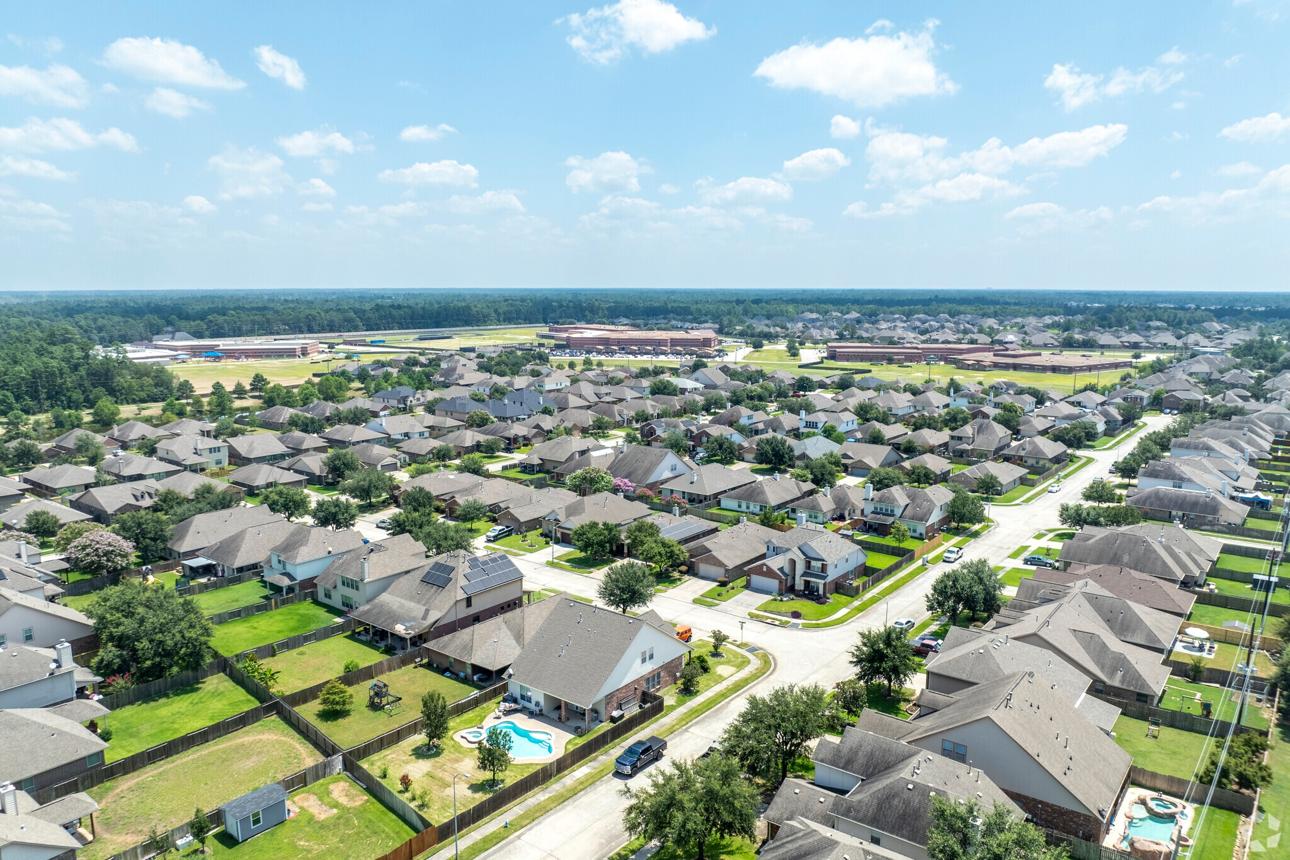
One of Spring's greatest strengths is that it wasn't built all at once. Instead, the community expanded gradually over several decades, creating neighborhoods with distinct personalities, architectural styles, landscaping, and street layouts.
For today's buyers, that means Spring offers far more variety than many communities developed during a single construction boom. Whether you're looking for mature trees, larger lots, modern floor plans, or newer community amenities, Spring provides opportunities to compare neighborhoods with different characteristics while remaining within the same general area.
Understanding how these neighborhoods evolved can help buyers focus on the features that matter most for their lifestyle.
Growth Happened Over Time
Unlike communities built in only a few years, Spring developed in phases.
As new neighborhoods were added, changing architectural trends, building practices, and buyer preferences influenced home design.
Today, buyers can explore neighborhoods representing several decades of residential development, each offering its own advantages.
Established Neighborhoods Offer Lasting Appeal
Many of Spring's earlier neighborhoods are known for their mature appearance.
Common characteristics include:
Large shade trees
Established landscaping
Wide residential streets
Spacious front yards
Distinct architectural character
These features appeal to buyers looking for neighborhoods with a settled, established feel.
Newer Communities Reflect Modern Living
More recent developments often incorporate features designed around today's lifestyles.
Depending on the neighborhood, buyers may find:
Open-concept floor plans
Energy-efficient construction
Flexible home office spaces
Community recreation areas
Contemporary exterior designs
These homes may appeal to buyers seeking modern layouts and newer building materials.
Lot Sizes Can Vary
Because neighborhoods were built during different periods, lot configurations vary throughout Spring.
As you compare homes, notice:
Backyard size
Front yard depth
Corner lots
Cul-de-sac locations
Greenbelt opportunities
The lot itself can influence privacy, outdoor living, and long-term enjoyment just as much as the home.
Street Design Creates Different Experiences
Neighborhood design has changed over time.
Some communities emphasize:
Curving residential streets
Cul-de-sacs
Walking paths
Neighborhood parks
Others reflect more traditional subdivision layouts.
Neither approach is universally better—the right choice depends on how you plan to use the neighborhood.
Mature Landscaping Adds Personality
One advantage of Spring's gradual growth is the variety of landscaping throughout the area.
Many neighborhoods feature:
Towering oak trees
Pine trees
Flowering shrubs
Established green spaces
Landscaped entrances
These natural features help create neighborhoods that feel welcoming and visually distinctive.
Compare More Than the House
While touring homes, spend time evaluating the surrounding neighborhood.
Observe:
Street appearance
Tree canopy
Sidewalks
Park access
Community maintenance
Overall atmosphere
These details become part of your daily experience after moving in.
Think About Long-Term Lifestyle
As you narrow your search, ask yourself:
Do I prefer an established neighborhood or newer development?
How important are mature trees?
Will I use community amenities?
Does the neighborhood match my pace of life?
Answering these questions often helps buyers identify the communities where they'll feel most at home.
Final Thoughts
Spring's neighborhoods reflect decades of thoughtful growth rather than a single period of development. That diversity gives buyers the opportunity to choose from a wide range of home styles, lot sizes, community layouts, and neighborhood environments.
Instead of focusing only on the house itself, take time to explore the character of each neighborhood. Finding the right community can be just as important as finding the right floor plan.
Frequently Asked Questions
Why do Spring neighborhoods look different from one another?
Spring developed over several decades, so neighborhoods reflect different architectural styles, planning approaches, and buyer preferences from the periods in which they were built.
Are established neighborhoods different from newer ones?
Many established neighborhoods offer mature trees and landscaping, while newer communities may include modern floor plans and recently developed amenities.
Should buyers compare neighborhoods as well as homes?
Yes. Street layout, landscaping, parks, lot sizes, and neighborhood atmosphere all influence everyday living.
Do lot sizes vary throughout Spring?
Yes. Depending on the age and design of the neighborhood, buyers may find a variety of lot sizes and configurations.
Why is neighborhood character important?
The surrounding environment contributes to your daily lifestyle, outdoor enjoyment, and long-term satisfaction with your home.