How the Village Concept Makes The Woodlands Different From Many Master-Planned Communities (2026 Guide)
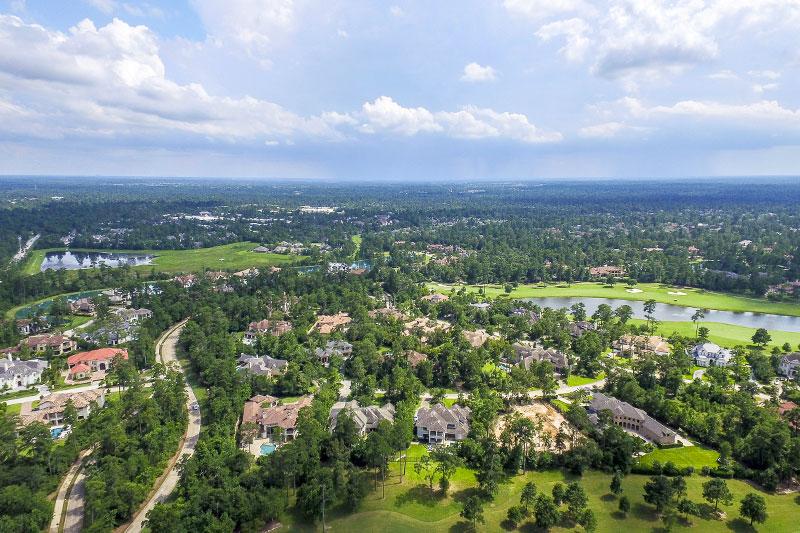
When people first begin exploring The Woodlands, they often notice something different about the community. Instead of one large neighborhood with a central entrance, The Woodlands is organized into individual villages, each with its own character, parks, schools, shopping areas, and gathering spaces.
This planning approach wasn't accidental. From the beginning, The Woodlands was designed around the idea that residents should be able to meet many of their daily needs close to home while remaining connected to the larger community.
More than 50 years later, that original vision continues to shape how people experience everyday life in The Woodlands.
A Different Approach to Community Planning
Many master-planned communities are developed around one central neighborhood or a limited number of residential sections.
The Woodlands followed a different model.
Its villages were planned as interconnected neighborhoods, each designed to function as a small community within the larger development.
This approach creates a balance between neighborhood identity and community-wide connectivity.
Each Village Has Its Own Personality
Although all villages share the same commitment to quality planning and natural surroundings, each has developed its own unique character.
Depending on the village, buyers may notice differences in:
Home styles
Street layouts
Parks
Lakes
Trail connections
Community gathering spaces
These differences give buyers more opportunities to find a neighborhood that matches their lifestyle.
Everyday Convenience Was Part of the Plan
One of the goals behind the village concept was reducing the need for long daily drives.
Many villages include convenient access to:
Shopping centers
Parks
Schools
Recreation facilities
Places of worship
Everyday services
Rather than concentrating everything in one location, amenities were distributed throughout the community.
Trails Connect the Villages
Although each village has its own identity, they remain connected through one of The Woodlands' defining features—its extensive pathway system.
Residents can often walk or bike between neighborhoods while enjoying:
Wooded greenbelts
Community parks
Lakes
Natural preserves
Recreational facilities
These pathways help create a sense of one connected community despite the individual character of each village.
Preserving Nature Was a Priority
The village concept also supported another important planning goal—preserving the area's natural environment.
Instead of clearing large sections of forest, planners incorporated:
Mature pine trees
Native vegetation
Greenbelts
Open spaces
Natural drainage corridors
These features continue to distinguish The Woodlands from many suburban developments throughout Texas.
Neighborhood Identity Creates Community Pride
Because each village developed its own personality over time, many residents identify strongly with the area where they live.
Community events, neighborhood parks, schools, and gathering spaces all contribute to a sense of belonging while remaining part of the larger Woodlands community.
This balance between local identity and regional connection is one of the planning concepts that continues to attract buyers today.
Choosing the Right Village
For buyers, selecting a village often becomes just as important as selecting a home.
When comparing villages, consider:
Commute routes
Nearby shopping
Park access
Trail connections
Recreational amenities
Housing styles
Each village offers a slightly different living experience while maintaining the overall quality The Woodlands is known for.
Why the Concept Still Works Today
Although The Woodlands has continued to grow, the village concept remains highly effective because it was designed around everyday living rather than simply residential development.
Residents continue to benefit from:
Convenient neighborhood services
Walkable recreation
Strong community identity
Connected green spaces
Diverse housing options
These features remain just as valuable today as they were when the community was first planned.
Final Thoughts
The village concept is one of the defining characteristics that makes The Woodlands different from many master-planned communities throughout Texas. By creating individual neighborhoods connected through trails, parks, natural spaces, and shared amenities, planners developed a community that continues to balance convenience, recreation, and neighborhood identity.
For buyers considering The Woodlands, understanding how the village system works provides valuable insight into why the community remains one of the region's most successful examples of thoughtful planning.
Frequently Asked Questions
What is the village concept in The Woodlands?
The village concept organizes The Woodlands into individual residential villages, each with its own parks, schools, shopping areas, and neighborhood identity while remaining connected to the larger community.
Are all villages in The Woodlands the same?
No. Each village has its own character, home styles, parks, amenities, and layout while sharing the community's overall planning principles.
Why was the village concept created?
It was designed to make everyday services, recreation, schools, and shopping more convenient while preserving strong neighborhood identity and natural surroundings.
Can residents travel between villages using trails?
Many villages are connected through The Woodlands' extensive pathway system, allowing residents to walk or bike between neighborhoods and community amenities.
Should buyers compare villages before choosing a home?
Yes. Each village offers different amenities, housing styles, commute advantages, and recreational opportunities, making it worthwhile to explore several areas before purchasing.